
Yellow ribbon campaigns — those ubiquitous symbols of “supporting the troops” — are resurfacing across social media, car bumpers, and public discourse as the United States edges toward new military engagements or heightened geopolitical tensions. If this feels familiar, it should. The same ribbon campaigns blanketed the country in 2003 during the Iraq invasion and persisted through the long Afghanistan occupation, often serving less as genuine troop support and more as a social pressure tool to silence dissent against the policies that put soldiers in harm’s way in the first place. The ribbons are back, and the playbook hasn’t changed.
What made the yellow ribbon campaigns so effective — and so dangerous — during the Iraq and Afghanistan eras was their ability to conflate supporting individual service members with endorsing the foreign policy decisions of the executive branch. Questioning the mission became synonymous with abandoning the troops. That false equivalence shut down legitimate public debate about troop deployments, defense spending, and the human costs of prolonged military operations. As of recent reports, a new wave of similar messaging has begun appearing in connection with current military posturing, border deployments, and discussions about potential conflicts — following a pattern that any observer of post-9/11 America will recognize immediately. This article examines why these campaigns keep returning, who benefits from them, what they actually cost service members and veterans, and how citizens can support troops without surrendering their right to question the government.
Table of Contents
- Why Are Yellow Ribbon Campaigns Returning Now — Just Like During Iraq and Afghanistan?
- The Manufactured Patriotism Playbook and Its Real Costs
- How the “Support the Troops” Framework Silences Dissent
- What Actual Troop Support Looks Like Versus Ribbon Campaigns
- The Media’s Role in Amplifying Ribbon Culture and Suppressing Accountability
- The Historical Pattern — From World War I to the Present
- What Comes After the Ribbon — And What Citizens Can Do Instead
- Conclusion
- Frequently Asked Questions
Why Are Yellow Ribbon Campaigns Returning Now — Just Like During Iraq and Afghanistan?
Yellow ribbon campaigns tend to emerge whenever an administration needs to build or maintain public support for military action that might otherwise face scrutiny. During the lead-up to the Iraq War in 2003, the ribbons appeared almost overnight — on cars, storefronts, lapel pins, and eventually as entire product lines. They weren’t organic. Defense-adjacent PR firms and political operatives recognized that the ribbon created a binary: you either displayed one and “supported the troops,” or you didn’t and were branded unpatriotic. The Afghanistan conflict saw the same dynamic persist for two decades, even as public opinion on the war itself shifted dramatically. By 2021, polls showed a majority of Americans believed the Afghanistan war wasn’t worth fighting, yet the ribbon culture had done its work for years in delaying that reckoning. The current resurgence follows a similar trajectory.
As the federal government has increased military deployments — whether to the southern border, to the Pacific, or in connection with evolving Middle East tensions — the ribbon messaging has reappeared. Social media has accelerated the cycle. Where a 2003 campaign needed physical bumper stickers and storefront displays, today’s equivalent spreads through profile picture overlays, hashtag campaigns, and algorithmically boosted posts. The mechanism is faster, but the function is identical: create a social cost for questioning military policy by wrapping that policy in the emotional shield of troop welfare. What’s worth noting is that the troops themselves have historically been ambivalent about ribbon campaigns. veterans’ organizations have repeatedly pointed out that yellow ribbons don’t fund VA hospitals, don’t address the veteran suicide crisis, and don’t improve the conditions of military families struggling with housing costs near bases. The ribbon is a symbol directed at civilians — it disciplines public discourse, not military readiness.

The Manufactured Patriotism Playbook and Its Real Costs
The yellow ribbon as a symbol of military support was popularized during the 1991 Gulf war, borrowed loosely from a 1973 pop song about a returning prisoner. By the time it was deployed for Iraq and Afghanistan, it had become an industry. Companies sold ribbon magnets, ribbon flags, ribbon-themed clothing — and a portion of the proceeds almost never went to veterans’ services. A cottage industry of performative patriotism generated revenue for manufacturers and retailers while veterans returned home to underfunded healthcare systems, long disability claim backlogs, and a homelessness crisis that persists to this day. However, critics of the anti-ribbon position should note that not everyone who displays a yellow ribbon is acting in bad faith. Many families with deployed service members find genuine comfort in the symbol, and community displays of support can have real psychological value for military families navigating separation and fear. The problem isn’t individual sincerity — it’s institutional exploitation.
When government officials and media figures use ribbon culture to frame all military criticism as troop betrayal, the symbol stops being about support and starts being about compliance. If your neighbor puts a ribbon on their mailbox because their child is deployed, that’s personal expression. If a cable news network runs a “support our troops” chyron while arguing against congressional oversight of a military operation, that’s propaganda wearing a yellow disguise. The financial cost of this dynamic is staggering. The Iraq and Afghanistan wars cost American taxpayers an estimated $8 trillion according to the Costs of War Project at Brown University, factoring in long-term veterans’ care obligations. During that entire period, the ribbon campaigns helped insulate those expenditures from the kind of rigorous public scrutiny that might have shortened the conflicts or redirected resources. Every dollar spent on a war that the public can’t question is a dollar that didn’t go to infrastructure, education, or — ironically — actual veteran support services.
How the “Support the Troops” Framework Silences Dissent
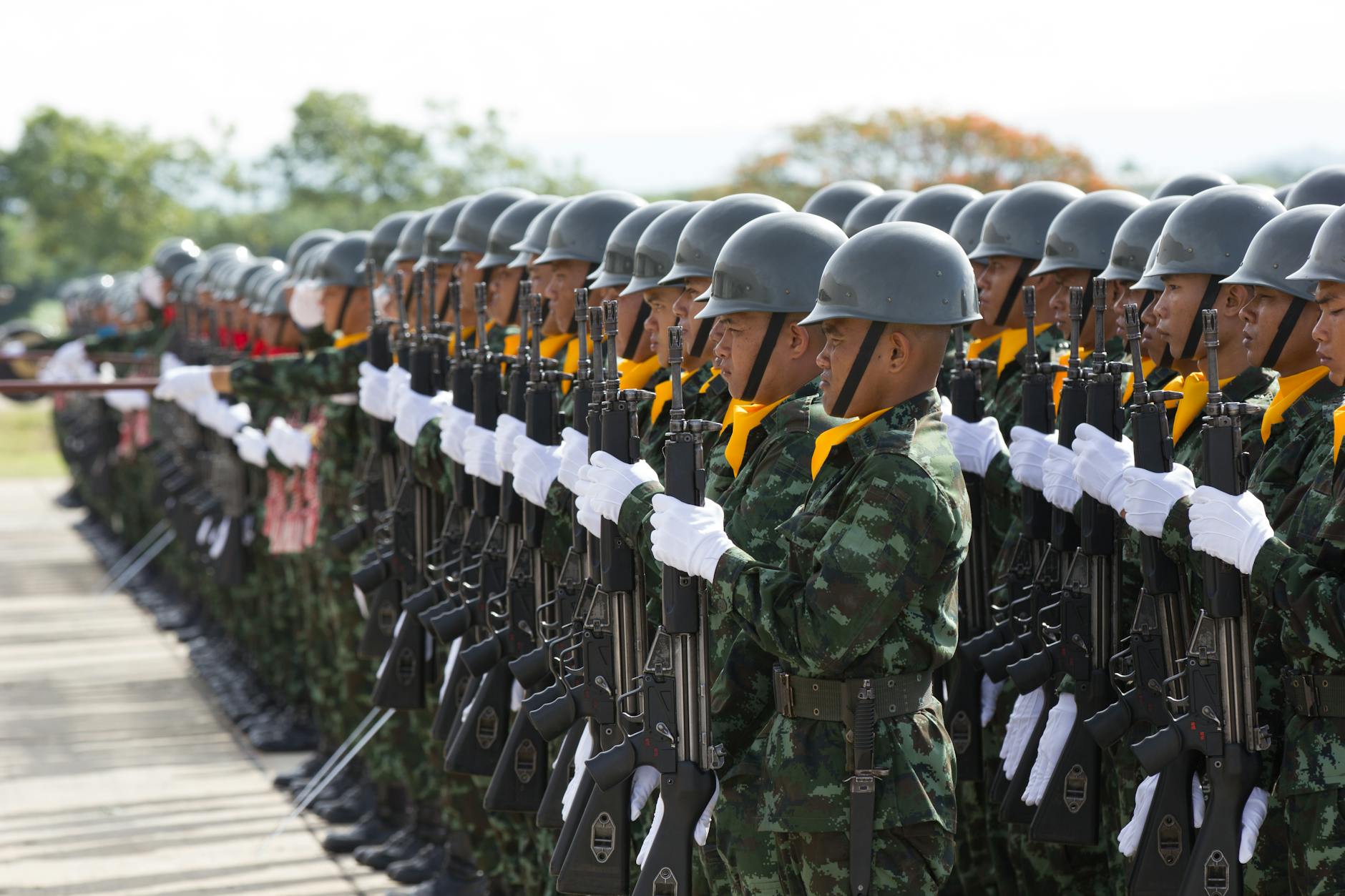
The most effective aspect of yellow ribbon campaigns is that they don’t argue a position — they make arguing any position feel morally hazardous. During the Iraq War, members of Congress who voted against funding bills were accused of “not supporting the troops,” even when their objections were specifically about troop safety, inadequate body armor, or deployment lengths that exceeded military readiness guidelines. The Dixie Chicks (now The Chicks) faced career destruction in 2003 for a single critical comment about the President made on foreign soil. Their experience became a case study in how ribbon culture enforces conformity: the backlash wasn’t organized by the military or by veterans, but by a civilian population that had internalized the idea that patriotism meant silence. This framework has reappeared in recent political discourse. Criticism of border deployments — where active-duty military personnel are assigned to roles that historically belong to civilian agencies — is met with accusations of being anti-military. Questions about the strategic rationale for Pacific fleet positioning are framed as undermining national security rather than engaging in the democratic oversight that civilian control of the military requires.
The Constitution explicitly places military authority under civilian government precisely because the founders understood that unchecked military spending and deployment would be a threat to the republic. Yellow ribbon culture inverts this: it suggests that civilians questioning military use are the threat. Veterans themselves have been among the most vocal critics of this dynamic. Organizations like Veterans for Peace and Iraq Veterans Against the War (now About Face: Veterans Against the War) have consistently argued that genuine troop support means demanding accountability for how troops are used, ensuring they have adequate resources and care, and refusing to send them into conflicts without clear objectives and exit strategies. As one Iraq veteran put it during the Afghanistan withdrawal debate: “The ribbon on your car didn’t keep me alive. Body armor did. And I had to buy my own plates.”.
What Actual Troop Support Looks Like Versus Ribbon Campaigns
If the goal is genuinely supporting military service members and veterans, the comparison between ribbon campaigns and substantive action is stark. A yellow ribbon magnet costs roughly five dollars and requires no further engagement. Meaningful support looks fundamentally different and involves sustained commitment that goes beyond a symbol on a vehicle. Direct action includes supporting legislation that funds the VA healthcare system, which has faced chronic underfunding and staffing shortages regardless of which party controls Congress. It means advocating for the PACT Act’s full implementation — the burn pit exposure legislation that took decades of veteran advocacy to pass. It means supporting military family housing improvements, since reports have documented mold, lead paint, and structural failures in privatized military housing on bases across the country.
It means pushing for reform of the military justice system’s handling of sexual assault cases, a crisis that ribbon campaigns have never once addressed. And it means supporting transition services for separating service members, who face elevated risks of homelessness, substance abuse, and suicide in the years following discharge. The tradeoff is simple but uncomfortable: real support requires political engagement, financial commitment, and sometimes opposing the very deployments that ribbon campaigns are designed to protect from criticism. You cannot simultaneously “support the troops” and refuse to question whether a deployment is necessary, adequately resourced, and strategically sound. The ribbon resolves this tension by eliminating the question. That’s not support — it’s abdication dressed in yellow.
The Media’s Role in Amplifying Ribbon Culture and Suppressing Accountability
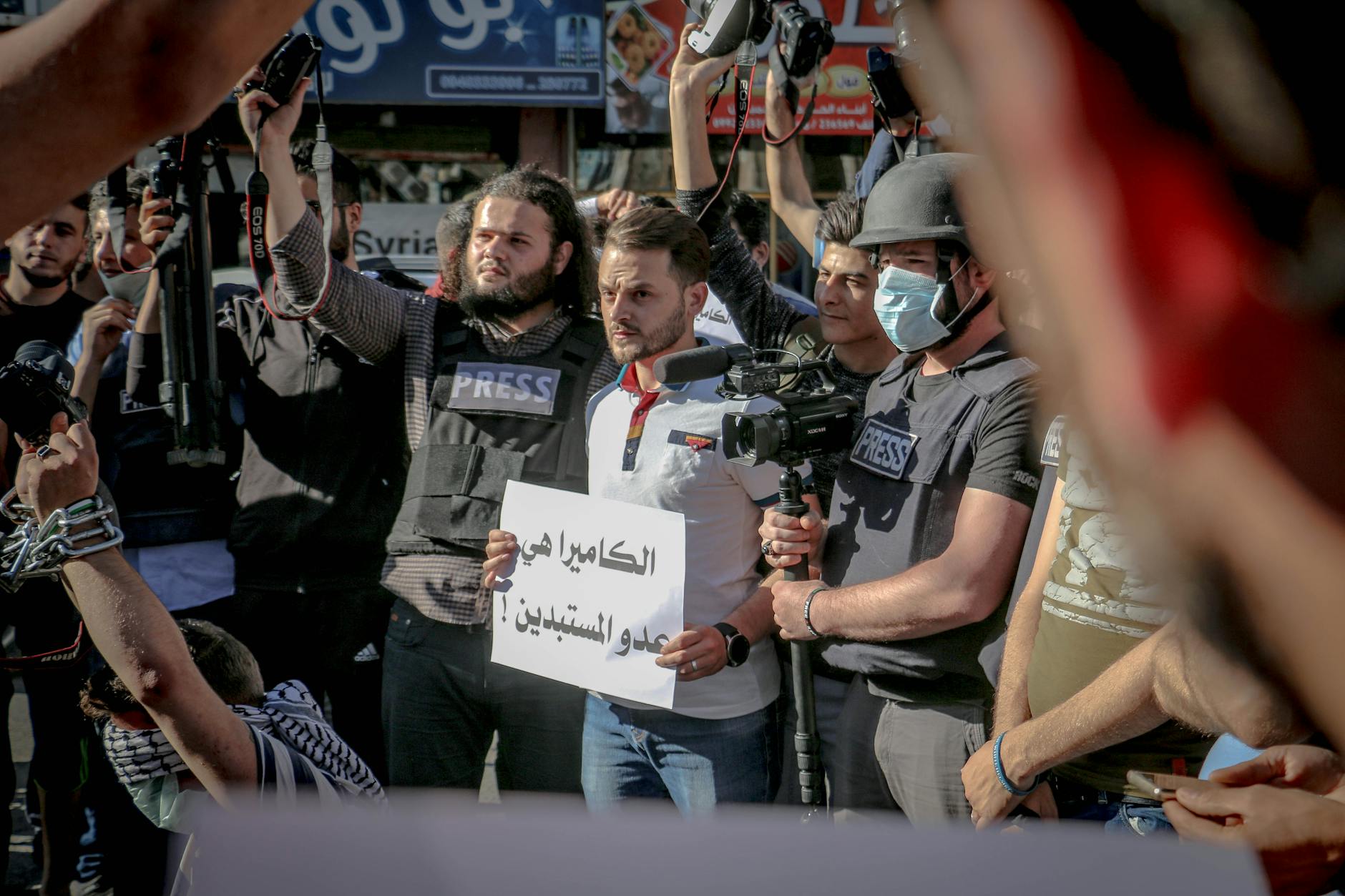
Mainstream media has historically been complicit in the ribbon campaign cycle, and there are warning signs that this pattern is reasserting itself. During the Iraq War, major news networks embedded journalists with military units — a practice that produced compelling television but structurally limited reporters’ ability to provide critical coverage, since their safety and access depended on military cooperation. The networks that most aggressively promoted “support the troops” branding were, not coincidentally, the ones least likely to air critical reporting on the war’s rationale, its civilian casualties, or its cost. The limitation of focusing too heavily on media criticism, however, is that it can veer into conspiracy thinking. Not every journalist who covers military operations favorably is carrying water for the defense establishment. War reporting is genuinely dangerous and difficult, and many embedded reporters produced important work documenting both the bravery of service members and the failures of leadership.
The problem is structural, not individual: when a network’s brand identity is wrapped in flag graphics and ribbon imagery, the institutional incentive to challenge military policy diminishes. If your viewers tune in because they feel patriotic watching your coverage, critical reporting threatens both ratings and identity. Social media has complicated this dynamic further. Algorithms reward engagement, and patriotic content generates enormous engagement — both supportive and oppositional. A yellow ribbon post that sparks outrage is just as valuable to a platform as one that generates shared patriotic sentiment. This means ribbon campaigns now feed a content machine that profits from the division they create, with no mechanism for directing any of that energy toward actual policy outcomes or veteran services.
📨 Get Free Accountability Coverage Alerts
Free · No spam · Unsubscribe anytime
The Historical Pattern — From World War I to the Present
Manufactured patriotic campaigns are not new to the yellow ribbon era. During World War I, the Committee on Public Information — a government propaganda agency — produced posters, films, and speaking tours designed to suppress anti-war sentiment and encourage enlistment. Citizens who spoke against the war faced prosecution under the Espionage and Sedition Acts. The yellow ribbon is a softer version of the same impulse: rather than jailing dissenters, it socially ostracizes them. The mechanism evolved from legal punishment to cultural enforcement, but the objective — insulating wartime policy from democratic accountability — remained constant.
What distinguishes the current moment is the speed at which these campaigns can be deployed and the difficulty of tracing their origins. A World War I propaganda poster had a credited artist and a government agency behind it. A 2003 bumper sticker had a manufacturer. A 2025 or 2026 social media campaign can emerge from anonymous accounts, be amplified by bot networks, and achieve cultural saturation before anyone identifies who started it or why. This makes the current iteration of ribbon culture harder to critique and easier to weaponize.
What Comes After the Ribbon — And What Citizens Can Do Instead
The yellow ribbon will fade again, as it always does — once the political utility of the campaign diminishes or public attention shifts. It faded after the Gulf War, resurged after 9/11, and slowly receded as the Afghanistan and Iraq conflicts became politically inconvenient for both parties. What remains after the ribbon is gone is the policy it helped protect from scrutiny, the debt it helped accumulate without debate, and the veterans it claimed to honor while failing to serve. Citizens who want to break this cycle have concrete options.
They can contact their congressional representatives about specific military and veterans’ legislation rather than displaying symbols. They can donate to verified veteran service organizations — checking charity ratings through sites like Charity Navigator to avoid the numerous fraudulent “veteran charities” that have been prosecuted by state attorneys general over the years. They can attend town halls and demand that their elected officials articulate clear objectives, costs, and exit strategies before supporting military deployments. And perhaps most importantly, they can refuse to accept the premise that questioning how troops are used is the same as opposing the troops themselves. That distinction is the entire foundation of civilian democratic governance, and no amount of yellow ribbon can change it.
Conclusion
Yellow ribbon campaigns are a recurring feature of American political life, and their return signals what it has always signaled: an administration preparing the public to accept military action without asking too many questions. From Iraq to Afghanistan to whatever engagement comes next, the playbook remains the same — wrap the policy in the flag, pin a ribbon on it, and dare anyone to object. Recognizing this pattern is the first step toward resisting it, not because military service doesn’t deserve respect, but because respect without accountability is just decoration.
The most patriotic thing a citizen can do when the ribbons reappear is ask the questions the ribbons are designed to prevent. Where are troops being sent? Why? For how long? At what cost? And who profits? These aren’t anti-military questions — they’re the exact questions that a functioning democracy requires its citizens to ask. Support the troops by all means. But support them with scrutiny, with funded services, with political engagement, and with the willingness to say that sending someone’s child into an unnecessary conflict is the opposite of support, no matter how many ribbons you stick on your car.
Frequently Asked Questions
What is the origin of the yellow ribbon as a symbol of military support?
The yellow ribbon’s association with military homecoming was popularized by the 1973 Tony Orlando song “Tie a Yellow Ribbon Round the Ole Oak Tree,” though the symbol was adapted for military support during the 1979 Iran hostage crisis and became widespread during the 1991 Gulf War. It has no official military origin or endorsement.
Do yellow ribbon campaigns actually raise money for veterans?
In most cases, no. The vast majority of yellow ribbon products — magnets, stickers, pins — are sold by private companies with no obligation to direct proceeds to veteran services. Some charitable organizations have used the symbol in legitimate fundraising, but consumers should verify where their money goes through charity watchdog organizations before assuming a ribbon purchase supports veterans.
Is criticizing military deployments the same as not supporting the troops?
No. Civilian oversight of the military is a constitutional principle, not a betrayal of service members. Historically, some of the strongest advocates for troop welfare have been critics of specific deployments — arguing that support means not sending troops into conflicts without clear objectives, adequate resources, or exit strategies.
How can I actually support military service members and veterans?
Concrete actions include supporting VA funding legislation, donating to verified veteran service organizations, advocating for military family housing improvements, supporting the full implementation of burn pit and toxic exposure legislation, and contacting elected officials about veterans’ issues. These actions have measurable impact that symbolic displays do not.
Have veterans spoken out against yellow ribbon campaigns?
Yes. Multiple veterans’ organizations have criticized ribbon culture for substituting symbolism for substance. Groups like Veterans for Peace and About Face (formerly Iraq Veterans Against the War) have argued that genuine support requires political engagement and accountability, not performative displays.
You Might Also Like
- There Are Not Enough Votes to Override a Veto on the Iran War Powers Resolution
- The U.S. and Israel Are Running Separate But Coordinated Operations Inside Iran
- The Military Veteran Community Is Split — Combat Veterans Are More Skeptical Than Non-Veterans