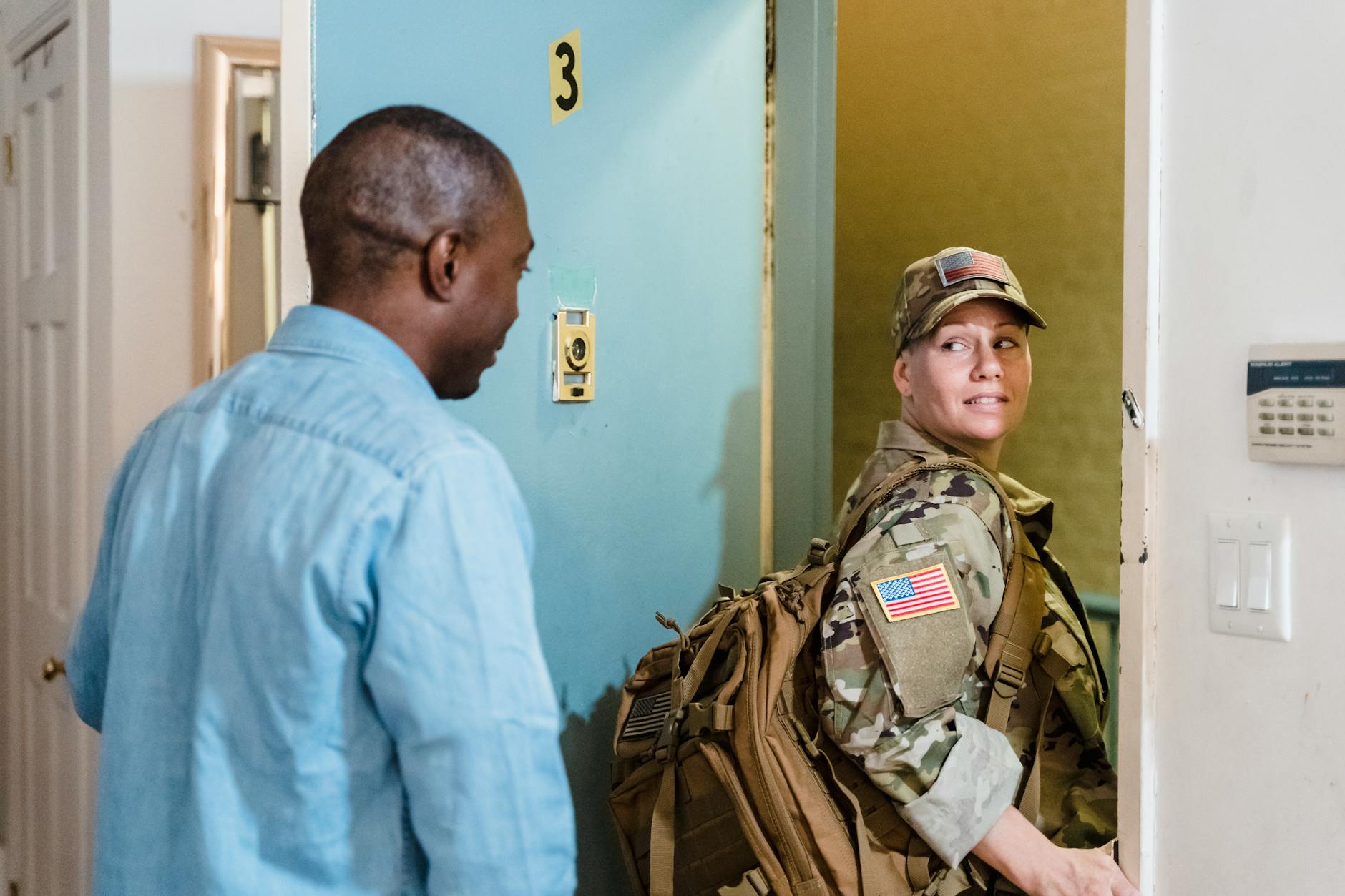
Military spouse groups across the country are mobilizing at a pace not seen in over two decades, standing up new chapters, expanding counseling services, and organizing grassroots support networks as the United States wages its largest military campaign since the 2003 invasion of Iraq. Blue Star Families is pairing first-time deployment spouses with experienced military families for mentorship. The National Military Family Association is scaling up emergency assistance programs. Local groups in Texas are packing care packages.
The organizing is real, it is widespread, and it is being driven by a combination of genuine need and deep uncertainty about how long this conflict will last. The U.S.-Israeli joint strikes on Iran that began on February 28, 2026 have already cost the lives of at least six American service members, according to NPR. Approximately 2,500 Marines aboard the amphibious assault ship USS Tripoli have been ordered to the Middle East, and several units already deployed have had their orders extended with no clear return date. For military families, the stress is not abstract. Shannon Razsadin, CEO of the Military Family Advisory Network, told the Chico Enterprise-Record there is “a good amount of stress and anxiety from the community just around the unknowns right now.” This article examines how spouse organizations are responding, what resources are available, the misinformation threat targeting these families, and the legal questions that are becoming a rallying point for advocacy.
Table of Contents
- How Are Military Spouse Groups Organizing Around Iran War Deployment Challenges?
- The Scale of the Military Buildup and What It Means for Families
- A New Chapter in Hampton Roads Signals Growing Demand
- What Resources Are Available Right Now for Military Families
- The Misinformation Threat Targeting Military Families
- Legal Questions About War Authorization as a Rallying Point
- What Comes Next for Military Spouse Organizing
- Conclusion
- Frequently Asked Questions
How Are Military Spouse Groups Organizing Around Iran War Deployment Challenges?
The response from military spouse organizations has been both institutional and grassroots. Blue Star Families, led by CEO Kathy Roth-Douquet, has expanded its operations to include direct mentorship programs that connect spouses experiencing deployment for the first time with families who have been through it before. The organization is also providing therapy access and hosting community events in areas with high concentrations of military families. In the Chicago area, Blue Star Families has actively sought help from local residents who have relatives or connections to deployed service members, as reported by ABC7 Chicago. The National Military Family Association has taken a parallel approach, expanding its counseling services, peer support programs, and emergency financial assistance for families dealing with the sudden disruption that deployment brings.
These are not token gestures. When a service member deploys on short notice, the spouse left behind often faces immediate logistical crises: childcare gaps, financial strain from lost dual income, and the emotional weight of managing a household alone while worrying about a partner in a combat zone. NMFA’s expanded services are designed to address those specific, practical problems. At the local level, groups like Military Moms and Wives of Brazoria County in Texas are organizing care package drives for deployed service members, as reported by Click2Houston. These grassroots efforts fill gaps that larger organizations sometimes miss, particularly in communities where military families are scattered rather than concentrated near a major base. The combination of national infrastructure and local initiative mirrors patterns seen during the Iraq and Afghanistan deployments, but the speed of organizing this time reflects how quickly the conflict escalated.
The Scale of the Military Buildup and What It Means for Families
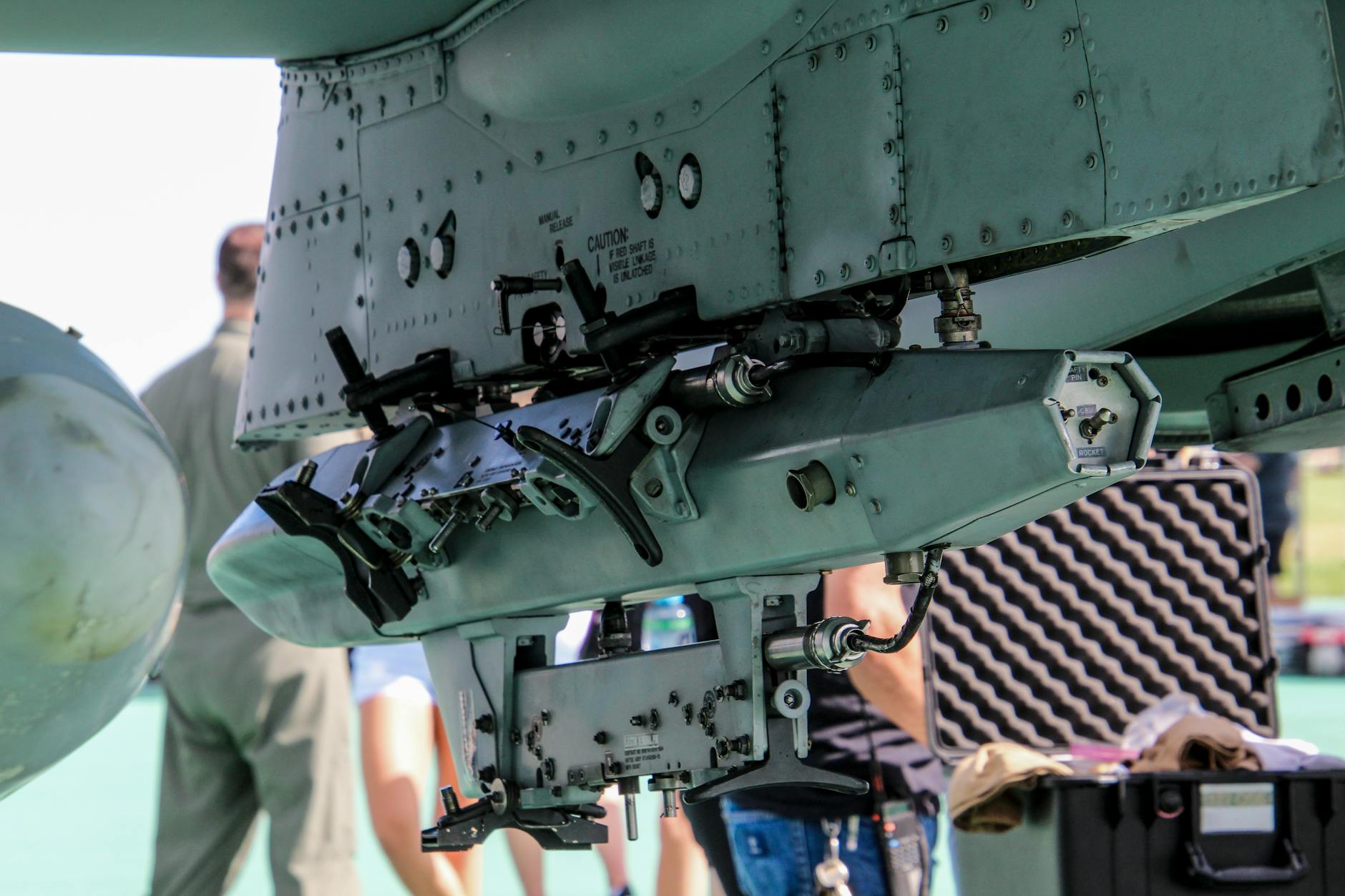
The current U.S. military buildup in the Middle East is the largest since the 2003 invasion of Iraq, according to Military.com. Two carrier strike groups, more than 120 aircraft, guided-missile destroyers, submarines, and air defense systems have been deployed to the region. This is not a limited strike posture. It is the infrastructure of a sustained military campaign, and families are reading the signals accordingly. For military spouses, the scale of the buildup matters because it directly affects the likelihood of extended deployments and the number of families impacted. Several units already in the region have had their deployment orders extended, according to VPM News, which means families who thought they were weeks from a reunion are now facing open-ended timelines.
This is one of the most psychologically difficult aspects of wartime service. A deployment with a known end date is manageable. A deployment that keeps getting extended erodes the coping strategies families rely on. However, it is important to note that not every service member in the region is in direct combat. Many are in support, logistics, or intelligence roles with varying levels of risk. The anxiety for families, though, does not neatly track with a service member’s military occupational specialty. If your spouse is in the Middle East during an active shooting war, the distinction between a combat role and a support role offers limited comfort, particularly when information about what is actually happening on the ground is incomplete or delayed.
A New Chapter in Hampton Roads Signals Growing Demand
One concrete indicator of how serious the organizing effort has become is the planned launch of a new Blue Star Families chapter in the Hampton Roads area of Virginia, scheduled for mid-April 2026. The Norfolk and Virginia Beach corridor is one of the densest military communities in the country, home to Naval Station Norfolk, the world’s largest naval base, along with Joint Expeditionary Base Little Creek-Fort Story and multiple other installations. WTKR Norfolk reported that local military families are navigating significant stress amid the global tensions, and the new chapter is a direct response to that increased need. The decision to open a new chapter rather than simply expand programming through existing ones is telling.
It suggests that the volume of families seeking support has exceeded what current infrastructure can handle in that region. Roth-Douquet, speaking on NPR on March 6, 2026, framed the need in terms that extend beyond the military community itself, urging civilians to ask a simple question: “Is anyone in my community connected to the military, and if so, is there anything I can do to support you?” That framing, asking civilians to step in, is an implicit acknowledgment that military spouse organizations alone cannot absorb the full demand. The Hampton Roads chapter will reportedly focus on the same mentorship and community-building model that Blue Star Families has deployed elsewhere, but with programming tailored to the specific needs of a Navy-heavy community where deployments at sea add unique communication challenges. When a spouse is on a carrier strike group, phone calls and video chats are sporadic at best. The isolation that produces is qualitatively different from what an Army spouse at Fort Liberty might experience.
What Resources Are Available Right Now for Military Families
For families navigating deployment stress today, the landscape of available support breaks down into three tiers, each with tradeoffs. The first tier is the institutional support provided by the Department of Defense itself: Military OneSource, family readiness groups run through individual units, and on-base counseling through Military and Family Life Counselors. These services are free and widely available, but they are also bureaucratic, sometimes slow to respond, and can carry a stigma that discourages some spouses from using them. The second tier is the nonprofit sector, which is where organizations like Blue Star Families, NMFA, and the Military Family Advisory Network operate. These groups tend to be more flexible, less formal, and better at creating peer-to-peer connections that feel less clinical than government-provided counseling. The tradeoff is that their capacity is finite and geographically uneven.
If you live near a major military installation, you are likely to have access to multiple programs. If you are a Guard or Reserve spouse in a rural area with no base nearby, your options narrow significantly. The third tier is grassroots and community-based support, the care package drives, the Facebook groups, the neighbor who checks in. These are often the most immediately responsive, but they are also the least structured and most dependent on the energy of individual volunteers. The Brazoria County group in Texas is a good example. Their care package drives provide tangible support to deployed service members and give families at home a sense of agency. But such groups can burn out quickly if the conflict drags on and volunteer energy wanes.
The Misinformation Threat Targeting Military Families
One of the most dangerous and underreported aspects of the current conflict is the wave of AI-generated misinformation specifically designed to exploit the emotions of military families. The New York Times identified more than 110 unique AI-generated fake images and videos about the Iran war in just the first two weeks of the conflict, according to CNN. These included fabricated footage of explosions, digitally created images of decimated streets, and manufactured scenes of troop protests that never happened. What makes this particularly insidious is that some of this content is specifically crafted to target military families. Task and Purpose reported that AI-generated videos depict crying troops standing in front of rubble and coffins, along with fake photographs purporting to show deceased service members. For a spouse who is already operating on limited information and high anxiety, encountering one of these images on social media can be devastating.
The emotional manipulation is the point. The FBI and DHS have tracked foreign actors, including Iranian operatives, using AI-generated content, fake personas, and inauthentic news sites to influence American public opinion, according to Rolling Stone. Military families should be aware that official casualty notifications always come through the service member’s chain of command, never through social media, news reports, or phone calls from unknown numbers. If you see disturbing images or videos online claiming to show specific incidents, do not assume they are real. Verify through official channels. Blue Star Families and NMFA have both issued guidance urging families to limit social media consumption during periods of active combat and to rely on official military communication channels for information about their service member’s status.
📨 Get Free Accountability Coverage Alerts
Free · No spam · Unsubscribe anytime

Legal Questions About War Authorization as a Rallying Point
Beyond the immediate logistical and emotional challenges, some military family advocates are engaging with a more fundamental question: whether the war in Iran is legally authorized. The Fulcrum published an analysis questioning whether the current military operations fall within existing congressional authorizations for the use of military force, and this question has become a rallying point for some within the military family advocacy community. This is a fraught issue.
Military families have a complicated relationship with questioning the legality or wisdom of a conflict while their loved ones are actively fighting it. Many feel that raising such questions undermines the mission and, by extension, the safety of deployed service members. Others argue that advocating for proper legal authorization is itself a form of supporting the troops, ensuring that their lives are not risked without the constitutionally required approval of Congress. Regardless of where individual families fall on this question, the fact that it is being raised publicly by organizations adjacent to the military community represents a notable shift from the early days of the Iraq War, when such dissent was far less visible among military-connected groups.
What Comes Next for Military Spouse Organizing
The trajectory of military spouse organizing will depend heavily on the duration and intensity of the conflict. If operations in Iran remain at their current level or escalate, the demand for family support services will continue to grow, and we are likely to see more chapters of established organizations open, more grassroots groups form, and more public advocacy from military family leaders. The pattern from Iraq and Afghanistan suggests that spouse organizations become increasingly sophisticated and politically engaged the longer a conflict persists.
The immediate concern, though, is the gap between need and capacity. Organizations like Blue Star Families and NMFA are expanding as fast as they can, but the buildup to this conflict happened quickly, and family support infrastructure takes time to scale. The next several months will test whether the military family support ecosystem, both governmental and nonprofit, can keep pace with a conflict that has already produced casualties, extended deployments, and a misinformation environment unlike anything military families have faced before.
Conclusion
Military spouse groups are organizing with urgency because the situation demands it. The largest U.S. military buildup since 2003, at least six service members killed, extended deployments with no clear end dates, and a flood of AI-generated misinformation targeting families have created a crisis that existing support structures were not fully prepared to absorb.
Organizations like Blue Star Families, the National Military Family Association, and the Military Family Advisory Network are scaling up, but grassroots efforts and civilian community support will be essential to filling the gaps. For military families currently navigating deployment, the most important steps are concrete: connect with an established support organization, limit exposure to unverified social media content, rely on official channels for information about your service member, and do not hesitate to seek counseling or peer support. For civilians, the ask from Blue Star Families CEO Kathy Roth-Douquet remains the simplest and most actionable: find out if anyone in your community is connected to the military, and ask if there is anything you can do to help.
Frequently Asked Questions
What organizations are helping military families during the Iran war deployments?
Blue Star Families, the National Military Family Association, and the Military Family Advisory Network are the three largest national organizations currently expanding services. Local groups like Military Moms and Wives of Brazoria County are also organizing care package drives and community support.
How can I tell if images or videos about the Iran war are real?
Over 110 AI-generated fake images and videos were identified in the first two weeks of the conflict alone. Official casualty notifications always come through the military chain of command, not social media. If you see disturbing content online, verify through official military channels before reacting.
Are deployment orders being extended for service members already in the Middle East?
Yes. According to VPM News, several units already in the region have had their deployment orders extended, though specific timelines vary by unit and mission.
How can civilians support military families in their community?
Blue Star Families CEO Kathy Roth-Douquet has urged people to simply ask: “Is anyone in my community connected to the military, and if so, is there anything I can do to support you?” Practical help includes childcare, meals, yard work, and just checking in regularly.
Is there a new Blue Star Families chapter opening in Virginia?
Yes. A new Hampton Roads chapter of Blue Star Families is set to launch in mid-April 2026, responding to increased demand in the Norfolk and Virginia Beach military corridor, one of the most densely populated military communities in the country.
You Might Also Like
- There Are Not Enough Votes to Override a Veto on the Iran War Powers Resolution
- Suburban Women Voters Are the Demographic Most Opposed to Military Action in Iran
- Young Voters Under 30 Overwhelmingly Oppose the Iran War in Early Polling