During Operation Epic Fury on February 28 and March 1, 2026, the United States military launched one of the most devastating strike packages in modern warfare against Iran, combining Tomahawk cruise missiles fired from destroyers, GPS-guided JDAM bombs dropped from stealth bombers and fighter jets, and B-2 Spirit stealth aircraft flying non-stop from American soil. Over 1,000 Iranian military sites were struck within the first 24 hours, with two carrier strike groups deploying approximately 2,000 missiles and 200 aircraft in a coordinated assault targeting IRGC headquarters, air defense systems, ballistic missile sites, Iranian Navy vessels, and command and control infrastructure. The sheer scale of the operation raises serious questions about cost, weapons stockpile sustainability, and the strategic calculus behind deploying billion-dollar stealth bombers alongside relatively cheap GPS guidance kits bolted onto conventional bombs.
A single Tomahawk missile costs roughly $1.87 million, a B-2 Spirit bomber is valued at over $1 billion per airframe, and yet the humble JDAM guidance kit that turns a dumb bomb into a precision weapon runs only about $25,000 to $30,000. This article breaks down what each of these weapons systems actually does, how they were used in the Iran strikes, what the taxpayer cost looks like, and whether the U.S. military can sustain this kind of firepower going forward.
Table of Contents
- What Exactly Was in the Strike Package of Tomahawk Missiles, JDAM Bombs, and Stealth Aircraft?
- How Tomahawk Cruise Missiles Defined the Opening Hours of the Iran Strikes
- JDAM Bombs Turned Cheap Iron into Smart Weapons Over Iran
- The Cost Calculus — Tomahawks vs. JDAMs vs. Stealth Sorties
- Magazine Depth and the Risk of Running Out of Precision Weapons
- The B-2 Spirit’s Role as the Only Aircraft That Could Hit Iran’s Underground Sites
- What the Iran Strikes Signal About Future American Military Operations
- Conclusion
- Frequently Asked Questions
What Exactly Was in the Strike Package of Tomahawk Missiles, JDAM Bombs, and Stealth Aircraft?
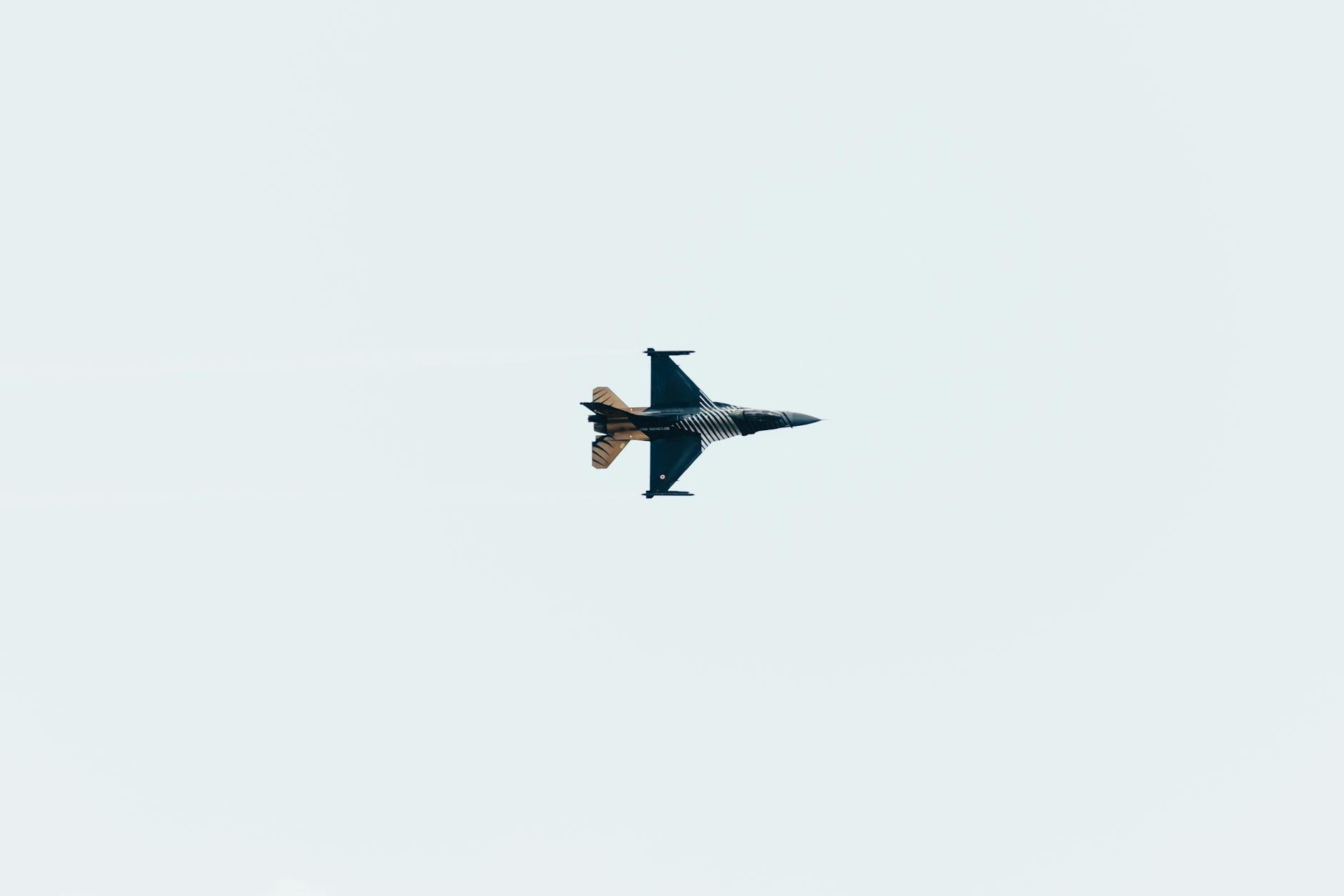
The strike package for Operation Epic Fury was a layered combination of standoff weapons, precision-guided munitions, and manned aircraft designed to overwhelm Iran’s air defenses from multiple directions simultaneously. Tomahawk cruise missiles launched from Arleigh Burke-class destroyers provided the opening salvo — these missiles can travel approximately 1,000 miles, meaning the ships that fired them never had to enter Iranian weapons range. A single Arleigh Burke destroyer can carry up to 96 Tomahawks, and a carrier strike group can collectively fire around 1,000 of them. Meanwhile, four B-2A Spirit bombers flew non-stop from the continental United States to drop GBU-31 2,000-pound bunker-buster JDAMs on hardened ballistic missile sites and underground launchers that cruise missiles alone could not destroy.
The fighter and support aircraft filled critical roles that the standoff weapons could not. F-22 Raptors provided air superiority and suppression of enemy air defenses, F-16s carried out additional strike missions, A-10 attack aircraft were deployed for their ground-attack capabilities, and EA-18G Growler electronic warfare planes jammed Iranian radar and communications systems. This combination meant Iran’s defenders faced incoming threats from sea-launched cruise missiles, high-altitude stealth bombers they could not detect on radar, electronic warfare aircraft degrading their ability to coordinate a response, and waves of conventional fighters delivering precision-guided munitions. The addition of explosive drones added yet another layer of complexity for Iranian air defenses to contend with.

How Tomahawk Cruise Missiles Defined the Opening Hours of the Iran Strikes
The Tomahawk missile has been a cornerstone of American power projection since the 1991 Gulf War, but the Iran strikes revealed something new. Observers spotted the Block Va Maritime Strike Tomahawk — a black-coated variant equipped with a seeker that allows it to engage moving naval targets — being used in combat for the first time. This variant was specifically designed to address the growing threat from adversary naval forces, and its deployment against Iranian navy ships and submarines during operation epic Fury marked its combat debut. However, the massive expenditure of Tomahawks raises a sustainability problem the Pentagon has been quietly worrying about for years.
At $1.87 million per missile, firing even a fraction of a carrier strike group’s capacity represents hundreds of millions of dollars in ordnance consumed in hours. The concern is serious enough that on February 4, 2026 — just weeks before the Iran strikes — RTX signed a seven-year Department of Defense agreement to produce over 1,000 Tomahawks per year, a significant ramp-up in production capacity. In October 2025, the Navy had already authorized the purchase of 837 anti-ship Tomahawk missile seekers, suggesting the Pentagon anticipated a potential large-scale conflict requiring these weapons. If consumption outpaces production for an extended campaign, the U.S. faces what defense analysts call a “magazine depth crisis” — the risk of literally running out of cruise missiles before the conflict ends.
JDAM Bombs Turned Cheap Iron into Smart Weapons Over Iran
The Joint Direct Attack Munition is not actually a bomb at all. It is a bolt-on GPS guidance kit that converts existing unguided “dumb bombs” into precision-guided munitions capable of hitting within meters of their target. At roughly $25,000 to $30,000 per kit, JDAMs represent an almost absurdly cost-effective way to deliver precision firepower compared to a $1.87 million Tomahawk. The tradeoff is that JDAMs require an aircraft to get within approximately 15 nautical miles of the target at high altitude, which means either using stealth aircraft that can penetrate air defenses or first suppressing those defenses with standoff weapons.
During operation Epic Fury, the primary JDAM variants used were the GBU-31, which mates the guidance kit with a 2,000-pound bomb body, and the GBU-38, which uses a 500-pound bomb body. The B-2 Spirit’s massive payload capacity made it the ideal delivery platform for the heavier GBU-31s against hardened underground targets — each B-2 can carry up to 16 of these 2,000-pound bunker busters per sortie. For lighter targets, a single B-2 can carry up to 80 of the smaller GBU-38 500-pound JDAMs, providing an enormous amount of precision firepower from a single aircraft. F/A-18 Super Hornets from the carrier strike groups supplemented the B-2s, with each F/A-18 capable of carrying up to 11 JDAM bombs per sortie. The JDAM first saw combat during Operation Allied Force in 1999, when B-2s delivered over 650 of them against Serbian targets, proving the concept that would be scaled up dramatically against Iran nearly three decades later.
The Cost Calculus — Tomahawks vs. JDAMs vs. Stealth Sorties
Understanding the financial math behind a strike package like Operation Epic Fury matters because American taxpayers ultimately fund every missile fired and every flight hour logged. Consider the contrast: a single Tomahawk costs $1.87 million but can be launched from a ship hundreds of miles from danger, requiring no pilot to risk their life over hostile territory. A JDAM kit costs roughly $25,000 to $30,000, but you need to add the cost of the bomb body itself, the aircraft to deliver it, the fuel for the sortie, and the risk to the aircrew. A B-2 Spirit sortie from the United States to Iran and back requires aerial refueling, crew rest rotations, and puts a $1 billion-plus aircraft in potential danger — but it can deliver destruction that no number of cruise missiles can replicate against deeply buried targets. The Pentagon does not choose between these weapons — it uses them together because each fills a gap the others cannot.
Tomahawks neutralize air defense radars and surface-to-air missile sites from safe standoff distances, clearing the path for manned aircraft. JDAMs dropped from stealth bombers then destroy hardened underground facilities that a Tomahawk’s warhead is too small to penetrate. Fighter aircraft with JDAMs mop up remaining surface targets, mobile launchers, and targets of opportunity. The limitation is that this combined approach is extraordinarily expensive. Two carrier strike groups deploying 2,000 missiles represents billions of dollars in ordnance alone, before accounting for operational costs, fuel, and the wear on aircraft and ships. For a sustained campaign, these numbers become a serious strategic constraint.
Magazine Depth and the Risk of Running Out of Precision Weapons
The single biggest warning sign coming out of Operation Epic Fury is the question of weapons sustainability. The United States military maintains finite stockpiles of Tomahawk missiles, JDAM kits, and the bomb bodies they attach to. A strike campaign that consumes over 2,000 missiles and thousands of JDAMs in its opening days burns through inventory at a rate that current production lines struggle to replace. Los Angeles-class submarines, which carry 12 Tomahawk launch tubes each, can empty their magazines in minutes. Reloading requires returning to port — a process that takes days or weeks depending on location.
The RTX production agreement for over 1,000 Tomahawks per year is a direct response to this vulnerability, but it also reveals the scale of the problem. If a single operation can consume a significant fraction of annual production capacity in 24 hours, then a prolonged conflict or a second front would create severe ammunition shortages. JDAM kits are cheaper and faster to produce, but the bomb bodies they attach to are not unlimited either. The 837 anti-ship Tomahawk seekers authorized in October 2025 suggest the Navy is also concerned about having enough of the specialized maritime variant to counter naval threats from Iran or other adversaries. Defense planners have to weigh the devastating effectiveness of these weapons against the hard reality that they cannot be manufactured as fast as they can be expended.
The B-2 Spirit’s Role as the Only Aircraft That Could Hit Iran’s Underground Sites
Four B-2A Spirit bombers flew non-stop from bases in the continental United States to Iran during Operation Epic Fury, a mission profile that demonstrates both the unique capability and the irreplaceable nature of America’s stealth bomber fleet. Iran’s ballistic missile sites and underground launchers were specifically built to withstand cruise missile strikes, with reinforced concrete and rock providing protection that a Tomahawk’s 1,000-pound warhead cannot reliably penetrate. The B-2’s ability to carry 2,000-pound GBU-31 bunker-buster JDAMs — and deliver them with GPS precision while remaining essentially invisible to radar — made it the only asset in the American inventory that could reliably destroy these targets.
📨 Get Free Accountability Coverage Alerts
Free · No spam · Unsubscribe anytime
The problem is scarcity. The Air Force operates only 20 B-2 Spirits, each valued at over $1 billion, and losing even one would represent both a strategic and financial blow that is difficult to overstate. Every B-2 mission over hostile territory is a calculated risk, which is why the opening Tomahawk salvos were designed in part to degrade Iran’s air defenses before the bombers arrived overhead.
What the Iran Strikes Signal About Future American Military Operations
Operation Epic Fury established a template that the Pentagon will likely refine for future conflicts: massive standoff missile salvos to blind enemy defenses, followed by stealth bomber penetration strikes against hardened targets, supported by electronic warfare aircraft and conventional fighters for cleanup operations. The first combat use of the black-coated Maritime Strike Tomahawk signals that the Navy is preparing for a world where anti-ship missiles must also be part of the opening salvo, not just land-attack variants.
The production ramp-ups for Tomahawks and the investment in anti-ship seekers suggest the Defense Department is planning for the possibility of larger, longer conflicts — potentially against adversaries with more sophisticated air defenses and deeper strategic depth than Iran. Whether the industrial base can actually deliver weapons at the rate future conflicts might demand remains an open and uncomfortable question for defense planners and the taxpayers funding the effort.
Conclusion
The strike package used in Operation Epic Fury combined Tomahawk cruise missiles at $1.87 million each, JDAM guidance kits at roughly $25,000 to $30,000 each, and B-2 Spirit stealth bombers worth over $1 billion per airframe into a devastating demonstration of American precision firepower. Over 1,000 Iranian sites were struck in 24 hours using approximately 2,000 missiles and 200 aircraft from two carrier strike groups, targeting everything from IRGC headquarters to underground ballistic missile launchers. Each weapon system filled a role the others could not — Tomahawks provided safe standoff range, JDAMs delivered heavy bunker-busting power at a fraction of the per-unit cost, and stealth bombers penetrated defenses that would have destroyed conventional aircraft.
The critical takeaway for anyone following defense spending and government accountability is the tension between capability and sustainability. The United States can deliver overwhelming force in a short window, but the cost in weapons expenditure is staggering and the ability to replenish stockpiles is limited by industrial production capacity. The new RTX agreement to produce over 1,000 Tomahawks per year and the Navy’s purchase of 837 anti-ship missile seekers are attempts to address this gap, but they also confirm that the gap exists. As defense budgets face scrutiny, the question is not whether these weapons work — Operation Epic Fury proved they do — but whether the country can afford to keep building them fast enough.
Frequently Asked Questions
How much does a single Tomahawk cruise missile cost?
The latest Tactical Tomahawk variant costs approximately $1.87 million per unit. During Operation Epic Fury, two carrier strike groups deployed roughly 2,000 missiles, representing billions of dollars in ordnance.
What is a JDAM and why is it so much cheaper than a cruise missile?
A JDAM (Joint Direct Attack Munition) is a GPS guidance kit that bolts onto an existing unguided bomb to make it a precision weapon. The kit costs roughly $25,000 to $30,000, making it far cheaper than a Tomahawk, but it requires an aircraft to fly within approximately 15 nautical miles of the target to deliver it.
How many Tomahawk missiles can a single Navy destroyer carry?
An Arleigh Burke-class destroyer can carry up to 96 Tomahawk missiles. A full carrier strike group can collectively fire approximately 1,000 Tomahawks.
What is the Maritime Strike Tomahawk that was spotted during the Iran strikes?
The Block Va Maritime Strike Tomahawk is a new black-coated variant that adds a seeker allowing it to engage moving naval targets. It was seen in combat for the first time during Operation Epic Fury. The Navy authorized purchase of 837 of these anti-ship seekers in October 2025.
How many B-2 Spirit bombers does the U.S. have?
The Air Force operates only 20 B-2 Spirits, each costing over $1 billion. Four were used during Operation Epic Fury, flying non-stop from the United States to Iran to strike underground missile sites with 2,000-pound bunker-buster JDAMs.
Can the U.S. military sustain this rate of weapons expenditure in a longer conflict?
This is a genuine concern among defense planners. RTX signed a seven-year agreement in February 2026 to produce over 1,000 Tomahawks per year, but a single large-scale operation can consume a significant portion of annual production in days. Extended conflicts or multiple simultaneous fronts would strain stockpiles considerably.
You Might Also Like
- The Decapitation Strike Changed Everything About the War’s Direction
- Without Khamenei There Is No Clear Successor — Iran’s Political System Is in Crisis
- Whoever Takes Control of Iran’s Government Next Will Determine the Region’s Future for Decades