Open Class Action Settlements
This page serves as your comprehensive guide to understanding and participating in open class action settlements. Whether you received a notice in the mail, saw a news report about a major settlement, or simply want to know if you are eligible for compensation from an active case, the information below will help you navigate the claims process with confidence.
What Is a Class Action Settlement?
A class action settlement is a legal resolution reached between a defendant — typically a corporation, government entity, or other organization — and a group of plaintiffs who have been affected by the same conduct. Rather than proceeding to a full trial, the parties agree on a sum of money or other remedies that will be distributed among eligible class members. Settlements can arise from consumer fraud, defective products, data breaches, employment violations, environmental contamination, securities fraud, and many other categories of harm.
When a court gives preliminary approval to a class action settlement, it enters a period during which eligible class members are notified and given the opportunity to file claims, opt out, or object. Settlements that are currently accepting claims are referred to as “open settlements,” and they represent active opportunities for affected individuals to receive compensation.
How to File a Class Action Claim
Filing a claim in a class action settlement is generally a straightforward process, though the specific steps vary by case. Here is the typical procedure:
- Determine your eligibility. Each settlement defines a “class” — a group of people who share certain characteristics, such as having purchased a specific product during a defined time period or having been affected by a particular data breach. Review the settlement notice or the official settlement website to confirm that you meet the eligibility criteria.
- Gather required documentation. Some settlements require proof of purchase, account records, or other documentation to support your claim. Others allow you to file without proof, though providing documentation may increase your payout. Check the claim form instructions carefully.
- Complete the claim form. Most modern settlements offer online claim forms through the official settlement website. You can also typically request a paper form by mail. Fill out all required fields accurately and completely.
- Submit before the deadline. Every open settlement has a claims deadline. Missing this deadline means forfeiting your right to compensation, so note the date carefully and submit your claim well in advance.
- Wait for processing. After the claims deadline passes, the settlement administrator reviews all claims, the court holds a final approval hearing, and approved payments are distributed. This process can take several months to over a year depending on the complexity of the case.
What “Open Settlements” Means
When we describe a settlement as “open,” we mean that the claims period is currently active — eligible class members can still file claims to receive their share of the settlement fund. Settlements move through several phases:
- Pre-settlement — The lawsuit is still being litigated or negotiated. No claims can be filed yet.
- Preliminary approval — The court has approved the settlement terms and authorized the notice process. Claims forms may become available.
- Open claims period — This is the window during which eligible class members can submit their claims. This is the stage we focus on in our open settlement coverage.
- Final approval hearing — The court reviews objections and decides whether to grant final approval. No new claims are accepted.
- Distribution — Approved payments are sent to claimants. Timing depends on the settlement administrator and whether appeals are filed.
- Closed — All payments have been distributed and the case is administratively complete.
Typical Payout Timelines
One of the most common questions we receive is “How long will it take to get my settlement check?” The honest answer is that timelines vary significantly by case, but here are general guidelines based on patterns across hundreds of class action settlements:
- Small consumer settlements (under $10 million total fund): Payouts often arrive 6 to 12 months after the claims deadline, assuming no appeals are filed.
- Mid-size settlements ($10 million to $100 million): Expect 9 to 18 months from the claims deadline to distribution, as these cases involve more complex claims review processes.
- Major settlements (over $100 million): These cases frequently involve multiple rounds of review, potential appeals, and complex distribution formulas. Payouts may take 12 to 24 months or longer.
- Data breach settlements: These often include both cash payments and credit monitoring services. Cash payments typically follow similar timelines to consumer settlements, while credit monitoring may begin earlier.
If a settlement is appealed, add 12 to 24 additional months to any estimate. Appeals are not uncommon in large cases and can significantly delay distributions.
How to Verify Legitimate Settlements vs. Scams
Unfortunately, class action settlement scams do exist. Fraudulent notices may arrive by mail, email, or text message, attempting to harvest personal information or charge fees for claim filing services that are actually free. Here is how to protect yourself:
- Check the court records. Legitimate settlements are filed in federal or state courts and have public docket entries. You can search for cases on PACER (federal) or your state court’s online system.
- Visit the official settlement website. Genuine settlement notices always include a URL for the official settlement website, which is typically administered by a recognized claims administrator like Epiq, JND Legal Administration, or Angeion Group.
- Never pay to file a claim. Filing a class action claim is always free. Any notice that asks you to pay a fee, provide credit card information, or purchase a membership to file a claim is fraudulent.
- Verify the claims administrator. Legitimate settlement websites are operated by professional claims administrators and typically have a .com or .net domain clearly associated with the case name.
- Be cautious with personal information. Legitimate claim forms may ask for your name, address, and a way to verify eligibility (such as a claim number from your notice), but they should not require your Social Security number, bank account passwords, or other highly sensitive data unless the settlement specifically involves financial account remediation.
- Contact the court clerk. If you are unsure whether a settlement notice is real, call the clerk’s office of the court listed in the notice and ask whether the case exists.
Frequently Asked Questions About Open Settlements
Do I need a lawyer to file a claim?
No. Class action claims are designed to be filed by individual class members without legal representation. The class attorneys have already negotiated the settlement on your behalf. You simply need to complete and submit the claim form.
What if I threw away my receipt or proof of purchase?
Many settlements allow claims without proof of purchase, though the payout may be smaller. Some settlements accept alternative documentation such as bank or credit card statements. Check the specific claim form instructions for what is accepted.
Can I file a claim if I no longer live at the address where I received the notice?
Yes. You can typically file online from any location. If filing by mail, use your current address so that any correspondence or payment reaches you.
What happens if I do nothing?
If you are a class member and do nothing, you will not receive a payment from the settlement. In most cases, you will still be bound by the settlement terms and release, meaning you give up your right to sue the defendant individually over the same issue. This is why it is important to review settlement notices carefully and file claims when you are eligible.
Are class action settlement payments taxable?
It depends on the nature of the settlement. Payments for physical injury or sickness are generally not taxable. Payments for lost wages, emotional distress, or punitive damages are typically taxable as ordinary income. Consult a tax professional if you receive a significant settlement payment.
How do I find out about current settlements accepting claims?
We cover open class action settlements regularly on this site. You can also check official court notification systems, the Federal Trade Commission’s website, and settlement administrator websites for current opportunities.
Bookmark this page and check back regularly for our latest coverage of open class action settlements that may affect you.
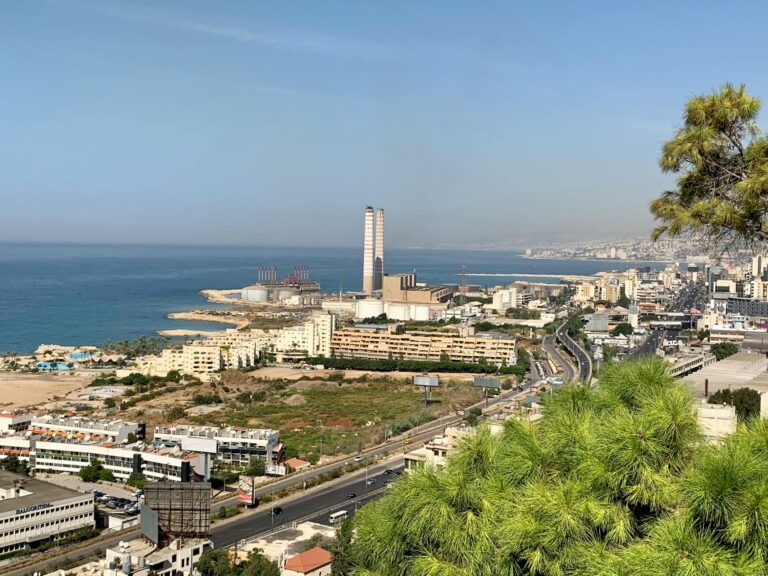
Israel Says Saturday’s Attack Was Its Largest Aerial Operation in History
On Saturday, February 28, 2026, the Israeli Air Force launched what the IDF officially called "the largest aerial attack ever conducted by Israeli forces.
U.S. Struck Hundreds of Targets Inside Iran in the Opening Hours
In the early morning hours of what the Pentagon described as a decisive first strike, the United States military launched attacks against hundreds of...

Iran Tried to Rebuild Its Nuclear Program After Last Year’s Strikes — So Trump Hit Them Again
On February 28, 2026, the United States and Israel launched a massive joint military operation against Iran after intelligence revealed that Tehran had...
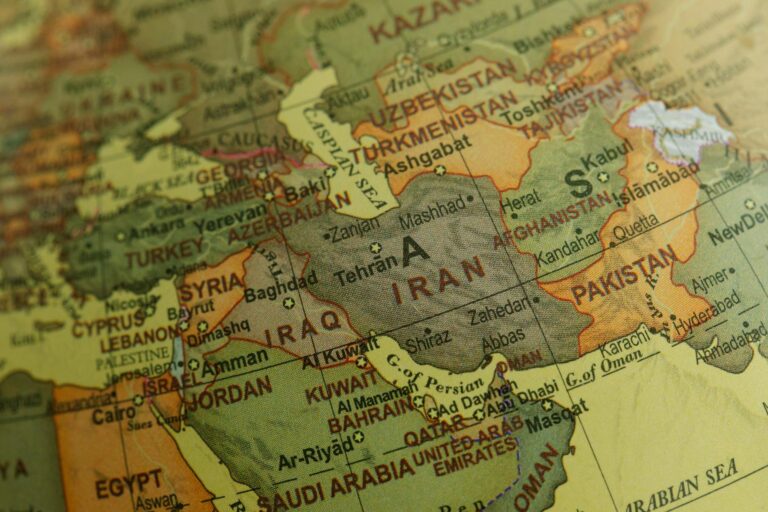
Hakeem Jeffries Says Trump “Cannot Articulate a Plan” for Iran
House Democratic Leader Hakeem Jeffries has sharply criticized the Trump administration for launching massive military strikes against Iran on February...

Massie and Khanna Unite Across Party Lines to Force a Congressional Vote on Iran War
Rep. Ro Khanna and Rep. Thomas Massie are forcing Congress to confront a question it has dodged for decades: whether the president can take…

Bernie Sanders Calls It an “Illegal, Premeditated and Unconstitutional War”
Senator Bernie Sanders has formally declared the Trump administration's military strikes against Yemen an "illegal, premeditated and unconstitutional...

Fetterman Breaks With Democrats: “Trump Has Been Willing to Do What’s Right”
Senator John Fetterman of Pennsylvania has become one of the most unpredictable figures in American politics, openly praising former President Donald...

Iran Attacks Airports in Dubai and Kuwait — Civilian Flights Grounded Across the Region
On February 28, 2026, Iran launched a massive retaliatory strike against multiple Gulf Arab states, hitting Dubai International Airport — the world's...

Lebanon Closes All Airspace After U.S.-Israel Strikes Begin
Despite widespread reports that Lebanon closed all airspace following the joint U.S.-Israeli strikes on Iran on February 28, 2026, the reality is more...

Iran Strikes Oman — The Same Country That Was Trying to Broker Peace
In late February 2026, Iran launched a series of missile and drone strikes against targets in Oman, a Gulf state that had spent months…

JD Vance Watched the Iran War Unfold From the White House Situation Room
On February 28, 2026, Vice President JD Vance sat in the White House Situation Room in Washington, D.C.

Trump Monitored Strikes From a Makeshift Situation Room at Mar-a-Lago
During a series of U.S. military strikes in March 2025, President Donald Trump monitored operations not from the White House Situation Room but from…

U.S. Uses Low-Cost Attack Drones in Combat for the First Time Ever
On February 28, 2026, the U.S. military confirmed it had used low-cost one-way attack drones in combat for the first time ever, deploying the…

Pentagon Says Strikes Launched From Air, Land, and Sea Simultaneously
On February 28, 2026, the Pentagon confirmed that the United States launched precision munitions from air, land, and sea simultaneously against Iranian...

Iran’s Internet Goes Down — 88 Million People Cut Off From the World
On January 8, 2026, the Iranian government pulled the plug on the internet for approximately 88 million people, executing what digital rights...

Kuwait International Airport Hit by Iranian Missiles in Retaliation
On the evening of February 28, 2026, Kuwait International Airport was struck by Iranian drones as part of Tehran's sweeping retaliatory response to joint...

Iran’s Military Chief of Staff Abdolrahim Mousavi Confirmed Killed
Major General Sayyid Abdolrahim Mousavi, the Chief of Staff of Iran's Armed Forces, was confirmed killed on March 1, 2026, according to Iranian state...

Netanyahu Says Israel Killed Khamenei — “This Tyrant No Longer Exists”
On February 28, 2026, Israeli Prime Minister Benjamin Netanyahu announced that Israel had killed Iran's Supreme Leader Ayatollah Ali Khamenei in a...

Trump Warns Iran: Hit Us Again and You’ll Face “A Force That Has Never Been Seen Before”
President Trump issued a stark warning to Iran in the early hours of March 1, 2026, threatening to unleash "a force that has never…
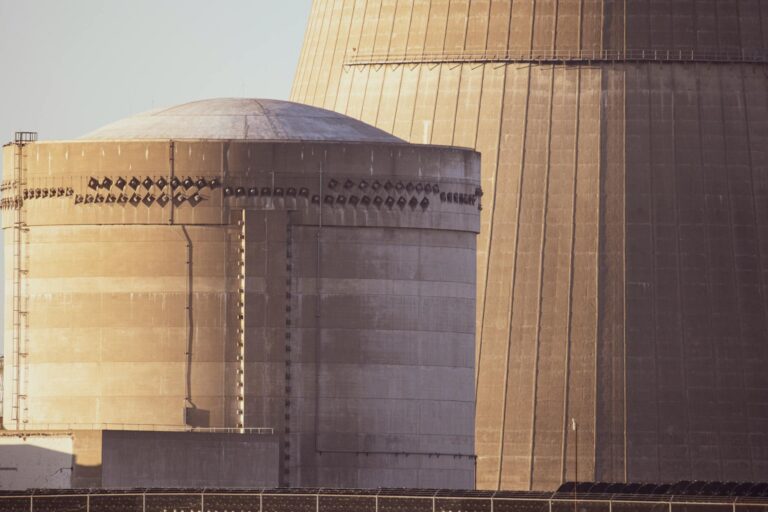
Oman Said a Nuclear “Breakthrough” Was Reached With Iran Just Hours Before Bombs Fell
Yes, Oman's Foreign Minister Badr Albusaidi publicly declared that a nuclear "breakthrough" had been reached with Iran — one he said had "never been...

Iran Retaliates With Missiles on Israel — 8 Killed Near Jerusalem Including Synagogue Attack
On March 1, 2026, an Iranian ballistic missile scored a direct hit on a synagogue in Beit Shemesh, a city near Jerusalem, killing nine…