Natural gas prices are spiking dramatically alongside crude oil as Iranian retaliatory strikes disrupt two of the most critical chokepoints in global energy markets. Following joint U.S.–Israel military strikes on Iran that began February 28, 2026, Iranian drone attacks hit Qatari LNG facilities, forcing QatarEnergy — the world’s largest LNG producer — to halt all production. European benchmark gas prices surged roughly 45–50%, Asian LNG benchmarks jumped about 39%, and U.S. natural gas futures climbed around 6%, according to reporting from Euronews, Bloomberg, and NBC News. Brent crude, meanwhile, surged 9–13% intraday to above $82 per barrel, its highest level since January 2025.
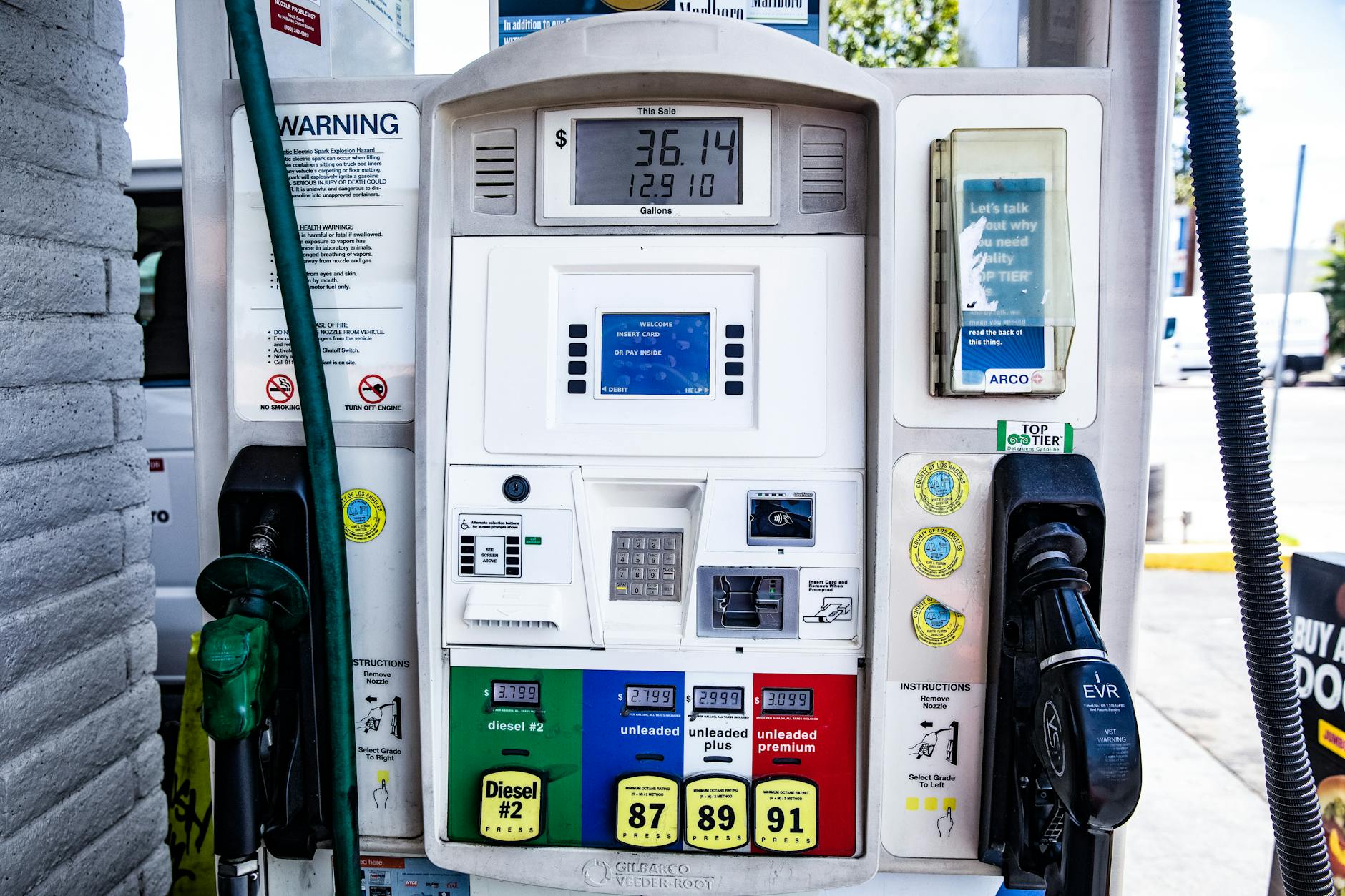
The energy shock is compounding fast. The Strait of Hormuz, through which roughly 20 million barrels of oil per day normally transit — representing 20–30% of global supply — has seen a 70% reduction in shipping traffic according to vessel-tracking firm Kpler. Major shipping companies Maersk and Hapag-Lloyd have suspended all crossings. American consumers are already feeling it at the pump, with the national average gasoline price rising to $2.99 per gallon and analysts warning of increases of 10 to 30 cents on average, with some stations potentially seeing spikes as high as 85 cents. This article breaks down how the crisis unfolded, what it means for gas and oil markets, and what American households should actually prepare for.
Table of Contents
- Why Are Natural Gas Prices Spiking After Iran Strikes Disrupted Global Markets?
- How the Strait of Hormuz Crisis Is Compounding the Energy Shock
- What the Iran Strikes Mean for U.S. Gasoline Prices
- How Does This Compare to Previous Oil Shocks — and What Should Consumers Do?
- The Insurance and Shipping Fallout Most People Are Not Watching
- Qatar’s Outsized Role in Global Energy and Why It Was Targeted
- Where Do Energy Markets Go From Here?
- Conclusion
- Frequently Asked Questions
Why Are Natural Gas Prices Spiking After Iran Strikes Disrupted Global Markets?
The natural gas price surge is driven primarily by the sudden shutdown of Qatar’s LNG operations. On March 2, Qatar’s Defence Ministry confirmed that two drones launched from iran struck targets at Ras Laffan Industrial City and Mesaieed Industrial City — one targeting a water tank at a Mesaieed power plant, the other hitting a QatarEnergy facility at Ras Laffan. No human casualties were reported, but QatarEnergy halted all LNG production as a precaution, according to Al Jazeera and CNBC. Qatar supplies approximately 20% of the world’s liquefied natural gas, so even a temporary shutdown sends shockwaves through global supply chains. The scale of the price reaction reflects just how dependent major economies are on Qatari gas. European countries that had already been scrambling to diversify away from Russian gas since 2022 are now facing a second supply crisis. The 45–50% spike in European benchmark gas prices, reported by Euronews, is particularly alarming heading into the final stretch of winter, when heating demand remains significant. Asian buyers, who compete directly with Europe for LNG cargoes, saw their benchmark jump roughly 39% per Bloomberg.
For context, the U.S. natural gas market — which is more insulated due to domestic shale production — still saw futures rise about 6%, while fuel futures for transportation and industrial use spiked more than 14%, per NBC News. The difference between the U.S. and European reactions is worth noting. America produces most of its own natural gas and has been a net exporter of LNG. But the global market is interconnected. When European and Asian buyers are willing to pay dramatically more for available cargoes, American LNG exporters have an incentive to ship more abroad, which can tighten domestic supply and push prices up for U.S. consumers and manufacturers too.

How the Strait of Hormuz Crisis Is Compounding the Energy Shock
The Qatari LNG disruption would be serious enough on its own, but it is unfolding simultaneously with a near-closure of the Strait of Hormuz — arguably the most important oil transit chokepoint on the planet. Ship-tracking data from Kpler shows a 70% reduction in traffic through the strait since the crisis began on February 28. That matters because roughly 20 million barrels of crude oil move through the Strait of Hormuz every single day, according to Al Jazeera. What is particularly notable is how the strait is being shut down without a physical blockade. The Washington Post has reported that insurance companies are withdrawing coverage for vessels transiting the area, which effectively closes the strait to commercial shipping even if no mines have been laid or naval cordon established. When insurers will not cover a voyage, shipping companies will not make it.
Maersk and Hapag-Lloyd — two of the world’s largest container shipping firms — officially suspended all vessel crossings, citing crew safety concerns per CNBC. However, if the insurance situation changes or a U.S. naval escort corridor is established, traffic could resume more quickly than markets currently expect. The danger is that markets are pricing in a worst-case scenario, and if the crisis resolves faster than anticipated, anyone who panic-bought commodities or locked in contracts at inflated prices could find themselves overpaying. On the other hand, if the conflict escalates further — and President Trump has signaled it could last longer than a few weeks, according to CNN — then current prices may actually prove to be a floor rather than a ceiling. Analysts quoted by CNBC have warned oil could top $100 per barrel if disruptions are prolonged.
What the Iran Strikes Mean for U.S. Gasoline Prices
American drivers are already seeing the first effects at the pump. According to NPR, the national average gasoline price has risen to $2.99 per gallon, up 5 cents since Sunday. That may sound modest, but the crude oil price surge has barely had time to work through the refining and distribution chain. The real pain is likely still ahead. Patrick De Haan, a widely cited analyst at GasBuddy, has estimated that prices could rise 10 to 30 cents per gallon on average, with some stations — particularly in regions dependent on imported crude or with limited refining capacity — potentially seeing increases as high as 85 cents per gallon, according to NBC News.
That kind of station-level variation is important. A driver in Houston, near major refining hubs, will experience a very different price impact than someone in rural New England who depends on fuel trucked long distances from coastal terminals. For households already stretched by years of elevated costs for groceries, housing, and insurance, even a 15- to 20-cent increase in gasoline prices has a meaningful budget impact. A family driving 1,000 miles per month in a vehicle getting 25 miles per gallon would burn 40 gallons — meaning a 20-cent increase costs an extra $8 per month. That number scales quickly for commuters, delivery drivers, and small businesses running vehicle fleets.

How Does This Compare to Previous Oil Shocks — and What Should Consumers Do?
The current crisis bears some resemblance to previous supply disruptions but with distinct features. The 1973 Arab oil embargo, the 1990 Iraqi invasion of Kuwait, and the 2022 Russian invasion of Ukraine all produced sharp price spikes. The key difference now is that both oil and natural gas markets are being hit simultaneously, and the disruption affects not just production but transit infrastructure. In 2022, oil prices spiked above $120 per barrel but natural gas disruptions played out over months as Europe weaned off Russian pipeline gas. Here, the Qatar LNG halt is immediate and total. For consumers weighing what to do, the tradeoff is between acting now and waiting. Locking in home heating fuel contracts at today’s prices, for instance, could save money if the crisis worsens — but it could also mean overpaying if a diplomatic resolution emerges within days.
The same logic applies to filling up your gas tank. Topping off now at $2.99 per gallon looks smart if prices climb 30 cents, but it is not worth hoarding or panic-buying. Gasoline has a shelf life, and the U.S. Strategic Petroleum Reserve exists precisely for situations like this. Whether the current administration decides to tap it remains an open political question. The more practical advice is to review your household’s energy exposure broadly. If you heat with natural gas, your utility may offer budget billing that smooths out monthly costs. If you drive frequently, this is a reasonable moment to evaluate whether consolidating trips, carpooling, or shifting to public transit for part of your commute could blunt the impact.
The Insurance and Shipping Fallout Most People Are Not Watching
While crude oil and gasoline prices dominate headlines, the shipping and insurance disruption in the Strait of Hormuz may have longer-lasting consequences that affect consumer prices well beyond energy. The strait is not only an oil chokepoint — it is a major corridor for container shipping, petrochemical exports, and fertilizer shipments. When Maersk and Hapag-Lloyd suspend crossings, it is not just oil tankers that stop. Everything from electronics components to agricultural inputs can be delayed. The insurance withdrawal dynamic deserves particular attention because it can outlast the military conflict itself.
After the Houthi attacks on Red Sea shipping in 2024, some insurers took months to resume coverage at pre-crisis rates even after the security situation improved. If the same pattern holds here, shipping costs through the Strait of Hormuz could remain elevated well into the second half of 2026, adding inflationary pressure to a wide range of imported goods. This is the kind of second-order effect that does not show up in the gas price at your local station but quietly raises the cost of everything from plastic packaging to fresh produce. Consumers should be especially wary of opportunistic price increases from companies that use energy disruptions as cover for margin expansion. During the 2022 energy crisis, multiple investigations found that some fuel retailers and consumer goods companies raised prices faster and higher than their actual cost increases justified. Vigilance from regulators — and consumers — matters.

Qatar’s Outsized Role in Global Energy and Why It Was Targeted
Qatar’s energy infrastructure was not a random target. The country supplies roughly 20% of the world’s LNG, making it the single most consequential node in global gas trade. Iran’s decision to strike Qatari facilities — hitting both Ras Laffan Industrial City, the heart of Qatar’s LNG export operations, and Mesaieed Industrial City, a major petrochemical and power generation hub — appears designed to maximize economic disruption against countries aligned with the U.S.–Israel military campaign.
📨 Get Free Accountability Coverage Alerts
Free · No spam · Unsubscribe anytime
The strategic calculus is straightforward: Iran cannot match American or Israeli military firepower, but it can inflict enormous economic pain by threatening the energy infrastructure of Gulf neighbors. The fact that two relatively small drone strikes — neither of which caused human casualties — were enough to shut down the entire Qatari LNG operation underscores just how vulnerable concentrated energy infrastructure is to asymmetric attacks. It is a warning that applies not just to Qatar but to LNG terminals, refineries, and pipeline networks worldwide.
Where Do Energy Markets Go From Here?
The trajectory of oil and natural gas prices depends almost entirely on the duration and scope of the conflict. If the U.S.–Iran hostilities remain limited and a ceasefire or de-escalation occurs within weeks, markets will likely correct sharply downward. The speed of the initial price spike reflects fear and uncertainty as much as actual supply loss, and traders will be quick to take profits if the threat recedes.
But the more concerning scenario — and the one that analysts at CNBC and elsewhere are taking seriously — is a prolonged conflict that keeps the Strait of Hormuz effectively closed and Qatari LNG offline for months. In that case, oil above $100 per barrel becomes realistic, gasoline above $4 per gallon returns to American pumps, and a global recession triggered by energy costs enters the conversation. President Trump’s own comments suggesting the conflict could last longer than a few weeks have done nothing to calm those fears. For American consumers and businesses, the best posture right now is cautious preparation without panic — and close attention to developments that the market is not yet pricing in.
Conclusion
The simultaneous disruption of oil transit through the Strait of Hormuz and the shutdown of Qatar’s massive LNG production represents one of the most significant energy market shocks in years. With Brent crude above $82, European gas prices up 45–50%, and U.S. gasoline already climbing toward $3 per gallon with further increases expected, the financial impact on American households is real and growing.
The insurance-driven closure of the strait, the vulnerability of concentrated energy infrastructure to drone strikes, and the uncertain duration of the U.S.–Iran conflict all point to a period of sustained volatility. For consumers, the immediate priorities are straightforward: monitor fuel prices, avoid panic buying, review household energy costs, and pay attention to whether the administration taps the Strategic Petroleum Reserve or takes other steps to cushion the blow. For policymakers, this crisis is a stark reminder of the risks of dependence on a small number of energy chokepoints and the cascading consequences when those chokepoints are disrupted. The next few weeks will determine whether this is a sharp but temporary shock or the beginning of a much more painful chapter for global energy markets.
Frequently Asked Questions
How much could gasoline prices rise because of the Iran strikes?
According to GasBuddy analysis cited by NBC News, the national average could rise 10 to 30 cents per gallon, with some individual stations seeing increases as high as 85 cents depending on their location and supply chain.
Why did natural gas prices spike even though the U.S. produces its own gas?
Qatar supplies about 20% of global LNG. When QatarEnergy halted production, European and Asian buyers began competing aggressively for alternative supplies, including U.S. LNG exports. That global demand pressure pushes U.S. prices up even though domestic production continues.
Is the Strait of Hormuz actually blocked?
Not physically, but effectively yes. Insurance companies have withdrawn coverage for vessels transiting the strait, and major shipping lines including Maersk and Hapag-Lloyd have suspended crossings. Ship-tracking data from Kpler shows a 70% reduction in traffic.
Could oil prices reach $100 per barrel?
Analysts cited by CNBC have warned that $100-plus oil is possible if the disruptions to the Strait of Hormuz and Qatari energy production are prolonged. The outcome depends heavily on the duration and escalation of the conflict.
Will the U.S. release oil from the Strategic Petroleum Reserve?
That has not been announced as of early March 2026. The SPR exists for exactly this type of supply disruption, but the decision to tap it is a political one that the administration has not yet made publicly.
How long could this energy disruption last?
President Trump has signaled the conflict could last longer than a few weeks. If that proves accurate, energy markets could face sustained elevated prices for months, particularly if Qatari LNG facilities require physical repairs before resuming production.
You Might Also Like
- The Iran War Could Disrupt Global Food Supplies and International Grain Markets
- Religious Leaders Across Faiths Are Deeply Divided on the Morality of the Iran Strikes
- OPEC Emergency Meeting Called After Strikes Hit Major Oil-Producing Region