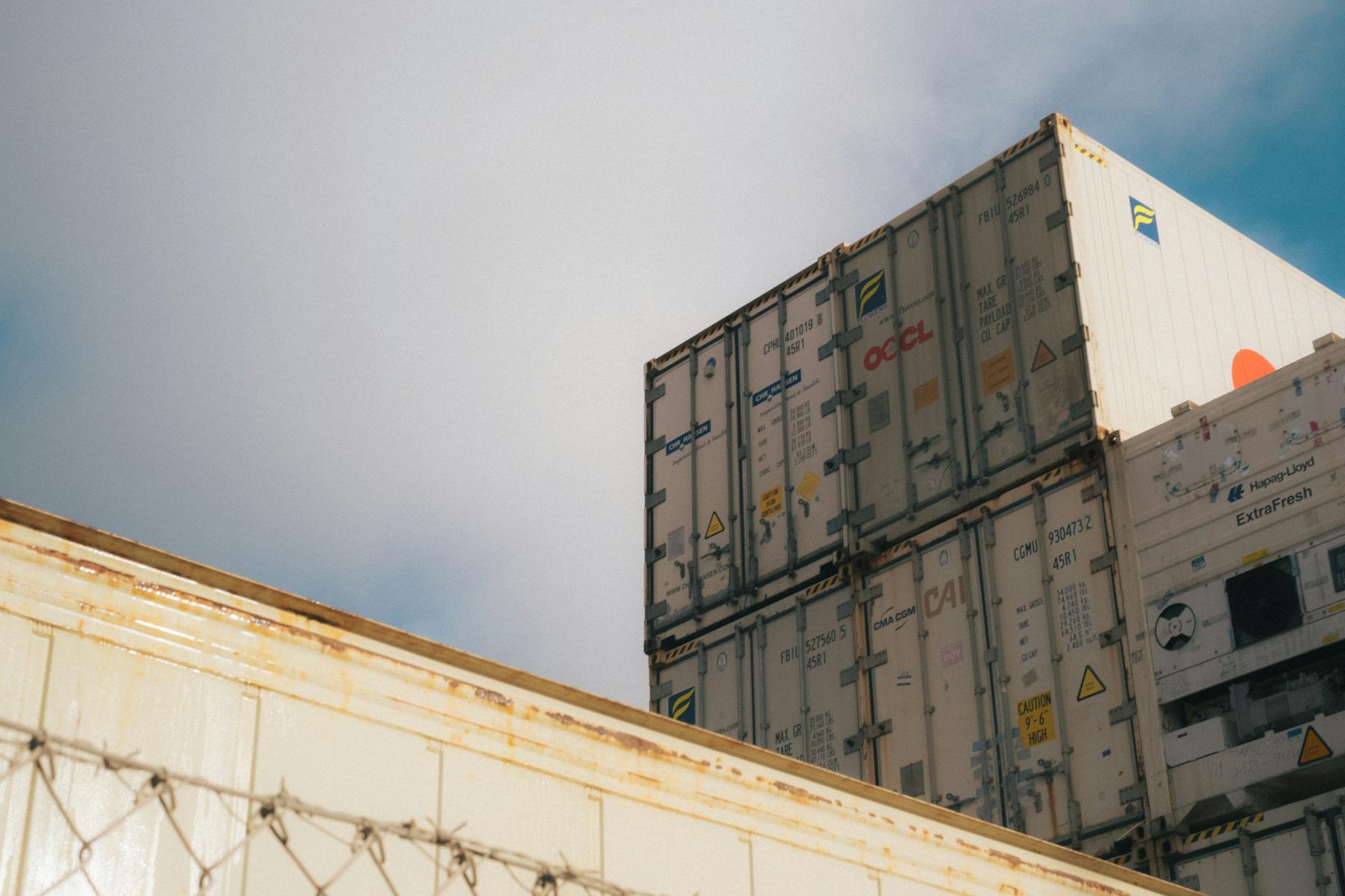
Global supply chains are in crisis. Following the joint U.S. and Israeli military strikes on Iran on February 28, 2026, the Strait of Hormuz — the single most important chokepoint for global energy and commodity trade — has effectively shut down to commercial shipping. Vessel traffic through the Strait has dropped roughly 70 percent, with over 150 ships anchoring outside the passage to avoid risk. Maersk, Hapag-Lloyd, CMA CGM, and MSC have all formally suspended transits. The disruption is not theoretical or speculative.
It is happening now, and its consequences are rippling across oil markets, agriculture, pharmaceuticals, automotive manufacturing, and technology supply chains worldwide. The immediate trigger was Iran’s retaliation against the strikes, which reportedly killed Supreme Leader Ayatollah Ali Khamenei and other top officials. Iran’s Islamic Revolutionary Guard Corps issued radio warnings prohibiting vessel passage through the Strait, and missile and drone attacks targeted Israeli territory and U.S. military bases in Gulf states. Maritime insurance providers responded by issuing cancellation notices for war risk coverage effective March 5, 2026, and premiums for Persian Gulf transit have already risen 50 percent. The Strait is not physically blockaded — it is economically blockaded, because no insurer will cover the risk of sailing through it. This article breaks down what that means for energy prices, food supplies, pharmaceutical access, vehicle production, and the broader economic outlook heading into mid-2026.
Table of Contents
- How Did the Iran War Expand Into a Global Supply Chain Crisis?
- The Fertilizer Crisis Nobody Is Talking About
- Pharmaceutical Supply Chains Under Acute Pressure
- What the Oil Price Surge Means for American Consumers
- Technology and Automotive Sectors Face Extended Disruption
- The Insurance Industry as an Invisible Chokepoint
- What Comes Next for Global Supply Chains
- Conclusion
- Frequently Asked Questions
How Did the Iran War Expand Into a Global Supply Chain Crisis?
The Strait of Hormuz handles approximately 20 million barrels of oil per day, accounting for roughly 20 percent of global oil demand. It also carries 22 percent of global liquefied natural gas exports, nearly all of it originating from Qatar. When Iran’s IRGC issued its prohibition on vessel passage and insurance companies pulled war risk coverage, the commercial shipping industry did the math and stopped sailing. This is a crucial distinction from past tensions in the region — previous flare-ups caused price spikes but kept cargo moving. This time, the cargo has stopped. Brent crude surged to a 52-week high, climbing between 7.6 and 13 percent to around $78 to $82 per barrel. West Texas Intermediate rose over 7.4 percent to approximately $72.01.
Multiple analysts have warned that a prolonged disruption could push oil prices above $100 per barrel, and worst-case scenarios could trigger a global economic recession. For context, the last time oil sustainably traded above $100 was during the aftermath of Russia’s invasion of Ukraine in 2022, which contributed to the inflation crisis that central banks spent two years fighting. The current disruption has the potential to be far more severe because the Strait of Hormuz handles a larger share of global energy trade than any route affected by the Russia-Ukraine conflict. Hapag-Lloyd has already imposed a War Risk Surcharge of $1,500 per twenty-foot equivalent unit and $3,500 per container for refrigerated and special equipment. These costs will be passed downstream to importers, manufacturers, and ultimately consumers. Supply chain experts estimate that delays from this disruption could take months to reset, with effects persisting through the first quarter and potentially into early summer 2026. Approximately 170 container ships and various other vessels are reportedly trapped in or near the conflict zone.
The Fertilizer Crisis Nobody Is Talking About
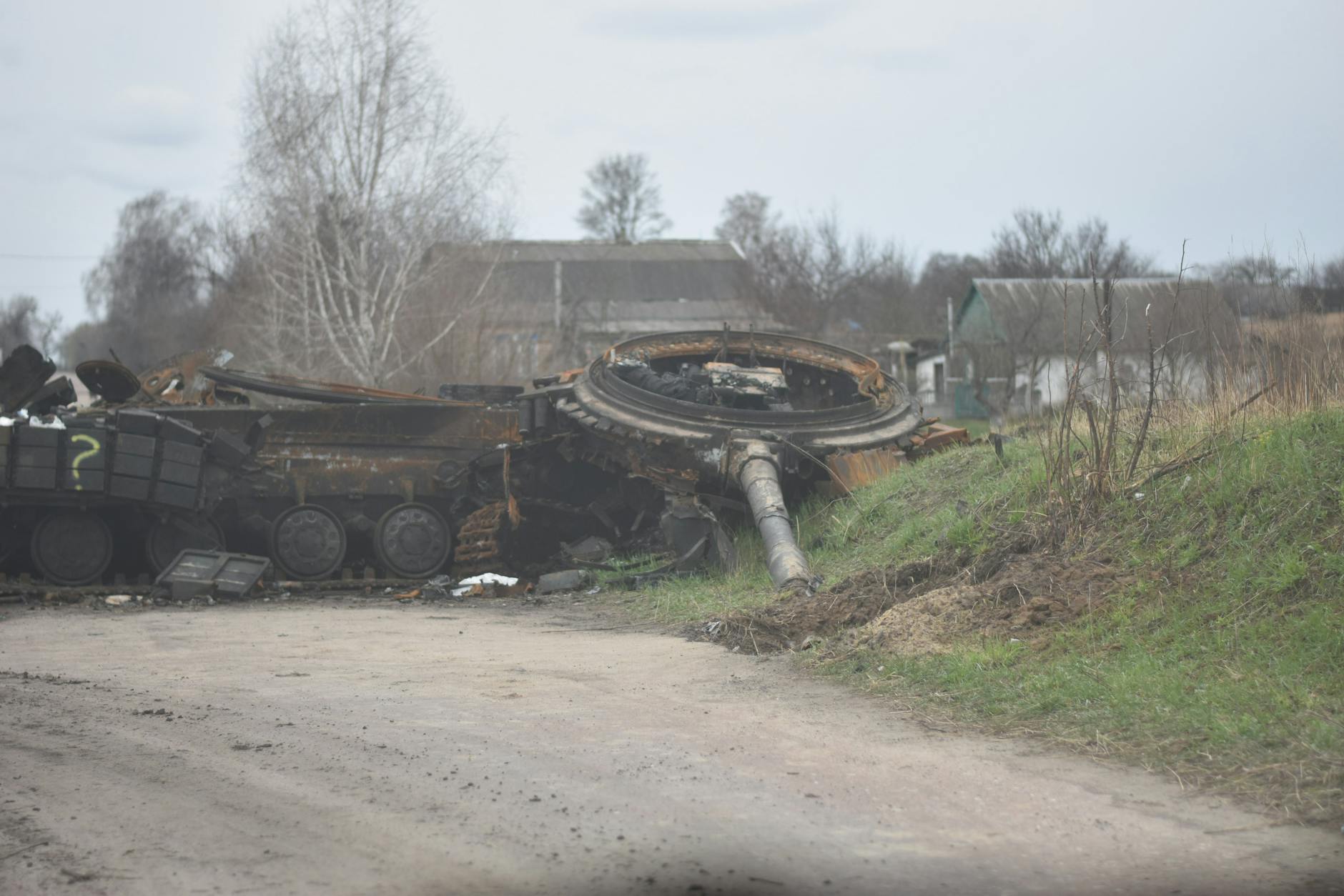
While oil prices dominate the headlines, the more consequential supply chain disruption may be in fertilizer. The Gulf region produces some of the world’s largest fertilizer supplies, and the Strait of Hormuz handles roughly one-third of global trade in crop nutrients. Qatar is the world’s largest urea exporter, and every ton of it ships through Hormuz. With the Strait effectively closed, that supply is stranded. The timing could not be worse. Northern Hemisphere spring planting is underway right now, and nitrogen fertilizer is essential for crop yields.
Farmers who cannot secure fertilizer in the next few weeks face a narrow window — if supplies do not resume soon, the planting season will proceed with reduced inputs, which means lower crop yields later in 2026. Analysts at Bloomberg have reported that a prolonged disruption could cause significant food price spikes in South Asia and Latin America, regions that are heavily dependent on imported fertilizer and where food costs already consume a disproportionate share of household income. However, the severity of the agricultural impact depends heavily on how long the disruption lasts. If commercial shipping through the Strait resumes within two to three weeks, most spring planting schedules can still be met with delayed deliveries and drawdowns from existing inventory. If the closure extends beyond a month, the downstream effects on food prices become much harder to contain, and governments in vulnerable regions may need to intervene with subsidies or emergency procurement from alternative suppliers. The problem is that there are no alternative suppliers at the scale Qatar provides — this is not a market where you simply switch vendors.
Pharmaceutical Supply Chains Under Acute Pressure
Air freight costs have spiked 400 percent in 48 hours, according to industry reports, and the pharmaceutical sector is feeling the impact immediately. The vast majority of Indian pharmaceutical exports transit through waters affected by the conflict, and India is the world’s largest supplier of generic medications. Dr. Reddy’s, one of India’s major pharmaceutical companies, has already warned of inventory shortages as emergency air detours face severe capacity constraints. This matters for American consumers and health systems in a very direct way.
The United States imports a significant share of its generic drugs from India, including common antibiotics, blood pressure medications, and diabetes treatments. When shipping routes are disrupted and air freight capacity is constrained, the medications that millions of Americans rely on daily become harder to source. Hospitals and pharmacies that operate on lean inventory models — which is most of them — could see spot shortages within weeks if the disruption continues. The pharmaceutical supply chain is particularly fragile because many of these drugs have temperature-sensitive storage requirements, which is exactly the category hit hardest by Hapag-Lloyd’s $3,500 per container reefer surcharge. Even when alternative routing is available, the added cost and transit time for refrigerated pharmaceutical cargo creates a compounding problem: higher prices, longer delays, and increased risk of spoilage for products that cannot tolerate extended time in transit.
What the Oil Price Surge Means for American Consumers
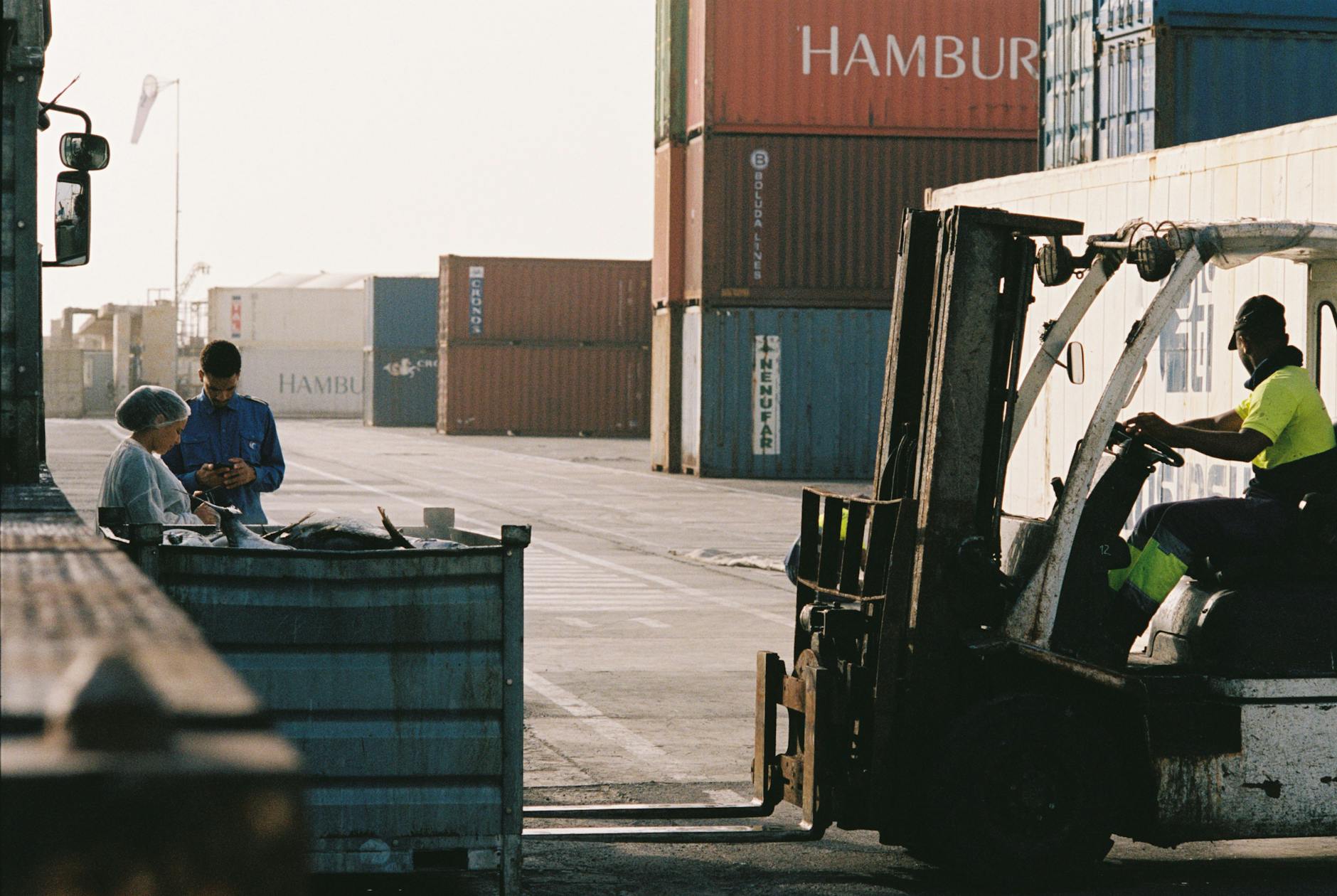
For American households, the most immediate and visible impact will be at the gas pump. When Brent crude rises from the mid-$70s toward $80 or above, retail gasoline prices typically follow within one to two weeks. If analysts are correct that a prolonged disruption could push oil above $100 per barrel, Americans could see gas prices climb significantly heading into the spring and summer driving season — a period when demand is already at its seasonal peak. The tradeoff for the Trump administration is stark. The military strikes on Iran achieved their stated objectives, but the economic blowback is arriving faster than any diplomatic resolution can contain it. The Strategic Petroleum Reserve could be tapped to moderate price increases, as previous administrations have done during supply shocks, but the SPR was already drawn down substantially during the 2022 energy crisis and has not been fully replenished.
Releasing reserves would provide a short-term buffer at the cost of reducing the nation’s emergency cushion for future disruptions. The alternative — allowing prices to rise while pursuing diplomatic or military solutions to reopen the Strait — carries its own political and economic costs, particularly with inflation having only recently come under control. Energy price increases also cascade through the broader economy in ways that are less visible but equally significant. Higher diesel costs raise the price of trucking, which raises the price of everything that moves by truck — which is nearly everything. Higher natural gas costs raise the price of electricity, manufacturing inputs, and home heating. The concern among economists is not just the direct impact of higher oil, but the second-order inflation effects that could force the Federal Reserve to reconsider its interest rate trajectory at exactly the wrong moment.
Technology and Automotive Sectors Face Extended Disruption
The technology sector’s reliance on just-in-time delivery makes it particularly vulnerable to shipping disruptions of this magnitude. Microchips and consumer electronics components that were in transit through the Gulf are now stranded, and the approximately 170 vessels trapped in or near the conflict zone include cargo destined for assembly plants across Asia and North America. EV batteries and semiconductors earmarked for 2026 production are among the stranded goods, which means the impact will not be limited to current inventory — it will affect manufacturing schedules months from now. Microsoft Azure and Amazon Web Services have reportedly begun investigating latency spikes at Middle Eastern data center nodes following missile strikes near Dubai and Doha hubs. While this is not a supply chain issue in the traditional sense, it underscores how deeply interconnected global infrastructure has become with the physical geography of the Gulf region.
Cloud computing services that businesses rely on for daily operations are vulnerable to the same geopolitical risks as container shipping. The automotive sector faces a dual problem. Soaring energy and petrochemical costs are disrupting supply chains for both electric and internal combustion engine vehicles. Petrochemicals are essential inputs for plastics, rubber, coatings, and dozens of other automotive components. Production disruptions in the auto sector could extend into summer 2026, according to industry analysts, which would compound existing challenges with EV battery supply and semiconductor availability. For consumers, this likely means higher vehicle prices and longer wait times for new car orders placed in the coming months.
📨 Get Free Accountability Coverage Alerts
Free · No spam · Unsubscribe anytime

The Insurance Industry as an Invisible Chokepoint
One of the most important and least understood aspects of this crisis is the role of maritime insurance. The Strait of Hormuz is not closed because of mines, naval vessels, or physical barriers. It is closed because insurance companies will not cover ships that sail through it. When major providers issued cancellation notices for war risk coverage effective March 5, 2026, they effectively imposed a commercial blockade more complete than any military operation could achieve.
A ship without insurance cannot dock at most ports, cannot secure financing, and cannot operate legally under international maritime law. This creates a perverse dynamic where even a ceasefire or de-escalation may not immediately reopen the Strait. Insurance companies will need to reassess risk, issue new policies, and adjust premiums — a process that takes weeks, not days. The 50 percent increase in maritime insurance premiums for the Persian Gulf that has already occurred will persist long after the immediate military threat subsides, adding a durable cost increase to every commodity that transits the region.
What Comes Next for Global Supply Chains
Supply chain experts estimate that even under an optimistic scenario — where the Strait of Hormuz reopens to commercial traffic within weeks — the cascading effects of this disruption will persist through the first quarter and potentially into early summer 2026. Ships need to be repositioned, insurance needs to be reinstated, port schedules need to be rebuilt, and the backlog of stranded cargo needs to be cleared. The 2021 Suez Canal blockage, caused by a single container ship running aground for six days, took months to fully resolve in terms of schedule normalization. The current disruption is orders of magnitude larger.
The longer-term question is whether this crisis accelerates the restructuring of global supply chains away from chokepoint-dependent routes. Companies that were already diversifying supply sources after the COVID-19 pandemic and the Suez incident now have a third major disruption in five years to justify the expense of building redundancy. But redundancy is expensive, and for commodities like Qatari LNG and Gulf-region fertilizer, there simply are no alternative sources at comparable scale. The world’s supply chain architecture was built around the assumption that the Strait of Hormuz would remain open. That assumption has now been tested, and it failed.
Conclusion
The expanding Iran war has produced the most significant global supply chain disruption since the COVID-19 pandemic, and in some sectors — particularly energy and fertilizer — it may prove more severe. The effective closure of the Strait of Hormuz has stranded approximately 170 vessels, driven Brent crude to 52-week highs, triggered a 400 percent spike in air freight costs, and threatened Northern Hemisphere spring planting by cutting off one-third of global fertilizer trade. Every major container shipping line has suspended transits, and the withdrawal of maritime insurance has created a commercial blockade that will outlast the military conflict itself.
For American consumers, the impacts will arrive in waves: gas prices first, then food and pharmaceutical costs, then vehicle prices and technology product availability. The disruption is not a single event but a cascading series of supply chain failures that will take months to unwind. Policymakers, businesses, and households should prepare for a period of elevated prices and intermittent shortages across multiple sectors, and should track developments closely as the situation in the Gulf continues to evolve.
Frequently Asked Questions
How long could the Strait of Hormuz remain closed to commercial shipping?
Supply chain experts estimate the disruption could persist through Q1 2026 and potentially into early summer. Even after military tensions ease, the reinstatement of maritime insurance and repositioning of vessels will add weeks to the recovery timeline.
Will gas prices go up because of the Iran war?
Yes. Brent crude has already surged 7.6 to 13 percent, and analysts warn prolonged disruption could push oil above $100 per barrel. Retail gas prices typically follow crude oil increases within one to two weeks.
How does the Strait of Hormuz closure affect food prices?
The Strait handles roughly one-third of global trade in crop nutrients, and Qatar — the world’s largest urea exporter — ships entirely through Hormuz. Disruption during the Northern Hemisphere spring planting season could cause crop yield drops and food price spikes later in 2026, particularly in South Asia and Latin America.
Are pharmaceutical shortages expected in the United States?
There is a risk. The majority of Indian pharmaceutical exports transit through affected waters, and air freight costs have spiked 400 percent. Dr. Reddy’s has already warned of inventory shortages. Generic medications commonly used in the U.S. could face spot shortages if the disruption continues beyond a few weeks.
What shipping companies have suspended Strait of Hormuz transits?
Maersk, Hapag-Lloyd, CMA CGM, and MSC — the world’s four largest container shipping lines — have all issued formal suspension notices. Hapag-Lloyd has imposed a War Risk Surcharge of $1,500 per TEU.
You Might Also Like
- The Iran War Could Disrupt Global Food Supplies and International Grain Markets
- War Crimes Allegations Are Already Emerging From the Iran Bombing Campaign
- Trump’s MAGA Base Is Divided Over the Iran War — Not Everyone Is on Board