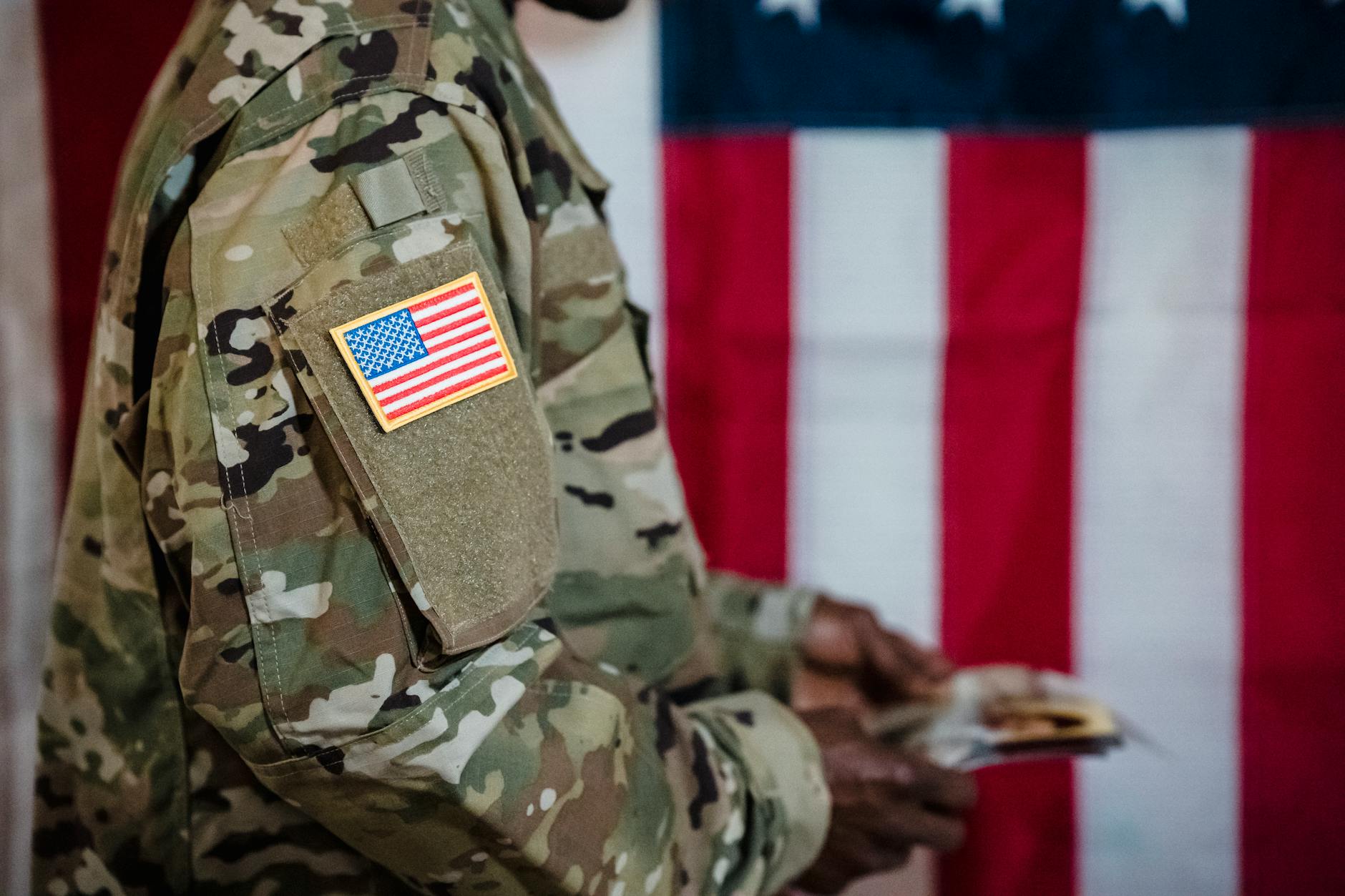
Active duty military members are, as a matter of law and regulation, prohibited from publicly criticizing the President, Congress, the Secretary of Defense, and other senior officials in the chain of command. This restriction comes from Article 88 of the Uniform Code of Military Justice, which makes “contemptuous words” against civilian leadership a court-martial offense for commissioned officers, and from Article 134, which can be applied to enlisted personnel who make disloyal statements that undermine good order and discipline. But military family members — spouses, parents, children, siblings — are private citizens who retain their full First Amendment rights, including the right to attend protests, write op-eds, post on social media, and publicly oppose any war or military policy they choose. This distinction matters more than ever during periods of controversial military deployments or shifting defense policy.
When the Trump administration expanded certain overseas operations and repositioned forces in ways that drew public criticism, military families became some of the most credible and visible voices of dissent precisely because their loved ones could not speak. Gold Star families, military spouse advocacy groups, and veterans’ relatives have historically filled this gap — from the Iraq War era to the present. The legal framework is clear, but the practical reality is more complicated, involving social pressure within military communities, fears of retaliation against the service member, and the blurred lines of social media. This article breaks down exactly what service members can and cannot say, how family members can exercise their rights without jeopardizing a career, what legal protections exist, and where the gray areas lie.
Table of Contents
- Why Can’t Active Duty Military Members Publicly Criticize the War?
- What Military Family Members Are Legally Allowed to Say and Do
- Historical Examples of Military Families Speaking Out Against War
- How Military Families Can Advocate Without Putting Service Members at Risk
- The Gray Areas — Social Media, OPSEC, and Informal Retaliation
- What Happens When Veterans Speak Out After Leaving Service
- The Future of Military Free Speech in an Era of Political Polarization
- Conclusion
- Frequently Asked Questions
Why Can’t Active Duty Military Members Publicly Criticize the War?
The restriction on military speech is rooted in the constitutional principle of civilian control over the armed forces. Article 88 of the UCMJ, which dates back to the original Articles of War, specifically prohibits commissioned officers from using “contemptuous words” against the President, Vice President, Congress, the Secretary of Defense, the Secretary of a military department, the Secretary of Homeland Security, or the Governor or legislature of any state. The prohibition is not limited to formal statements — it applies to social media posts, letters to editors, conversations at public events, and any other communication that could be considered public. In 1965, Second Lieutenant Henry Howe was court-martialed for carrying a sign at an anti-Vietnam War protest that read “Let’s have more than a ‘choice’ between petty, ignorant, fascists in 1Ø68.” He was convicted under Article 88. Enlisted personnel face a slightly different but equally binding set of restrictions. While Article 88 technically applies only to officers, Article 134 — the general article covering conduct prejudicial to good order and discipline — has been used to prosecute enlisted members for disloyal statements.
Department of Defense Directive 1344.10 further restricts all service members from participating in partisan political activities while in uniform, on duty, or in a way that implies official military endorsement. A Marine sergeant posting on Facebook that a particular military operation is “illegal and immoral” could face nonjudicial punishment under Article 15, administrative separation, or in extreme cases, court-martial. The practical effect is a chilling one. Most service members self-censor well beyond what the regulations technically require, avoiding any political commentary that could draw attention from commanding officers. This is not paranoia — careers have ended over social media posts that commanders deemed inappropriate, even when formal charges were never filed. The administrative separation process gives commanders broad discretion, and a characterization of service less than honorable can follow a veteran for life.
What Military Family Members Are Legally Allowed to Say and Do
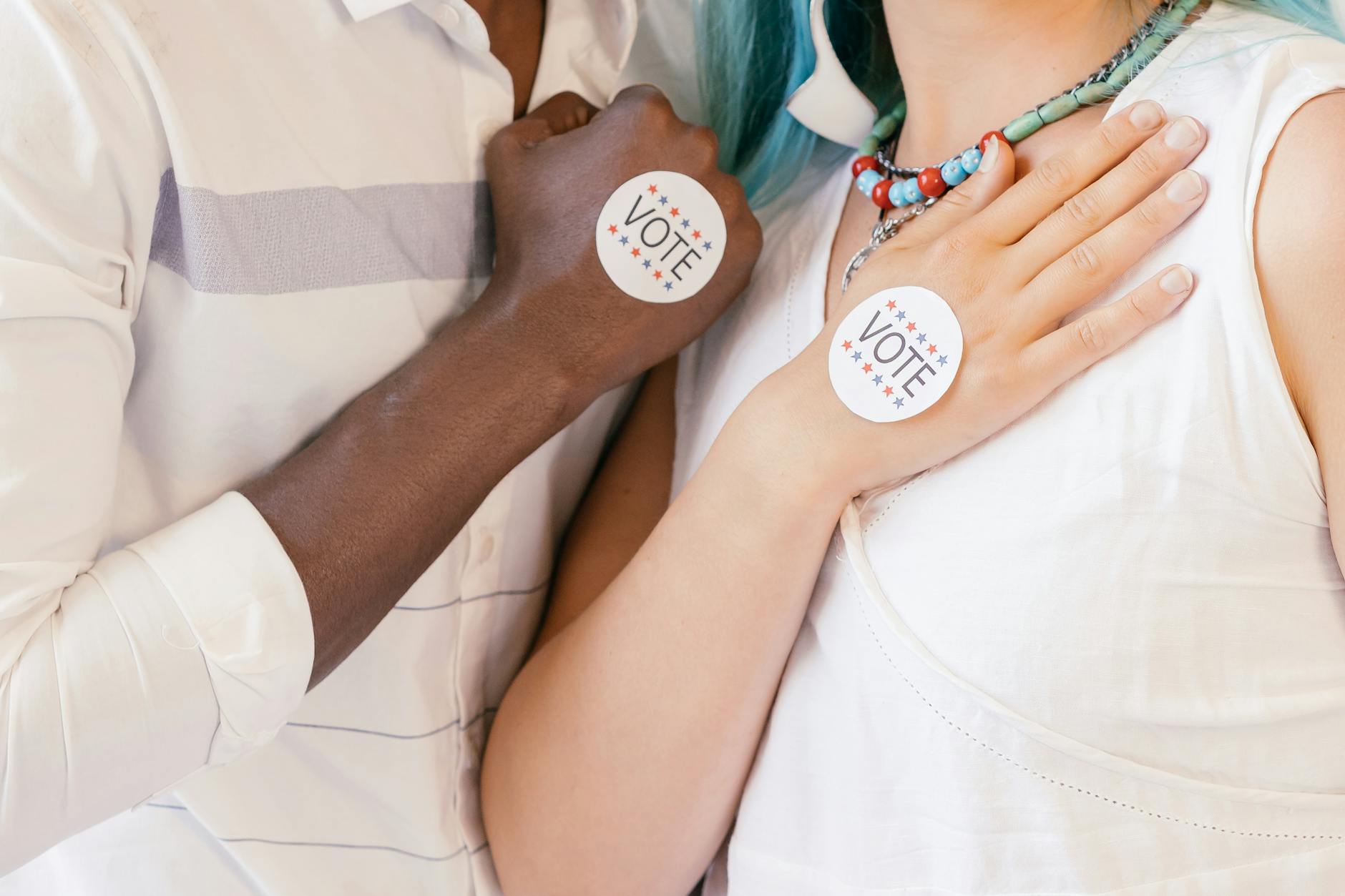
Military spouses, parents, and other family members are civilians. They have not taken an oath to obey the UCMJ, they are not subject to military jurisdiction, and the First Amendment protects their right to speak, assemble, and petition the government without restriction. A military spouse can attend an anti-war rally, write a letter to a senator opposing a deployment, start a blog criticizing defense policy, or give a television interview condemning a military operation. None of this is illegal, and none of it can be the legal basis for action against the service member. However — and this is the critical caveat — there is a difference between what is legally permitted and what carries no consequences. While the military cannot formally punish a service member because of a spouse’s political activity, the social and professional environment of military life creates real pressure.
Commanding officers have informal power over assignments, promotions, and daily quality of life. If a battalion commander’s spouse is publicly campaigning against a deployment that the commander is leading, the resulting tension can affect the service member’s standing in ways that never appear in any official record. Base housing communities are small and insular, and social ostracism from other military families is a documented consequence of vocal dissent. Military families should also understand that their speech cannot be attributed to the service member. If a spouse writes an op-ed, they should not claim to speak for the military, should not use the service member’s rank or unit in a way that implies official endorsement, and should not share classified or operationally sensitive information that the service member may have disclosed at home. Sharing troop movement details, deployment dates, or operational plans — even inadvertently — can create genuine legal jeopardy for the service member under espionage and information security statutes.
Historical Examples of Military Families Speaking Out Against War
The tradition of military families serving as the voice their loved ones cannot use has deep roots in American history. During the Vietnam War, military wives were among the earliest and most effective organizers against the conflict. In 1968, a group of military wives formed the organization “Another Mother for Peace,” which flooded Congress with Mother’s Day cards reading “War is not healthy for children and other living things.” The group’s campaign generated hundreds of thousands of letters to lawmakers and became one of the most recognized anti-war slogans of the era. During the Iraq War, Cindy Sheehan became perhaps the most prominent example. After her son, Army Specialist Casey Sheehan, was killed in Sadr City in 2004, she set up camp outside President George W. Bush’s ranch in Crawford, Texas, demanding a meeting.
Her protest drew international media attention and galvanized the anti-war movement. The military could not silence her — she was a Gold Star mother exercising her constitutional rights. Her visibility demonstrated both the power of family advocacy and its limits, as she faced intense personal attacks and accusations of exploiting her son’s death. More recently, Gold Star families have clashed publicly with presidential administrations over the handling of casualties and the justification for operations. In 2017, the family of Sergeant La David Johnson, killed in Niger, publicly disputed the Trump administration’s account of a condolence call. The resulting controversy highlighted how military families occupy a unique moral position in public debate — they carry the credibility of personal sacrifice while retaining the legal freedom to speak that their serving relatives do not.
How Military Families Can Advocate Without Putting Service Members at Risk
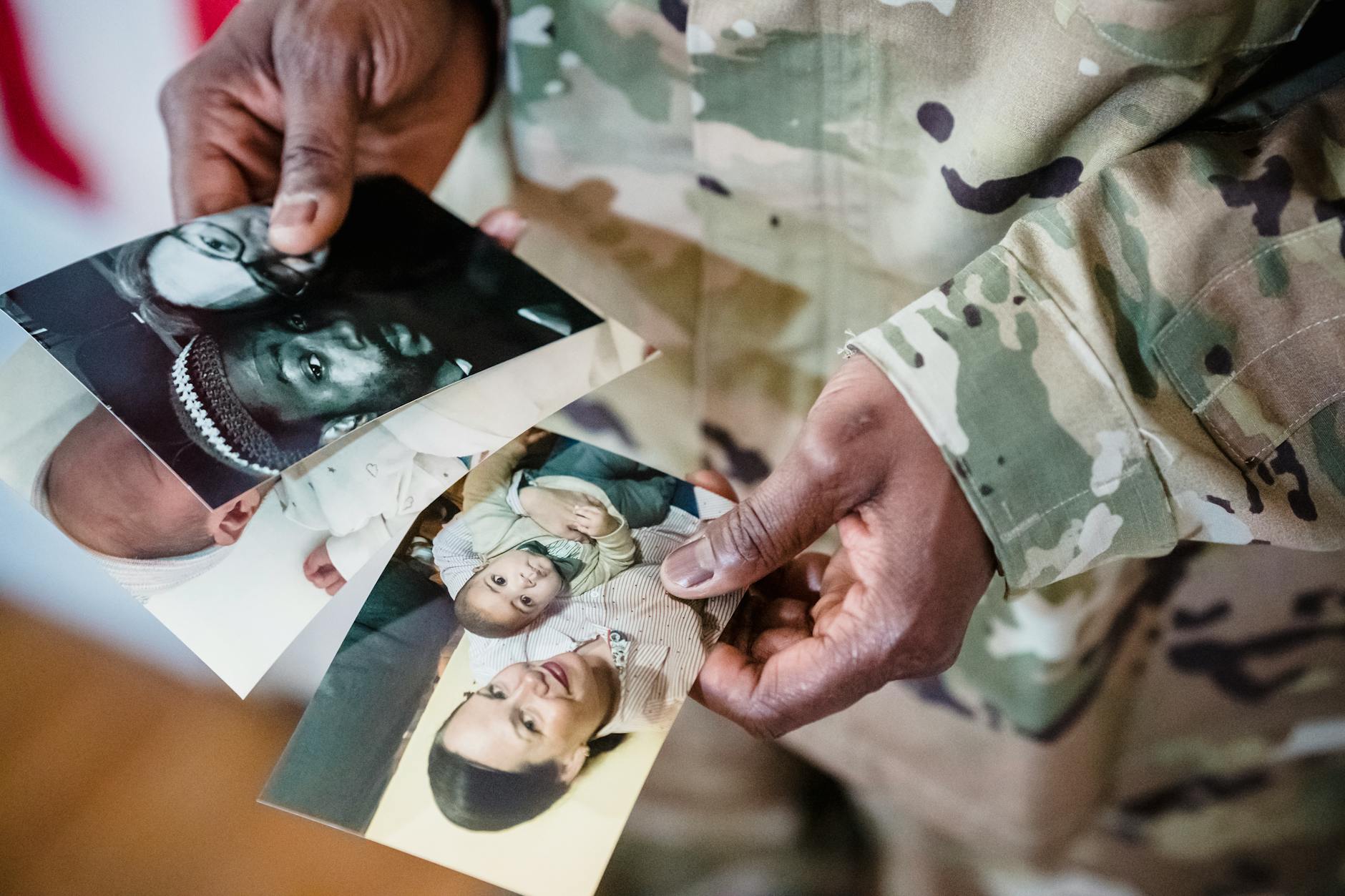
The most effective approach for military families who want to speak out is to create clear separation between their advocacy and the service member’s career. This means never using the service member’s name, rank, unit, or installation in connection with political statements unless the service member has explicitly consented and understands the risk. A spouse who writes under their own name about defense policy in general terms faces far less blowback than one who says “my husband, Captain Smith of the 3rd Infantry Division, thinks this deployment is a disaster.” Joining established advocacy organizations provides both amplification and protection. Groups like the National Military Family Association, Blue Star Families, and Military Families Speak Out have decades of experience navigating the line between effective advocacy and career protection. These organizations can connect families with media training, legal resources, and a community of people who understand the unique pressures involved.
The tradeoff is that organizational affiliation means following the group’s messaging framework, which may not align perfectly with every individual’s views. Anonymous speech is another option, though it comes with its own tradeoffs. Pseudonymous blogs, anonymous op-eds, and social media accounts without identifying information can allow family members to speak freely without direct consequences. But anonymity reduces credibility, limits the emotional impact that comes from speaking as a military family member, and is never truly guaranteed in the age of digital forensics. A determined adversary — whether a vindictive commander or a hostile media outlet — may be able to identify an anonymous poster, and the perception that someone was “hiding” their identity can be used against them.
The Gray Areas — Social Media, OPSEC, and Informal Retaliation
Social media has made the boundary between military and family speech far more porous than it was in previous generations. When a military spouse’s Facebook profile lists their partner’s unit, links to base community pages, and includes photos in front of military installations, any political statement on that same profile is instantly associated with the service member whether or not the spouse intends it. Defense Department social media guidance warns service members to ensure their family members understand operational security, but the guidance has no enforcement mechanism over civilians. The most dangerous gray area involves operational security. A spouse who posts “my husband’s unit just got deployment orders and I’m furious about this pointless war” has potentially disclosed troop movement information while making a political statement.
The political statement is protected; the operational disclosure is not. Service members have faced investigation and punishment when family members inadvertently revealed sensitive information on social media, even when the family member’s intent was purely political. The line between “I oppose this war” and “I oppose this specific deployment that is happening on this date” can be the difference between protected speech and an OPSEC violation. Informal retaliation remains the most persistent and least addressable risk. Military inspector general offices can investigate formal reprisals, but the subtle mechanisms of career damage — being passed over for a favorable assignment, receiving a lukewarm performance evaluation, being excluded from professional development opportunities — are nearly impossible to prove as retaliation for a family member’s speech. Service members whose families are publicly vocal about controversial positions should document any changes in their professional treatment and consult with a military legal assistance attorney if they suspect retaliation.
What Happens When Veterans Speak Out After Leaving Service
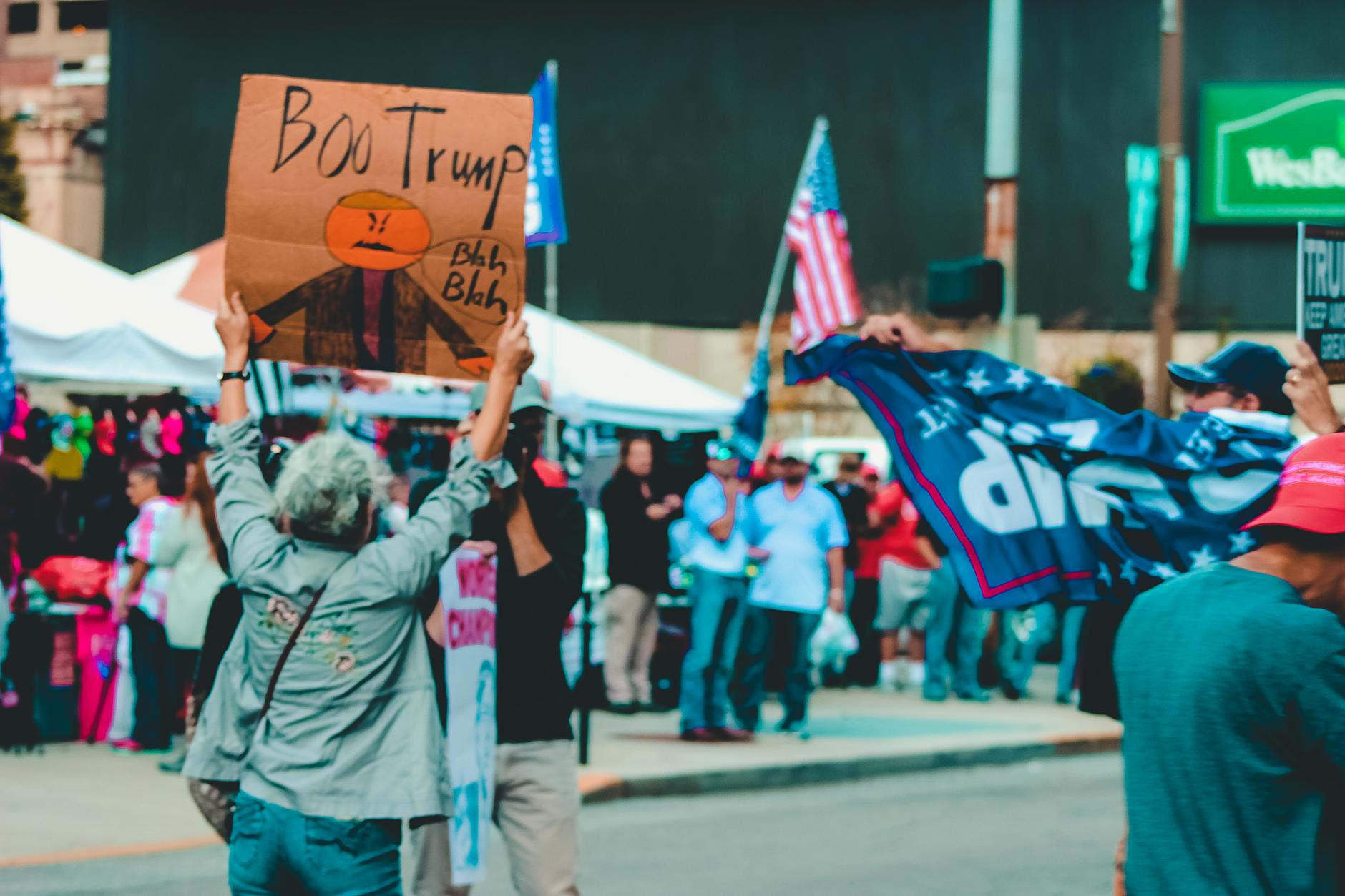
Once a service member separates from active duty, they regain their full First Amendment rights as civilians. Veterans have been among the most powerful voices in anti-war movements precisely because they combine firsthand experience with legal freedom to speak. Organizations like Veterans for Peace, Iraq Veterans Against the War, and Common Defense have organized former service members into effective advocacy blocs.
📨 Get Free Accountability Coverage Alerts
Free · No spam · Unsubscribe anytime
The transition from silence to speech can be jarring — many veterans describe feeling both liberated and guilty when they first publicly criticize a policy they were ordered to implement. The exception involves retired officers who remain subject to the UCMJ under Article 2(a)(4). While prosecutions of retired officers for political speech are extraordinarily rare — and many legal scholars argue they would not survive constitutional challenge — the theoretical jurisdiction exists. In practice, retired generals and admirals routinely make political statements, endorse candidates, and criticize policies without consequence, but the legal ambiguity means this norm could change if an administration chose to test the boundary.
The Future of Military Free Speech in an Era of Political Polarization
The tension between military discipline and individual expression is intensifying as American political polarization deepens. Social media has made it impossible to maintain the fiction that service members have no political opinions, and the increasing politicization of the military itself — with competing factions claiming the armed forces support their agenda — puts individual service members and their families in an increasingly difficult position. Proposals to modernize the UCMJ’s speech restrictions have surfaced periodically in Congress but have never gained sufficient momentum, in part because both parties benefit from the current system when they hold the White House.
For military families, the path forward likely involves greater organization and more sophisticated use of legal protections. As the courts continue to define the boundaries of government employee speech under cases like Garcetti v. Ceballos and its progeny, military families may find new legal tools for challenging informal retaliation. The fundamental dynamic, though, is unlikely to change: service members will remain bound by restrictions that their families are not, and the families will continue to serve as the voice of dissent that the uniform prohibits.
Conclusion
The legal framework is straightforward even if the lived reality is not. Active duty military members are prohibited from publicly criticizing senior civilian and military leadership under the UCMJ, while their family members retain full First Amendment rights as civilians. This division has produced some of the most powerful moments in American anti-war advocacy, from Vietnam-era military wives to Gold Star families confronting presidents on national television.
The restrictions on service members exist for sound constitutional reasons — civilian control of the military depends on a force that does not publicly undermine the officials directing it — but the cost is borne by individuals who sacrifice their voice along with their safety. Military families considering public advocacy should educate themselves on OPSEC requirements, create clear separation between their speech and the service member’s career, consider joining established advocacy organizations, and document any signs of retaliation. The right to speak is unambiguous; the challenge is exercising it wisely in a system where informal consequences can be as damaging as formal punishment. Consulting a military legal assistance attorney before engaging in high-profile advocacy is not a sign of timidity — it is a practical step that protects both the family’s message and the service member’s career.
Frequently Asked Questions
Can a military spouse be punished by the military for criticizing the government?
No. Military spouses are civilians and are not subject to the UCMJ. The military has no legal authority to punish, fine, or restrict a civilian family member’s speech. However, informal social consequences within the military community are real and well-documented.
Can a service member be punished because their spouse criticized the war?
Not directly. The military cannot formally discipline a service member for a family member’s protected speech. However, if the spouse reveals classified or operationally sensitive information that the service member shared, the service member could face investigation for the security breach, not the political opinion.
Does Article 88 apply to enlisted members?
Article 88 specifically covers commissioned officers. Enlisted members can be charged under Article 134 for making disloyal statements or engaging in conduct prejudicial to good order and discipline, which has a similar practical effect but requires different legal elements to prove.
Can a service member privately disagree with a war or policy?
Yes. Private political opinions, private conversations, and even voting are fully protected. The restrictions apply to public statements, particularly those that are contemptuous toward senior leaders or that could be seen as undermining military discipline. A service member can also write to their elected representatives on any topic.
What should a military family do if they believe the service member faced retaliation for the family’s speech?
Document everything — changes in assignments, evaluation language, exclusion from opportunities — with dates and specifics. Contact a military legal assistance attorney on base, file a complaint with the Inspector General, and consider reaching out to organizations like the Military Religious Freedom Foundation or the ACLU’s military speech project for additional support.
Are National Guard and Reserve members subject to the same speech restrictions?
Only when they are in a federal duty status (such as activated under Title 10). When serving in a purely civilian capacity or in state active duty under the governor’s authority, the UCMJ generally does not apply, though state military codes may impose similar restrictions. The rules change depending on duty status, which makes Guard and Reserve speech issues particularly complex.
You Might Also Like
- The Vote Will Be Symbolic — But Forcing Members on the Record Matters for Accountability
- Every Member of Congress Will Have to Publicly State Whether They Support or Oppose This War
- Congress Has the Constitutional Power to Declare War — But Has Not Done So Since 1942