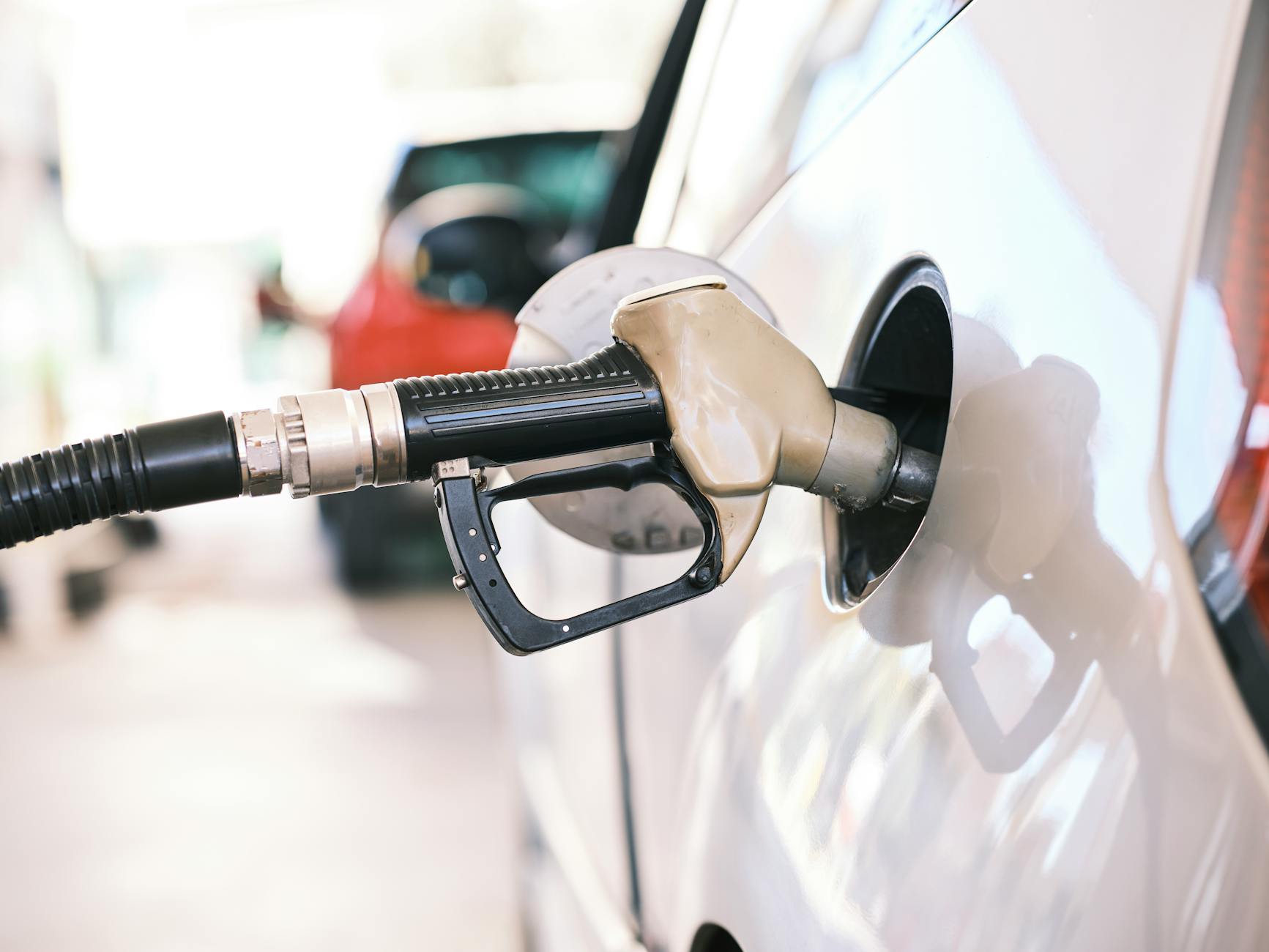
Gas prices are hitting summer road-trip budgets hard in 2026. The national average for regular gasoline reached $4.517 per gallon as of May 17, 2026, and prices are expected to remain elevated—potentially reaching $5 per gallon or higher in some regions if current Middle East disruptions continue. A family of four planning a week-long road trip from New York to Florida could now expect to spend an additional $400 to $600 on fuel compared to last summer, forcing millions of Americans to reconsider vacation plans they made during cheaper fuel months.
The price surge is dramatic and sustained. Gasoline is up 60 percent since the start of 2026 and up 43.6 percent compared to May 2025. This isn’t a temporary spike—the disruption causing these prices shows no immediate sign of resolution, meaning drivers planning summer getaways are making decisions based on a prolonged period of expensive fuel, not a temporary anomaly.
Table of Contents
- What’s Driving the Gas Price Surge This Summer?
- How Much More Will Summer Road Trips Cost?
- The Domino Effect on Summer Travel Plans
- How Drivers Are Preparing for Expensive Summer Fuel
- The Hidden Risks of Summer Road Trips at Current Prices
- Regional Price Variations and Travel Planning
- Summer 2026 Forecast and Planning Ahead
- Conclusion
What’s Driving the Gas Price Surge This Summer?
The core cause is straightforward: geopolitical conflict in the Middle East has disrupted global oil supplies. The Strait of Hormuz, which typically handles approximately 20 million barrels of crude oil per day, has faced shipping halts since early March 2026. This chokepoint is critical to global energy markets, and when it closes, the ripple effects reach every gas pump in America within weeks. When Middle Eastern crude becomes inaccessible or extremely difficult to transport, refineries shift to other sources, but those alternatives cost more or are already committed to other buyers. Refinery capacity constraints compound the problem.
The United States doesn’t have unlimited refining capacity to absorb the loss of crude from the Middle East by substituting other sources quickly. Summer-blend gasoline—required in most states from June through September to reduce evaporation in heat—also carries higher production costs than winter blends. Oil refineries must invest in specialized processes to produce summer-compliant fuel, and that added expense is passed directly to consumers. The timing makes this worse for summer travel planning. If the Strait remained blocked through June and July, some analysts warn prices could push toward $5 per gallon, especially in states like California, Washington, and Hawaii, which already face regional supply constraints and higher fuel taxes. A driver in California already paying $6.15 per gallon as of mid-May would see significantly higher costs for a summer road trip than the same trip would cost a driver in Mississippi, where prices hovered near $3.98 per gallon.
How Much More Will Summer Road Trips Cost?
The direct cost increase is substantial and immediate. For a typical summer road trip covering 1,500 miles, a car with reasonable fuel efficiency might consume 50 gallons of gasoline. At current prices, that costs $225. Last May, the same trip would have cost about $156, a difference of nearly $70 before factoring in hotels, food, and activities. For families planning multiple road trips or longer drives, these costs multiply quickly. But the real calculation is more complex than simple price arithmetic.
Most Americans don’t consciously track gas prices month-to-month, so the shock of filling up at the pump often exceeds expectations. A driver who mentally budgeted $400 for gas might discover they need $500 or more, forcing them to either cut back on other vacation expenses or abandon the trip entirely. Travel industry analysts report that americans are responding by shortening trips—choosing regional destinations within 400 to 500 miles instead of crossing multiple states—and increasing carpooling arrangements among families and friend groups to spread fuel costs. Regional variations create a secondary effect: drivers in high-price states may be tempted to cross state lines to cheaper gas, but fuel tanks aren’t large enough to make that economically viable in most cases. A driver in Hawaii facing $5.64-per-gallon fuel can’t simply drive to Oklahoma where gas costs $3.94. The regional price gap exists for a reason—local taxes, transportation costs to island locations, and supply constraints—and it traps drivers in expensive markets.
The Domino Effect on Summer Travel Plans
Expensive gas doesn’t just affect drivers—it cascades through the entire travel industry. Hotel chains are reporting increased interest in staycations and shorter stays. Restaurants near major highways are seeing softer traffic as road-trippers skip meal stops to conserve money. Campgrounds and RV parks report fewer bookings, especially from multi-week travelers. Meanwhile, airlines are seeing a modest uptick in interest as some families decide that flying to a destination, renting a car for short urban trips, and flying home is cheaper than driving 800 miles each way.
This shift has real economic consequences for small towns that depend on gas station sales and the associated convenience store purchases, restaurant traffic, and hotel stays from road-trippers. A decline in road travel is a decline in distributed tourism spending. Communities along major interstate corridors—particularly truck stops and roadside attractions—depend on the consistent flow of traveling Americans, and price-driven behavior changes reduce that traffic. The summer of 2026 is likely to show lower-than-typical gasoline consumption among leisure drivers, which paradoxically could put slight downward pressure on prices if the geopolitical situation stabilizes. However, any relief on that front is months away at best, meaning summer 2026 will see permanently altered travel patterns compared to historical norms.

How Drivers Are Preparing for Expensive Summer Fuel
Families and individuals are taking concrete steps to reduce fuel costs. Multi-family carpooling is increasing—instead of two families driving separately to the beach, four people now pile into one vehicle and split gas. This approach saves approximately 30 to 40 percent on fuel costs per household but requires more coordination and compromise on departure times and routes. Some families are extending carpools to include non-family members, essentially treating road trips as shared transportation adventures. Route planning is becoming more deliberate. Drivers are using fuel-efficient route algorithms that prioritize highways over backroads, choosing routes that minimize elevation changes, and consolidating stops to reduce total distance.
Some are timing trips to avoid peak summer travel weekends when gas prices can spike another 5 to 10 cents per gallon due to weekend demand. This level of micromanagement would have seemed obsessive five years ago; in May 2026, it’s routine summer vacation planning. Vehicle choices are shifting too. Families who were considering road trips in SUVs are swapping them for more fuel-efficient sedans or hybrid vehicles, even if it means less comfortable accommodations. A person who gets 22 miles per gallon in an SUV but achieves 35 miles per gallon in a sedan will save $80 to $120 on a 1,500-mile trip. For cost-sensitive families, that difference is meaningful enough to change vehicle selection, even if it means a less spacious vehicle for luggage and passengers.
📨 Get Free Accountability Coverage Alerts
Free · No spam · Unsubscribe anytime
The Hidden Risks of Summer Road Trips at Current Prices
Budget inflation is a real danger. Travelers who locked in a $2,000 vacation budget four months ago based on lower expected fuel prices are now scrambling. That budget assumed $100 in gas costs; they’re now facing $150 or more. Either they cut back on other expenses—fewer restaurant meals, shorter hotel stays, fewer activities—or they go over budget. The psychological impact of price shocks mid-vacation is significant; families end up stressed about money during trips supposed to be relaxing. Another risk is inadequate safety margins. Drivers trying to save money might skip vehicle maintenance—not getting tires rotated or brakes checked—before a long summer trip.
Underinflated tires reduce fuel efficiency and increase blowout risk at highway speeds. Overheated engines in summer driving can be dangerous if cooling systems aren’t properly maintained. The temptation to skip a $150 maintenance appointment to conserve vacation funds creates hidden dangers that could cost far more if they result in breakdowns, accidents, or emergency repairs on the road. There’s also the risk of price volatility. While this article discusses current prices and reasonable forecasts, crude oil markets can shift rapidly. A major geopolitical development could either improve supply (and lower prices) or worsen it (and spike prices further). Drivers who postpone trips hoping for price improvements might be disappointed; those who wait too long might face even higher summer prices if the situation deteriorates. The uncertainty itself is a cost—families can’t plan with confidence because the fundamental cost variable is unstable.

Regional Price Variations and Travel Planning
Where you live determines how much more expensive your summer road trip becomes. California drivers facing $6.15 per gallon fuel are experiencing the most severe impact. Washington and Hawaii, at $5.77 and $5.64 respectively, aren’t far behind. Meanwhile, drivers in Oklahoma, Mississippi, and Louisiana, paying around $3.94 to $4.00 per gallon, face a vastly different equation for summer travel.
This geographic disparity is reshaping summer travel patterns. Californians are increasingly choosing in-state destinations or nearby western road trips. East Coast drivers with access to lower-priced fuel in the Southeast and Midwest are more comfortable with longer drives. The result is a subtle geographic redistribution of tourism spending—some traditional vacation destinations in high-price states see reduced visitation, while regions with cheaper gas become more attractive to price-sensitive travelers.
Summer 2026 Forecast and Planning Ahead
Analysts predict gasoline prices will remain above $4 per gallon for most of the summer. The best-case scenario sees prices declining to the $3.50 to $3.80 range by June if crude oil supplies stabilize, but that scenario requires the Strait of Hormuz to reopen and geopolitical tensions to ease. The more realistic scenario is prices remaining in the $4.00 to $4.50 range through August, with risks of spikes toward $5 per gallon if disruptions persist.
For people planning road trips, the message is clear: lock in your plans now and budget based on current prices. Hoping for cheaper fuel over the next eight weeks is unreliable planning. The Strait of Hormuz has shown no signs of reopening, and oil markets have priced in a prolonged disruption. Summer 2026 will be the summer of expensive gas and more careful travel planning, and families who adapt their expectations now will have less financial stress when vacation actually arrives.
Conclusion
Gas prices in May 2026 have reached levels that force Americans to genuinely reconsider summer road trip plans. At $4.517 per gallon nationally and $5-plus in several states, fuel costs are consuming a significantly larger share of vacation budgets than in previous years. The disruption driving these prices—geopolitical conflict and Strait of Hormuz shipping halts—shows no immediate resolution, meaning drivers should plan based on continued high prices rather than hope for relief.
The practical response is clear: shorter trips, increased carpooling, more efficient vehicles, careful route planning, and realistic budgeting that accounts for current fuel prices. Families who adapt their expectations and planning around $4 to $5-per-gallon fuel will have a more satisfying summer than those who keep one eye on outdated budget assumptions. Summer 2026 won’t be the unfettered road-trip experience of cheaper years, but it can still be enjoyable with realistic planning and adjusted expectations.
You Might Also Like
- Gas Prices Today: Phoenix Drivers Brace for Higher Summer Costs
- Gas Prices Today: Most Expensive Cities for Drivers in 2026
- Gas Prices Today: Energy Experts Predict a Tough Summer for Drivers