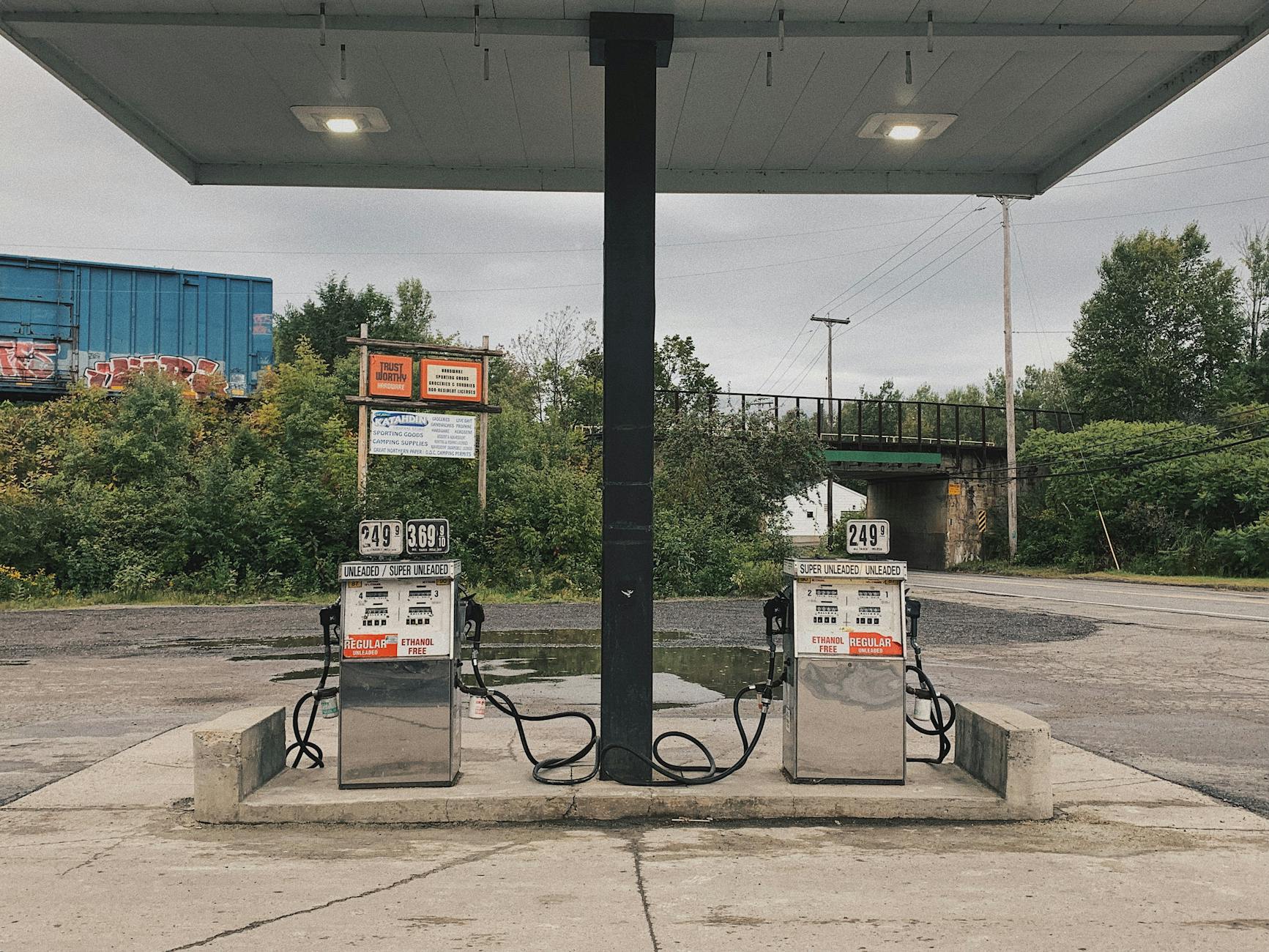
Gas prices across the Northeast have climbed sharply over the past weeks, with New England drivers paying an average of $4.597 per gallon for regular gasoline as of May 11, 2026—well above the national average of $4.50. This represents a troubling trajectory for consumers heading into the summer travel season. A driver filling up a 15-gallon tank in Boston or Hartford is now spending roughly $69, compared to what would have cost around $43 just five months earlier.
The Northeast’s position as one of the highest-priced regions in the country reflects broader supply pressures and geopolitical factors that show few signs of easing. The price increases follow a pattern of three consecutive weekly gains, with pump prices climbing five cents for both regular and premium gasoline in the week of May 11. Year-to-date, regular gasoline has surged 60 percent since January 1, 2026, while premium has climbed 45 percent. These aren’t modest adjustments—they represent a fundamental shift in what consumers pay to fuel vehicles and operate businesses dependent on transportation.
Table of Contents
- Why Are Gas Prices Climbing in the Northeast and Beyond?
- Understanding the Geopolitical and Supply Chain Factors Behind Rising Costs
- How Rising Gas Prices Are Affecting Northeastern Consumers
- Practical Strategies for Managing Rising Fuel Costs
- The Limits and Risks of Price Forecasts
- The Wholesale-to-Retail Gap and Why It Matters
- Summer Driving Season and Forward-Looking Fuel Costs
- Conclusion
- Frequently Asked Questions
Why Are Gas Prices Climbing in the Northeast and Beyond?
The immediate culprit driving fuel costs upward is a combination of geopolitical conflict and supply chain disruption. Tensions between Iran and the United States have tightened global oil supplies, while blockades in the Persian Gulf have further constrained tanker movements and crude availability. This squeeze on international oil markets cascades directly into American fuel terminals, where wholesale prices reflect the scarcity. New York Harbor—the primary supply source for East Coast gasoline—was trading at $3.70 per gallon on May 15, 2026, the wholesale marker that refineries use to price what they sell to distributors and retailers. Beyond geopolitics, domestic fuel inventories have also tightened considerably.
Refineries across the country are producing less gasoline than the market demands, a dynamic that amplifies price pressure at the pump. The Northeast, historically dependent on imports and regional refining capacity, feels this squeeze more acutely than other parts of the country. Of the 50 states, 39 now fall within the $4.00 to $5.00 per gallon range, showing how widespread the problem has become. Notably, gasoline futures actually touched $3.75 per gallon on May 4, 2026—the highest level since July 2022. While prices have eased slightly from that peak, the near-term outlook remains unsettled. Analysts warn that prices could climb further before the Memorial Day travel period, as demand typically surges heading into the summer driving season.

Understanding the Geopolitical and Supply Chain Factors Behind Rising Costs
The Iran-U.S. conflict has become a defining factor in global energy markets. Any escalation, threat of escalation, or even rumors of disruption to Middle Eastern oil flows ripple instantly through futures markets and then into the physical commodities that power refineries. This is not a trivial concern—it is the reason wholesale prices move on breaking news and geopolitical developments rather than solely on domestic supply and demand. The Persian Gulf tanker blockades compound this problem by restricting the physical movement of crude oil. Even if oil exists in global markets, if ships cannot reliably transit key shipping lanes, that oil is functionally unavailable. Refiners must either wait for alternative routes or purchase at premium prices.
These costs get passed along. A critical limitation to understand is that refiners cannot simply switch suppliers overnight or reroute shipments at will. The infrastructure of global energy logistics operates on fixed routes and contractual relationships that take weeks or months to adjust. Domestically, the tightening of fuel inventories reflects either reduced refining capacity or increased demand—or both. The United States refining system is already operating at relatively high utilization rates, meaning there’s little slack to absorb demand spikes. When refinery maintenance happens, when crude supply slows, or when unexpected demand surges occur, the system lacks buffers. This structural vulnerability means the Northeast—which imports a significant portion of its refined fuel—is especially vulnerable to supply disruptions.
How Rising Gas Prices Are Affecting Northeastern Consumers
For a typical commuter in the Northeast, the impact is immediate and measurable. Someone driving 40 miles round-trip daily will spend an additional $40 to $50 per month now compared to January, assuming consistent driving patterns and vehicle fuel economy. For families planning summer vacations, a 1,000-mile road trip now costs noticeably more in fuel alone. A vehicle averaging 25 miles per gallon would consume 40 gallons, costing roughly $184 at current New England prices versus $121 in January. Small business owners who depend on vehicle fleets—delivery services, contractors, landscapers—face margin compression if they cannot easily pass increased fuel costs to customers.
A landscaping company that budgets fuel costs quarterly will find their actual expenses significantly higher than projected just weeks ago. Some businesses attempt to hedge against fuel volatility through fuel surcharges, but this mechanism works unevenly, affecting consumer-facing prices differentially across sectors. The psychological impact of sustained high prices also matters. When drivers see consistent increases week over week, spending patterns shift—people defer discretionary travel, consolidate trips, or adjust vacation plans. This behavioral change can ripple through regional economies, affecting gas station convenience stores, restaurants, and tourism-dependent businesses.
Practical Strategies for Managing Rising Fuel Costs
While consumers cannot control global oil prices or geopolitical conflicts, they can optimize their fuel spending within constraints. Keeping tires properly inflated, maintaining regular vehicle service, and reducing unnecessary idling can improve fuel economy by 3 to 5 percent—meaningful savings when every gallon costs $4.60. Carpooling and trip consolidation offer additional savings, though they require behavioral changes that don’t suit all situations. Choosing when and where to fuel up matters too, though the variation between gas stations in a given area is typically smaller than the variation between days.
Some consumers benefit from loyalty programs that offer fuel discounts, though these programs usually cap savings at 5 to 10 cents per gallon. The tradeoff is that loyalty programs often require regular purchases at higher retail prices in other categories to accumulate fuel discounts. For consumers with flexibility, filling up mid-week rather than on weekends can sometimes yield modest savings, as weekly price patterns exist but are secondary to broader market trends. Public transportation and ride-sharing present alternatives for commuters in areas with service, though availability and cost-effectiveness vary widely across the Northeast. In dense urban areas like Boston or New York, transit shifts are practical; in suburban and rural areas, personal vehicles remain the dominant option without viable substitutes.
The Limits and Risks of Price Forecasts
Industry analysts and trade publications regularly project where prices are headed, but the historical track record of fuel price forecasts is mixed. Predictions made even a few weeks in advance can be overturned by unexpected geopolitical developments, refinery disruptions, or changes in demand. The warning here is straightforward: anyone planning around an assumed fuel price should build in a buffer for upside surprise. A road trip budgeted at $100 for fuel might actually cost $115 if prices move up another 50 cents per gallon. The additional risk is that current forecasts assume the geopolitical situation does not escalate further.
If Iran-U.S. tensions increase, if Persian Gulf disruptions expand, or if unexpected refinery outages occur, prices could spike rapidly. Conversely, if tensions ease, supply becomes less constrained, or demand softens heading into summer, prices could fall. The uncertainty works both directions, but the asymmetry matters—producers and traders are positioned for upside, meaning any supply surprise tends to drive prices higher faster than they fall when expectations ease. Consumers should recognize that price forecasts are probabilistic, not deterministic. They describe likely scenarios, not guaranteed outcomes.

The Wholesale-to-Retail Gap and Why It Matters
The $3.70 wholesale price for New York Harbor gasoline as of May 15 is not the same as the $4.597 average retail price consumers see at the pump. The difference—roughly 90 cents per gallon—accounts for refining margins, distribution costs, retail markup, taxes, and volatility in the time between wholesale purchase and retail sale. This structure matters because it shows that even if crude prices fall, retail prices do not fall immediately or proportionally. Retailers often maintain margins for a period after wholesale prices decline, while they reduce prices more quickly when wholesale prices rise.
📨 Get Free Accountability Coverage Alerts
Free · No spam · Unsubscribe anytime
The practical implication is that price relief, if it comes, will arrive gradually at the pump, not instantly. Regional differences in this markup also exist. Areas with more competitive retail markets, higher population density, and better distribution infrastructure tend to have tighter margins and faster price transmission. Rural areas and markets with fewer gas stations sometimes show more sluggish price adjustments in both directions.
Summer Driving Season and Forward-Looking Fuel Costs
The coming weeks and months will test how much higher prices can go before demand destruction occurs. Historically, demand for gasoline is relatively inelastic in the short term—people need to drive to work, run errands, and travel regardless of price changes. But when prices exceed psychological thresholds or create genuine financial stress, behavioral shifts accelerate.
Some travelers will cancel or shorten trips, some commuters will shift to carpooling, and some will reconsider discretionary vehicle use. The May 2026 outlook remains uncertain, but prices could continue climbing through mid-summer if supply constraints persist and demand surges ahead of the July 4 holiday travel period. Conversely, if geopolitical tensions ease or if refinery utilization increases, downside price movement is possible. The Northeast’s historical experience with high fuel prices suggests that $5.00 per gallon, while not impossible, would likely trigger more pronounced demand response and political pressure for policy action.
Conclusion
Gas prices across the Northeast have risen significantly, with New England drivers paying $4.597 per gallon on average as of mid-May 2026—part of a 60 percent year-to-date increase for regular gasoline. The drivers are clear: geopolitical conflict in the Iran-U.S. sphere, Persian Gulf supply disruptions, and tightening domestic fuel inventories have combined to constrain supply and push prices upward.
With 39 states now in the $4.00 to $5.00 range, the Northeast’s high prices reflect broader national pressures rather than regional anomalies. Consumers should prepare for the likelihood that prices remain elevated through the summer travel season, with downside risk limited unless geopolitical conditions shift favorably or unexpected refinery capacity comes online. Practical steps—maintaining vehicle efficiency, consolidating trips, and adjusting travel plans—can help manage household fuel budgets in an environment of sustained high prices and persistent uncertainty.
Frequently Asked Questions
Will gas prices continue to rise through the summer?
Analysts warn that prices could climb further before Memorial Day and the peak summer travel season, though the exact trajectory depends on geopolitical developments and refinery utilization. No consensus exists on a near-term peak, making price risk material through June and July.
What is the difference between wholesale and retail gas prices?
Wholesale prices (like the $3.70 New York Harbor rate) reflect crude costs and refining margins. Retail prices add distribution, retail markup, taxes, and dealer profit. The roughly 90-cent gap between wholesale and the $4.597 retail average accounts for these downstream costs.
How much more am I spending on gas compared to January?
For a typical driver filling a 15-gallon tank weekly, the increase from January’s average (~$2.87 per gallon) to May’s $4.597 represents an additional $25.65 per week, or roughly $103 per month in fuel costs alone.
Are there states where gas costs significantly less than the Northeast?
Yes. While 39 states fall in the $4.00 to $5.00 range, some states—particularly in the South and parts of the Midwest—still have averages below $4.00 per gallon. However, regional variation within the Northeast is modest; all six New England states cluster around $4.50 to $4.60.
Why can’t refineries just produce more gasoline to lower prices?
The U.S. refining system already operates at high utilization. Adding capacity takes years and billions in investment. In the short term, refineries are constrained by existing infrastructure and scheduled maintenance. Supply cannot respond quickly to demand spikes.
What could cause gas prices to fall quickly?
Geopolitical de-escalation in the Iran-U.S. conflict, restoration of Persian Gulf tanker routes, or unexpected surge in domestic crude production or refinery capacity could all reduce prices. However, none is assured, and markets would need time to reflect these changes at the pump.
You Might Also Like
- Gas Prices Today: Why Fuel Costs Jump Before Holiday Weekends
- Gas Prices Today: What Analysts Are Saying About Summer Fuel Costs
- Gas Prices Today: Miami Fuel Prices Rise Before Vacation Season