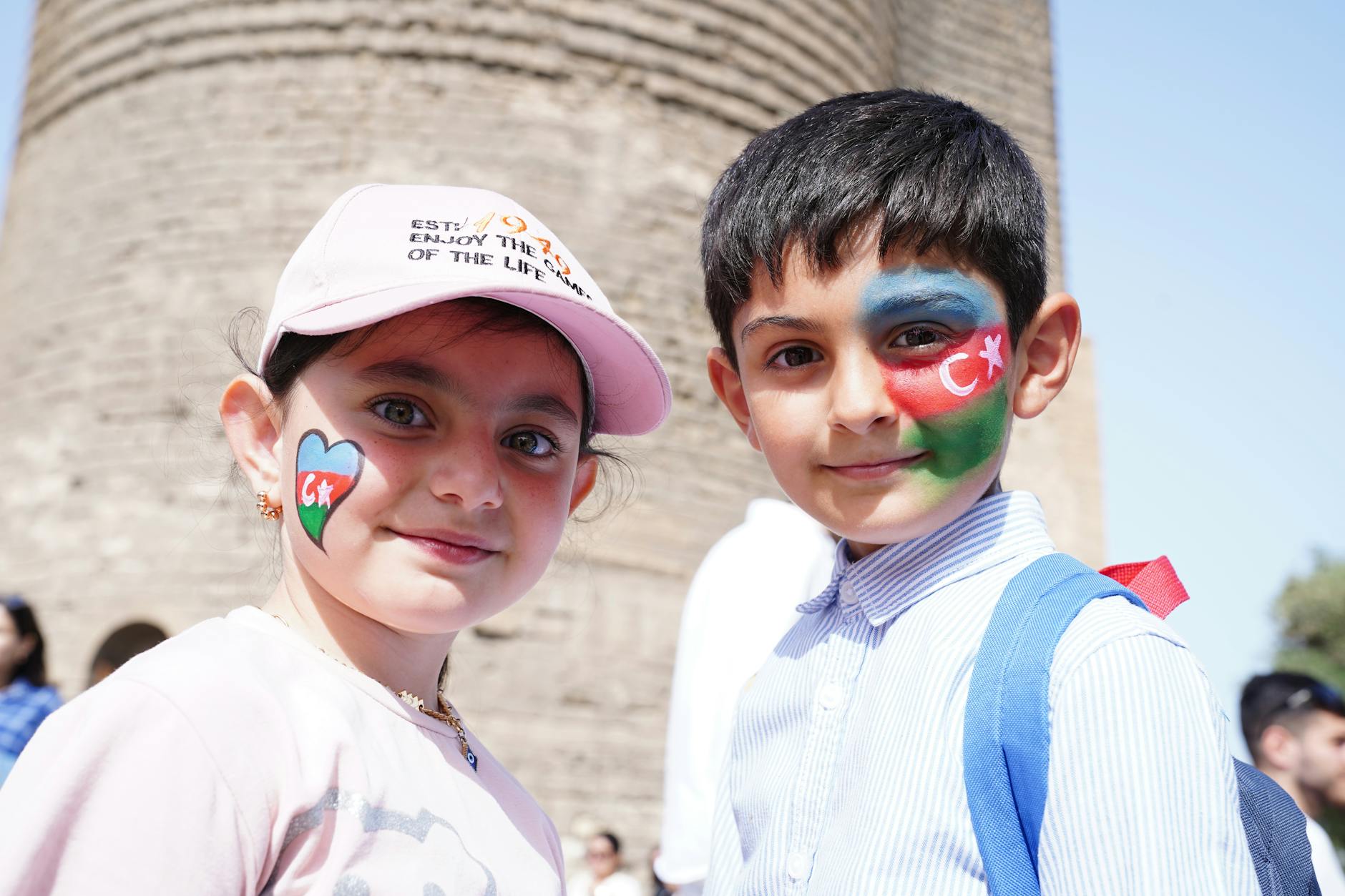
Despite a wave of speculation in Western policy circles and Azerbaijani nationalist media, the short answer is no — ethnic Azerbaijanis in northern Iran are not on the verge of pushing for separation from Tehran. The evidence on the ground points overwhelmingly to a population that wants cultural and linguistic recognition, not secession. When tens of thousands of Iranian Azerbaijanis joined the nationwide protests that erupted on December 28, 2025, their slogans focused on economic crisis, corruption, and political repression — the same grievances shared by Persians, Kurds, and other ethnic groups across the country.
The Carnegie Endowment for International Peace put it bluntly: “There is no evidence of serious separatist sentiment among the parts of Iran populated by ethnic Azeris.” That does not mean the situation is stable or that the grievances are trivial. Iranian Azerbaijanis are the largest non-Persian ethnic group in the country, comprising an estimated 16 to 24 percent of Iran’s total population — roughly 15 to 23 million people, with some estimates reaching as high as 30 percent. They face systemic language discrimination, underrepresentation in government institutions, and an intensifying security crackdown following the 12-day war in June 2025. This article examines who is actually pushing the separation narrative, what Iranian Azerbaijanis themselves want, how Baku and outside powers factor in, and why the Trump administration’s posture toward Iran is raising alarm bells across the region.
Table of Contents
- Are Ethnic Azerbaijanis in Northern Iran Actually Pushing for Separation?
- What Do Iranian Azerbaijanis Actually Want From Tehran?
- How the 2025 War and Crackdown Changed the Landscape
- Baku’s Balancing Act Between Rhetoric and Reality
- The Trump Administration Factor and Regional Instability
- What European Institutions Have Said
- Where This Goes From Here
- Conclusion
- Frequently Asked Questions
Are Ethnic Azerbaijanis in Northern Iran Actually Pushing for Separation?
The framing of the question matters enormously. Iranian Azerbaijanis are concentrated in East Azerbaijan, West Azerbaijan, Ardabil, and Zanjan provinces in the northwest, but they are not an isolated border minority. They make up an estimated 25 to 33 percent of Tehran Province’s population. They are majority Shia Muslim, sharing the same sect as Iran’s Persian majority. They are woven into Iran’s political, commercial, and military fabric in ways that make a clean separatist break almost impossible to imagine. Iran’s Supreme Leader Ali Khamenei is himself of Azerbaijani heritage — a fact that complicates any simplistic narrative about ethnic oppression driving secession.
The “push for separation” narrative originates primarily outside Iran’s borders. The Southern Azerbaijan National Awakening Movement, known as SANAM, was founded in 2002 and is headquartered in Baku, the capital of the Republic of Azerbaijan. SANAM advocates for self-determination and the “unification of Azerbaijanis on both sides of the Aras River.” During the 2025–2026 protests, Baku allowed a demonstration outside the Iranian embassy under the banner “Let Azerbaijan be united.” But allowing a protest and endorsing territorial revision are very different things. Analysts writing in the Armenian Weekly in February 2026 noted that actual annexation or unification would harm Baku by incorporating a large, potentially disloyal population, and President Ilham Aliyev is unlikely to pursue it seriously. Compare this to a genuine separatist movement like the kurdish independence push in Iraq, where the Kurdistan Regional Government held a binding referendum in 2017 with overwhelming support. Nothing remotely comparable exists among Iranian Azerbaijanis. Their demands, as documented by Modern Diplomacy in July 2025, center on mother-tongue education, official recognition of Azerbaijani Turkish in government proceedings, and proportional representation in Iran’s judiciary, military, and executive branches.

What Do Iranian Azerbaijanis Actually Want From Tehran?
The core grievance is linguistic and cultural discrimination, not territorial ambition. Iran’s constitution technically permits the use of regional languages in media and schools alongside Persian, but according to the Minority Rights Group, this provision has never been enforced in practice. Only Persian-speaking children receive education in their mother tongue. For Azerbaijani Turkish speakers — who again number in the tens of millions — this means their children enter a school system that treats their native language as irrelevant. The underrepresentation goes beyond schools. A March 2024 analysis in the Eurasia Review documented that Azerbaijanis are grossly underrepresented in the judiciary, military, and executive branches of the Iranian government.
For a group that may constitute nearly a quarter of the population, this is not a minor bureaucratic imbalance — it is structural exclusion. However, it is critical to distinguish between discrimination that fuels resentment and discrimination that fuels separatism. Irish Catholics in Northern Ireland faced severe institutional discrimination for decades, and while some supported reunification with the Republic of Ireland, many others focused on civil rights within the existing political framework. Iranian Azerbaijanis largely follow the latter pattern. The limitation here is important: if Tehran continues to respond to legitimate cultural demands with arrests and solitary confinement rather than reform, the calculus could shift over time. Sustained repression has a way of radicalizing populations that once sought only modest accommodation. But as of early 2026, that tipping point has not been reached.
How the 2025 War and Crackdown Changed the Landscape
The 12-day war that began on June 13, 2025 — involving Israeli and American strikes on Iranian military and nuclear infrastructure — transformed the internal security environment in Iran. In the aftermath, Tehran intensified crackdowns across the board, with over 21,000 people arrested, including a significant number of Azerbaijani Turks. The New Lines Institute reported that on November 2, 2025, seven Azerbaijani Turks were transferred to solitary confinement on charges of “propaganda against the regime.” Arrests of Azerbaijani activists surged throughout late 2025. This crackdown was not ethnically targeted in its origins — it swept up dissidents, labor organizers, women’s rights activists, and ethnic minorities of all backgrounds. But it landed with particular force on communities that already felt marginalized.
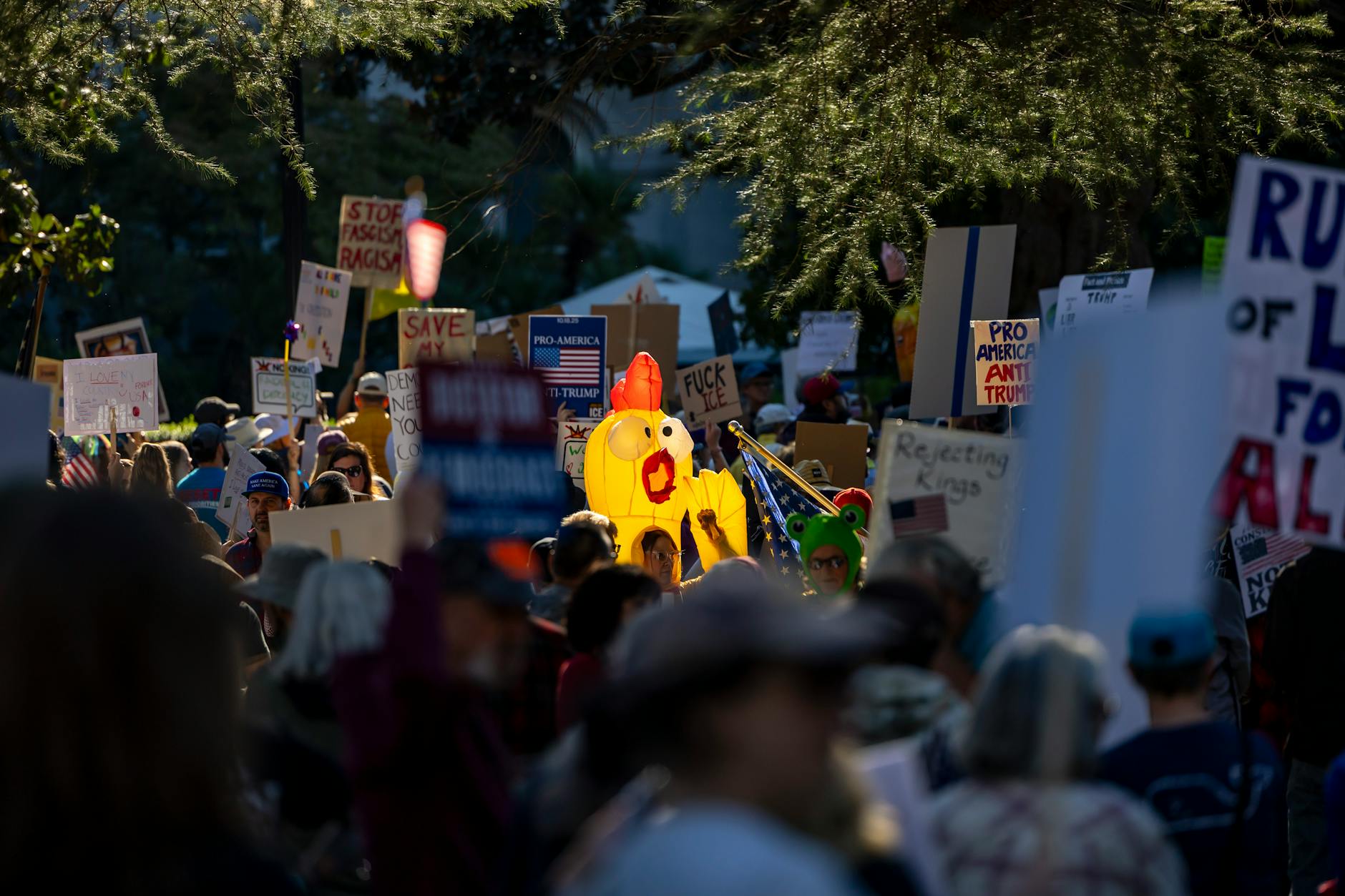
For Azerbaijani Turks, the post-war repression confirmed what many had long suspected: that Tehran views ethnic identity as a security threat, not a cultural reality to be managed through accommodation. The distinction matters because it is the Iranian government’s own behavior that feeds the narrative — pushed by SANAM and others abroad — that Azerbaijanis can never achieve equality within the Iranian system. The December 28, 2025 nationwide protests were driven by economic crisis, corruption, and accumulated anger over the regime’s handling of the war’s aftermath. Ethnic Azerbaijanis participated in large numbers, but critically, they did so alongside other Iranians, not as a separate ethnic bloc demanding secession. This is a pattern consistent with earlier Iranian protest movements, including the 2022 Mahsa Amini uprising, where cross-ethnic solidarity was a defining feature.

Baku’s Balancing Act Between Rhetoric and Reality
The Republic of Azerbaijan under President Aliyev faces a genuine strategic dilemma. Nationalist rhetoric about “liberating historical lands” and reuniting “South Azerbaijan” with the Azerbaijani motherland has been increasingly creeping into government-aligned media and political discourse, as noted by the Carnegie Endowment. This rhetoric serves domestic political purposes — it burnishes Aliyev’s credentials as a pan-Turkic leader, especially after his successful 2020 reconquest of Nagorno-Karabakh. But the tradeoff is stark. Baku’s economy depends on stable energy exports through pipelines that run close to the Iranian border.
Azerbaijan’s population of roughly 10 million would be fundamentally transformed by absorbing 15 to 23 million Iranian Azerbaijanis, many of whom have no particular loyalty to Baku and whose political culture has been shaped by decades of life within the Iranian system. The Armenian Weekly’s February 2026 analysis argued persuasively that Aliyev has no real interest in destabilizing Iran to the point of territorial collapse — the risks far outweigh any conceivable benefits. The cautious official stance Baku maintained during the 2025–2026 protests, as reported by JAM News, confirms this reading. The comparison to Turkey’s relationship with Turkic populations in Central Asia is instructive. Ankara has invested heavily in cultural and educational ties with Turkmen, Uzbek, and Kazakh populations, but it has never seriously pursued territorial unification. Baku’s approach to “South Azerbaijan” follows a similar pattern: cultural solidarity as soft power, not as a prelude to annexation.
The Trump Administration Factor and Regional Instability
The Trump administration’s confrontational posture toward Iran in early 2026 has added a volatile new element to this picture. The National reported on January 30, 2026 that rising unease had gripped Azerbaijan as Washington threatened neighboring Iran, raising fears of instability spilling across borders. For Baku, an American military confrontation with Iran is not an opportunity — it is a nightmare scenario that could send millions of refugees northward, destabilize energy infrastructure, and draw Azerbaijan into a conflict it cannot afford. The broader regional context includes Iran-Turkey tensions that flared in March 2025 when Turkish Foreign Minister Hakan Fidan accused Iran of supporting Kurdish militias, prompting ambassador summonings on both sides.
Iran’s Azerbaijani northwest sits at the intersection of these competing pressures — Turkish pan-Turkic ambitions, Azerbaijani nationalism, American regime-change rhetoric, and Tehran’s paranoid security apparatus. The warning for policymakers in Washington is that reckless escalation against Iran does not advance the interests of Iranian minorities. If anything, it gives Tehran’s hardliners the perfect pretext to tighten the screws, as the post-June 2025 crackdown demonstrated. Any honest assessment must acknowledge that the people who would suffer most from a destabilized Iran are the very ethnic minorities — Azerbaijanis, Kurds, Baluch, Arabs — whom outside actors claim to champion. The 21,000 arrests following the 12-day war should serve as a sobering data point.
What European Institutions Have Said
The European Parliament has engaged with the issue of Iranian Azerbaijani rights, with Question E-003110/2023 formally raising the demographic and human rights situation of the community. European institutions have generally focused on urging Iran to implement its own constitutional provisions regarding minority language rights rather than endorsing separatist frameworks.
📨 Get Free Accountability Coverage Alerts
Free · No spam · Unsubscribe anytime
This approach — pressing for reform within existing borders rather than encouraging fragmentation — reflects a consensus among Western democracies that Iran’s territorial integrity is preferable to the chaos of ethnic partition. The Minority Rights Group’s documentation of language discrimination in Iran has been particularly influential in shaping European policy, providing a factual foundation for diplomatic pressure that avoids the inflammatory rhetoric of separatism while still holding Tehran accountable for its treatment of non-Persian populations.
Where This Goes From Here
The most likely trajectory is continued tension without resolution. Tehran shows no sign of granting meaningful cultural autonomy to its Azerbaijani population. Baku will continue to use “South Azerbaijan” rhetoric for domestic consumption while avoiding any action that would genuinely threaten Iranian territorial integrity. And Iranian Azerbaijanis will continue to press for linguistic and cultural rights within the framework of the Iranian state, occasionally joined by voices from abroad who advocate for more radical solutions that most Iranian Azerbaijanis do not share.
The wild card remains the broader stability of the Iranian regime. If the Islamic Republic were to face an existential crisis — whether from economic collapse, a major military confrontation, or an internal power struggle — the question of ethnic separatism could resurface in ways that are impossible to predict. But that scenario is speculative. What is not speculative is that as of early 2026, the push for Azerbaijani separation from Iran is far more a feature of geopolitical commentary and diaspora activism than it is a reality on the streets of Tabriz, Ardabil, or Zanjan.
Conclusion
The headline question — whether ethnic Azerbaijanis in northern Iran could push for separation from Tehran — requires a careful answer. Could they, in some hypothetical future? Perhaps, under extreme circumstances. Are they doing so now? No. The available evidence from the Carnegie Endowment, the New Lines Institute, and on-the-ground reporting consistently shows that Iranian Azerbaijanis are seeking cultural recognition and political inclusion, not secession.
The separatist narrative is driven primarily by Baku-based organizations like SANAM and amplified by nationalist rhetoric in the Republic of Azerbaijan, not by the 15 to 23 million Azerbaijanis living inside Iran. What deserves genuine concern is the Iranian government’s escalating repression of ethnic minorities in the aftermath of the 2025 war and the ongoing protest movement. Over 21,000 arrests, Azerbaijani activists transferred to solitary confinement, and continued denial of basic language rights — these are the real stories. Policymakers and journalists who fixate on the separatism angle risk missing the more important and more urgent reality: a government systematically mistreating millions of its own citizens, not because they want to leave Iran, but because they want Iran to treat them as equals.
Frequently Asked Questions
How many ethnic Azerbaijanis live in Iran?
Estimates range from 16 to 24 percent of Iran’s total population, which translates to roughly 15 to 23 million people. Some estimates go as high as 30 percent. They are concentrated in the northwestern provinces of East Azerbaijan, West Azerbaijan, Ardabil, and Zanjan, but also make up an estimated 25 to 33 percent of Tehran Province’s population.
Are Iranian Azerbaijanis religiously different from other Iranians?
No. The majority of Iranian Azerbaijanis are Shia Muslims, the same sect as Iran’s Persian majority. This shared religious identity is one of the factors that distinguishes them from more marginalized Sunni minorities like the Kurds and Baluch, and it undermines simplistic narratives about sectarian-driven separatism.
What is SANAM and what does it advocate?
The Southern Azerbaijan National Awakening Movement (SANAM) was founded in 2002 and is based in Baku, the capital of the Republic of Azerbaijan. It advocates for self-determination and the unification of Azerbaijanis on both sides of the Aras River. It is important to note that SANAM operates from outside Iran and does not represent a mass movement among Iranian Azerbaijanis themselves.
Did the 2025–2026 Iranian protests have a separatist character among Azerbaijanis?
No. The nationwide protests that began on December 28, 2025 were driven by economic crisis, corruption, and political repression. Ethnic Azerbaijanis participated alongside other Iranians with shared grievances. Protest slogans focused on governance failures, not ethnic secession.
Does the Republic of Azerbaijan want to annex northern Iran?
While nationalist rhetoric about “liberating historical lands” has appeared increasingly in Azerbaijani political discourse, analysts broadly assess that President Aliyev is unlikely to pursue actual unification. Absorbing 15 to 23 million Iranian Azerbaijanis would fundamentally destabilize Azerbaijan’s own political system, and Baku’s official stance during the 2025–2026 protests remained cautious.
How has the Trump administration’s Iran policy affected this situation?
The Trump administration’s confrontational posture toward Iran in early 2026 has raised alarm in Azerbaijan about potential instability spilling across borders. Rather than creating opportunities for separatism, American threats against Iran have historically given Tehran’s hardliners justification for intensified crackdowns on ethnic minorities, as seen after the June 2025 military strikes.
You Might Also Like
- Who Actually Profits From the Iran War — A Look at the Money
- What Regime Change in Iran Could Actually Look Like Based on History
- Weapons Scattered Across Iran After Regime Collapse Could Arm Extremists for Decades