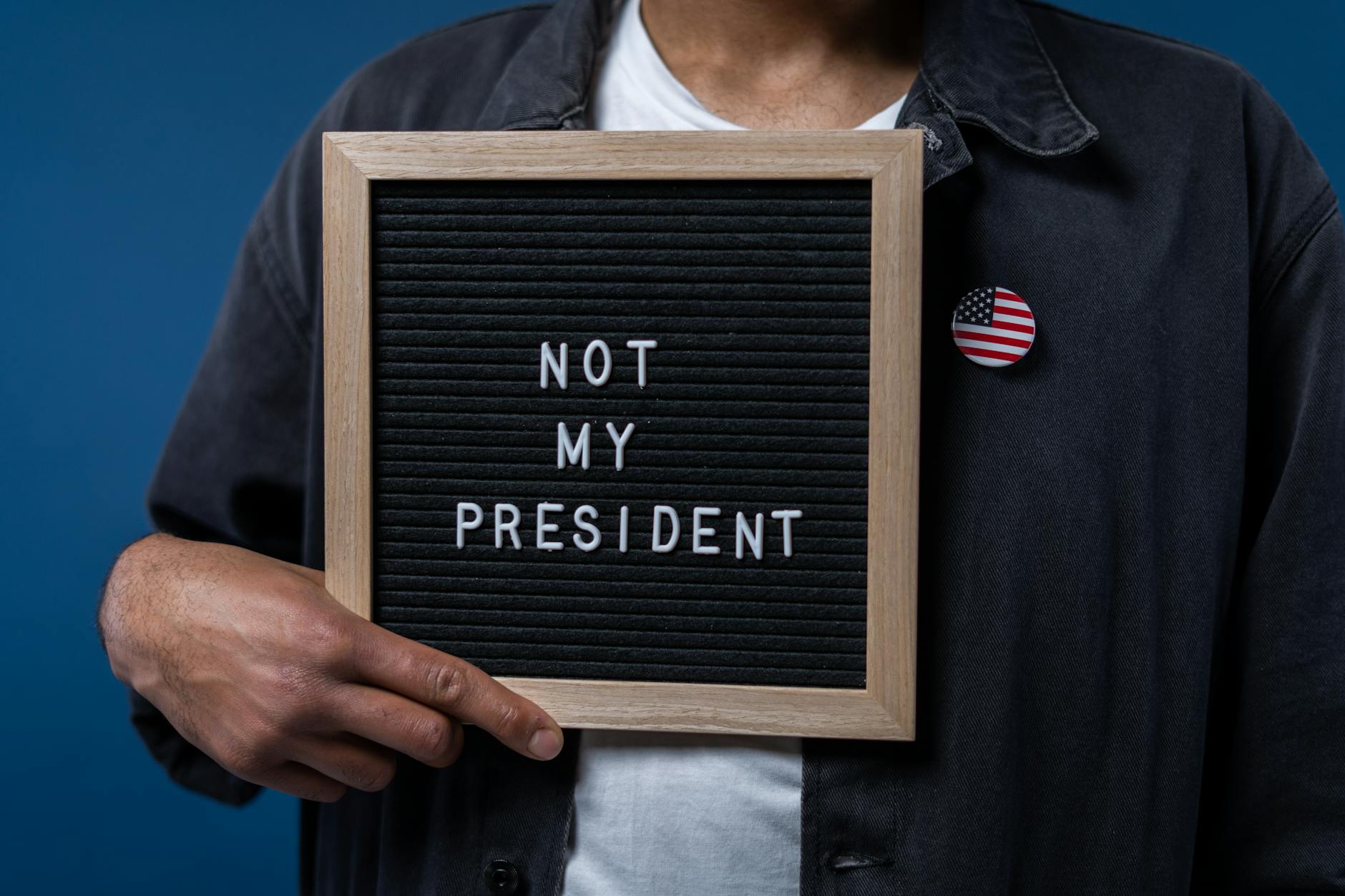
Anti-Trump messaging isn’t fading—it’s transforming. The conventional wisdom suggests that opposition-focused messaging is losing steam as Democratic strategists shift toward issue-based campaigns for the 2026 midterms. But the data tells a different story. Underlying anti-Trump sentiment has actually strengthened significantly. The share of Democrats who strongly disapprove of Trump rose from 71 percent to 83 percent between 2025 and early 2026, according to Pew Research Center data.
This represents a hardening of opposition, not a softening. What’s actually fading is the reliance on pure anti-Trump positioning as a standalone campaign strategy. The shift reflects a tactical recalibration, not an abandonment of anti-Trump themes. Democratic candidates are now prioritizing what they frame as “speaking to the issues that matter most to our voters and are meeting the moment, and not just being anti-Trump,” according to reporting on 2026 midterm strategies. This doesn’t mean candidates are ignoring Trump or his policies—they’re embedding criticism within broader issue-based frameworks focused on inflation, healthcare, consumer protection, and government accountability. It’s a strategic pivot, but the emotional foundation remains solid.
Table of Contents
- Why Democratic Strategists Are Moving Away from Pure Opposition Politics
- Public Sentiment Data Shows Anti-Trump Disapproval Is Actually Rising
- Anti-Trump Activism Continues Through Grassroots Channels
- Why the Tactical Shift Away from Opposition Messaging Makes Electoral Sense
- The Risk of Losing Momentum if Issue-Based Messaging Fails to Resonate
- How the 2026 Midterms Will Test Whether Issue-Based Opposition Works
- What Anti-Trump Messaging Evolution Tells Us About Future Political Dynamics
- Conclusion
Why Democratic Strategists Are Moving Away from Pure Opposition Politics
The 2024 election cycle taught Democratic operatives a lesson: being against something is less effective than being for something. While anti-Trump messaging mobilized Democratic voters in 2020 and 2022, party strategists recognized that opposition-only campaigns struggle to recruit persuadable voters and can appear reactive rather than forward-looking. Stronger Democratic candidates competing in 2026 are deliberately broadening their messaging beyond Trump himself to address what polling shows voters actually care about: costs, healthcare access, worker protections, and corporate accountability. This strategic shift is evident in House democrats‘ rollout of messaging bills targeting Trump administration policies.
Rather than simply criticizing Trump, Democrats are proposing legislative alternatives and using bills to frame the debate around specific outcomes—what these policies mean for ordinary people’s finances and rights. For example, instead of solely attacking Trump’s judicial appointments, Democrats might frame legislation around consumer protections or enforcement capacity, forcing the debate onto substantive terrain. The limitation here is real: moving away from personalized attacks requires stronger candidate brands and more sophisticated grassroots infrastructure. Not every Democratic candidate has the name recognition or policy expertise to sustain issue-based messaging without anti-Trump reinforcement. Weaker candidates sometimes find that pure opposition messaging is their only mobilizing tool, which creates uneven message discipline across the party.
Public Sentiment Data Shows Anti-Trump Disapproval Is Actually Rising
The numbers contradict any claim that anti-trump sentiment is fading. Pew Research Center data from January 2026 shows that 83 percent of Democrats now strongly disapprove of Trump—up from 71 percent previously. This is not a retreat; it’s a consolidation and intensification of opposition. If messaging were truly fading, we’d expect to see declining disapproval among opposition voters. Instead, we see the opposite: more Democrats, more intensely opposed. The same research also found that only 27 percent of Americans say they support all or most of Trump’s plans, while 52 percent support few or none. This indicates that opposition to Trump’s agenda isn’t confined to Democrats—it spans persuadable independents and some Republicans.
The broader electorate isn’t buying Trump’s policy pitch, which is why the political ecosystem is moving toward issue-based critiques rather than personality-based ones. Issue-based arguments travel further across party lines than personal attacks. What’s important to understand: strong disapproval among core opposition voters doesn’t automatically translate into persuasion among swing voters. Democrats need to convert strong disapproval into persuadable-voter support for Democratic alternatives. That’s why the strategic shift away from pure opposition makes sense. A voter who strongly disapproves of Trump might still not vote Democratic unless Democrats offer something affirmative on inflation, housing costs, or healthcare. Disapproval and approval are not opposite ends of the same spectrum—they operate differently in voter decision-making.
Anti-Trump Activism Continues Through Grassroots Channels
While major Democratic candidates are moderating their public messaging, grassroots anti-Trump activism remains visible and organized, just in different forms. Street artists and protest collectives continue producing anti-Trump messaging through guerrilla art in Washington, D.C., and other major cities. This suggests that the emotional opposition to Trump persists at the activist level, even as institutional Democratic messaging evolves. The difference is that grassroots action operates outside the formal campaign apparatus and doesn’t require the same audience-broadening discipline that House candidates do. This grassroots activity serves a real function in Democratic coalition maintenance.
It keeps anti-Trump sentiment activated among base voters and provides outlets for what might otherwise become organizational pressure on Democratic leaders to maintain pure-opposition messaging. The activists essentially absorb the “resist Trump” signaling while allowing candidates to focus on issue-based appeals. This division of labor allows both the base and the general-election-focused candidates to operate within their respective comfort zones. A limitation of grassroots activism is that it rarely converts to persuasion. People who are already opposed to Trump and engaged enough to participate in street art or protests don’t need additional convincing. The real political question isn’t whether anti-Trump sentiment persists among activists—clearly it does—but whether it can be channeled into electoral outcomes in swing districts and communities where many voters are undecided or conflicted about Trump.
Why the Tactical Shift Away from Opposition Messaging Makes Electoral Sense
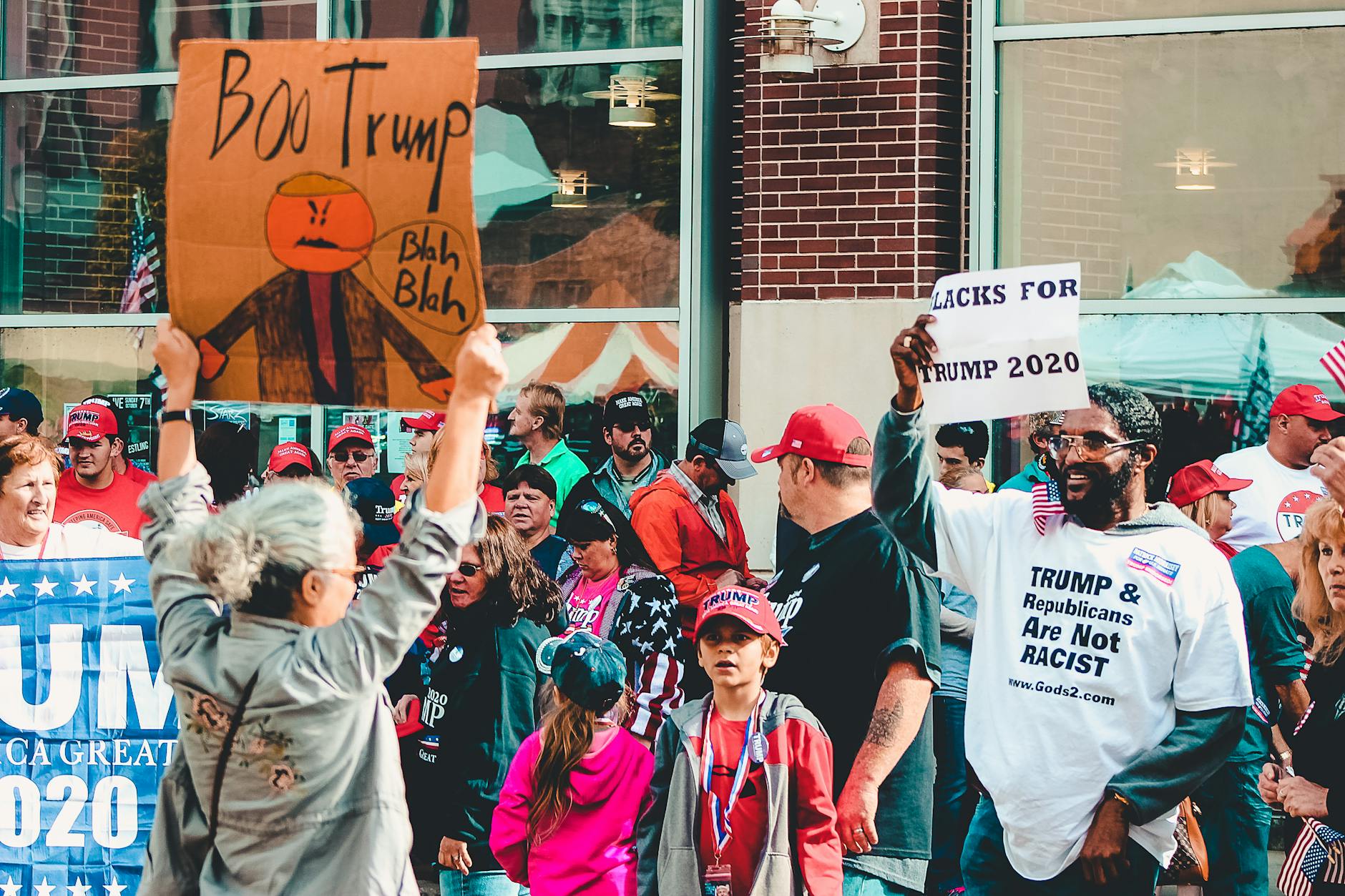
The move away from pure anti-Trump messaging reflects an important electoral reality: in competitive districts, opposition voters are already mobilized, while persuadable voters respond better to affirmative case-making. A candidate who leads with “Trump is bad” is preaching to the converted. A candidate who leads with “housing costs have risen 40 percent under Trump policies, and here’s my plan to increase supply” reaches voters who might be open to either candidate but are making a cost-benefit calculation. This doesn’t mean Democratic candidates are ignoring Trump. It means they’re reframing Trump-critical messaging within issue-specific contexts. For example, a candidate might link Trump’s judicial appointments to abortion restrictions, Trump’s labor board picks to worker protections, or Trump’s tax policies to inflation.
In each case, the critique of Trump remains, but it’s embedded in a policy argument rather than a character argument. This approach works better in swing districts because it appeals to voters who believe Trump is wrong on particular issues without requiring those voters to accept a wholesale rejection of Trump’s presidency. The tradeoff is measurable: issue-based messaging may suppress some base enthusiasm compared to full-throated opposition rhetoric. Anti-Trump activists sometimes feel that candidates aren’t fighting hard enough when the messaging becomes more measured and policy-focused. Democratic leaders have to balance the risk of base demoralization against the opportunity to win swing voters. In the 2026 midterms, the bet is that winning swing seats is more valuable than maximizing base turnout in already-safe Democratic districts.
📨 Get Free Accountability Coverage Alerts
Free · No spam · Unsubscribe anytime
The Risk of Losing Momentum if Issue-Based Messaging Fails to Resonate
A significant danger with the shift away from opposition messaging is that it removes a unifying theme from Democratic messaging. Anti-Trump opposition is simple, clear, and emotionally resonant. “Trump is hurting people” connects directly to voter anxieties. Issue-based messaging requires more scaffolding: “Trump’s policies contributed to inflation through X mechanism, and my alternative approach would Y.” If voters don’t accept the causal chain, the message fails. There’s also a timing problem. If economic conditions improve, or if Trump becomes less salient in news coverage, issue-based Democratic messaging loses some of its anchor point.
Opposition messaging has a built-in relevance as long as Trump is in office. Issue-based messaging requires constant reinforcement about how Trump policies connect to voter problems. That’s more resource-intensive and more vulnerable to message decay. A real warning here: if Democratic issue-based messaging fails to move persuadable voters on inflation, healthcare, or other priority issues, the party may find itself without a fallback position. Pure opposition messaging has already been deprioritized. The organizational infrastructure for grassroots anti-Trump activism may not scale back up quickly if candidates need to return to opposition-focused appeals. This represents a kind of strategic lock-in where the Democratic Party is betting heavily on issue-based messaging success, with limited optionality if that bet doesn’t pay off.
How the 2026 Midterms Will Test Whether Issue-Based Opposition Works
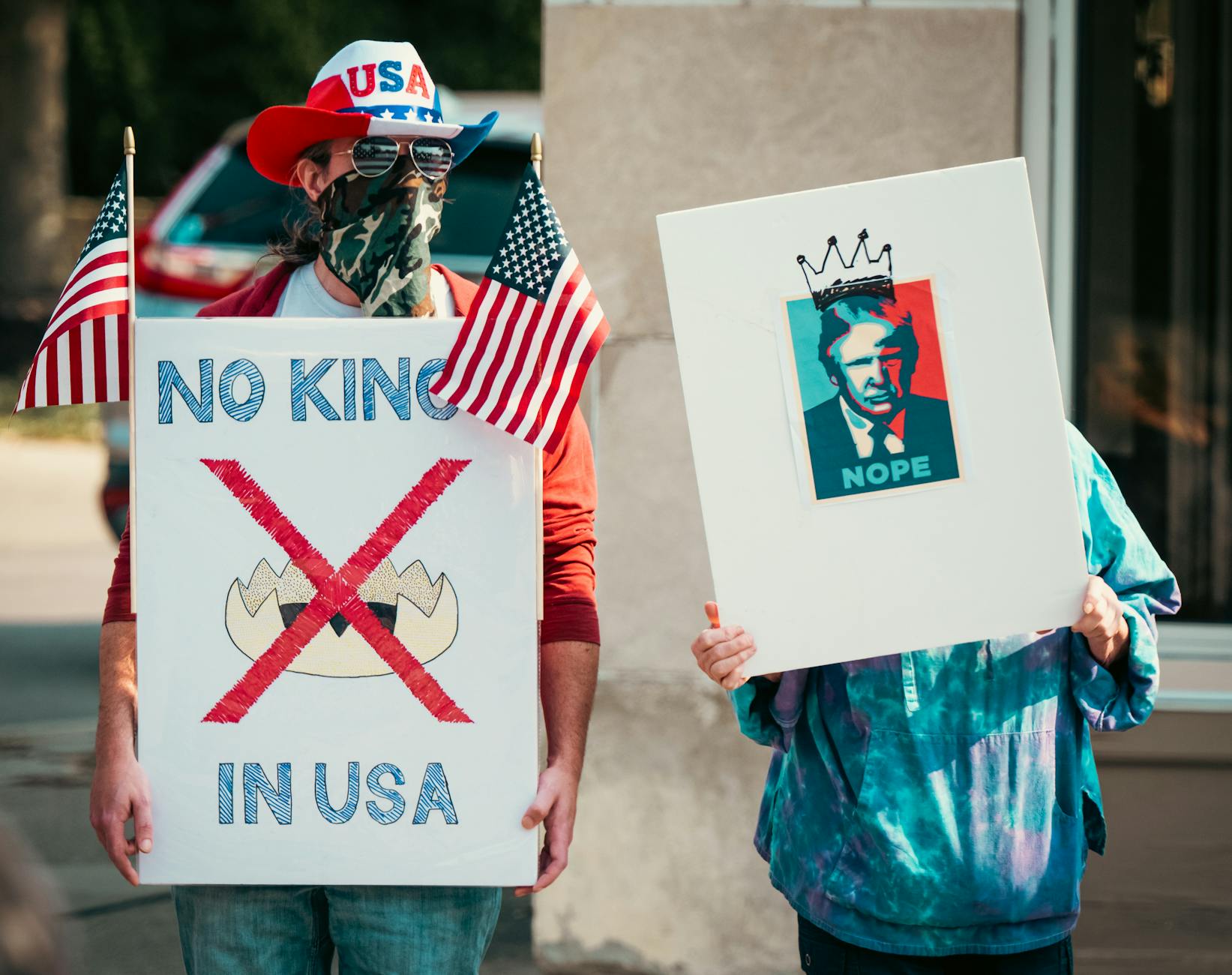
The 2026 midterm elections will serve as the real test of whether Democratic pivoting away from pure anti-Trump messaging was a strategic success or a missed opportunity. Voters will effectively decide which messaging framework is more persuasive: a campaign centered on Trump’s failings, or one centered on what Democrats would do instead. Early indicators from specific races will show whether candidates who lead with issue-based messaging outperform those who maintain heavier opposition messaging.
One specific example to watch: candidates in districts where Trump is popular but voters are concerned about costs or healthcare will test whether issue-based messaging can disaggregate Trump support. If these candidates perform well by focusing on kitchen-table issues rather than Trump himself, it validates the strategic shift. If they underperform, it suggests that opposition messaging, while moderated, remains necessary even in pro-Trump districts.
What Anti-Trump Messaging Evolution Tells Us About Future Political Dynamics
The shift in anti-Trump messaging reflects a deeper political maturity in Democratic strategy. Parties that rely purely on opposition to the incumbent typically struggle when they’re out of power for an extended period. Democratic strategists appear to be recognizing that they need to develop affirmative governing visions, not just critiques of Republican governance.
This is healthy for democracy because it pushes both parties toward articulating what they would do, not just what they oppose. Looking forward, this pattern may persist regardless of Trump’s political future. Even if Trump loses influence or Democrats regain power, the lesson that opposition-only messaging has limited persuasive power will likely stick. This could mean that American political campaigns become more issue-focused and less personality-driven over the next decade—a shift that, while more demanding on candidates and campaigns, ultimately gives voters more substantive grounds for decision-making.
Conclusion
Anti-Trump messaging hasn’t faded in terms of voter sentiment. Democratic disapproval of Trump has intensified, and public opposition to his policy agenda remains substantial. What has faded is the reliance on pure opposition messaging as a primary campaign tool. Democratic strategists are betting that issue-based messaging, embedded with Trump criticism but not centered on it, will be more effective at persuading swing voters and building governing coalitions.
The 2026 midterms will reveal whether this tactical shift was wise or premature. If Democratic candidates succeed with issue-based messaging, we may see a sustained move toward policy-focused campaigns across American politics. If they struggle, opposition-only messaging could make a comeback. Either way, the underlying anti-Trump sentiment remains durable and structured—what’s genuinely shifting is how political professionals are choosing to activate and direct it.
You Might Also Like
- Why Silent Anti Trump Voters Could Surprise Everyone
- Can Trust in Institutions Be Rebuilt?
- Why Republicans Fear Criticizing Trump