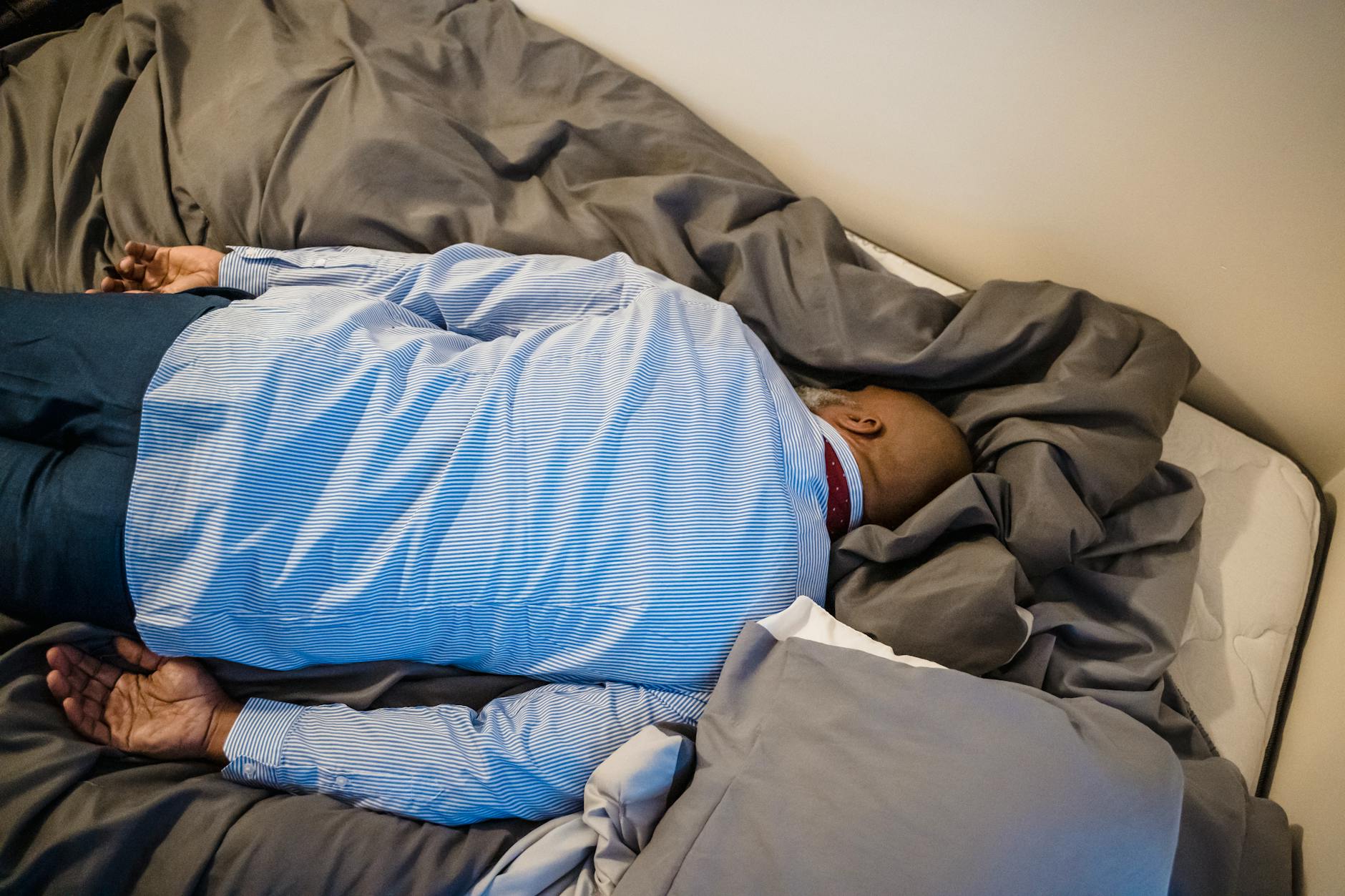
Trump fatigue is real—measurable surveys show genuine psychological exhaustion among Americans regarding news coverage and political discourse around the Trump administration. But it’s not a simple media invention either. What researchers call “headline fatigue” or “news fatigue” is a documented psychological phenomenon where constant exposure to polarizing information triggers stress responses, reduced engagement, and emotional depletion. A 2022 Pew Research survey found that 71% of Americans said following politics caused them stress, up from 52% in 2016—suggesting something tangible shifted in how the public experiences political news cycles. The media’s role complicates the picture.
News outlets amplify Trump-related stories because they drive engagement and advertising revenue; the 2017 Harvard Shorenstein Center study found that major networks devoted 234 minutes to Trump coverage compared to 10 minutes to policy issues in his first month alone. This creates a feedback loop: constant coverage exhausts audiences, but exhausted audiences still click headlines, attracting more coverage. So Trump fatigue is simultaneously genuine exhaustion and a media-constructed phenomenon—both are happening at once. The practical consequence for accountability journalism is real: as Trump fatigue deepens, public attention splinters across dozens of simultaneous scandals and policy changes, making it harder for class action suits, regulatory actions, or consumer protections to penetrate public awareness. When everything feels urgent and exhausting, voters and consumers may miss critical information about their legal rights or specific policy impacts.
Table of Contents
- Is the Exhaustion Psychological or Just Perception?
- How Media Amplification Fuels the Fatigue Cycle
- Why Trump Fatigue Differs from Previous Political Cycles
- How Fatigue Affects Civic Engagement and Consumer Awareness
- The Measurement Problem: Is Fatigue Real or Self-Reported?
- How Government Accountability Journalism Competes with Trump Fatigue
- The Future of Political News Consumption and Fatigue Recovery
- Conclusion
- Frequently Asked Questions
Is the Exhaustion Psychological or Just Perception?
The exhaustion is measurable in brain chemistry and behavior, not just perception. Neuroscientists call this “cognitive load overload”—when exposure to constant negative, polarizing information triggers chronic stress responses that deplete mental resources. A study in *Computers in Human Behavior* (2021) found that people who checked political news more than twice daily showed elevated cortisol levels, worse sleep quality, and reduced ability to make decisions on other topics. The effect is strongest in people with strong political convictions on either side, because the content hits emotional brain regions, not just information centers. However, the perception component matters too.
Social media algorithms and news apps are engineered to show you Trump-related content repeatedly—you see the same story across six platforms, creating an illusion of pervasiveness that amplifies fatigue. Someone might feel exhausted after 30 minutes of scrolling, not realizing they’ve seen five variations of the same story. This distinction matters because it means some “fatigue” is real neurological exhaustion, while some is a compounded perception of repetition. The warning here is that media outlets know this and sometimes weaponize it. Some conservative outlets flood the zone with Trump-favorable coverage to reduce critical scrutiny; some progressive outlets do the same in reverse. The audience exhaustion becomes a feature, not a bug, because exhausted audiences are less likely to demand accountability or read detailed policy analysis.
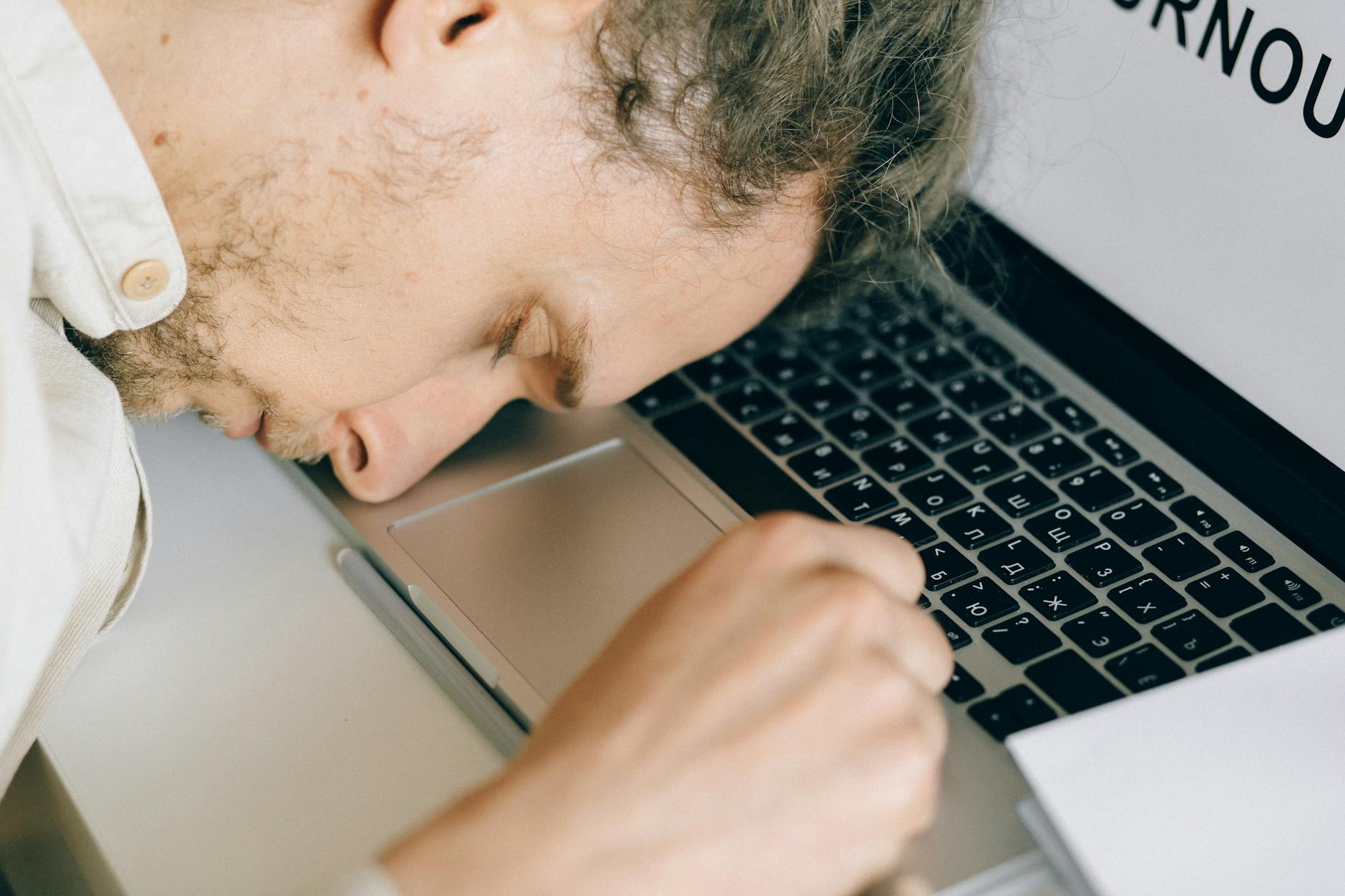
How Media Amplification Fuels the Fatigue Cycle
Traditional news media faces a structural problem: trump administration policies and statements are inherently controversial and generate clicks. In 2017, CNN found that Trump-related stories received 5 times more viewer engagement than non-Trump stories. This isn’t a conspiracy—it’s basic economics. A news director choosing between a detailed healthcare policy analysis and a Trump statement knows which gets more ad revenue. Over time, this creates an editorial bias toward Trump coverage that has nothing to do with fairness and everything to do with metrics. The limitation of this media model is that it crowds out other important stories that don’t generate the same engagement.
Class action settlements, FDA policy changes, and labor violations get less coverage not because they’re less important but because they’re less sensational. This means the public develops a distorted sense of priority—they’re exhausted by Trump fatigue while remaining ignorant of specific policy impacts that directly affect their consumer rights or legal standing. A consumer might be aware of 20 Trump controversies but unaware they’re entitled to compensation in a settlement that closes in 60 days. social media algorithms make this worse by creating echo chambers. A progressive user sees constant Trump criticism; a conservative user sees constant Trump defense. Both experience fatigue, but from different angles, which paradoxically makes them more ideologically polarized, not less. More fatigue, more division, less nuance.
Why Trump Fatigue Differs from Previous Political Cycles
Previous presidencies had controversy and media coverage, but the intensity and speed of the Trump cycle felt unprecedented to most observers. The reason is structural: Trump’s use of Twitter (now X) as a direct communication channel, combined with a 24-hour news cycle and social media amplification, collapsed the time between an action, media coverage, and public reaction. In the Obama or Bush administrations, a major story might dominate news for two days. In the Trump administration, a story breaks, generates 1,000 takes in 8 hours, spawns 500 memes, and is partially forgotten before dinner. The sheer velocity is exhausting.
Research on information overload supports this. A 2019 study in *Media Psychology* found that audiences exposed to news at rates above 100 stories per hour showed measurable cognitive decline and reduced critical thinking—they started skimming rather than reading, leading to decreased understanding and increased misinformation spread. The Trump era normalized this pace, making politics feel like a firehose rather than a story you can track and understand. The comparison is instructive: voters in the 2016 election reported less fatigue despite similar coverage intensity because the election had a defined endpoint. After the election, they expected coverage to normalize. But the Trump administration continued at electoral-cycle intensity for four years straight, with no perceived off-ramp, which is why fatigue accumulated and felt genuinely exhausting rather than temporarily stressful.

How Fatigue Affects Civic Engagement and Consumer Awareness
Trump fatigue has a measurable dampening effect on civic participation. After intense news cycles, voters report lower interest in voting, contacting representatives, or following policy details. A Gallup survey (2020) found that 64% of Americans said they actively avoided political news on certain days, primarily citing emotional exhaustion. This sounds benign—taking a mental health break from news—but it has consequences. Voters who disengage from political news are less likely to vote, less likely to understand ballot measures, and less likely to be aware of policy changes that affect them directly. For consumer accountability, this is critical.
Class action suits, FTC enforcement actions, and regulatory changes often get minimal mainstream coverage because they’re not sensational enough to break through the Trump-fatigue haze. A consumer who is exhausted by political news is probably not following regulatory announcements about defective products, data breaches, or settlement deadlines. The tradeoff is real: the more Trump-dominated the news cycle, the less public attention flows to consumer protection actions. Someone might miss a $200 settlement payout because they were too fatigued by the 50th Trump story that week. The practical implication for accountability journalism is that impact depends on cutting through fatigue with specificity and personal relevance. A headline saying “FTC Sues Company Over Hidden Fees” underperforms; “You Might Be Owed $500: Here’s How to Claim It” breaks through fatigue because it’s directly actionable.
The Measurement Problem: Is Fatigue Real or Self-Reported?
Fatigue is partly psychological (measurable) and partly self-reported (which can be inflated or minimized depending on political identity). Surveys asking “Do you feel fatigued by political news?” are valid but not pure measurements because the answer depends partly on the respondent’s identity and partly on their actual exposure. A conservative respondent who watches Fox News for 3 hours daily might report low Trump fatigue because the coverage aligns with their views, while a progressive respondent who consumes mixed media might report higher fatigue despite similar total exposure time. The feeling depends on whether the news feels threatening or vindicating. This matters because some fatigue claims are politically motivated.
A claim that “people are tired of Trump coverage” can be a way of saying “I want less scrutiny of Trump,” depending on who’s making it. Similarly, claims that “people are exhausted by Trump hysteria” versus “people are exhausted by Trump’s actions” reflect different political positions being expressed as neutral fatigue observations. The warning here is that self-reported fatigue is real but not immune to motivated reasoning. The limitation is that true cognitive load fatigue (measurable via stress hormones, sleep patterns, and decision-making quality) is harder to attribute to Trump coverage specifically versus general information overload, economic stress, or pandemic effects. A person might be fatigued from work stress, financial anxiety, and bad sleep—all of which reduce their media consumption and engagement—but report it as “political fatigue” when surveyed.

How Government Accountability Journalism Competes with Trump Fatigue
Accountability journalism—class action litigation, regulatory enforcement, fiscal audits—often gets buried in Trump-dominated news cycles. A reporter breaking a story about misused taxpayer funds during the Trump administration faces a choice: frame it as a Trump scandal to get clicks, or frame it as a structural accountability issue to be accurate but less sensational. Most outlets choose the former, which means the story gets consumed by exhausted readers who don’t retain details and move on.
📨 Get Free Accountability Coverage Alerts
Free · No spam · Unsubscribe anytime
The journalism succeeds at getting attention but fails at creating actionable understanding. Some outlets have found that specificity cuts through fatigue. ProPublica’s investigations into specific policy impacts (who gets hurt by this environmental rule change, which taxpayers pay for this) generate higher engagement and retention than abstract political narratives. This suggests the solution to Trump fatigue isn’t less news but different news—news that answers “what does this mean for me?” rather than “what did Trump do today?”.
The Future of Political News Consumption and Fatigue Recovery
As Trump remains a polarizing figure regardless of his office, the fatigue cycle is unlikely to resolve quickly. The 2024 campaign demonstrated that Trump-related news continues to dominate media attention and trigger fatigue symptoms in large portions of the electorate. Some research suggests that exposure to Trump news triggers similar stress patterns regardless of time period or office held, indicating the fatigue is linked to the person, not the circumstance of a specific presidency.
The long-term implication is that the public will continue fragmenting into separate news ecosystems that minimize fatigue by eliminating sources of information that feel exhausting. This increases polarization and reduces shared factual understanding. For accountability journalism, it means success requires either reaching people before they’re exhausted (morning news) or delivering news in formats designed for fatigued audiences (summaries, visual explanations, personal impact angles). The alternative is remaining a niche concern while Trump-related stories dominate public attention.
Conclusion
Trump fatigue is real—it’s a measurable psychological phenomenon with documented stress effects, behavioral changes, and civic consequences. But it’s not pure authenticity or pure media construction; it’s a genuine response to genuine information overload that is simultaneously amplified by media business models and political polarization. The question “Is it real or media fantasy?” is a false binary. It’s real *and* media-amplified, which makes it harder to resolve through either individual behavior change (just ignore it) or media reform (just cover less Trump).
The practical consequence for anyone navigating public accountability issues—legal claims, regulatory changes, consumer protections—is that breaking through Trump fatigue requires specificity, personal relevance, and clear action items. The news environment isn’t going to become less exhausting on its own. Understanding that Trump fatigue is real helps explain why important accountability journalism sometimes fails to reach audiences not because the journalism is bad but because the audience is exhausted and distracted. The solution isn’t more Trump coverage or less; it’s different coverage that answers questions people actually need answered.
Frequently Asked Questions
Is Trump fatigue scientifically proven?
Yes and no. Cognitive load fatigue from constant exposure to stressful news is well-documented in neuroscience research. But attributing that fatigue specifically to Trump versus general news overload, economic stress, or other factors is harder to prove with direct causation. Self-reported “Trump fatigue” in surveys is valid but not immune to political bias in how respondents interpret the question.
Why does Trump coverage dominate mainstream media?
Trump-related stories generate significantly higher engagement and advertising revenue than other news. In 2017, news networks found Trump stories received 5 times more viewer engagement than non-Trump stories. This is economic incentive, not conspiracy. But the result is that important accountability news about policy impacts, regulatory changes, or class action settlements gets crowded out.
How does Trump fatigue affect legal awareness?
Research shows that audiences experiencing high news fatigue disengage from all political and civic information, not just Trump coverage. This means people become less aware of class action settlements, regulatory changes, and legal protections that directly affect them. Missing a settlement deadline because you were overwhelmed by political news is a real consequence.
Can I avoid Trump fatigue without disconnecting completely?
Yes. Consume news in structured blocks (designated times) rather than continuous scrolling. Prioritize specific impact journalism (how does this policy affect you?) over daily political commentary. Limit social media consumption where algorithms amplify Trump coverage. You can stay informed without remaining in a constant state of exhaustion.
Why is Trump fatigue worse than previous political controversies?
The speed and volume are unprecedented. Twitter, 24-hour news cycles, and algorithmic amplification collapse the time between action and reaction. A major story in the Obama era might dominate for two days; in the Trump era, a story breaks, generates 1,000 takes in 8 hours, and partially fades before the next crisis. The velocity is exhausting in a way previous political cycles weren’t.
What should journalists do about Trump fatigue?
Cover Trump news when it’s significant, but pair it with specific impact stories that answer “what does this mean for me?” rather than “what did Trump do today?” Prioritize accountability journalism that holds power structures accountable rather than just documenting daily controversy. The solution isn’t less coverage but different coverage.
You Might Also Like
- Why Polls Keep Missing Real Anger
- Would Don Jr. Ever Run for President?
- Why Wall Street Still Bets on Both Parties