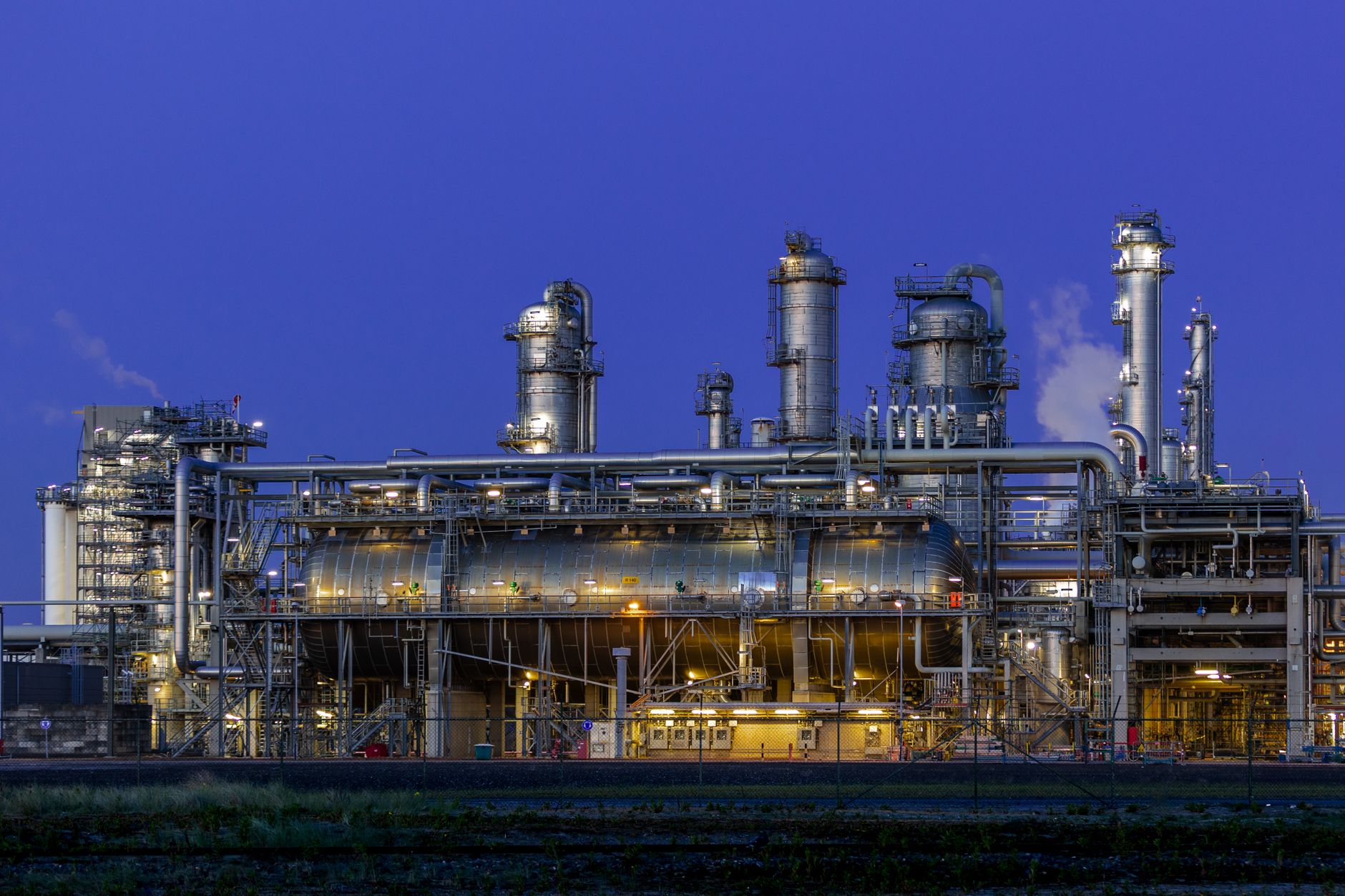
Washington has pressed Ukraine to stop its long-range drone attacks on Russian oil refineries, a point the Financial Times made in its October 27, 2026 story, listing that pressure alongside a Russian diesel deal and paused energy sanctions as steps the US has already taken. The Ukraine refinery strikes have become one of the sharpest points of friction between Kyiv and the Trump administration.
Where it stands: In an interview published Oct. 26, Volodymyr Zelensky said Ukraine had offered the US three ways to halt the strikes, and that none had been put into effect, so the attacks continue.
The reported threats behind the pressure have been partly confirmed and partly denied. Reuters, relaying an Oct. 11 FT report, said the White House “did not immediately respond to a request for comment.” Trump denied on Oct. 13 that intelligence sharing had stopped. Zelensky said a warning had been passed to his generals, not to him.
The FT placed this pressure inside a wider story about postwar business ideas for Russia. A US official told the paper of those ideas that “nothing is finalised.”
What did the FT report about US pressure over Ukraine refinery strikes?
In its Oct. 27 story the FT wrote, in a single sentence, that the US “pressured Ukraine to stop drone strikes on Russia’s refineries.” The more detailed account came two weeks earlier.
On Oct. 11, Reuters summarized an FT report that the US was “threatening to stop the procurement system that provides Ukraine with weapons in order to press Kyiv to halt its deep strikes on Russian energy infrastructure.” The FT cited officials in Europe. The system in question is known as PURL. Reuters added: “Reuters could not immediately verify the report.”
What did Ukrainian officials say about the threats?
Two Ukrainian officials told the Kyiv Independent the threats were real. They said US counterparts made clear Washington “would hold Kyiv responsible if Russian energy infrastructure were struck during the recently announced ceasefire.” That was the ceasefire Trump announced on Oct. 11.
One described the message bluntly: “They’re telling everyone that they’re going to turn off both the intelligence sharing and PURL.” One detail was withdrawn. An earlier version of the story said Pavlo Palisa, a deputy head of the President’s Office, had confirmed the information to the FT; Palisa “publicly denied confirming the information” to that paper, and the Kyiv Independent removed the paragraph.
Zelensky addressed it in an interview with NPR. According to European Pravda, he said he had not received such a warning personally, “but it was conveyed to Ukrainian generals.” Trump, for his part, denied on Oct. 13 that the US had stopped providing intelligence.
| Claim | Who says so | Pushback or status |
|---|---|---|
| US threatened to halt PURL arms purchases | FT, Oct. 11, citing officials in Europe | Reuters could not verify; no White House reply |
| US threatened to cut intelligence sharing | Two Ukrainian officials to the Kyiv Independent | Trump denied on Oct. 13 that intel had stopped |
| Warning reached Ukraine’s military | Zelensky, interview with NPR | He said he was not told personally |
| US pressed Kyiv to stop refinery strikes | FT, Oct. 27 | Zelensky says strikes continue |
Why does Trump want the strikes to stop?
Fuel prices. Trump has said the attacks hurt global supply at a time when diesel is expensive in the United States and worldwide.
CNBC reported that Trump had urged Zelensky to stop hitting Russian refineries, saying the attacks are “hurting the world” while supply disruptions keep American diesel expensive. In September, according to The National, he called on Zelensky to halt the attacks “because he’s causing a shortage of diesel fuel.” The administration’s diesel arrangement with Moscow followed on Oct. 9; we cover it in our piece on the diesel deal and paused sanctions, and the price backdrop in why diesel costs so much this year.
How much damage have the drone strikes done to Russian fuel?
Enough that Moscow stopped selling diesel abroad this summer. CNN reported in July that Russia had “fully banned exports of diesel” after drone strikes on its refineries caused widespread shortages at home.
The International Energy Agency has tracked the effect month by month. Its September report cited “a near-halt to product exports following intensified Ukrainian attacks.” In October it said “Russian gasoil production and exports have slumped in recent months due to increasing damage to refineries from Ukrainian drones.” AP, citing the IEA, reported that Russian diesel output “has fallen by about 30%.”
📨 Get Free Accountability Coverage Alerts
Free · No spam · Unsubscribe anytime
The pain shows up inside Russia, too. Reuters reported on Oct. 23 that Russian petrol prices “have spiked by 21% and for diesel by 13.4% since the start of 2026 after drone attacks.” The Centre for Research on Clean Air estimated, per The National, that Russia’s fossil fuel export revenue fell 8 per cent month on month in August to €604 million a day. The Kyiv Post said the strikes had forced Russia to ration fuel.
Would stopping the strikes lower world diesel prices?
Not quickly, by the IEA’s reading. The agency said the easing of Russian diesel export rules “is unlikely to materially alter the global gasoil market balance as the current export constraints stem from a lack of operational Russian refinery capacity.”
Global diesel prices hit all-time highs of “more than $200/bbl” in September before easing, the IEA said, and benchmarks remain nearly double the price of crude. Zelensky has made a related argument from Kyiv’s side, saying “Russia accounts for only 2% of global diesel exports.” That share is Zelensky’s own figure.
How has Kyiv responded to the pressure?
By refusing to stop unilaterally while offering conditions. Kyiv vowed to keep striking, according to unnamed officials cited by the FT and relayed by the Kyiv Post on Oct. 10.
Zelensky has framed an energy truce as reciprocal: “We are ready to respect an energy ceasefire if Russia is ready to do the same. We agree if they agree.” He also pointed to Ukraine’s own exposure: “In Ukraine, we have just one oil refinery. And it was badly damaged by Russian strikes long, long ago.” Trump’s earlier claim that both sides had agreed to an energy pause is examined in our energy-ceasefire fact check.
In an interview published Oct. 26, Zelensky told journalist Alla Mazur that Ukraine had been ready to halt the refinery attacks if one of three conditions was met. None had been implemented, he said, “which is why Ukraine continues to strike Russian oil refineries.” The broader set of US-Russian proposals is in our main FT report.
Frequently Asked Questions
Did the US threaten to cut intelligence to Ukraine over refinery strikes?
Two Ukrainian officials told the Kyiv Independent that US counterparts threatened to turn off intelligence sharing and PURL weapons purchases. Zelensky said the warning reached his generals. Trump denied on Oct. 13 that intelligence had stopped.
Is Ukraine still striking Russian refineries?
Yes. Zelensky said on Oct. 26 that none of Ukraine’s three proposals to halt the strikes had been implemented, which is why the attacks continue.
Why did Russia ban diesel exports?
CNN reported in July 2026 that Russia fully banned diesel exports after Ukrainian drone strikes on its refineries caused widespread fuel shortages. The IEA later described a near-halt to Russian product exports.
What is PURL?
Reuters described PURL as the procurement system that provides Ukraine with weapons. The FT reported in October that the US threatened to stop it to press Kyiv over strikes on Russian energy sites.
Would ending the strikes lower diesel prices?
The IEA said easing Russian diesel export restrictions is unlikely to materially change the global gasoil balance, because Russia lacks working refinery capacity. Prices reached record highs in September.
Sources
- Washington discusses Russian deals for US oil majors in Ukraine peace talks — Financial Times, October 27, 2026
- US threatens to block arms for Ukraine over refinery attacks, FT reports — Reuters (via Internazionale), October 11, 2026
- US threatens to cut intel sharing, arms shipments to Ukraine to protect Russian oil refineries, sources confirm — The Kyiv Independent, October 12, 2026
- Zelenskyy confirms US threatened to cut intelligence-sharing over Ukrainian strikes on Russian oil refineries — European Pravda, October 14, 2026
- Zelensky: Ukraine Offered US 3 Ways to Stop Strikes on Russian Oil Refineries — Kyiv Post, October 26, 2026
- ‘Better Damn Well Stop’ – Trump Lambasts Kyiv’s Refinery Attacks, Calls for New President in Ukraine — Kyiv Post, October 10, 2026
- Trump strikes deal with Putin to get diesel in sharp reversal of US policy weeks before midterms — The Associated Press (via Live 5 News), October 9, 2026
- Russia bans diesel exports after Ukrainian attacks, straining tense global market — CNN Business, July 9, 2026
- Oil Market Report – September 2026 — International Energy Agency, September 11, 2026
- Oil Market Report – October 2026 — International Energy Agency, October 14, 2026
- Trump lifts US sanctions on Russian diesel amid price surge — The National, October 9, 2026
- Russia ramps up attacks on Ukraine as U.S. pushes for peace talks — CNBC, October 5, 2026
- Russian central bank keeps key rate on hold at 14%, raises 2026 inflation forecast — Reuters (via WTVB), October 23, 2026
This article is news reporting and analysis based on the public sources listed above, as they stood on the dates shown. Where officials, lawmakers or analysts disagree, including on whether an action is lawful, their positions are attributed to them; Donald Trump Class Action is not a court and nothing here is legal advice. Facts in a developing story can change.