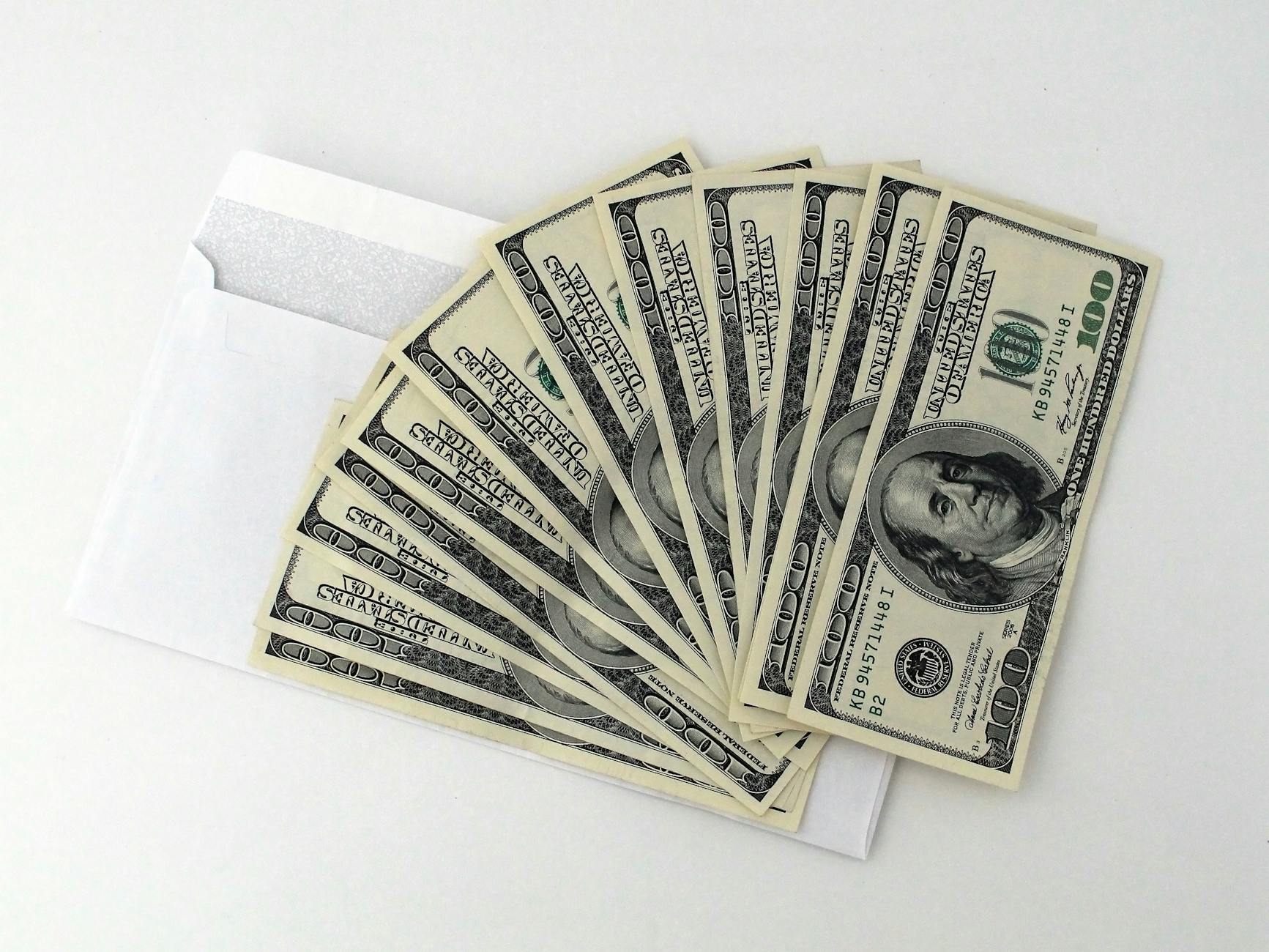
Trump’s promise to send every American a $2,000 tariff rebate check is dead. The Supreme Court’s February 20, 2026 ruling in *Learning Resources, Inc. v. Trump* struck down the IEEPA-based tariffs in a 6-3 decision, gutting the revenue source that was supposed to fund those payments. Experts now say the odds of anyone receiving a tariff dividend check are “effectively zero,” according to CNBC reporting from February 23, 2026.
The promise was always on shaky ground. Trump first floated the idea on Truth Social in November 2025, claiming “A dividend of at least $2,000 a person (not including high income people!) will be paid to everyone” from tariff revenue. He initially said checks would arrive by mid-2026, then pushed the timeline back to “toward the end of the year” in January 2026. Now, with the legal foundation for his tariff regime demolished and Congressional Republicans openly hostile to the idea, there is no realistic path forward. This article breaks down what happened, why the promise collapsed, what Congress actually said about it, and what consumers should realistically expect going forward.
Table of Contents
- What Happened to Trump’s $2,000 Tariff Rebate Check Promise?
- Why the Supreme Court Ruling Made the Rebate Impossible
- Congressional Republicans Publicly Revolted Against the Rebate
- What Consumers Should Actually Expect Instead of a $2,000 Check
- Could the Rebate Promise Be Revived in Any Form?
- The Broader Impact of the IEEPA Ruling on Trade Policy
- What Comes Next for Tariff Policy and Consumer Costs
- Conclusion
- Frequently Asked Questions
What Happened to Trump’s $2,000 Tariff Rebate Check Promise?
The short answer: the Supreme Court happened. On February 20, 2026, six justices ruled that the International Emergency Economic Powers Act does not give the president authority to impose tariffs. Chief Justice John Roberts wrote the majority opinion and did not mince words: “IEEPA contains no reference to tariffs or duties” and “until now no President has read IEEPA to confer such power.” The ruling immediately invalidated tariffs that had already raised more than $160 billion and were projected to bring in $1.4 trillion between 2026 and 2035. That $1.4 trillion projection was the entire financial basis for trump‘s rebate promise. Simple math tells the story.
Roughly 260 million American adults would each need $2,000, totaling around $520 billion. That’s a massive outlay, but it looked theoretically possible against a $1.4 trillion revenue projection over a decade. With those tariffs struck down, the numbers no longer work. Trump moved quickly to salvage some tariff revenue, issuing a Proclamation under Section 122 that imposed a temporary 10 percent import surcharge effective February 24, 2026 — but it only lasts 150 days. The revenue generated by a temporary, lower-rate surcharge is a fraction of what the IEEPA tariffs were pulling in. It is nowhere near enough to fund a nationwide rebate program, even if Congress were willing to authorize one.

Why the Supreme Court Ruling Made the Rebate Impossible
The *Learning Resources, Inc. v. Trump* decision did not just trim the edges of Trump’s tariff authority — it demolished the foundation. The 6-3 vote was decisive, not a narrow split that might be revisited. Three conservative justices joined the three liberal justices, making this a broad repudiation of executive overreach on trade policy. For the rebate promise, this ruling is fatal for a simple reason: there is no replacement revenue source of comparable size.
However, even if Congress were to pass new tariff legislation granting the president explicit authority — a possibility some administration allies have floated — the timeline would stretch well beyond 2026. Drafting legislation, navigating committee markups, surviving floor votes in both chambers, and then actually collecting enough revenue to fund $2,000 checks would take years, not months. And that assumes political will exists, which it does not. The temporary Section 122 surcharge buys time politically but generates only a sliver of the revenue the IEEPA tariffs produced. There is an important limitation to understand here. Even before the Supreme Court ruling, most policy analysts considered the rebate a long shot. CNBC reported that analysts described tariff dividends as “a long shot from the beginning.” The ruling did not kill a healthy proposal — it ended one that was already on life support.
Congressional Republicans Publicly Revolted Against the Rebate
One of the most damaging blows to the rebate promise came from Trump’s own party. Sen. Ron Johnson of Wisconsin said publicly that any tariff revenue needs to pay down the $1.8 trillion U.S. deficit, stating bluntly: “we can’t afford it.” Johnson is not a moderate squish — he is a fiscal conservative with significant influence among the Republican caucus, and his opposition signaled where most of the party stood. Multiple Republican senators called the proposal everything from “a bad idea” to “insane.” That is remarkable language to use against a sitting president of your own party on a signature promise. Sen.
Josh Hawley of Missouri tried to give the idea legislative legs by introducing the American Worker Rebate Act, which would have formalized the stimulus check. It fell flat among his Republican colleagues. When a populist Republican like Hawley cannot get traction on a direct-payment proposal within his own caucus, the idea has no legislative future. The core conservative objection is straightforward: with a $1.8 trillion deficit, sending rebate checks amounts to borrowing money to hand out cash. Most Republican members of Congress would rather use any tariff revenue — whatever remains after the Supreme Court ruling — for debt reduction. That position is unlikely to change regardless of how the administration frames the proposal.

What Consumers Should Actually Expect Instead of a $2,000 Check
If you were counting on a $2,000 tariff rebate check, it is time to adjust your financial planning. No legislation has passed. No checks have been issued. No administrative mechanism for distributing payments has been created. The promise is dead by every practical measure. What consumers are actually dealing with is the opposite of a rebate: higher prices.
Tariffs — whether the struck-down IEEPA version or the temporary Section 122 surcharge — are paid by importers and overwhelmingly passed on to consumers through higher retail prices. Studies from Trump’s first term showed tariffs on Chinese goods cost the average American household hundreds of dollars per year in higher prices. The 10 percent surcharge currently in effect continues that dynamic, albeit at a reduced scale compared to the IEEPA tariffs. The tradeoff here is worth stating plainly. The administration argued that tariff revenue would fund direct payments to Americans, effectively recycling the cost of higher prices back to consumers. With that recycling mechanism dead, consumers bear the cost of the remaining surcharges without any offsetting benefit. You pay more at the store and receive nothing in return.
Could the Rebate Promise Be Revived in Any Form?
Technically, Congress could pass legislation authorizing direct payments funded by tariff revenue or any other source. But the political obstacles are enormous. The Republican caucus has shown no appetite for it. Democrats have little incentive to hand the administration a political win on a signature promise. And the revenue math no longer works after the Supreme Court stripped away the primary funding mechanism.
There is one scenario where something resembling a rebate could resurface: if the administration rebrands it. Tax credits, adjustments to withholding, or targeted relief for specific groups affected by tariffs could be packaged as fulfilling the spirit of the promise without requiring the same scale of funding. However, a targeted tax adjustment is a far cry from a $2,000 check mailed to every American, and voters who were promised the latter are unlikely to see the former as a substitute. The warning for consumers is this: do not make financial decisions based on receiving money that no serious analyst expects to materialize. If a social media post, email, or advertisement claims you can sign up for a tariff rebate check, it is almost certainly a scam. No legitimate program exists, and none is in development.

The Broader Impact of the IEEPA Ruling on Trade Policy
The Supreme Court’s decision in *Learning Resources, Inc. v. Trump* has implications far beyond the rebate promise.
📨 Get Free Accountability Coverage Alerts
Free · No spam · Unsubscribe anytime
By ruling that IEEPA does not authorize tariffs, the Court constrained future presidents — not just Trump — from using emergency powers to impose trade barriers without Congressional approval. This shifts significant power back to Congress on trade policy, a domain where the legislature has been ceding authority to the executive branch for decades. For everyday Americans, this means trade policy changes will likely move more slowly in the future, requiring the messy, public process of legislation rather than executive proclamation. That is arguably healthier for democratic accountability, but it also means the kind of sweeping, rapid tariff actions that defined the past year are off the table absent new legislation.
What Comes Next for Tariff Policy and Consumer Costs
The temporary 10 percent Section 122 surcharge expires after 150 days, putting its end date around late July 2026. After that, the administration will need Congressional action to maintain any broad tariff regime. Whether Congress acts — and what form that action takes — will determine the trajectory of consumer prices on imported goods for the rest of the decade.
The rebate promise may be dead, but the policy debates it sparked are not. Questions about how tariff revenue should be used, whether direct payments to citizens are sound fiscal policy, and how much unilateral trade authority a president should wield will persist well beyond this administration. For now, though, the $2,000 check is not coming. Plan accordingly.
Conclusion
Trump’s $2,000 tariff rebate check promise collapsed under the weight of a Supreme Court ruling that destroyed its funding mechanism and Congressional opposition that blocked its only legislative path. The 6-3 decision in *Learning Resources, Inc. v. Trump* struck down IEEPA tariffs that had raised over $160 billion, and Republican senators from Ron Johnson to colleagues who called the idea “insane” ensured no legislation would fill the gap.
The promise went from aspirational to impossible in a matter of weeks. If you were expecting a check, redirect that energy toward your own financial planning. Be wary of scams claiming to offer sign-ups for tariff rebate payments — no such program exists. The policy conversation around tariffs, trade, and government revenue will continue, but the specific promise of a $2,000 payment to every American is over. The math does not work, the legal authority does not exist, and the political will was never there to begin with.
Frequently Asked Questions
Will I receive a $2,000 tariff rebate check from the government?
No. No legislation has passed, no checks have been issued, and after the Supreme Court struck down the IEEPA tariffs that were supposed to fund the payments, experts say the odds are “effectively zero.”
Did the Supreme Court rule against the tariff rebate specifically?
Not directly. The Court ruled in *Learning Resources, Inc. v. Trump* that IEEPA does not authorize the president to impose tariffs. This eliminated the revenue source — over $1.4 trillion in projected collections — that was supposed to fund the rebate checks.
Is there any legislation pending to create tariff rebate checks?
Sen. Josh Hawley introduced the American Worker Rebate Act, but it has no meaningful support among Republican senators. Multiple GOP members have publicly called the idea unaffordable given the $1.8 trillion federal deficit.
Are tariffs still in effect after the Supreme Court ruling?
Trump issued a temporary 10 percent import surcharge under Section 122, effective February 24, 2026, lasting 150 days. This generates far less revenue than the struck-down IEEPA tariffs.
If someone contacts me about signing up for a tariff rebate check, is it legitimate?
No. There is no government program distributing tariff rebate checks. Any solicitation asking for personal information to “register” for such payments is a scam.
Could a future Congress still pass tariff rebate legislation?
Theoretically, yes. Practically, no serious political observer expects it. The revenue base is gone, the deficit is $1.8 trillion, and the Republican caucus has signaled it would rather use any tariff revenue for debt reduction.
You Might Also Like
- Woman Placed Walmart Pickup Order…6 Items Marked “Out of Stock”…All Sitting on Shelf
- US and Iran Reach “General Agreement” on Nuclear Deal in Geneva Talks
- US Withdraws Forces From Northeast Syria as Iran Crisis Pulls Military Resources