
The United States and Iran reached what Iranian Foreign Minister Abbas Araghchi called “a general agreement on a series of guiding principles” during their second round of indirect nuclear talks in Geneva on February 17, 2026. The agreement, brokered by Omani Foreign Minister Badr al-Busaidi, establishes a framework for future negotiations but falls well short of an actual nuclear deal. No formal agreement has been signed, and the two sides remain far apart on fundamental issues including uranium enrichment, ballistic missiles, and the scope of any potential arrangement.
The talks represent the first serious diplomatic engagement between Washington and Tehran since the Trump administration took office, conducted against a backdrop of escalating military posturing in the Middle East and intelligence assessments suggesting Iran may be pursuing nuclear weapons capability. Three rounds of negotiations have now taken place in Geneva, with technical discussions moving to Vienna at IAEA headquarters. This article examines what exactly the two sides agreed to, where the major sticking points remain, what role the US military buildup plays in the negotiations, and what consumers and taxpayers should understand about the economic implications of these talks.
Table of Contents
- What Does the “General Agreement” Between the US and Iran Actually Mean?
- Where the US and Iran Stand Worlds Apart on Nuclear Terms
- The Role of Oman and the Unusual Structure of These Negotiations
- Military Buildup and Diplomatic Leverage in the Middle East
- What Could Derail the Talks Entirely
- Economic and Sanctions Implications for US Consumers
- What Comes Next and Why It Matters
- Conclusion
- Frequently Asked Questions
What Does the “General Agreement” Between the US and Iran Actually Mean?
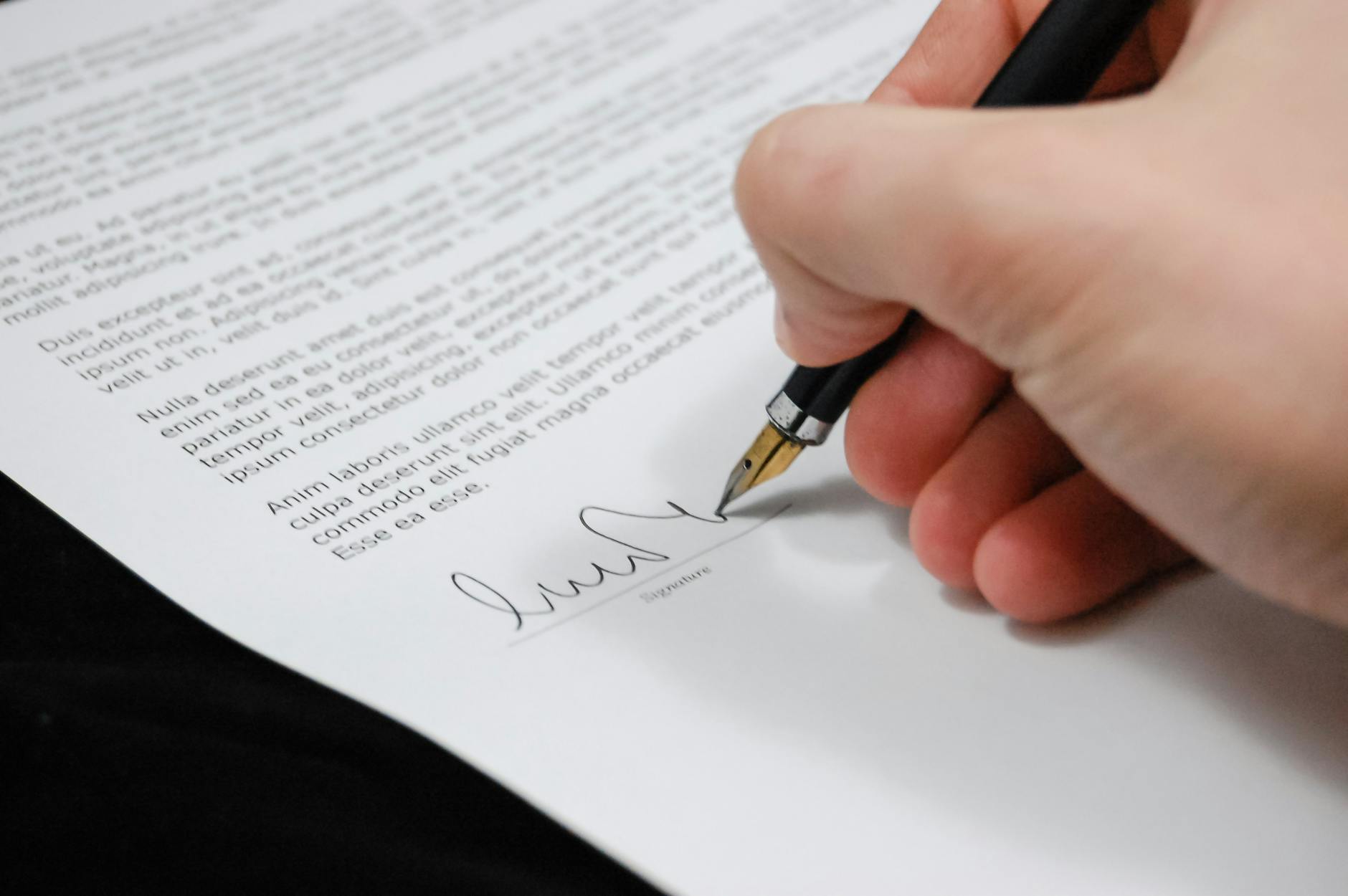
The phrase “general agreement on guiding principles” sounds significant, but it deserves careful parsing. What Araghchi described after the February 17 session is essentially an agreement on how to negotiate, not an agreement on substance. The two sides established a set of principles that will guide future discussions and provide a framework for drafting actual treaty text. Think of it as agreeing on the table of contents before writing the book.
That is meaningful progress compared to the outright hostility that characterized US-Iran relations in recent years, but it is not the same as reaching a deal on any of the core issues. For comparison, the 2015 Joint Comprehensive Plan of Action took roughly two years of intensive negotiations after an initial framework agreement in Lausanne. That deal, which the first trump administration withdrew from in 2018, included detailed provisions on centrifuge numbers, enrichment levels, stockpile limits, and inspection regimes. The current “guiding principles” have not been publicly detailed, and neither side has disclosed what topics they cover. Araghchi himself cautioned that a formal agreement was unlikely to come together quickly, even while describing the second round as showing “good progress.”.
Where the US and Iran Stand Worlds Apart on Nuclear Terms
The gap between American and iranian positions remains enormous, and understanding these differences is essential for evaluating whether a deal is realistic. The US has laid out maximalist demands: Iran must destroy its three main nuclear sites at Fordow, Natanz, and Isfahan, deliver all remaining enriched uranium to the United States, and accept a permanent agreement with no sunset clauses. Washington also insists that any deal address Iran’s ballistic missile program and its support for regional armed groups including Hamas and Hezbollah. Iran, for its part, has categorically refused to discuss its missile program or regional proxies as part of nuclear talks.
Tehran maintains its right to enrich uranium, a position it has held consistently for decades, and frames the negotiations primarily as a path toward lifting US economic sanctions that have devastated its economy. However, if the US insists on bundling missile and proxy issues into a nuclear framework, and Iran insists on keeping them separate, the negotiations could collapse before substantive text is ever drafted. The guiding principles agreement may simply be papering over these fundamental incompatibilities for now. Both sides have domestic political pressures that make significant concessions difficult, and there is no indication either side has moved substantially from its opening position.
The Role of Oman and the Unusual Structure of These Negotiations
One of the most notable aspects of the Geneva talks is that they are indirect. The US and Iranian delegations are not sitting across the table from each other. Instead, Omani Foreign Minister Badr al-Busaidi is shuttling between the two sides at the Omani ambassador’s residence in Geneva. This format echoes previous negotiations but also reflects the depth of mutual distrust.
The US delegation itself is unusual. It is led by special envoy Steve Witkoff, but notably includes Jared Kushner, former President Trump’s son-in-law, who played a central role in Middle East diplomacy during the first Trump administration through the Abraham Accords. Kushner’s involvement signals that the white house views these talks through a broader regional lens, not just as a bilateral nuclear negotiation. On the Iranian side, Foreign Minister Araghchi is a veteran diplomat who served as deputy foreign minister during the 2015 JCPOA negotiations, giving him deep familiarity with the technical and political terrain. The Omani mediation channel has historically been one of the most reliable back channels between Washington and Tehran, with Oman facilitating secret talks that preceded the 2015 deal.
Military Buildup and Diplomatic Leverage in the Middle East
Diplomacy does not happen in a vacuum, and these nuclear talks are taking place against the backdrop of a massive US military buildup in the Middle East. Aircraft carriers and warships have been deployed to the region in a show of force that the administration frames as ensuring Iran negotiates seriously. Vice President Vance stated publicly that the US has “seen evidence Iran is trying to rebuild a nuclear weapon,” a claim that raises the stakes considerably and provides rhetorical justification for both military posturing and aggressive negotiating demands. The tradeoff here is a classic diplomatic gamble.
Military pressure can bring an adversary to the table and create urgency for a deal, but it can also harden positions and feed domestic narratives about negotiating under duress. Iran’s leadership must balance the economic pain of sanctions and the military threat against the political cost of appearing to capitulate. The US must balance the credibility of its military threat against the risk of an escalation spiral that undermines the diplomatic track entirely. Previous administrations have faced this same tension. The Obama administration paired sanctions pressure with diplomatic engagement to produce the JCPOA, while the first Trump administration applied “maximum pressure” sanctions without a clear diplomatic off-ramp, ultimately failing to produce a replacement deal.
What Could Derail the Talks Entirely
Several risks could collapse the negotiations before any deal materializes. First, the intelligence assessment that Iran is pursuing nuclear weapons capability could trigger a preemptive military response, particularly given the current force posture in the region. Second, domestic politics on both sides create fragility. In Tehran, hardliners who opposed the original JCPOA have significant influence and may view any concessions as weakness. In Washington, Congressional skepticism about Iran deals runs deep, and any agreement would face intense scrutiny.
Third, and perhaps most critically, the two sides have not even agreed on the scope of negotiations. The US wants a comprehensive deal covering nuclear, missile, and proxy issues. Iran wants a narrow nuclear agreement focused on sanctions relief. This is not a minor procedural disagreement but a fundamental question about what is actually being negotiated. If the guiding principles papered over this question rather than resolving it, the talks could hit a wall as soon as actual treaty language is drafted. The scheduled technical discussions in Vienna at IAEA headquarters were meant to involve nuclear experts working through the scientific and verification details, but even those conversations depend on political-level agreement about what the end state looks like.
Economic and Sanctions Implications for US Consumers
The outcome of these negotiations has tangible economic consequences beyond foreign policy. Iranian oil sanctions affect global energy prices, and any deal that brings Iranian crude back onto the world market would put downward pressure on oil and gas prices.
📨 Get Free Accountability Coverage Alerts
Free · No spam · Unsubscribe anytime
Conversely, a collapse in talks followed by military escalation could spike energy costs significantly. During the JCPOA period from 2016 to 2018, increased Iranian oil exports contributed to a period of relatively low global oil prices. The reimposition of sanctions correlated with price volatility that consumers felt directly at the pump.
What Comes Next and Why It Matters
Both sides left Geneva’s third round on February 26, described by Araghchi as “the most intense so far,” to consult internally in Washington and Tehran before reconvening for technical-level discussions in Vienna. The shift to IAEA headquarters in Vienna is significant because it brings the International Atomic Energy Agency, the global nuclear watchdog, closer to the process and signals that verification and inspection regimes are now part of the conversation. The coming weeks will reveal whether the “guiding principles” represent genuine common ground or diplomatic theater designed to buy time.
If technical experts can find workable compromises on enrichment levels, facility inspections, and stockpile management, the political framework might hold. If the political demands on either side, whether destroying nuclear sites entirely or maintaining full enrichment rights, prove non-negotiable, the talks will likely stall. For now, the existence of a diplomatic channel is itself notable, but history suggests that the distance between guiding principles and a signed agreement is vast, and the obstacles in this case are as large as any in modern diplomatic history.
Conclusion
The US-Iran nuclear talks in Geneva have produced a framework of guiding principles but no substantive deal. Three rounds of indirect negotiations, mediated by Oman, have established a diplomatic channel and generated cautious optimism from both sides, but the core positions remain fundamentally at odds. The US demands the destruction of Iranian nuclear infrastructure with no time limits, while Iran insists on its right to enrich uranium and refuses to discuss missiles or regional proxies.
A massive American military buildup in the region adds urgency but also volatility. What happens next in Vienna’s technical discussions will determine whether these talks have a realistic path forward or whether the guiding principles were simply a way to keep talking without actually agreeing on anything. Consumers, taxpayers, and anyone affected by energy prices should watch these negotiations closely, because their outcome will ripple through global oil markets, defense spending, and the broader stability of the Middle East for years to come.
Frequently Asked Questions
Has the US and Iran actually reached a nuclear deal?
No. As of late February 2026, the two sides have agreed only on “guiding principles” for future negotiations. No formal deal, treaty, or binding agreement has been signed. Significant disagreements remain on core issues.
Why are the talks indirect rather than face-to-face?
The US and Iran do not have formal diplomatic relations, and deep mutual distrust makes direct negotiations politically difficult for both sides. Omani Foreign Minister Badr al-Busaidi serves as mediator, shuttling between the two delegations at the Omani ambassador’s residence in Geneva.
What does the US want Iran to do under a potential deal?
The US demands that Iran destroy its nuclear facilities at Fordow, Natanz, and Isfahan, surrender all enriched uranium to the United States, accept a permanent agreement with no expiration date, and address its ballistic missile program and support for groups like Hamas and Hezbollah.
What does Iran want from these negotiations?
Iran’s primary goal is the lifting of US economic sanctions. Tehran insists on maintaining its right to enrich uranium and refuses to include its missile program or regional activities in nuclear negotiations.
How could these talks affect gas prices and the economy?
A successful deal that lifts sanctions on Iranian oil exports could increase global supply and put downward pressure on energy prices. A breakdown in talks or military escalation could spike oil prices and increase economic uncertainty.
What is the role of the IAEA in these negotiations?
Technical-level discussions were scheduled to move to IAEA headquarters in Vienna, bringing nuclear experts from both sides together. The IAEA would likely play a central role in any verification and inspection regime under a future deal.
You Might Also Like
- Trump Says He’s “Considering” Limited Strikes on Iran — 90% Probability of Military Action
- Iran Warns “Consequences Will Not Be Confined to One Country”…Two Carrier Groups Deployed
- Two Aircraft Carriers, 40,000 Troops…Biggest U.S. Military Buildup Since 2003 Iraq War