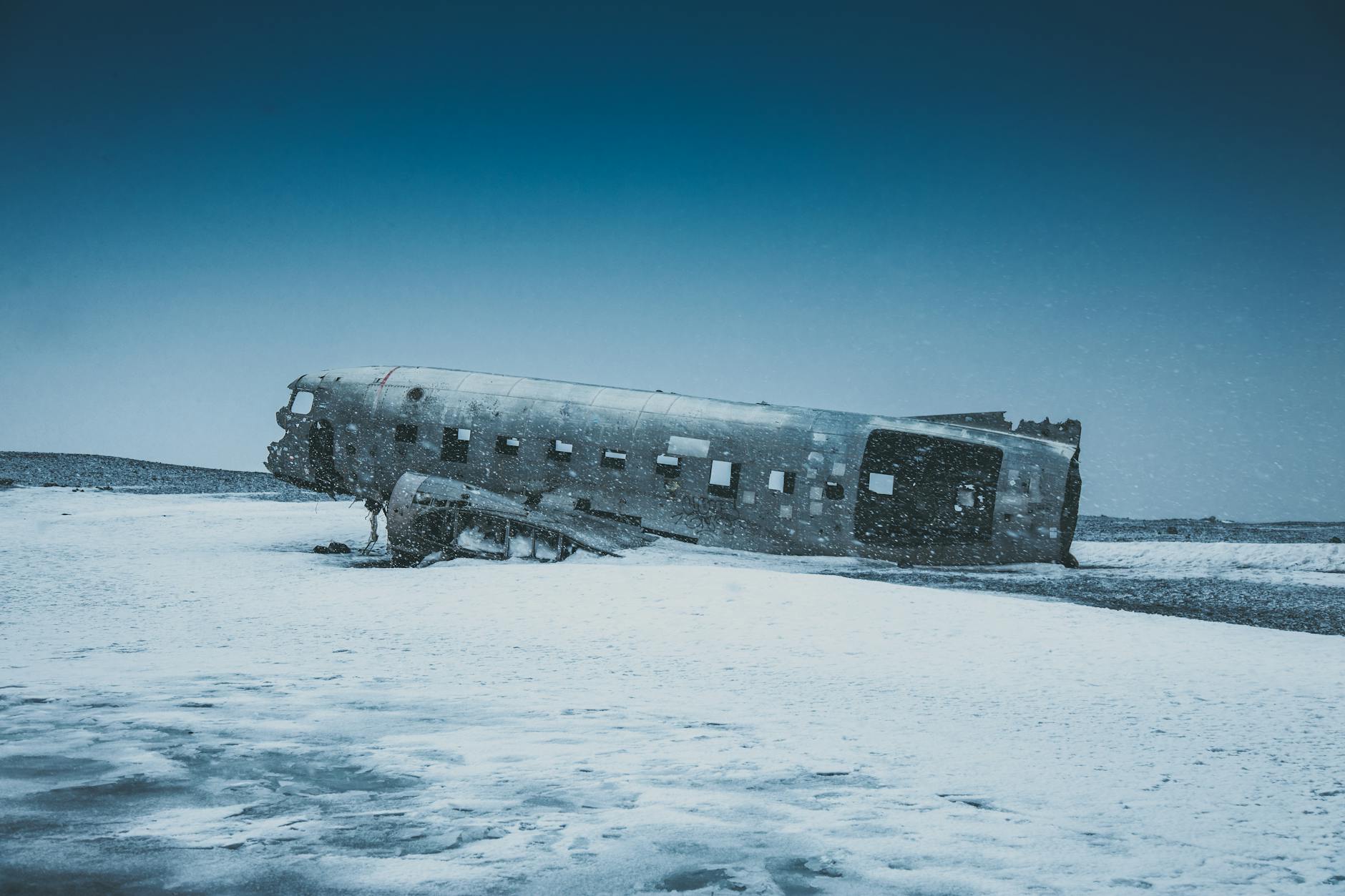
The Northeast just endured its worst blizzard in nearly half a century, and the numbers are staggering. Between February 22 and 24, 2026, a bomb cyclone dubbed Winter Storm Hernando buried eight states under record-breaking snowfall, knocked out power for more than 650,000 customers, disrupted over 19,000 flights, and left at least 13 people dead. More than 40 million people from Maryland to Maine found themselves under blizzard warnings as the storm carved an unbroken 700-mile path of destruction along the Eastern Seaboard. In Providence, Rhode Island, 37.9 inches of snow obliterated the all-time record of 28.6 inches that had stood since the legendary Blizzard of 1978.
The damage estimates are eye-watering. AccuWeather pegs the total economic loss between $34 billion and $38 billion, a figure that accounts for property damage, business closures, supply chain disruptions, and the cascading costs of the largest two-day flight cancellation event of the 2026 travel season. For the 40 million people in the storm’s path, the immediate crisis may be over, but the aftermath — insurance claims, power restoration, travel rebooking, and infrastructure repair — is just beginning. This article breaks down the full scope of what happened, how it compares to the historic Blizzard of 1978, and what residents and consumers need to know as the recovery unfolds.
How Bad Was the Blizzard That Just Hit 40 Million People in the Northeast?
Bad enough to rewrite the record books. Providence’s T.F. Green Airport recorded 37.9 inches of snow, shattering a 48-year-old record by more than nine inches. Long Island’s Islip station logged 29.1 inches, also an all-time record. Whitman, Massachusetts saw 33.7 inches. North Stonington, Connecticut got 30.8 inches. New Jersey and New York both saw peak totals above 30 inches, while Pennsylvania recorded 22.1 inches, Delaware 21 inches, Maryland 16 inches, and Virginia 14 inches. These are not normal snowfall numbers.
These are the kind of totals that collapse roofs, strand vehicles for days, and turn routine errands into survival situations. The wind made everything worse. Hurricane-strength gusts approaching 100 mph raked the New England coastline, turning snow into a blinding horizontal wall and toppling trees onto power lines across the region. More than 650,000 customers lost electricity, with Massachusetts and New Jersey absorbing the heaviest outages. For context, losing power during a blizzard is not merely an inconvenience — it means no heat, no sump pumps to prevent basement flooding from snowmelt, and no ability to charge devices for emergency communication. At least one death, a Rhode Island college student, resulted from carbon monoxide poisoning after the student tried to charge a phone inside a running car that had been buried in snow. The storm’s rapid intensification qualified it as a bomb cyclone, a meteorological term for a system whose central pressure drops dramatically in a short period. That rapid deepening is what produced such extreme snowfall rates and wind speeds simultaneously — a dangerous combination that distinguishes a true blizzard from an ordinary nor’easter.
The Travel Meltdown — 19,000 Flights Disrupted and Counting
The aviation chaos was immediate and far-reaching. Over the two-day peak of the storm, 10,458 flights were canceled outright and thousands more were delayed, making it the single largest flight disruption event of the 2026 travel season. The FAA ordered the full closure of at least 13 regional airports, including Atlantic City International, Long Island MacArthur, and Wilmington, effectively shutting down air travel across the mid-Atlantic and southern new England. However, the disruption did not stay contained to the storm zone. This is an important detail that many travelers learned the hard way. Because aircraft and flight crews were stranded at snowbound airports, airlines were forced to cancel flights in cities that never saw a single flake — Orlando, Atlanta, and Chicago all experienced significant cancellation waves.
If you were booked on a connecting flight that routed through any Northeast hub, your trip was likely affected regardless of the weather at your origin or destination. This cascading effect is a structural vulnerability in the hub-and-spoke airline model, and it means that a storm hitting the Northeast can functionally ground a large portion of the national air network. For consumers still dealing with rebooking or refund claims, it is worth noting that under current Department of Transportation rules, airlines owe you a refund for canceled flights if you choose not to accept rebooking. Weather cancellations do not exempt airlines from this obligation. However, airlines are not required to cover hotels, meals, or ground transportation for weather-related delays, only for cancellations caused by the airline itself. Know the difference before you accept a voucher in place of cash.
Comparing the Blizzard of 2026 to the Blizzard of 1978
The last time the Northeast experienced anything comparable was the Blizzard of 1978, and the comparisons are instructive. In Providence, the 2026 storm clearly won — 37.9 inches versus 28.6 inches in 1978. That is not a marginal difference. It is a 33 percent increase over what was previously considered the worst-case scenario for that city. But meteorologists caution against declaring 2026 the outright winner in
What to Do About Insurance Claims and Damage Recovery
If you are among the hundreds of thousands of residents dealing with property damage, the clock is ticking on several fronts. Most homeowner’s insurance policies cover wind damage and the weight of snow or ice on structures, including roof collapses. However, flood damage from snowmelt is typically excluded from standard homeowner’s policies and requires separate flood insurance through the National Flood Insurance Program or a private carrier. If you did not have flood coverage before the storm, you cannot purchase it retroactively. Document everything before you begin cleanup. Photograph damage from multiple angles, keep receipts for emergency repairs, and file your claim as soon as possible.
Insurance companies processing claims from a $34 to $38 billion disaster event will be overwhelmed, and early filers generally receive faster attention. Be wary of contractors who show up unsolicited offering emergency repairs at inflated prices — storm chasing is a well-documented problem after major weather events, and it often results in shoddy work that creates secondary damage. For renters, your landlord’s insurance does not cover your personal property. If you had renter’s insurance, contact your carrier. If you did not, this is an expensive lesson that many people learn only once. Renter’s insurance typically costs between $15 and $30 per month and covers personal belongings against events exactly like this one.
Power Outages, Carbon Monoxide, and the Hidden Dangers After the Snow Stops
The storm’s immediate fury was dangerous, but the aftermath carries its own risks that deserve serious attention. The death of the Rhode Island college student from carbon monoxide poisoning while sitting in a snow-buried car is a tragedy that repeats itself in nearly every major winter storm. Running a vehicle, generator, or any combustion device in an enclosed or semi-enclosed space can be fatal within minutes. Snow piling around a car’s exhaust pipe creates exactly the kind of enclosed environment where carbon monoxide accumulates to lethal concentrations. With 650,000 customers losing power, many residents turned to portable generators, gas stoves, and other improvised heating sources. These carry serious risks when used improperly. Generators must be operated outdoors, at least 20 feet from any window or door.
Gas stoves and ovens should never be used for space heating. Charcoal grills and camp stoves produce carbon monoxide and must never be used indoors under any circumstances. Emergency rooms across the Northeast reported spikes in carbon monoxide exposure cases in the days following the storm. The extended power outages also created food safety issues that many people underestimate. A refrigerator keeps food safe for approximately four hours without power if the door stays closed. A full freezer maintains temperature for about 48 hours. After those windows close, perishable food must be discarded regardless of how it looks or smells. The cost of replacing a refrigerator’s worth of groceries is real, but it is far less than a hospital visit for foodborne illness.
The Economic Toll — $34 to $38 Billion and Who Pays
AccuWeather’s estimate of $34 to $38 billion in total damages and economic losses captures more than just broken buildings. That figure includes business revenue lost during closures, wages lost by hourly workers who could not reach their jobs, supply chain delays that rippled through industries far from the storm zone, and the enormous cost of emergency response and snow removal across eight states. For comparison, that range would make the Blizzard of 2026 one of the costliest winter storms in American history. The burden of these costs does not fall evenly.
📨 Get Free Accountability Coverage Alerts
Free · No spam · Unsubscribe anytime
Salaried workers with remote-capable jobs experienced an inconvenience. Hourly workers in retail, food service, healthcare, and transportation lost days of income with no guarantee of recovery. Small businesses that were forced to close for three or four days face a financial hit that large corporations can absorb but that may push a struggling restaurant or shop past the breaking point. Federal disaster declarations, if issued, can unlock FEMA assistance for individuals and public infrastructure repair, but that process is slow and does not make anyone whole.
What This Storm Tells Us About the Next One
Meteorologists have been warning for years that climate patterns are making extreme precipitation events more intense, even as average winter temperatures rise. Warmer air holds more moisture, and when conditions align for a winter storm, that additional moisture translates into heavier snowfall totals. The Blizzard of 2026 fits this pattern.
Whether or not any single storm can be attributed directly to climate change, the trend toward more intense precipitation events is well-documented and shows no sign of reversing. For the 40 million people who just lived through this, the forward-looking question is not if another storm of this magnitude will hit, but when — and whether anything will be done in the interim to harden the power grid, improve emergency communication systems, and address the chronic underfunding of winter preparedness in many Northeast municipalities. The Blizzard of 1978 prompted some infrastructure improvements. Forty-eight years later, many of those same vulnerabilities were on full display.
Conclusion
The Blizzard of 2026 was a historic storm by any measure — 37.9 inches in Providence, 13 deaths, 19,000 disrupted flights, 650,000 power outages, and an economic toll that may approach $38 billion. It broke records that had stood since 1978 and exposed the same infrastructure weaknesses that have plagued the Northeast for decades. For the millions of people now dealing with insurance claims, travel rebooking, property damage, and lost income, the recovery will take weeks or months, not days.
If you are in the affected area, prioritize documenting damage for insurance purposes, be vigilant about carbon monoxide risks from generators and vehicles, and know your rights regarding flight refunds and employer obligations. Check on neighbors, especially elderly residents who may be isolated without heat or transportation. And if this storm caught you without renter’s insurance, an emergency kit, or a plan for extended power outages, address those gaps now — because the next one is a matter of when, not if.
Frequently Asked Questions
Does my homeowner’s insurance cover blizzard damage?
Most standard homeowner’s policies cover wind damage and damage from the weight of ice and snow, including roof collapses. However, flooding from snowmelt is typically excluded and requires separate flood insurance. Check your specific policy language and file claims promptly.
Am I entitled to a refund for flights canceled due to the blizzard?
Yes. Under Department of Transportation rules, airlines must offer a cash refund for canceled flights if you choose not to accept rebooking — even when the cancellation is weather-related. You are not obligated to accept a voucher or credit. However, airlines are not required to cover hotels or meals for weather delays.
How long can food last in a refrigerator or freezer without power?
A closed refrigerator keeps food safe for about four hours. A full freezer maintains safe temperatures for roughly 48 hours, or 24 hours if half-full. Once these windows pass, perishable items should be discarded regardless of appearance or smell.
Can I run a generator indoors during a power outage?
Absolutely not. Portable generators produce carbon monoxide and must be operated outdoors, at least 20 feet from any window, door, or vent. Indoor generator use is a leading cause of carbon monoxide poisoning deaths during winter storms.
Will FEMA provide assistance for blizzard damage?
FEMA assistance becomes available only after a federal disaster declaration is issued for your area. If declared, individuals can apply for grants covering temporary housing, home repairs, and other storm-related expenses. The process typically takes weeks, so do not wait for FEMA before beginning to document damage and file insurance claims.
How does the Blizzard of 2026 compare to the Blizzard of 1978?
The 2026 storm broke Providence’s all-time snowfall record set in 1978, with 37.9 inches versus 28.6 inches. However, the 1978 blizzard produced heavier snow across a wider geographic area, particularly in Boston and points north and west. Both storms rank among the most impactful winter weather events in Northeast history.
Owed money from a settlement? Check what is open at OpenClassActions.com. Caring for someone with dementia? Find practical guides at HelpDementia.com. Working out a skin routine? Evidence-based answers at AcneAdvocate.com. Forgot the name of a movie? Identify it at FindThisMovie.com. Was your data exposed? Track active breaches at DataBreachRadar.com.
⚠️ OPINION & EDITORIAL CONTENT: All articles, commentary, and analysis on donaldtrumpclassaction.com represent the personal opinions of the authors and are presented for informational and editorial purposes only. This site is not affiliated with Donald Trump, the Trump Organization, or any government agency. Nothing here constitutes legal, financial, or professional advice. Read full disclaimer.
We use essential cookies to make this site work and remember your preferences. We do not use advertising or analytics cookies. Privacy Policy. Cookie Policy.