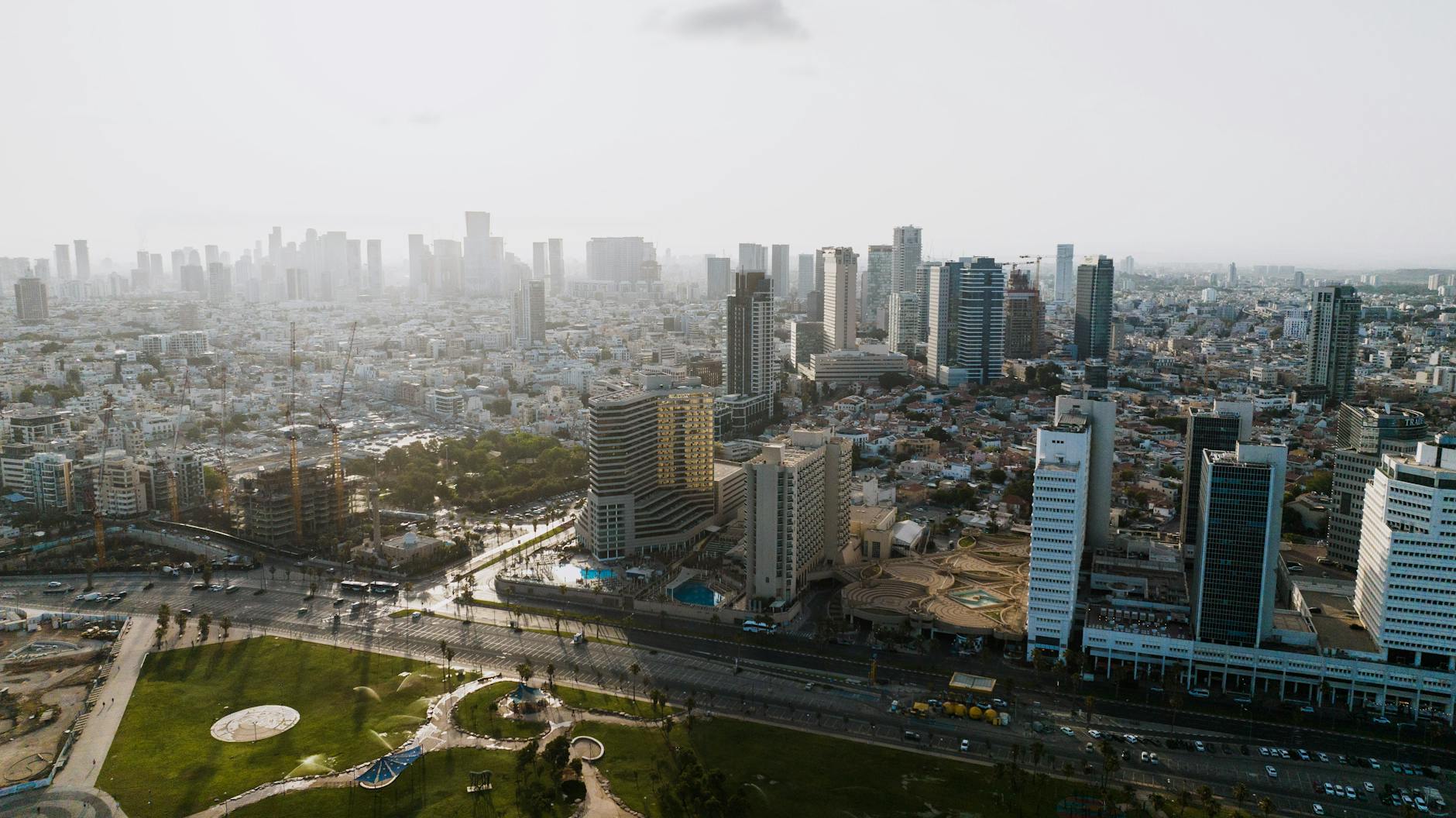
Tel Aviv residents endured repeated waves of explosions throughout Saturday nights in late February and early March 2026, as Iranian ballistic missiles targeted the heart of Israel’s largest metropolitan area during what has become known as the Second Iran War. On the night of February 28, AFP journalists in Tel Aviv heard two near-simultaneous waves of explosions reverberating across the city after an Iranian ballistic missile struck a residential block, killing a foreign caregiver in her 40s and injuring 27 others, including an infant. One week later, on the night of March 7-8, explosions again echoed through the city as another round of Iranian missile fire was detected heading toward Israel. These Saturday night barrages were not random.
They were part of a sustained Iranian retaliation campaign following the launch of a large-scale U.S. and Israeli offensive against Iranian military installations on February 28, 2026. Iran’s state broadcaster openly confirmed that Tehran had fired missiles “against targets in the heart of Tel Aviv,” making clear that the country’s most densely populated urban center was a deliberate target. This article examines what happened during both weekends of attacks, the damage inflicted on civilians and historic infrastructure, the broader military context, and what these escalating strikes mean for residents caught in the crossfire.
Table of Contents
- What Caused the Explosions Tel Aviv Residents Heard on Saturday Nights?
- The Human Cost of the February 28 Strikes on Tel Aviv
- The March 7-8 Attacks and the Escalation of Iranian Tactics
- How Israel’s Air Defense Systems Performed Under Sustained Fire
- The Civilian Experience of Living Under Repeated Ballistic Missile Attacks
- The Broader Context of the Second Iran War
- What Comes Next for Tel Aviv and the Ongoing Conflict
- Conclusion
- Frequently Asked Questions
What Caused the Explosions Tel Aviv Residents Heard on Saturday Nights?
The explosions that rattled Tel Aviv on consecutive Saturday nights were the direct result of Iranian ballistic missile strikes launched in retaliation for the joint U.S.-israeli military offensive that began on February 28, 2026. That evening, Iran fired missiles carrying warheads of several hundred kilograms at Israeli population centers, with Tel Aviv squarely in the crosshairs. The first strike hit a residential block, creating a large crater and causing extensive damage to two apartment buildings. Twenty-five people sustained light injuries, two were in moderate condition, and one woman — a foreign caregiver — was killed.
The sound profile residents described was consistent with ballistic missile impacts and interception attempts by Israel’s air defense systems. AFP journalists on the ground reported hearing two near-simultaneous waves of explosions, suggesting multiple missiles arrived in quick succession or that defense systems engaged incoming projectiles at roughly the same time. This pattern repeated a week later on March 7-8, when the Israeli military detected another round of Iranian missile fire. Unlike conventional rocket attacks from Gaza that Israelis have experienced in prior conflicts, these were long-range ballistic missiles launched from iranian territory roughly 1,000 miles away — a fundamentally different threat in both scale and psychological impact.

The Human Cost of the February 28 Strikes on Tel Aviv
The first Saturday night barrage produced immediate casualties in a dense residential neighborhood. The woman killed was a foreign caregiver in her 40s, a detail that underscores how these strikes affect not only Israeli citizens but the large population of migrant workers who live and work in Tel Aviv’s residential areas. Among the 27 injured was an infant, and two victims were hospitalized in moderate condition. The missile‘s warhead — estimated at several hundred kilograms — was powerful enough to tear open apartment buildings and leave a substantial crater at the impact site. However, the casualty figures could have been far worse. Had the missile struck during daytime hours when streets are crowded, or hit a building with less structural integrity, the death toll might have been significantly higher.
Israel’s Iron Dome and Arrow missile defense systems intercepted a portion of the incoming fire, though the systems are not impenetrable against ballistic missiles traveling at high speeds. The fact that a missile carrying hundreds of kilograms of explosives detonated in a residential block and killed only one person speaks partly to the construction standards of Tel Aviv’s buildings and partly to the timing of the strike, but it would be a mistake to interpret low casualties as evidence that the threat is manageable. Each successive barrage carries the risk of a direct hit on a more vulnerable target. Beyond the human toll, the February 28 strikes also damaged a historic Bauhaus building in Tel Aviv. The city is home to the world’s largest collection of Bauhaus and International Style architecture, designated as a UNESCO World Heritage Site. The destruction of even one of these structures represents an irreplaceable cultural loss that extends beyond the immediate military conflict.
The March 7-8 Attacks and the Escalation of Iranian Tactics
One week after the initial strikes, Tel Aviv residents found themselves reliving the same nightmare. On the night of March 7-8, the Israeli military detected another round of Iranian missile fire, and explosions were once again heard throughout the city. This time, six people were wounded, with one man in his 40s sustaining serious injuries. The weapon used was reported to be a ballistic missile with a suspected cluster warhead — a significant tactical escalation from the previous week’s conventional warheads. Cluster munitions scatter smaller submunitions over a wide area, making them particularly dangerous in urban environments where civilians have limited shelter options.
If confirmed, the use of a cluster warhead against a population center like Tel Aviv would represent a deliberate choice to maximize casualties over a broader impact zone rather than concentrating damage on a single point. This is a distinction that matters enormously for civilian protection and that has drawn condemnation under international humanitarian law frameworks, though Iran is not a signatory to the Convention on Cluster Munitions. The scale of the March 6-7 weekend attacks was staggering. According to the Alma Center’s daily report on the conflict, 19 separate Iranian attack waves were identified using ballistic missiles over that weekend. Of those attacks, 63.2 percent were directed at the Tel Aviv area, confirming that Iran was concentrating its firepower on Israel’s economic and population center rather than distributing strikes evenly across military targets.

How Israel’s Air Defense Systems Performed Under Sustained Fire
Israel operates a multi-layered missile defense architecture — Iron Dome for short-range threats, David’s Sling for medium-range, and the Arrow system for long-range ballistic missiles like those fired from Iran. During the February 28 and March 7-8 barrages, these systems were tested under sustained, concentrated fire in ways they had not previously experienced during the earlier rounds of Iran-Israel hostilities. The tradeoff facing Israeli defense planners is straightforward but brutal: each interceptor missile costs significantly more than the incoming projectile it targets, and there is a finite supply of interceptors available at any given time. When Iran launches 19 attack waves in a single weekend, the math becomes unfavorable quickly. Even a high interception rate — say, 90 percent — means that in a barrage of dozens of missiles, several will get through.
The ones that get through are the ones that kill people, damage buildings, and spark fires. Rocket interception debris itself caused fires near Tel Aviv on March 6, illustrating that even successful interceptions carry consequences for the city below. Compared to the rocket threats Israel has faced from Hamas and Hezbollah, Iranian ballistic missiles present a qualitatively different challenge. They travel faster, carry larger warheads, and arrive from much greater distances, giving defense systems less reaction time. The repeated Saturday night attacks suggest Iran may have been probing Israeli defenses, testing response patterns, and attempting to identify gaps in coverage through sheer volume of fire.
The Civilian Experience of Living Under Repeated Ballistic Missile Attacks
For Tel Aviv residents, the psychological toll of consecutive Saturday night attacks cannot be overstated. Unlike the rocket sirens that have become a grim routine for communities near Gaza, the experience of hearing ballistic missile detonations rock an entire metropolitan area is qualitatively different. These are not small rockets intercepted high in the sky with a distant boom — they are massive warheads striking residential neighborhoods with enough force to crater streets and collapse building facades. The warning that residents should be cautious applies in a literal, immediate sense: interception debris, shrapnel, and blast waves can cause injuries even blocks away from an impact site. The March 7-8 attack wounded six people from shrapnel alone when a suspected cluster warhead struck central Israel.
Residents in older buildings, particularly the historic Bauhaus structures that define much of central Tel Aviv, face additional risk because these buildings were not designed to withstand modern explosive ordnance. There are no bomb-safe rooms in a 1930s Bauhaus apartment. The pattern of Saturday night attacks also disrupts the basic rhythms of civilian life. Saturday is Shabbat, traditionally a day of rest and family gathering. Repeated attacks on these evenings have turned what should be the most peaceful hours of the week into a time of heightened anxiety, with residents reporting difficulty sleeping, reluctance to leave shelters, and growing fatigue from the sustained threat.
The Broader Context of the Second Iran War
The conflict that produced these Saturday night explosions in Tel Aviv began on February 28, 2026, when the United States and Israel launched coordinated strikes against Iranian military installations. Iran retaliated with repeated missile barrages targeting Israeli population centers, with Tel Aviv bearing the heaviest concentration of fire. Al Jazeera reported that Tehran itself was “pounded in week two” of the war, indicating that the strikes and counterstrikes were escalating on both sides simultaneously.
📨 Get Free Accountability Coverage Alerts
Free · No spam · Unsubscribe anytime
This is not a limited skirmish. The scale — 19 attack waves in a single weekend, ballistic missiles with cluster warheads aimed at civilian areas, direct hits on residential blocks — places this conflict in a category that demands international attention and accountability. For readers following government policy and accountability issues, the U.S. role in initiating the February 28 offensive and the subsequent Iranian retaliation against Israeli civilians raises serious questions about the decision-making chain, congressional authorization, and the foreseeable consequences of launching a large-scale military operation against a nation with established ballistic missile capabilities pointed at a close ally’s civilian population.
What Comes Next for Tel Aviv and the Ongoing Conflict
As of early March 2026, there is no indication that Iranian missile attacks on Tel Aviv will cease in the near term. The pattern of escalation — from conventional warheads on February 28 to suspected cluster munitions on March 7-8 — suggests that Iran is willing to increase the lethality of its strikes over time. The concentration of 63.2 percent of attacks on the Tel Aviv area makes clear that Iran views the city as a strategic pressure point, likely calculating that strikes on Israel’s economic hub will generate maximum political and psychological impact.
The trajectory of this conflict will depend on several variables: the effectiveness of Israeli air defenses under sustained bombardment, the willingness of the U.S. and Israel to escalate further against Iranian launch capabilities, and whether diplomatic channels can produce any kind of ceasefire framework. For Tel Aviv residents, the immediate future means more Saturday nights — and likely weeknights too — spent listening for sirens and bracing for the sound of explosions.
Conclusion
Tel Aviv residents heard explosions on consecutive Saturday nights in late February and early March 2026 because Iranian ballistic missiles were striking their city in retaliation for a joint U.S.-Israeli offensive against Iran. The attacks killed one person, injured dozens, damaged historic architecture, and subjected millions of civilians to the kind of sustained bombardment that most major world cities have not experienced in decades. The use of suspected cluster warheads by the second weekend marked a dangerous escalation in tactics.
This is not a distant conflict with abstract consequences. It involves real people — a caregiver killed in an apartment she was working in, an infant among the injured, a man in his 40s seriously wounded by shrapnel — living in a city that is simultaneously a modern economic center and a UNESCO heritage site. The questions this situation raises about U.S. foreign policy decisions, civilian protection under international law, and the limits of missile defense technology are ones that will demand answers long after the explosions stop.
Frequently Asked Questions
When did the explosions in Tel Aviv begin?
The first deadly Iranian missile barrage struck Tel Aviv on Saturday night, February 28, 2026, following the launch of a joint U.S.-Israeli offensive against Iranian military installations earlier that day.
How many people were killed and injured in the Tel Aviv attacks?
On February 28, one woman — a foreign caregiver in her 40s — was killed and 27 others were injured, including an infant. On March 7-8, six more people were wounded, with one man in his 40s sustaining serious injuries.
What types of weapons were used against Tel Aviv?
Iran used long-range ballistic missiles with warheads of several hundred kilograms. By the second weekend of attacks, a suspected cluster warhead was used, representing a tactical escalation designed to spread damage over a wider area.
What is the Second Iran War?
The Second Iran War is the name given to the conflict that began on February 28, 2026, when the United States and Israel launched coordinated strikes on Iranian military installations. Iran retaliated with sustained missile barrages against Israeli population centers, particularly Tel Aviv.
How effective were Israel’s missile defense systems?
Israel’s multi-layered defense systems intercepted a portion of the incoming missiles, but several got through on both weekends, causing casualties and property damage. Interception debris itself caused fires near Tel Aviv on March 6. The sustained volume of 19 attack waves in a single weekend strained defensive capabilities.
Were any historic sites damaged in the attacks?
Yes. A historic Bauhaus building in Tel Aviv was damaged by a missile explosion during the February 28 strikes. Tel Aviv is home to the world’s largest collection of Bauhaus architecture, which is a UNESCO World Heritage Site.
You Might Also Like
- What’s Left of Iran’s Nuclear Program After Two U.S. Strikes in Eight Months
- UAE Provided Logistical Support Despite Later Being Hit by Iranian Retaliation
- U.S. Marine Expeditionary Units in the Region Have Been Put on Alert