
The deadliest single Iranian missile attacks on Israeli civilians each killed nine people, a grim milestone reached twice in less than a year. On June 15, 2025, a ballistic missile struck an apartment building in Bat Yam, killing nine and wounding nearly 200. Then on March 1, 2026, another Iranian ballistic missile destroyed a synagogue and the bomb shelter beneath it in Beit Shemesh, again killing nine, including three teenage siblings. These two strikes represent the highest civilian death tolls from any single Iranian attack on Israel.
The escalation is stark when measured against history. Iran’s prior direct strikes on Israel in April 2024 and October 2024 caused zero Israeli civilian deaths, with nearly all incoming missiles and drones intercepted by Israeli and American air defenses. The shift from zero fatalities to nine dead in a single strike marks a fundamental change in the threat Iran poses to Israeli population centers. This article examines both deadly strikes in detail, the broader casualty figures from the Twelve-Day War and the 2026 Iran conflict, the international legal response, and what the use of cluster munitions and targeting of civilian infrastructure means for accountability.
Table of Contents
- How Did Iranian Missiles Cause the Highest Civilian Casualties in a Single Attack on Israel?
- The Twelve-Day War Casualty Toll and What the Numbers Reveal
- The 2026 Iran War and the Beit Shemesh Synagogue Strike
- How Iran’s Use of Cluster Munitions Changed the Legal Calculus
- Why Missile Defense Interception Rates Can Be Misleading
- The Human Cost Behind the Statistics
- What Comes Next for Accountability and Deterrence
- Conclusion
- Frequently Asked Questions
How Did Iranian Missiles Cause the Highest Civilian Casualties in a Single Attack on Israel?
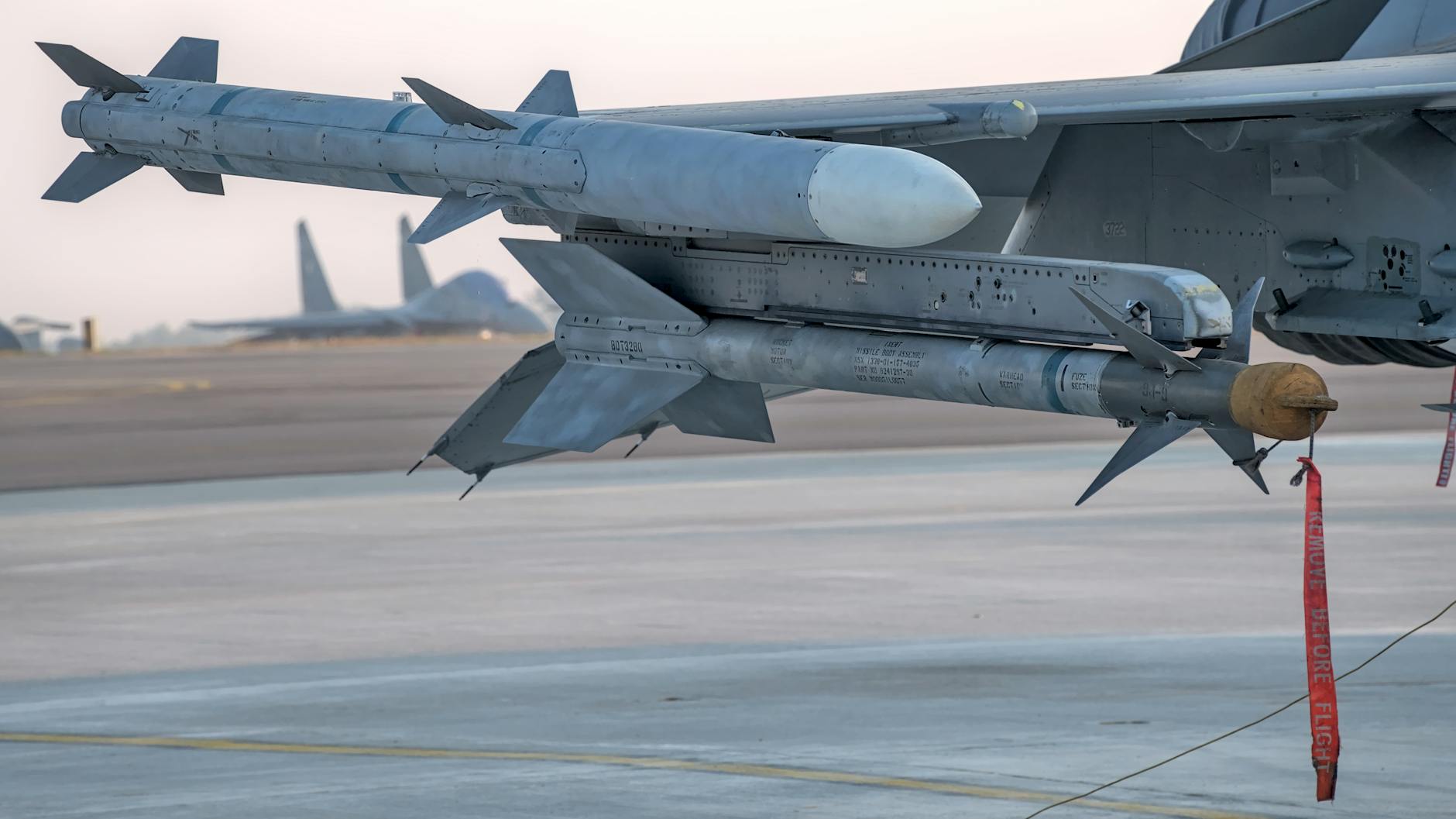
The answer comes down to the sheer volume of missiles fired and the limits of even the most advanced missile defense systems. During the Twelve-Day War in June 2025, iran launched approximately 550 ballistic missiles and around 1,000 drones at Israel. Israeli and American air defenses intercepted roughly 90 percent of incoming threats, a rate that sounds reassuring until you do the math. Of the ballistic missiles alone, 36 struck populated areas. The Bat Yam strike on June 15 hit an apartment building directly, and in a dense residential neighborhood, even a single warhead penetrating defenses can produce mass casualties.
The Beit Shemesh strike on March 1, 2026, was devastating for a different reason. The missile destroyed not just a synagogue but the bomb shelter beneath it, the very place civilians were told to seek safety. Among the nine killed were three teenage siblings from the Bitton family: Yaakov, 16; Avigail, 15; and Sarah, 13. Another 49 people were injured, with 28 transported by Magen David Adom and two listed in serious condition. The strike came during an escalation following the confirmed death of Ayatollah Ali Khamenei, a period in which Iran intensified its missile campaign rather than pulling back.
The Twelve-Day War Casualty Toll and What the Numbers Reveal
The June 2025 conflict between Iran and Israel lasted just 12 days, from June 13 to June 24, but it produced staggering civilian harm. In total, 28 Israelis were killed, and all but one of them were civilians. Over 3,000 were wounded. These numbers make the Twelve-Day War the deadliest direct iranian assault on Israeli soil by a wide margin. However, these figures require context.
The 90 percent interception rate, while impressive, means that with 550 ballistic missiles launched, roughly 55 got through. If those 55 missiles had struck less densely populated areas or open land, the casualty count could have been far lower. Conversely, if interception rates had dropped even a few percentage points, the death toll could have been catastrophically higher. The lesson is uncomfortable: missile defense is a numbers game, and no system guarantees complete protection when the volume of incoming fire is large enough. Israeli civil defense infrastructure, including shelters and warning systems, saved countless lives, but the Bat Yam strike proved that a single failure in interception can still be lethal at scale.
The 2026 Iran War and the Beit Shemesh Synagogue Strike
The 2026 conflict escalated rapidly in late February and early March, driven in part by the power vacuum following Khamenei’s death. On February 28, an iranian missile struck a Tel Aviv residential block, killing one woman and injuring 22. That strike, while deadly, was quickly overshadowed by the Beit Shemesh attack two days later. The Beit Shemesh strike was particularly shocking because it destroyed a structure designed to protect civilians.
Synagogues in Israel often double as community gathering points during emergencies, and the bomb shelter beneath was supposed to be a last line of defense. Prime Minister Netanyahu visited the strike site on March 2, 2026, surveying rubble that had buried families alive. As of approximately March 9, 2026, the broader conflict had killed at least 14 Israeli civilians and wounded over 2,000. On March 9 itself, two workers were killed in Yehud by Iranian cluster munition submunitions, a weapon type that poses particular risks to civilians long after an initial strike.

How Iran’s Use of Cluster Munitions Changed the Legal Calculus
Cluster munitions scatter smaller submunitions, or bomblets, over a wide area. Many of these bomblets fail to detonate on impact and remain as unexploded ordnance that can kill or maim civilians for years. Over 100 countries have banned them under the Convention on Cluster Munitions. Amnesty International reported that Iran’s use of cluster munitions during the Twelve-Day War violated international humanitarian law, adding a layer of legal exposure beyond the immediate casualty counts. The distinction matters for accountability.
A ballistic missile aimed at a military target that goes astray and hits a civilian building can be argued, however thinly, as a tragic error. Cluster munitions deployed over populated areas are inherently indiscriminate by design. The March 9, 2026, deaths in Yehud from cluster munition submunitions illustrate the ongoing threat: workers were killed not by a fresh missile strike but by leftover bomblets from earlier salvos. Human Rights Watch stated in September 2025 that Iran’s missile strikes on Israeli civilians were “likely war crimes,” and the cluster munition evidence strengthens that case considerably. However, enforcement of international humanitarian law against a state like Iran remains an enormous practical challenge, particularly without UN Security Council consensus.
Why Missile Defense Interception Rates Can Be Misleading
Israel’s Iron Dome, Arrow, and David’s Sling systems, supplemented by American naval and air assets, achieved roughly 90 percent interception during the Twelve-Day War. In public discourse, that figure is often cited as proof the systems work. And they do, but the framing obscures real dangers. A 90 percent interception rate against 550 ballistic missiles still means approximately 55 warheads reaching their targets. Thirty-six of those struck populated areas.
The problem compounds with each additional missile Iran launches: even maintaining 90 percent effectiveness, a barrage of 1,000 ballistic missiles would mean 100 getting through. Missile defense is not a shield that renders populations invulnerable. It is a system that reduces, but does not eliminate, risk. Israeli officials have repeatedly emphasized that civil defense measures like shelters and rapid warning sirens are just as critical as interception. The Beit Shemesh strike, where the shelter itself was destroyed, exposed the limits of even that layered approach. No defense architecture is foolproof when the adversary is willing to fire enough ordnance at civilian population centers.
The Human Cost Behind the Statistics
Behind the casualty figures are individual stories that statistics cannot convey. The three Bitton siblings killed in Beit Shemesh, Yaakov, Avigail, and Sarah, were teenagers sheltering in a place their community believed was safe.
📨 Get Free Accountability Coverage Alerts
Free · No spam · Unsubscribe anytime
The nine killed in Bat Yam were residents of an apartment building, at home on a Sunday when the missile struck. These were not combatants near a front line. They were families in residential neighborhoods, killed by weapons launched from roughly 1,000 miles away.
What Comes Next for Accountability and Deterrence
The international legal response is still unfolding. Human Rights Watch’s characterization of Iran’s strikes as “likely war crimes” and Amnesty International’s documentation of cluster munition use have laid the evidentiary groundwork for potential proceedings, whether at the International Court of Justice, through universal jurisdiction cases in national courts, or via other mechanisms. Whether these findings translate into meaningful accountability depends on political will that has historically been lacking when it comes to state actors with significant geopolitical leverage.
On the deterrence side, the trajectory is troubling. Iran escalated from zero civilian deaths in its 2024 strikes to 28 killed in the Twelve-Day War to at least 14 killed in the opening weeks of the 2026 conflict. Each round has involved more missiles, more cluster munitions, and more willingness to target population centers directly. The question is no longer whether Iran can inflict mass civilian casualties on Israel but whether anything short of a fundamental change in the strategic equation will prevent it from doing so again.
Conclusion
The deadliest single Iranian missile strikes on Israel, the Bat Yam apartment building attack on June 15, 2025, and the Beit Shemesh synagogue strike on March 1, 2026, each killed nine civilians and together represent a dramatic escalation from Iran’s earlier direct attacks, which caused zero Israeli deaths. The broader conflicts produced at least 42 Israeli deaths across both wars, overwhelmingly civilians, with over 5,000 wounded. International organizations have labeled these strikes as likely war crimes and documented the illegal use of cluster munitions.
The facts demand attention from policymakers, legal institutions, and the public. Missile defense systems, while effective, cannot guarantee civilian safety when an adversary launches hundreds of ballistic missiles at population centers. The destruction of the Beit Shemesh bomb shelter underscored that even civil defense infrastructure has limits. Accountability through international law remains the critical unresolved question, and the documented evidence from both conflicts provides a clear basis for pursuing it.
Frequently Asked Questions
How many Israeli civilians were killed in the deadliest single Iranian missile strike?
Nine civilians were killed in each of the two deadliest strikes: the Bat Yam apartment building attack on June 15, 2025, and the Beit Shemesh synagogue strike on March 1, 2026. These are tied as the deadliest single Iranian attacks on Israeli civilians.
What was the total Israeli death toll from the Twelve-Day War in June 2025?
Twenty-eight Israelis were killed during the Twelve-Day War, and all but one were civilians. Over 3,000 were wounded across the 12 days of fighting.
Did Iran use cluster munitions against Israel?
Yes. Amnesty International reported that Iran used cluster munitions during the Twelve-Day War in violation of international humanitarian law. On March 9, 2026, two workers in Yehud were killed by cluster munition submunitions from the ongoing conflict.
What was the missile interception rate during the Twelve-Day War?
Israeli and American air defenses intercepted approximately 90 percent of incoming Iranian missiles and drones. However, of the ballistic missiles that were not intercepted, 36 struck populated areas, causing significant casualties.
Have international organizations called Iran’s strikes war crimes?
Human Rights Watch stated in September 2025 that Iran’s missile strikes on Israeli civilians were “likely war crimes.” Amnesty International separately documented violations of international humanitarian law through Iran’s use of cluster munitions.
Were there any Israeli civilian deaths from Iran’s 2024 missile attacks?
No. Iran’s direct strikes on Israel in April 2024 and October 2024 caused zero Israeli civilian deaths, as nearly all missiles and drones were intercepted by defense systems.
You Might Also Like
- The Iron Dome, Arrow, and David’s Sling Systems All Activated to Defend Israel From Iranian Missiles
- Some Iranian Missiles Got Through Israel’s Multi-Layer Defense System
- Satellite Photos From January Showed New Construction at Iranian Military Sites