
Yes, Saudi Arabia is almost certainly going to accelerate its nuclear ambitions now that Iran’s program has been demolished. The destruction of Iran’s nuclear infrastructure during Operation Epic Fury on February 28, 2026, did not eliminate the nuclear threat in the Middle East — it may have simply shifted it. Crown Prince Mohammed bin Salman has spent years stating plainly that if Iran pursues a bomb, Saudi Arabia will too. What has received far less attention is the deal already in motion: a US-Saudi nuclear cooperation agreement, announced in November 2025, that conspicuously does not prohibit uranium enrichment. With Iran’s program in ruins and a permissive nuclear deal on the table, the kingdom now has both the geopolitical justification and the technical pathway to pursue weapons-capable nuclear technology.
The timing is not coincidental. MBS privately pushed President Trump toward striking Iran, forming an unusual lobbying alliance with Israel in the weeks before the attack. Saudi Arabia publicly called for restraint after the strikes, but behind closed doors, Riyadh had been warning Tehran for months to reach an agreement with Washington or face war. Now that war has come and gone, and Iran’s nuclear facilities lie in rubble, the Saudis face a region where their principal rival has been defanged — but where the memory of Iran’s near-nuclear capability will serve as permanent justification for their own program. This article examines the US-Saudi nuclear deal, MBS’s stated intentions, the congressional opposition mounting against the agreement, and what all of this means for nonproliferation in the Middle East.
Table of Contents
- Why Would Saudi Arabia Accelerate Nuclear Ambitions After Iran’s Program Was Destroyed?
- The US-Saudi Nuclear Deal That Leaves the Door Open to Enrichment
- MBS’s Track Record on Nuclear Statements and Defense Pacts
- The Saudi Lobbying Campaign That Preceded the Iran Strikes
- Congressional Opposition and the Nonproliferation Stakes
- Iran’s Retaliation and the New Gulf Security Landscape
- What Comes Next for Nuclear Proliferation in the Middle East
- Conclusion
- Frequently Asked Questions
Why Would Saudi Arabia Accelerate Nuclear Ambitions After Iran’s Program Was Destroyed?
The logic seems counterintuitive at first glance. If Iran’s nuclear facilities have been obliterated, why would Saudi Arabia feel the need to pursue its own nuclear weapons capability? The answer lies in how Riyadh views deterrence. MBS told CBS in March 2018 that “Saudi Arabia does not want to acquire any nuclear bomb, but without a doubt, if Iran developed a nuclear bomb, we will follow suit as soon as possible.” He reiterated this position in 2023, stating bluntly: “If they get one, we have to get one.” The destruction of Iran’s program does not erase the fact that Iran came close. In the Saudi calculus, the lesson of the past decade is that a hostile neighbor nearly acquired the ultimate weapon — and the only reason it did not succeed is because two foreign powers intervened militarily. That is not a situation any kingdom wants to depend on indefinitely. Military strikes can set a nuclear program back by years, but they cannot permanently eliminate the knowledge and intent behind it. Saudi strategists understand that Iran could reconstitute its program in the future, particularly if a new government or revolutionary faction comes to power after Ayatollah Ali Khamenei’s death in the strikes.
The Saudis also watched Iran launch retaliatory missiles at their own territory following the February 28 attacks, hitting targets across the Gulf region. For Riyadh, that experience reinforced a core belief: relying on American and Israeli military power for protection is not a permanent strategy. A domestic nuclear capability — even one that remains technically “civilian” — provides a hedge that no alliance can. Compare this to how other nations have responded to regional nuclear threats. India accelerated its weapons program after China’s 1964 nuclear test, and Pakistan followed India. The pattern in nuclear politics is consistent: the destruction of a rival’s capability does not reduce demand for your own. It increases urgency, because it proves the threat was real.

The US-Saudi Nuclear Deal That Leaves the Door Open to Enrichment
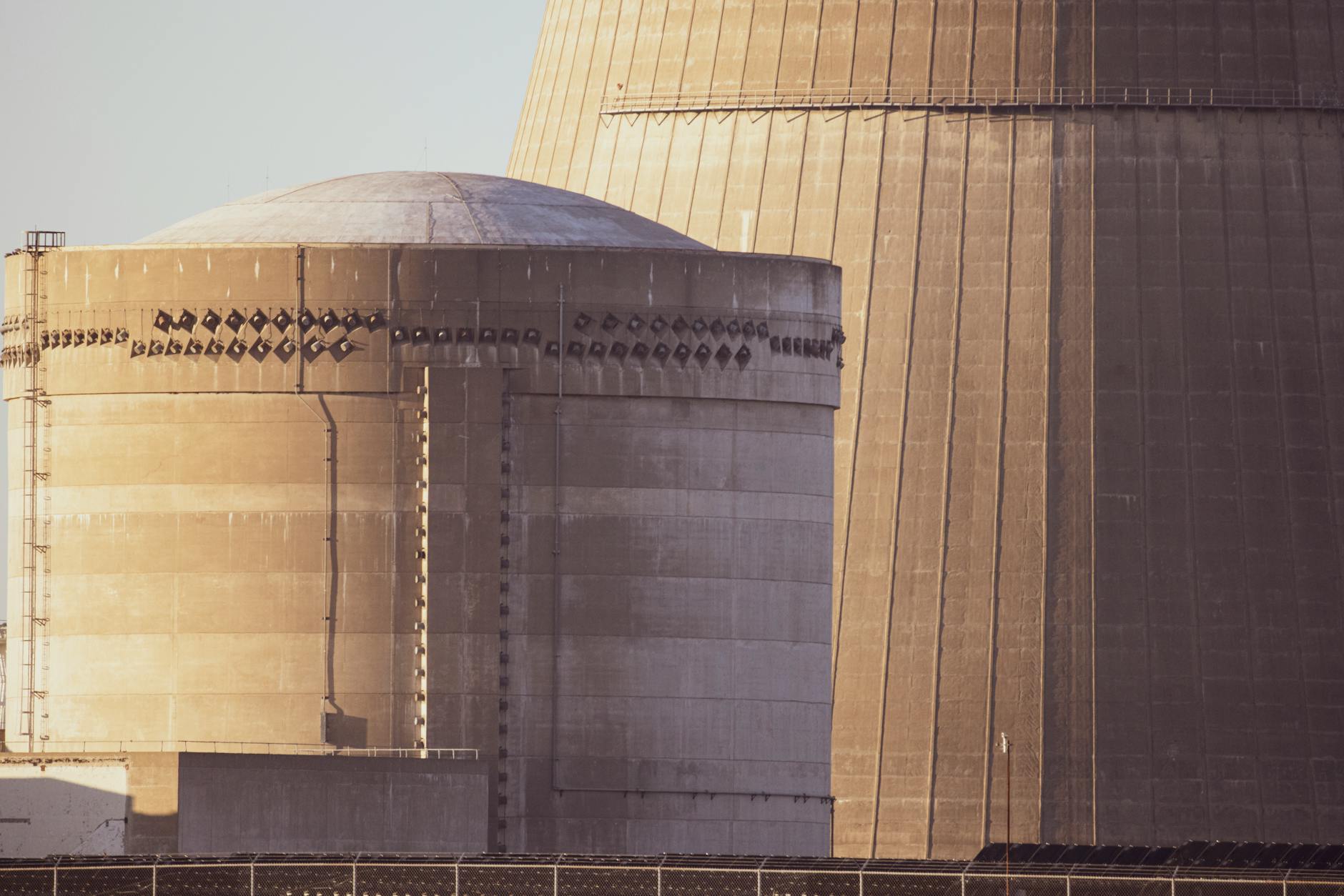
The vehicle for Saudi Arabia’s nuclear ambitions is already built. In November 2025, the Trump administration informed Congress that it was pursuing a civilian nuclear cooperation agreement — known as a “123 Agreement” — with Saudi Arabia. What makes this deal extraordinary is what it does not include: an express prohibition on uranium enrichment. The draft agreement lists enrichment, fuel fabrication, and reprocessing as potential areas of cooperation. Every one of those technologies is dual-use, meaning they can serve civilian energy purposes or be redirected toward producing weapons-grade material. This is a stark departure from established American nonproliferation policy. The benchmark for nuclear cooperation in the Gulf has been the 2009 agreement with the United Arab Emirates, widely known as the “gold standard” 123 Agreement.
That deal explicitly prohibited the UAE from enriching uranium or reprocessing spent fuel on its own soil. The UAE accepted those restrictions in exchange for American nuclear technology and cooperation. Saudi Arabia is being offered a fundamentally different arrangement — one that grants access to the same technology without the same safeguards. Senator Ed Markey accused the Trump administration of “caving to the Saudis on nuclear nonproliferation,” and the Arms Control Association published a February 2026 report arguing the administration “has not carefully considered the proliferation risks.” However, if the agreement is finalized and submitted to Congress — which could have happened as early as February 22, 2026, triggering a 90-day review period — blocking it becomes procedurally difficult. Under existing law, the agreement takes effect unless Congress passes a joint resolution of disapproval, which would require a veto-proof majority. Representative Brad Sherman of California is pushing legislation that would flip this standard, requiring an affirmative congressional vote before the deal could proceed. Whether that legislation gains traction will determine how much oversight Congress actually exercises.
MBS’s Track Record on Nuclear Statements and Defense Pacts
Mohammed bin Salman has not been subtle about his nuclear intentions. His public statements form a clear pattern. The 2018 CBS interview was the first major signal: Saudi Arabia would match Iran bomb-for-bomb if it came to that. Five years later, in 2023, he said it again. These were not offhand remarks — they were deliberate signals to Washington, Tehran, and the international community that the kingdom views nuclear capability as a sovereign right tied directly to regional security. What strengthens the concern is the Saudi-Pakistan mutual defense pact signed in 2025.
Pakistan is one of the world’s nine nuclear-armed states, and its nuclear program has long been rumored to have received financial support from Saudi Arabia in its early decades. A formal defense pact between the two countries raises immediate questions about whether Pakistan’s nuclear umbrella could extend to Saudi Arabia, or whether the relationship could facilitate knowledge transfer. Nonproliferation experts have flagged this agreement as a significant escalation risk, particularly when combined with the permissive 123 Agreement being negotiated with Washington. The specific concern, as the Arms Control Association has noted, is that any spinning centrifuges within Saudi Arabia could open the door to a weapons program. Enrichment facilities can be converted from producing low-enriched uranium for power reactors to producing highly enriched uranium for weapons. The technical gap between the two is a matter of reconfiguration and time, not fundamental capability. Once the infrastructure exists on Saudi soil, the international community’s ability to prevent weaponization depends entirely on inspections and political will — neither of which has a flawless track record.
The Saudi Lobbying Campaign That Preceded the Iran Strikes
Understanding Saudi Arabia’s nuclear trajectory requires understanding its role in bringing about the very strikes that destroyed Iran’s program. Crown Prince Mohammed bin Salman made multiple private phone calls to President Trump in the month before Operation Epic Fury, advocating for a US military attack on Iran. This was happening while Saudi Arabia publicly maintained support for a diplomatic solution. The Washington Post reported that Saudi Arabia and Israel formed an unusual lobbying alliance that helped push Trump toward the decision to strike. This dual posture — public diplomacy, private warmongering — reveals how Riyadh approaches regional strategy. The Saudis wanted Iran’s nuclear program destroyed but did not want to be seen as the instigators.
Saudi sources had separately warned Iran to reach an agreement with the United States or risk war with Israel, according to the Times of Israel. When the strikes came, Saudi Arabia’s official response was to voice “great concern” and call for de-escalation. But the kingdom simultaneously vowed to take “all necessary measures” to defend itself after Iran’s retaliatory strikes hit Saudi territory. The tradeoff here is significant. By lobbying for the destruction of Iran’s program, Saudi Arabia eliminated its most commonly cited justification for nuclear restraint — the idea that it would only pursue weapons if Iran did first. But it also eliminated the most immediate regional nuclear threat, potentially buying itself time and political cover to build up its own civilian nuclear infrastructure under the umbrella of the 123 Agreement. The question is whether “civilian” infrastructure will remain civilian.
Congressional Opposition and the Nonproliferation Stakes
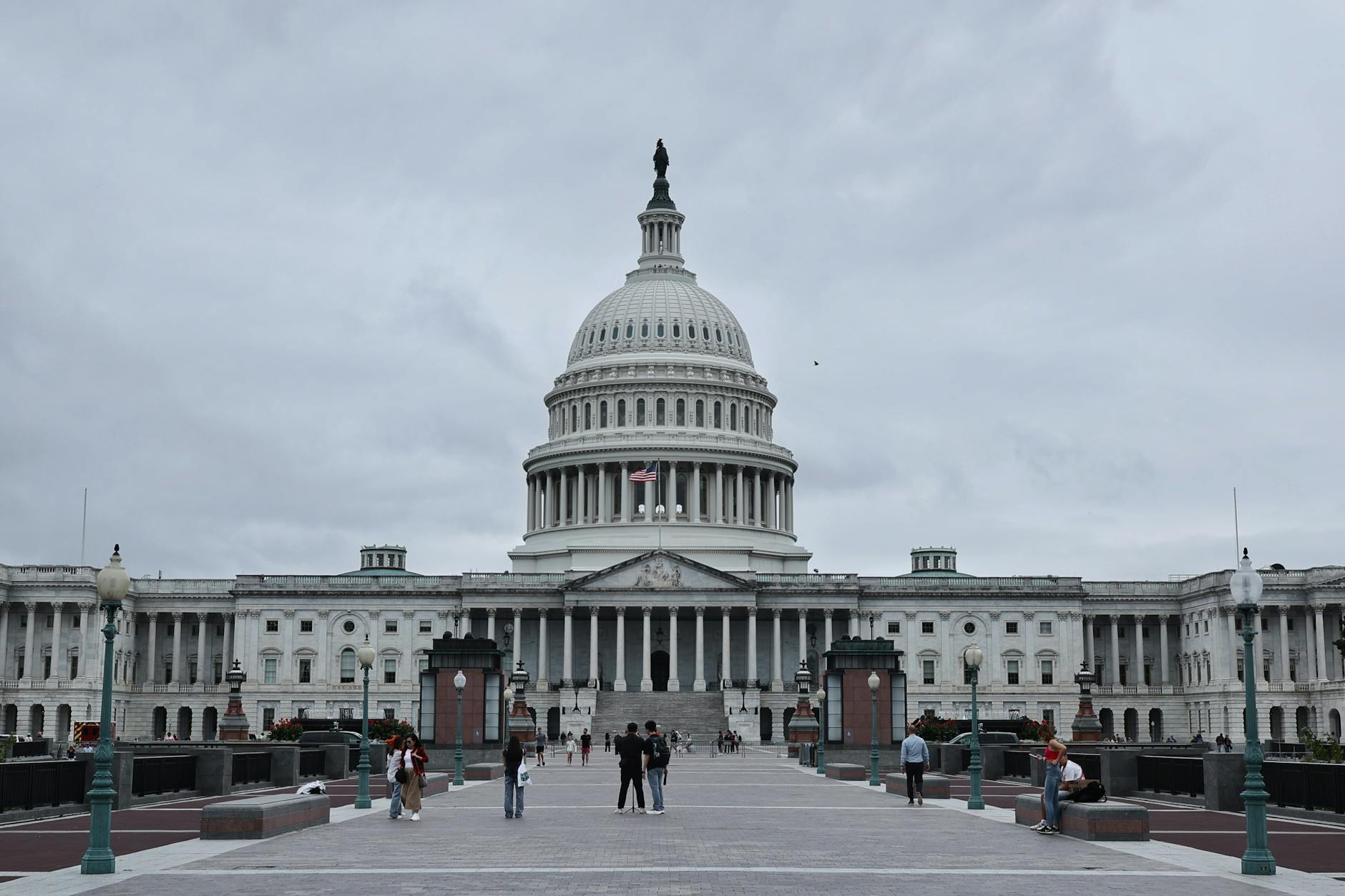
The congressional resistance to the Saudi nuclear deal is real but faces structural disadvantages. Representative Brad Sherman’s proposed legislation would require Congress to affirmatively vote to approve any nuclear cooperation agreement with Saudi Arabia, rather than relying on the current framework where the deal proceeds unless Congress actively blocks it. This is a meaningful procedural difference. Under the current system, inertia favors the administration — mustering a veto-proof majority to reject a deal is far harder than simply declining to approve one. Senator Markey has been among the most vocal critics, but opposition is not limited to Democrats. Nonproliferation has historically been a bipartisan concern, and the contrast between the Saudi deal and the UAE gold standard is politically potent.
The Arms Control Association’s February 2026 report specifically argued that the Trump administration is “jeopardizing nonproliferation efforts” to secure the cooperation deal. The report warned that granting Saudi Arabia enrichment rights would set a precedent that other aspiring nuclear states — Turkey, Egypt, South Korea — could invoke in future negotiations. The limitation of congressional opposition, however, is timing. If the finalized agreement was submitted to Congress around the originally projected date, the 90-day review clock is already ticking. Legislators who want to block the deal need to move fast, and the February 28 strikes on Iran have consumed the bulk of congressional attention and political energy. There is a real risk that the nuclear cooperation agreement advances through Congress not because of active support but because of distraction.
Iran’s Retaliation and the New Gulf Security Landscape
Iran’s retaliatory missile strikes following Operation Epic Fury targeted not just Israel and Jordan but also Saudi Arabia and US military facilities in Qatar, Kuwait, the UAE, and Bahrain. At least 133 civilians were killed and 200 injured according to the Human Rights Activists News Agency, while Iranian state media reported 148 killed in Minab alone. The breadth of Iran’s retaliation — striking across the entire Gulf — underscored exactly the vulnerability that Saudi hawks have long warned about.
📨 Get Free Accountability Coverage Alerts
Free · No spam · Unsubscribe anytime
The kingdom was hit despite not being an official belligerent in the strikes. For Saudi defense planners, this experience validates the argument for strategic deterrence. A nation that possesses nuclear weapons, or is credibly believed to be close to possessing them, is far less likely to be targeted with ballistic missiles. Whether or not Saudi Arabia explicitly pursues a weapon, the February 28 attacks have given Riyadh a powerful domestic and international argument for expanding its nuclear infrastructure as rapidly as possible.
What Comes Next for Nuclear Proliferation in the Middle East
The Middle East is entering a new and deeply uncertain nuclear era. Iran’s program has been set back dramatically, but the political and technical knowledge survives. Ayatollah Khamenei is dead, along with an estimated 40 senior military commanders, and whatever government emerges from the wreckage will face enormous pressure — both to rebuild and to seek revenge.
Meanwhile, Saudi Arabia has a nuclear cooperation deal with the United States that could provide the technological foundation for an enrichment capability, a mutual defense pact with nuclear-armed Pakistan, and a crown prince who has repeatedly and publicly declared his willingness to pursue the bomb. The destruction of Iran’s nuclear program was supposed to make the region safer. It may instead have triggered the next phase of nuclear competition in the Middle East — one where the pursuing state is not an American adversary but an American ally, and where the enabling technology is being provided not through clandestine networks but through an official bilateral agreement reviewed by Congress. The nonproliferation framework that held for decades is being tested in ways that few policymakers seem willing to confront honestly.
Conclusion
The February 28, 2026 strikes on Iran eliminated a nuclear threat that had dominated Middle Eastern security calculations for two decades. But they did not eliminate the underlying dynamics that drive nuclear proliferation — regional rivalry, mutual distrust, and the belief that only the ultimate weapon guarantees sovereignty. Saudi Arabia now sits at the intersection of opportunity and justification. It has a nuclear cooperation deal with Washington that permits enrichment, a defense pact with a nuclear-armed ally, and a leader who has publicly committed to matching any regional nuclear capability.
Whether the kingdom actually pursues a weapon will depend on congressional action, international pressure, and the internal calculations of MBS himself. But the infrastructure is being laid, the precedents are being set, and the geopolitical conditions have never been more permissive. Citizens and policymakers who care about nonproliferation should be paying close attention to the 123 Agreement review process, supporting legislation like Sherman’s that would require affirmative congressional approval, and demanding transparency about what exactly is being built on Saudi soil. The next nuclear crisis in the Middle East may not come from an adversary — it may come from a partner.
Frequently Asked Questions
Did Saudi Arabia participate in the US-Israel strikes on Iran?
No. Saudi Arabia was not an official participant in Operation Epic Fury. However, reporting from the Washington Post indicates that Crown Prince Mohammed bin Salman privately lobbied President Trump to carry out the strikes, and Saudi Arabia and Israel formed an unusual alliance to push the administration toward military action.
Does the US-Saudi nuclear deal allow Saudi Arabia to build nuclear weapons?
Not explicitly. The 123 Agreement covers civilian nuclear cooperation. However, unlike the UAE’s “gold standard” agreement, it does not expressly prohibit uranium enrichment or reprocessing — technologies that are dual-use and could be redirected toward weapons production. This omission is what has alarmed nonproliferation experts and members of Congress.
What is a 123 Agreement?
A 123 Agreement, named after Section 123 of the US Atomic Energy Act, is a bilateral agreement that establishes the legal framework for civilian nuclear cooperation between the United States and another country. It governs the transfer of nuclear technology, materials, and equipment, and typically includes nonproliferation safeguards.
Has Saudi Arabia ever had nuclear weapons?
No. Saudi Arabia does not currently possess nuclear weapons and has not been known to operate a weapons program. However, MBS has stated publicly on multiple occasions — in 2018 and again in 2023 — that the kingdom would pursue nuclear weapons if Iran did so.
What is the significance of the Saudi-Pakistan defense pact?
The mutual defense pact signed in 2025 between Saudi Arabia and nuclear-armed Pakistan raises proliferation concerns because of the potential for nuclear knowledge transfer or an extended nuclear deterrence arrangement. Pakistan’s nuclear program has long been rumored to have historical financial ties to Saudi Arabia.
Can Congress block the Saudi nuclear deal?
Under current law, the agreement takes effect after a 90-day congressional review period unless Congress passes a joint resolution of disapproval — which would require a veto-proof majority. Rep. Brad Sherman is pushing legislation that would instead require an affirmative vote to approve the deal, which would significantly raise the bar for passage.
You Might Also Like
- North Korea Watches the Iran War Closely as a Warning About Its Own Nuclear Future
- Iran Releases Its Own Footage Claiming Successful Retaliation Against U.S. and Israel
- The Weapons Russia Sold Iran Are Now Being Destroyed by American Bombs