
Iran has released a flood of military footage and official statements claiming its retaliatory strikes under “Operation True Promise 4” successfully hit U.S. aircraft carriers, naval bases, and air installations across the Middle East. The footage, distributed through IRGC channels and Iranian state media beginning on February 28, 2026, includes video purportedly showing ballistic missile impacts on the USS Abraham Lincoln and drone strikes on the U.S. Navy Fifth Fleet base in Bahrain. CNN geolocated one video confirming a Shahed drone impacting a radar dome at the Mina Salman facility in Bahrain, but the broader claims of catastrophic damage to American military assets remain sharply disputed by U.S.
Central Command, which says damage was minimal and operations were not affected. The Iranian strikes came in direct response to joint U.S.-Israeli military operations — codenamed “Roaring Lion” by Israel and “Operation Epic Fury” by the United States — that targeted Iranian military facilities and key commanders, resulting in the killing of Supreme Leader Ayatollah Ali Khamenei. The scale of the Iranian response was staggering. According to the UAE Ministry of Defense, Iran fired 165 ballistic missiles, 2 cruise missiles, and 541 drones across the region, hitting civilian infrastructure in at least nine countries. This article breaks down what Iran’s footage actually shows versus what it claims, the verified damage across the region, the gap between Tehran’s narrative and Pentagon assessments, and what the international fallout looks like as this crisis deepens.
Table of Contents
- What Does Iran’s Footage Actually Show About Its Retaliation Against the U.S. and Israel?
- How Severe Was the Verified Damage Across the Region?
- Why the Gap Between Iranian Claims and U.S. Damage Assessments Matters
- How Iranian State Media Shaped the Narrative in the First 48 Hours
- What Are the Risks of Escalation Beyond the Current Exchange?
- How Gulf States Are Responding to Strikes on Their Territory
- What Comes Next in the U.S.-Iran Confrontation
- Conclusion
- Frequently Asked Questions
What Does Iran’s Footage Actually Show About Its Retaliation Against the U.S. and Israel?
The IRGC released footage across multiple platforms claiming direct hits on some of America’s most significant military assets in the region. The most dramatic claim involved the USS Abraham Lincoln aircraft carrier, which iran said was struck by four ballistic missiles. No independent verification of this claim has emerged from U.S. or allied sources. CENTCOM has not confirmed any hit on the carrier, and the U.S. military reported zero combat casualties from the entire barrage of hundreds of missiles and drones — a detail that would be nearly impossible to maintain if a carrier had genuinely taken four ballistic missile impacts.
The one piece of footage that has been independently verified tells a more modest story. CNN geolocated video showing an Iranian Shahed drone striking a radar dome at the U.S. Navy Fifth Fleet base at Mina Salman in Bahrain. That is a confirmed hit on a real piece of military infrastructure, but a radar dome and an aircraft carrier are not in the same category of damage. The gap between the verified strike and the claimed strikes is enormous, and it matters because Iran’s domestic narrative depends on projecting strength after losing its supreme leader. Beyond the carrier claim, the IRGC listed Al-Udeid Air Base in Qatar, Al-Salem Air Base in Kuwait, and Al-Dhafra Air Base in the UAE as targets. Iran went so far as to claim that Kuwait’s Ali Al-Salem naval base was “completely forced out of operation.” None of these claims have been independently confirmed at that scale, and the pattern of overclaiming is consistent with previous Iranian military announcements during Operations True Promise 1 through 3.

How Severe Was the Verified Damage Across the Region?
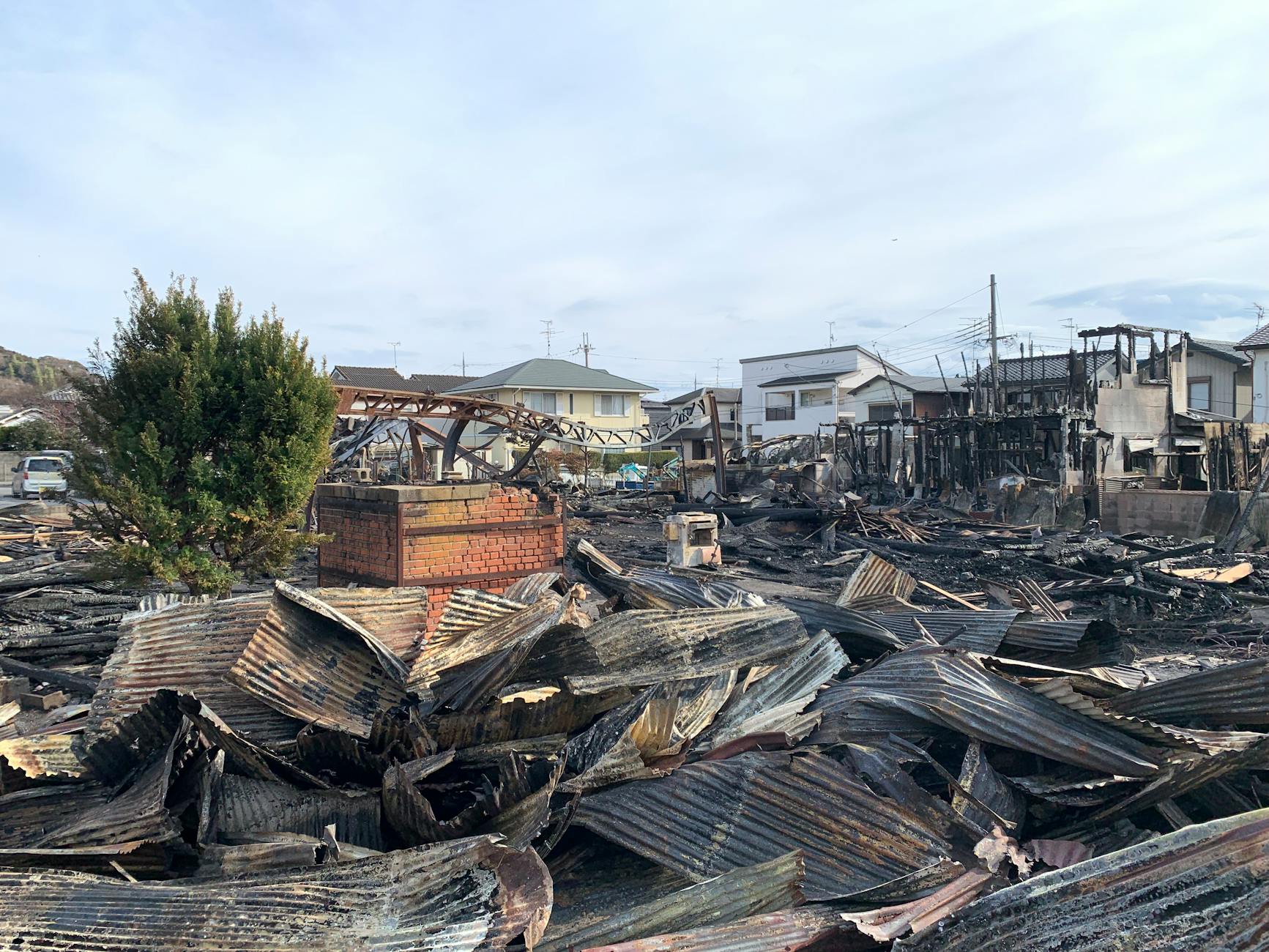
While Iran’s claims about destroying American military assets remain unverified, the collateral damage to civilian infrastructure across the middle east is real and documented. The UAE Ministry of Defense provided the most detailed accounting: of the 165 ballistic missiles, 2 cruise missiles, and 541 drones Iran launched, most were intercepted, but 21 drones struck civilian targets inside the UAE. Airports in Dubai and Kuwait were hit. Hotels and civilian buildings sustained damage across at least nine countries. However, the human cost extends beyond property damage.
On March 1, an Iranian ballistic missile strike killed eight people and injured approximately 20 in Beit Shemesh, a city in central Israel. That same day, Hezbollah fired rockets at northern Israel — the first such attack since the November 2024 ceasefire — signaling that the conflict was spreading beyond a bilateral exchange between Iran and the U.S.-Israeli coalition. The critical distinction here is between what Iran intended to hit and what it actually hit. If the IRGC’s targeting was as precise as its propaganda suggests, then striking civilian airports and hotels represents a deliberate escalation against Gulf states. If, as seems more likely, many of these civilian impacts resulted from intercepted or misdirected munitions, it reveals a different problem: Iran launched an enormous volley that it could not accurately control, and civilians across the region paid the price. Neither interpretation reflects well on Tehran’s military capability or restraint.
Why the Gap Between Iranian Claims and U.S. Damage Assessments Matters
U.S. Central Command stated flatly that “damage to U.S. installations was minimal and has not impacted operations.” That is a significant claim in its own right — if hundreds of missiles and drones produced only minimal damage, it suggests either extraordinary defensive capabilities or a serious failure in Iranian offensive precision, or both. The U.S. military reported no combat casualties from the entire retaliatory barrage. This gap between Iranian triumphalism and American damage reports is not new.
During Iran’s April 2024 strikes against Israel (Operation True Promise 2), Tehran similarly claimed devastating hits while Israel and its allies reported intercepting the vast majority of incoming projectiles. The propaganda cycle follows a predictable pattern: Iran launches a large-scale attack, floods social media with dramatic footage within hours, claims massive success, and then the slower process of independent verification tells a more restrained story. For media consumers and policymakers, the practical takeaway is straightforward: treat initial Iranian military claims with the same skepticism you would apply to any belligerent’s first-day battle reports. The geolocated Bahrain drone strike proves Iran can land hits on real targets. The absence of confirmed carrier damage proves those hits do not match the scope of the claims. Both facts can coexist, and understanding that distinction is essential for anyone trying to assess the actual military balance in the region.
How Iranian State Media Shaped the Narrative in the First 48 Hours
Iranian state channels adopted an aggressive information strategy from the first minutes of the retaliation. PressTV, IRGC-affiliated Telegram channels, and Iranian social media accounts flooded platforms with strike footage before any independent journalist could verify locations or timestamps. NPR reported that the internet was “flooded with videos” from all sides — U.S., Israeli, and Iranian — creating an environment where separating authentic footage from recycled or manipulated content became nearly impossible for ordinary viewers. This approach represents a deliberate tradeoff. By releasing large volumes of footage quickly, Iran seized the narrative initiative domestically and among sympathetic audiences across the region.
The IRGC’s claims of hitting the USS Abraham Lincoln, even if unverified, dominated Arabic-language social media for hours before CENTCOM’s more measured response could gain traction. The cost of this strategy is credibility with international audiences and intelligence analysts who will catalog every exaggeration for future reference. But for Tehran, domestic morale after the killing of Khamenei was the immediate priority, and the propaganda blitz served that purpose regardless of its relationship to ground truth. The comparison to Ukraine-Russia information warfare is instructive. Both conflicts have shown that the side that releases footage first controls the initial narrative, even when later verification contradicts the claims. Consumers of conflict media should look for independent geolocation — as CNN provided for the Bahrain strike — rather than accepting any government’s footage at face value.
What Are the Risks of Escalation Beyond the Current Exchange?
Hezbollah’s decision to fire rockets at northern Israel on March 1, breaking the November 2024 ceasefire, signals that this conflict risks expanding well beyond a bilateral U.S.-Iran confrontation. If Hezbollah fully reengages, Israel faces a multi-front scenario that fundamentally changes the military calculus. The strikes across nine countries also mean that Gulf states which have tried to maintain neutrality or at least quiet cooperation with the United States are now directly affected, whether they want to be or not. The civilian toll introduces another escalation risk. Eight dead in Beit Shemesh, 21 drone impacts on UAE civilian infrastructure, and airport disruptions in Dubai and Kuwait create domestic political pressure in each affected country.
Gulf governments that quietly host American bases now face public anger over becoming targets, which could complicate U.S. basing arrangements that are fundamental to American force projection in the region. A key limitation in any analysis at this stage is that we do not yet know Iran’s full military capacity after the initial exchange. The 165 ballistic missiles fired in the first wave represent a significant portion of Iran’s estimated arsenal, but not all of it. Whether Tehran can sustain further rounds of strikes, or whether the first barrage represented the bulk of its available capability, will determine whether this escalation cycle has peaked or is still climbing.

How Gulf States Are Responding to Strikes on Their Territory
The UAE’s detailed public accounting of Iranian munitions — 165 ballistic missiles, 2 cruise missiles, 541 drones — was itself a significant diplomatic signal. By publishing specific numbers and confirming 21 drone impacts on civilian targets, Abu Dhabi was publicly documenting Iranian aggression against a country that hosts U.S. military assets but is not itself at war with Iran.
📨 Get Free Accountability Coverage Alerts
Free · No spam · Unsubscribe anytime
This creates a legal and diplomatic record that Gulf states can use in international forums, and it puts Tehran on notice that attacks on Gulf territory will not be quietly absorbed. Al Jazeera reported that multiple Gulf Arab states hosting U.S. assets were targeted, underscoring that Iran’s retaliation strategy did not discriminate between American military facilities and the sovereign territory of countries that happen to host them. For nations like Qatar, which hosts Al-Udeid Air Base but also maintains diplomatic channels with Tehran, this creates an impossible position that may force a clearer alignment than Gulf capitals have historically preferred.
What Comes Next in the U.S.-Iran Confrontation
The killing of Ayatollah Ali Khamenei represents an irreversible escalation. Iran’s retaliatory strikes, regardless of their actual military effectiveness, were politically mandatory for any successor regime in Tehran. The question now is whether both sides find an off-ramp or whether the cycle of strike and counterstrike continues to escalate. The U.S. State Department’s joint statement condemning Iran’s regional attacks, combined with CENTCOM’s insistence that operations remain unaffected, suggests Washington is signaling both resolve and restraint — condemning the attacks while avoiding the kind of damage acknowledgment that would require a proportional military response.
Global leaders calling for diplomacy may find willing ears if both sides can credibly claim they have demonstrated strength. Iran can point to its massive barrage and dramatic footage. The U.S. can point to minimal damage and continued operations. Whether that mutual face-saving is enough to prevent further escalation depends on decisions being made right now in Tehran and Washington that no outside observer can yet predict.
Conclusion
Iran’s released footage from Operation True Promise 4 tells two stories simultaneously. The IRGC narrative — of carrier strikes, destroyed bases, and American forces reeling — serves Tehran’s urgent domestic need to project strength after the killing of its supreme leader. The verified record so far is more modest: a confirmed drone hit on a radar dome in Bahrain, significant but largely intercepted barrages across the region, and civilian casualties in Israel and the Gulf that underscore the human cost of this escalation.
What remains clear is that the gap between Iranian claims and independently verified damage is substantial, and that gap matters for anyone trying to understand the actual military situation. CENTCOM reports minimal damage and no combat casualties. Iran claims devastating success. The truth, as geolocated footage and Gulf state damage reports suggest, lies somewhere in between — closer to the American assessment than the Iranian one, but with enough real damage to civilians and regional infrastructure to make this crisis genuinely dangerous for millions of people across the Middle East.
Frequently Asked Questions
Did Iran actually hit the USS Abraham Lincoln aircraft carrier?
The IRGC claimed four ballistic missile hits on the carrier, but this has not been verified by any independent source. U.S. Central Command reported no combat casualties and minimal damage to installations, which would be inconsistent with a carrier taking multiple ballistic missile impacts.
How many missiles and drones did Iran fire in its retaliation?
According to the UAE Ministry of Defense, Iran launched 165 ballistic missiles, 2 cruise missiles, and 541 drones. Most were intercepted, but 21 drones hit civilian targets in the UAE alone.
Were there civilian casualties from Iran’s retaliatory strikes?
Yes. On March 1, an Iranian ballistic missile killed 8 people and injured approximately 20 in Beit Shemesh, Israel. Civilian infrastructure was also hit in the UAE, including airports in Dubai and Kuwait.
What is Operation True Promise 4?
Operation True Promise 4 is the name Iran gave to its retaliatory strikes following the joint U.S.-Israeli operations that killed Supreme Leader Ayatollah Ali Khamenei on February 28, 2026. It follows three previous operations under the same banner.
Has Hezbollah joined the conflict?
On March 1, Hezbollah fired rockets at northern Israel — the first since the November 2024 ceasefire. This raises concerns about a broader multi-front conflict, though the scale of Hezbollah’s involvement remains unclear.
Which countries were affected by Iran’s strikes?
Iranian strikes hit civilian and military infrastructure across at least nine countries, including the UAE, Bahrain, Kuwait, Qatar, and Israel. Airports in Dubai and Kuwait sustained damage.
You Might Also Like
- China Issues Official Statement on U.S. Strikes Against Iran
- UK Weighs Whether to Support U.S. Action in Iran
- Pentagon Releases Official Footage of Precision Strikes on Iranian Targets