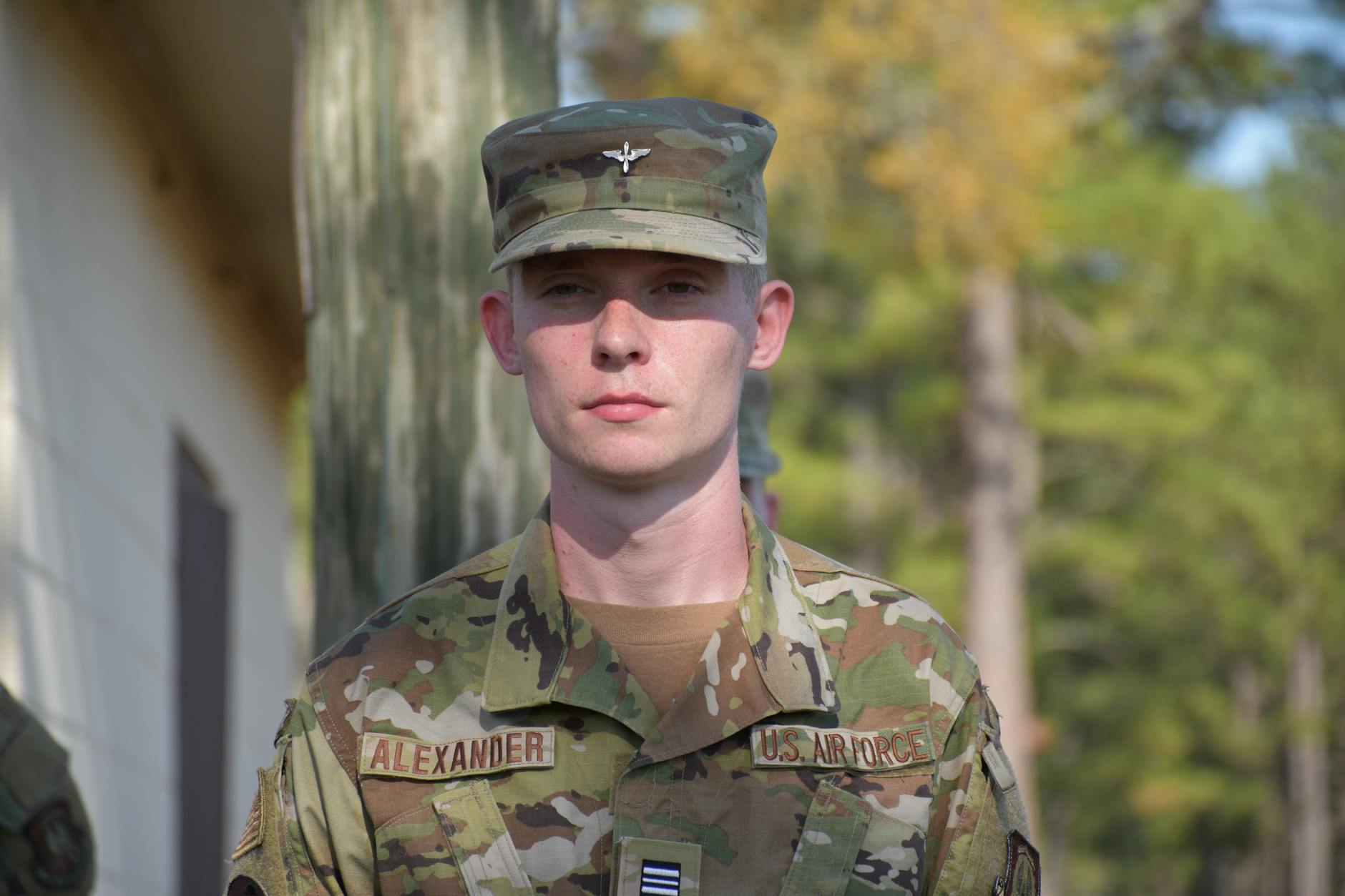
Yes, every U.S. military base in the Middle East is now operating under heightened alert, and the situation is more dangerous than at any point since the 2003 invasion of Iraq. Following the launch of Operation Epic Fury on February 28, 2026 — a joint U.S.-Israeli airstrike campaign against Iran that has already hit nearly 3,000 targets — all American military installations worldwide have been raised to Force Protection Condition Bravo (FPCON Bravo). That designation means an “increased or more predictable threat of terrorist activity exists,” one step below the level indicating an attack is considered imminent. Iran has retaliated with strikes on at least 27 bases across the region where U.S. troops are deployed, killing at least eight American service members in the first two weeks of the conflict. Between 40,000 and 50,000 American military personnel are currently stationed across roughly 10 countries in the Middle East, and the infrastructure supporting them is now under direct fire. Al Udeid Air Base in Qatar — the largest U.S.
installation in the region — narrowly avoided a catastrophic hit when a pair of Iranian fighter jets flew less than 100 feet above the ground in an apparent attack run. Naval Support Activity Bahrain, headquarters of U.S. Naval Forces Central Command, sustained damage to warehouses and satellite dishes. Al Dhafra Air Base in the UAE was also targeted. U.S. embassies in Saudi Arabia and the UAE have issued shelter-in-place orders and security alerts, and some personnel were advised to leave the Qatar base as early as January 2026 when tensions first began escalating. This article examines the scope of the alert status across U.S. bases, the specific attacks that have occurred, the casualty toll, what FPCON Bravo actually means for troops and their families, and how the diplomatic fallout is reshaping American military posture in the Gulf.
Table of Contents
- What Does Maximum Alert Mean for U.S. Military Bases in the Middle East?
- Which U.S. Bases Have Been Directly Attacked by Iran?
- The Human Cost — U.S. Casualties in Operation Epic Fury
- What Should U.S. Military Families and Civilians in the Region Do Now?
- The Broader Strategic Risk of FPCON Bravo Across All U.S. Bases
- Host Nation Reactions Across the Gulf
- What Comes Next if the Conflict Escalates
- Conclusion
- Frequently Asked Questions
What Does Maximum Alert Mean for U.S. Military Bases in the Middle East?
Force Protection Condition Bravo is the third level on a five-tier scale used by the Department of Defense. At the bottom is FPCON Normal, meaning no known threats. FPCON Alpha indicates a general, unpredictable threat. Bravo — where all U.S. bases now sit — signals that intelligence agencies have identified a credible, increased threat pattern. The next step up, FPCON Charlie, is reserved for situations where an attack has already occurred or intelligence indicates one is imminent.
The final tier, FPCON Delta, means an attack is underway or has just happened at a specific location. Some bases in the middle east that have already been struck are almost certainly operating at Charlie or Delta locally, even as the global posture remains at Bravo. In practical terms, FPCON Bravo means longer lines at base gates, more vehicle inspections, restricted access for non-essential visitors, increased patrols, and a general atmosphere of vigilance that touches every aspect of daily life on an installation. For the tens of thousands of service members stationed in the Gulf, this is not an abstraction. Families living on or near bases in Bahrain, Qatar, Kuwait, and the UAE are dealing with shelter-in-place orders and the knowledge that Iranian missiles and drones have already reached installations they considered relatively safe. The decision to raise Indo-Pacific Command installations to FPCON Bravo as well — thousands of miles from Iran — underscores how broadly the Pentagon views the current threat.

Which U.S. Bases Have Been Directly Attacked by Iran?
Iran’s Islamic Revolutionary Guard Corps claims to have launched attacks against at least 27 bases across the Middle East where American troops are deployed, in addition to Israeli military facilities. The countries hosting U.S. assets that were targeted span nearly the entire region: Azerbaijan, Bahrain, Iraq, Jordan, Kuwait, Oman, Qatar, Saudi Arabia, Turkey, and the UAE. That list includes nearly every nation where the U.S. maintains a significant military footprint in the Middle East and several that had long positioned themselves as neutral or at least not directly in the line of fire. The most significant confirmed strikes include the attack on Naval Support Activity Bahrain, which damaged warehouses and satellite communication dishes at the headquarters of the U.S. The Human Cost — U.S. Casualties in Operation Epic Fury
As of mid-March 2026, U.S. Central Command has confirmed the deaths of at least eight American service members in connection with Operation Epic Fury. The seventh confirmed death was a service member who succumbed to injuries sustained during an Iranian attack on a U.S. position in saudi Arabia on March 1. That soldier died on a Saturday night, and the announcement came with the now-routine Pentagon statement about the service member’s identity being withheld pending next-of-kin notification. An eighth soldier was subsequently confirmed killed in the Gulf region. Eight deaths in two weeks may sound modest compared to the toll of Iraq or Afghanistan at their peak, but context matters. These are casualties from a state-on-state conflict with Iran — not an insurgency, not a terrorist attack, but direct military strikes by a nation with ballistic missiles, cruise missiles, and armed drones capable of reaching every U.S. installation in the region. The pace of casualties, if sustained, would make this the deadliest period for American forces in the Middle East since the early years of the Iraq War. For military families, the shift from a peacetime deployment in Qatar or Bahrain to an active warzone happened almost overnight, and the psychological toll of that transition should not be underestimated. The U.S. Embassy in Saudi Arabia issued a shelter-in-place security alert on March 3, 2026, instructing American citizens to remain indoors and monitor official communications. The U.S. Embassy in the UAE followed with its own security alerts on March 3 and again on March 6. These are not routine advisories. Shelter-in-place orders from an American embassy mean the threat environment has deteriorated to the point where movement itself is considered dangerous. For military families stationed in the region, the calculus is different from civilian expatriates. Dependents on some installations may face ordered departures if the situation escalates further, as happened in January 2026 when some personnel were advised to leave the U.S. military base in Qatar amid escalating Trump-Iran threats — weeks before the actual strikes began. Civilian contractors and American business travelers in the Gulf states face a tradeoff: leave now while commercial flights are still operating, or shelter in place and hope the situation stabilizes. The risk of waiting is that commercial aviation could be disrupted by the conflict — Qatar’s Al Udeid base and Doha’s Hamad International Airport are uncomfortably close to each other, and any expansion of hostilities could ground civilian flights with little notice. Raising every American military installation worldwide to FPCON Bravo is not something the Pentagon does casually. The last time a global FPCON increase of this magnitude occurred was in the immediate aftermath of the September 11, 2001 attacks. The decision to include Indo-Pacific Command installations — bases in Japan, South Korea, Guam, and elsewhere — signals that the intelligence community believes Iran or its proxies could attempt attacks far beyond the Middle East. This is consistent with Iran’s known network of operatives and sympathizers in various countries, though the actual likelihood of an attack on a U.S. base in the Pacific remains speculative. The limitation of FPCON Bravo as a protective measure is that it is fundamentally a defensive posture against terrorism and asymmetric threats — car bombs, small arms attacks, insider threats. It was not designed for the scenario now playing out, in which a nation-state is firing ballistic missiles and sending fighter jets against American installations. Base commanders in the Gulf are almost certainly implementing measures well beyond standard FPCON Bravo protocols, but the gap between the formal alert system and the actual threat highlights how rapidly the situation has outpaced established frameworks. The U.S. military’s force protection doctrine was built for a world where the biggest threat to overseas bases was a lone attacker or a truck bomb, not a salvo of cruise missiles from a state adversary. The list of countries whose territory has been used as a battlefield — Azerbaijan, Bahrain, Iraq, Jordan, Kuwait, Oman, Qatar, Saudi Arabia, Turkey, and the UAE — reads like a roster of America’s most important regional partners. Several of these nations spent decades carefully balancing relationships with both Washington and Tehran, and that balancing act has now collapsed. 📨 Get Free Accountability Coverage Alerts Free · No spam · Unsubscribe anytime Qatar, which hosts Al Udeid and has historically maintained open channels with Iran, finds itself in a particularly awkward position. The UAE, which normalized relations with Israel in 2020 under the Abraham Accords, is now absorbing Iranian strikes on its soil. For these governments, the immediate question is whether hosting American forces has become a liability rather than a security guarantee — a question that could reshape basing agreements for years to come. Operation Epic Fury is now in its second week, with nearly 3,000 targets struck across Iran. The campaign shows no signs of winding down, and Iran’s retaliatory capacity — while degraded — has not been eliminated. If the conflict escalates to FPCON Charlie or Delta at major installations, the next steps could include ordered evacuations of military dependents, the repositioning of carrier strike groups, and potentially the activation of reserve forces. The longer this conflict continues, the greater the risk of a miscalculation that draws in additional actors — Hezbollah, the Houthis, or Iraqi militias — who have their own reasons to target American bases. The question is no longer whether U.S. bases in the Middle East are at maximum alert. They are. The question is whether maximum alert is enough. Every U.S. military base in the Middle East is operating under Force Protection Condition Bravo or higher, with at least 27 installations targeted by Iranian strikes since Operation Epic Fury began on February 28, 2026. Eight American service members have been killed, multiple bases have sustained physical damage, and U.S. embassies across the Gulf have issued shelter-in-place orders. The 40,000 to 50,000 American troops stationed across roughly 10 countries in the region are now in an active conflict zone, facing threats from ballistic missiles, cruise missiles, drones, and low-flying fighter aircraft. For military families, civilian contractors, and American citizens in the region, the situation demands immediate attention to embassy security alerts and base-level guidance. For the broader public, this is the most significant direct military confrontation between the United States and a nation-state adversary since the 2003 invasion of Iraq, and its trajectory remains uncertain. The alert status at American bases is not a precaution — it is a response to attacks that have already happened and a recognition that more are likely coming. FPCON Bravo is the third of five threat levels used by the Department of Defense. It indicates that intelligence has identified an increased and more predictable threat of terrorist or military activity. It triggers enhanced security measures including increased vehicle inspections, restricted base access, and heightened patrols. Between 40,000 and 50,000 American military personnel are stationed across approximately 10 countries in the Middle East, according to current Department of Defense figures. Iran’s IRGC claims attacks on at least 27 bases. Confirmed targets include Naval Support Activity Bahrain, Al Udeid Air Base in Qatar, and Al Dhafra Air Base in the UAE. Bases in Azerbaijan, Iraq, Jordan, Kuwait, Oman, Saudi Arabia, and Turkey were also targeted. As of mid-March 2026, at least eight U.S. service members have been confirmed killed. The seventh died from injuries sustained in an Iranian attack in Saudi Arabia on March 1, 2026. U.S. embassies in Saudi Arabia and the UAE have issued security alerts and shelter-in-place orders. American citizens in the region should monitor embassy communications and consider departing while commercial travel options remain available. Operation Epic Fury is the U.S. military campaign launched on February 28, 2026, in coordination with Israel, involving large-scale airstrikes against Iran. Nearly 3,000 targets have been struck across Iran as of its second week of operations.
What Should U.S. Military Families and Civilians in the Region Do Now?
The Broader Strategic Risk of FPCON Bravo Across All U.S. Bases

Host Nation Reactions Across the Gulf
What Comes Next if the Conflict Escalates
Conclusion
Frequently Asked Questions
What is Force Protection Condition Bravo?
How many U.S. troops are currently in the Middle East?
Which U.S. bases have been attacked by Iran?
How many U.S. service members have been killed in Operation Epic Fury?
Should American civilians leave the Middle East?
What is Operation Epic Fury?
You Might Also Like