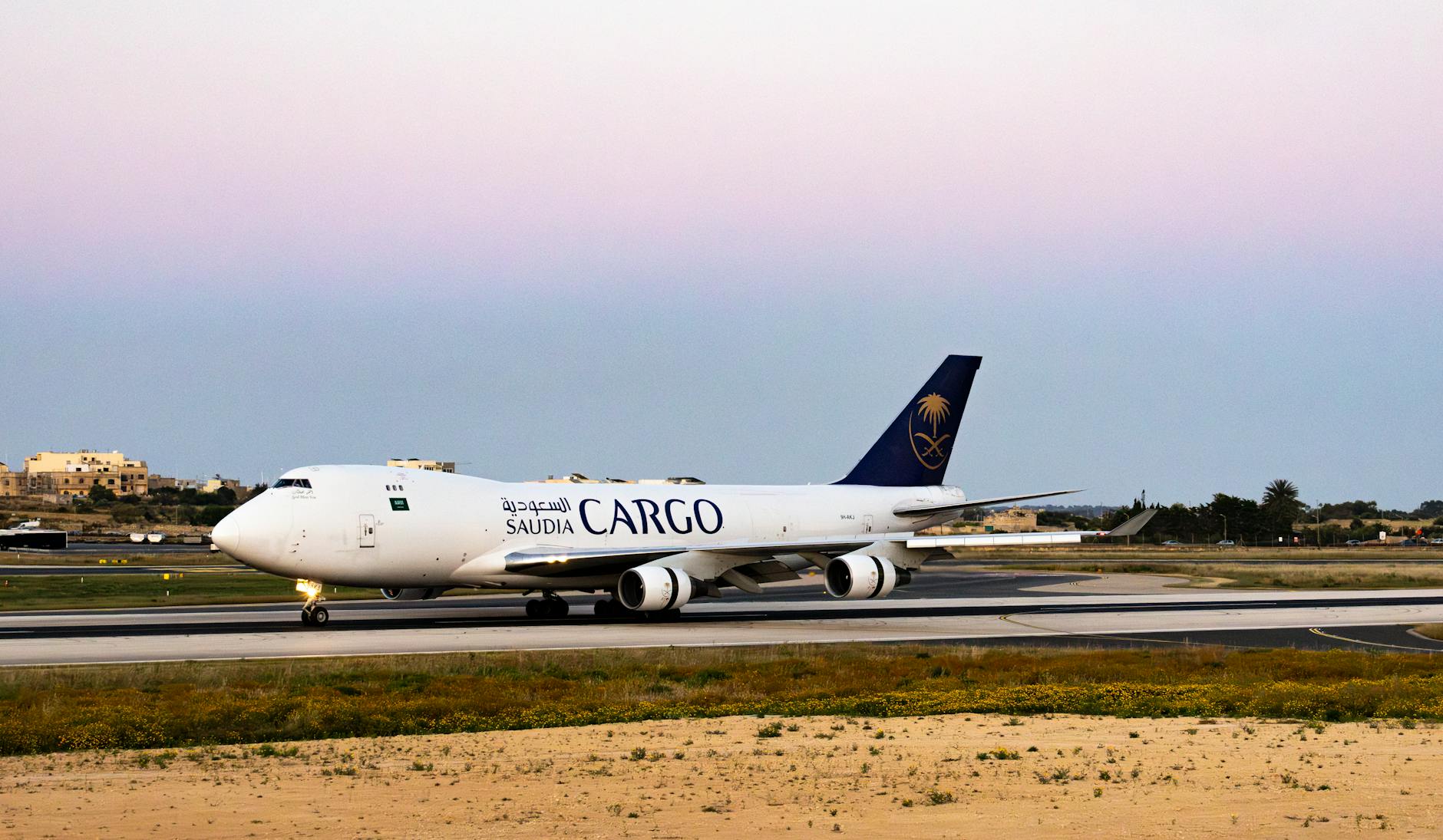
The headline claiming Saudi Arabia allowed U.S. aircraft to use its airspace for strikes on Iran is not supported by the available reporting. In fact, the evidence overwhelmingly shows the opposite — Saudi Arabia publicly and privately refused to grant the United States access to its airspace or territory for military operations against Iran prior to the February 28, 2026 joint U.S.-Israeli strikes. Crown Prince Mohammed bin Salman explicitly stated that the kingdom “will not allow its airspace or territory to be used for military actions against Iran,” a position echoed by officials in the UAE and Qatar.
A senior Gulf official told Fox News bluntly: “The plan is something other than using Saudi airspace.” What did change, however, was Saudi Arabia’s posture after Iran launched retaliatory strikes that hit Saudi territory directly — including two ballistic missiles aimed at Prince Sultan Air Base and Iranian drones that struck the U.S. Embassy in Riyadh. After absorbing those attacks despite having refused to participate in the initial strikes, Crown Prince MBS authorized military retaliation with full U.S. backing and offered to “place all its capabilities” at the region’s disposal. This article examines the timeline of Saudi Arabia’s shifting position, the consequences of Iran’s retaliation against Gulf states, and what this means for the broader U.S.-Iran conflict and regional stability.
Table of Contents
- Did Saudi Arabia Actually Allow U.S. Aircraft to Use Its Airspace for the Iran Strikes?
- The February 28 Strikes and Iran’s Retaliatory Attacks on Saudi Soil
- Saudi Arabia’s Post-Attack Shift Toward Military Cooperation
- The Cost of the U.S.-Iran Military Confrontation
- Why Gulf States Cannot Stay Neutral in a U.S.-Iran War
- The U.S. Embassy Attack in Riyadh and Diplomatic Implications
- What Comes Next for U.S.-Saudi-Iran Relations
- Conclusion
- Frequently Asked Questions
Did Saudi Arabia Actually Allow U.S. Aircraft to Use Its Airspace for the Iran Strikes?
No credible reporting confirms that Saudi Arabia granted the U.S. permission to use its airspace for strikes on iran before the February 28 attacks. In late January 2026, both Saudi Arabia and the UAE publicly stated they would not assist the United States in strikes against Iran. The Washington Times reported that both nations made clear they would not allow their airspace or territory to be used for attacks. This was not ambiguous diplomatic hedging — it was a direct, public refusal communicated through multiple channels.
Crown Prince Mohammed bin Salman’s statement was unequivocal. According to reporting from Anadolu Agency and Iran International, MBS explicitly confirmed the kingdom’s position against allowing any military use of Saudi airspace or territory to target Iran. This position was reiterated by Saudi, Emirati, and Qatari officials in the weeks leading up to the strikes. The consistency of the message across multiple Gulf capitals suggests it was a coordinated regional stance, not a negotiating tactic. Anyone claiming Saudi Arabia “allowed” U.S. aircraft to use its airspace for the initial Iran strikes is either misinformed or conflating the kingdom’s pre-strike refusal with its post-attack shift toward cooperation.
The February 28 Strikes and Iran’s Retaliatory Attacks on Saudi Soil
On February 28, 2026, the United States and Israel launched joint strikes against Iran. The Gulf states that had publicly distanced themselves from the operation were not spared from the fallout. Iran retaliated with missiles and drones against multiple Arab states hosting U.S. military assets, including Saudi Arabia, the UAE, Bahrain, Qatar, and Kuwait. The attacks demonstrated that Iran viewed the mere presence of American bases on Gulf soil as complicity, regardless of whether those nations had authorized their airspace for the strikes. Saudi Arabia was hit particularly hard. The kingdom’s defense ministry confirmed it intercepted two ballistic missiles fired at Prince Sultan Air Base — a U.S.
Air Force Air Expeditionary Base — and a hostile drone in Saudi airspace. Two Iranian drones struck the U.S. Embassy in Riyadh, causing what was described as “limited fire and minor material damage.” The Saudi Foreign Ministry condemned the attacks with notable frustration, pointing out that they came “despite the Iranian authorities knowing that the Kingdom had confirmed that it would not allow its airspace and territory to be used to target Iran.” In other words, Saudi Arabia did everything it could to stay out of the conflict and was attacked anyway. However, it is worth noting a critical limitation of Saudi Arabia’s position: refusing to allow airspace use did not protect the kingdom from Iranian retaliation. Iran’s calculus was based on the presence of U.S. military infrastructure on Gulf soil, not on whether individual nations authorized specific operations. This reality effectively collapsed the distinction Saudi Arabia was trying to maintain between hosting U.S. bases and participating in strikes against Iran.
Saudi Arabia’s Post-Attack Shift Toward Military Cooperation
The Iranian strikes on Saudi territory produced exactly the outcome Tehran presumably wanted to avoid — they pushed Saudi Arabia from neutrality into active military cooperation with the United States. After the attacks on Riyadh and Prince Sultan Air Base, Crown Prince MBS authorized military retaliation with full U.S. backing. The kingdom offered to “place all its capabilities” at the region’s disposal, a dramatic reversal from its earlier insistence on non-involvement. Senator Lindsey Graham publicly pressed Saudi Arabia to join the U.S. fight against Iran, according to reporting from The Hill. The political pressure from Washington combined with the reality of Iranian missiles hitting Saudi cities created conditions where continued neutrality became untenable.
The Christian Science Monitor reported that Gulf Arab states, which had lobbied for diplomacy in the lead-up to the strikes, were now tilting toward war. This shift was not limited to Saudi Arabia — the broader Gulf posture moved from diplomatic caution to military alignment as the consequences of Iran’s regional retaliation became clear. The pattern here is worth studying for anyone following U.S. foreign policy in the Middle East. Saudi Arabia’s transition from refusal to cooperation was not voluntary — it was forced by Iranian attacks that made neutrality strategically meaningless. By striking nations that had explicitly distanced themselves from the U.S. operation, Iran effectively recruited reluctant allies for Washington.

The Cost of the U.S.-Iran Military Confrontation
The financial and material costs of the U.S. strikes against Iran have been staggering. According to Anadolu Agency, the United States lost nearly $2 billion worth of military equipment in the first four days of strikes against Iran alone. This figure does not account for the cost of intercepting Iranian retaliatory missiles, the damage to the U.S. Embassy in Riyadh, or the broader economic disruption caused by the conflict. Compare this to the cost of previous U.S.
military operations in the region. The 2020 strike that killed Iranian General Qasem Soleimani was a single targeted operation with limited direct costs, though it triggered a cycle of escalation. The 2026 campaign represents a fundamentally different scale of engagement, with sustained strikes and significant equipment losses. The tradeoff is stark: the U.S. achieved military objectives against Iranian targets, but at a price tag that will invite intense Congressional scrutiny. For taxpayers and government accountability advocates, the $2 billion figure in just four days raises serious questions about the long-term sustainability and strategic return on this level of military expenditure.
Why Gulf States Cannot Stay Neutral in a U.S.-Iran War
The February 2026 events exposed a fundamental problem with Gulf neutrality during a U.S.-Iran conflict. Saudi Arabia, the UAE, Bahrain, Qatar, and Kuwait all host significant U.S. military infrastructure. When these nations refused to allow their airspace for strikes on Iran, they were attempting to maintain a distinction between hosting American forces and participating in American military operations. Iran rejected that distinction entirely. The warning for Gulf states is clear: as long as U.S.
military bases operate on their soil, they will be treated as parties to any U.S.-Iran conflict regardless of their stated positions. This creates an impossible situation — Gulf nations cannot simultaneously host U.S. forces for their own security and credibly claim neutrality when those forces are used against Iran. The attacks on multiple Gulf states confirmed that Iran views the American military footprint across the region as a single, interconnected target set. Any future diplomatic efforts to prevent escalation will need to grapple with this structural reality. Gulf states that believed they could thread the needle between Washington and Tehran learned on February 28 that the needle does not exist.
The U.S. Embassy Attack in Riyadh and Diplomatic Implications
The Iranian drone strike on the U.S. Embassy in Riyadh represents a significant escalation in the history of U.S.-Iran hostilities. Attacks on embassies carry enormous diplomatic weight — the 1979 Tehran hostage crisis defined U.S.-Iran relations for decades, and the 2012 Benghazi attack reshaped American domestic politics. While the Riyadh embassy attack caused only “limited fire and minor material damage” according to PBS, the symbolic implications are severe.
📨 Get Free Accountability Coverage Alerts
Free · No spam · Unsubscribe anytime
Iran directly targeted American diplomatic facilities in a third country, crossing a line that will shape U.S. policy responses for years. The attack also complicates Saudi Arabia’s diplomatic position. The kingdom now must address the fact that it could not prevent an attack on a foreign embassy within its own capital — a fundamental obligation under international law and diplomatic convention. This security failure, combined with the missile strikes on Prince Sultan Air Base, likely accelerated Saudi Arabia’s decision to move from neutrality to active military cooperation with the United States.
What Comes Next for U.S.-Saudi-Iran Relations
The trajectory from Saudi refusal to Saudi cooperation suggests that the region has entered a new phase of alignment that will be difficult to reverse. Crown Prince MBS’s offer to place “all its capabilities” at the region’s disposal is not the kind of commitment that can be quietly walked back. Saudi Arabia is now functionally a military partner in the U.S.
campaign against Iran, a role it actively tried to avoid just weeks before the February 28 strikes. Looking ahead, the key question is whether this forced alignment will lead to a broader regional coalition against Iran or whether Gulf states will seek an off-ramp once the immediate crisis subsides. The Christian Science Monitor’s reporting on Gulf Arabs shifting from diplomacy to war suggests the momentum is currently toward escalation. For anyone tracking government accountability and the use of American military power abroad, the coming weeks and months will reveal whether the $2 billion-plus cost of this engagement — and the expansion of the conflict to include reluctant Gulf partners — produces any durable strategic outcome or simply deepens an already volatile regional conflict.
Conclusion
The claim that Saudi Arabia allowed U.S. aircraft to use its airspace for strikes on Iran is contradicted by the available evidence. Prior to the February 28, 2026 strikes, Saudi Arabia publicly and privately refused airspace access, with Crown Prince MBS making the kingdom’s position explicit. What actually happened was more consequential: Iran attacked Saudi Arabia anyway, striking Prince Sultan Air Base and the U.S.
Embassy in Riyadh, which forced Saudi Arabia into the very military cooperation it had tried to avoid. The broader lesson from these events is that neutrality in a U.S.-Iran conflict may be structurally impossible for nations hosting American military bases. Saudi Arabia’s journey from refusal to full cooperation took a matter of days, driven not by a change of heart but by Iranian missiles landing on Saudi soil. With nearly $2 billion in U.S. military equipment lost in just four days and the conflict expanding to include Gulf states that never wanted to participate, the costs of this confrontation — financial, diplomatic, and human — are mounting rapidly and deserve sustained public scrutiny.
Frequently Asked Questions
Did Saudi Arabia allow U.S. aircraft to fly through its airspace to strike Iran?
No. All credible reporting indicates Saudi Arabia explicitly refused to allow its airspace or territory to be used for U.S. military operations against Iran prior to the February 28, 2026 strikes. Crown Prince MBS publicly confirmed this position.
Why did Iran attack Saudi Arabia if Saudi Arabia refused to help the U.S.?
Iran targeted multiple Gulf states that host U.S. military bases, including Saudi Arabia, regardless of whether those nations authorized their airspace for strikes. Iran viewed the American military presence itself as justification for retaliation.
What happened at Prince Sultan Air Base during the Iranian retaliation?
Saudi Arabia’s defense ministry reported intercepting two ballistic missiles fired at Prince Sultan Air Base, a U.S. Air Force facility, and a hostile drone in Saudi airspace during Iran’s retaliatory strikes.
How much did the U.S. military operations against Iran cost?
According to Anadolu Agency, the U.S. lost nearly $2 billion worth of military equipment in just the first four days of strikes against Iran. Total costs including operations, interceptors, and damage are likely significantly higher.
Did Saudi Arabia eventually join the U.S. military effort against Iran?
Yes. After Iranian retaliatory strikes hit Saudi territory, Crown Prince MBS authorized military retaliation with full U.S. backing and offered to “place all its capabilities” at the region’s disposal, reversing the kingdom’s earlier neutral stance.
Was the U.S. Embassy in Riyadh damaged in the Iranian attacks?
Yes. Two Iranian drones struck the U.S. Embassy in Riyadh, causing what was described as “limited fire and minor material damage” according to PBS reporting.
You Might Also Like
- Iran Had Been Quietly Rebuilding Its Military Since Last Year’s Midnight Hammer Strikes
- What’s Left of Iran’s Nuclear Program After Two U.S. Strikes in Eight Months
- U.S. Intelligence Watched Iran Rebuild in Real Time — Then Decided to Strike Again