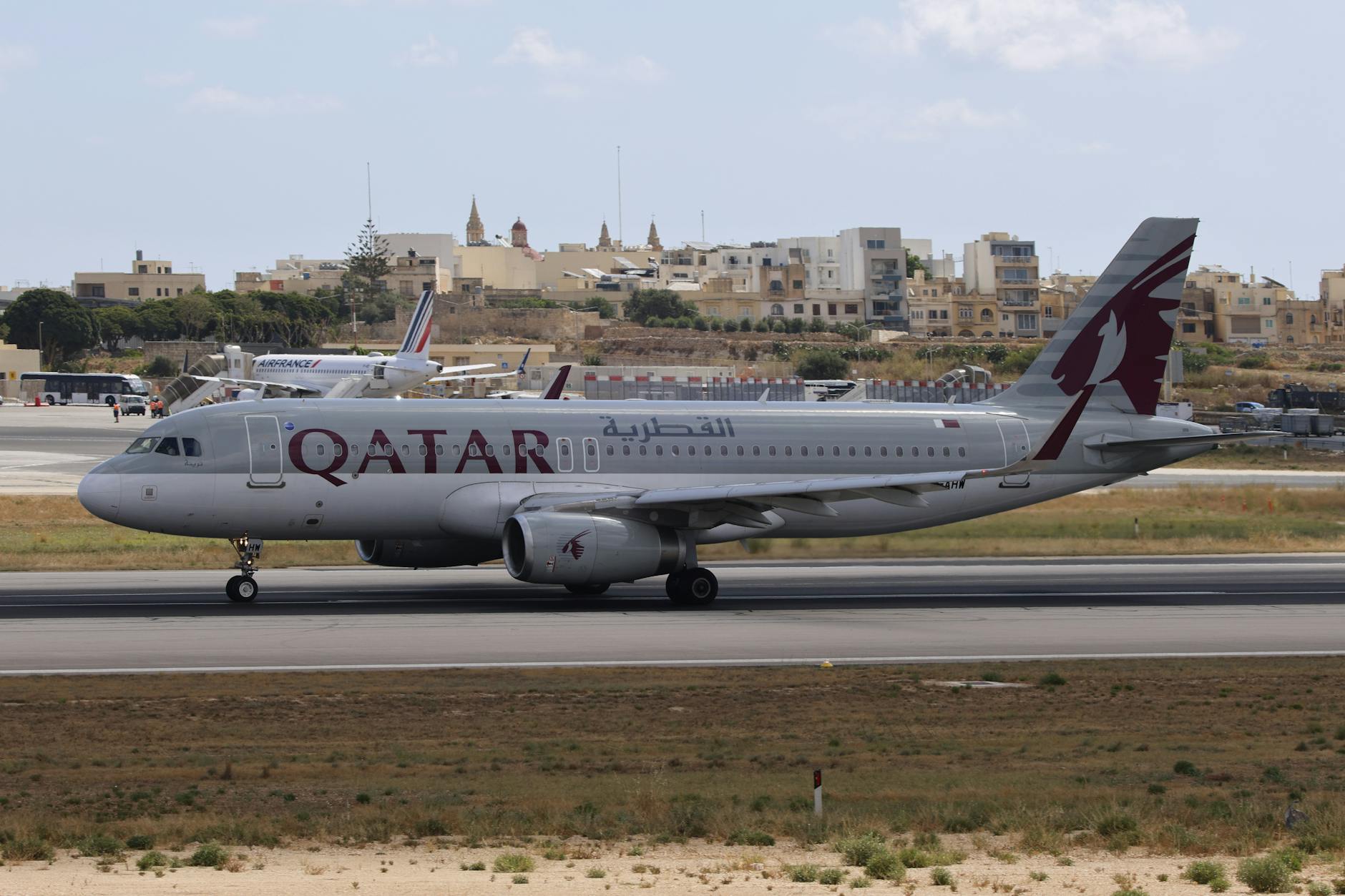
Yes, Qatar hosts Al Udeid Air Base, the largest U.S. military installation in the Middle East, and Iran did strike it. On March 3, 2026, an Iranian ballistic missile penetrated Qatar’s air defenses and directly hit the base, marking one of the most significant attacks on a U.S. military facility in the region’s history. Two ballistic missiles struck Al Udeid in total, and a separate drone targeted a nearby radar installation that cost American taxpayers over a billion dollars to build. Qatar’s Defense Ministry confirmed the hit but reported no casualties. The strikes did not come out of nowhere.
They were part of a broader Iranian retaliatory campaign that began on February 28, 2026, after U.S. and Israeli strikes on Iran. On that first day alone, Qatar was targeted by 44 missiles and 8 drones, with missile debris injuring 16 people. What followed over the next several days was a rapid escalation that tested Qatar’s defenses, damaged critical U.S. military infrastructure, and raised urgent questions about the vulnerability of America’s most important forward operating base in the Gulf. This article covers the strategic importance of Al Udeid, the timeline of Iran’s strikes, how Qatar responded with its first-ever aerial combat operation, the devastating hit on a $1.1 billion early warning radar, and what all of this means for U.S. force posture in the Middle East going forward.
Table of Contents
- What Makes Al Udeid Air Base the Largest U.S. Base in the Middle East?
- Timeline of Iran’s February–March 2026 Strikes on Qatar
- Qatar’s First Aerial Combat and What It Revealed
- The $1.1 Billion Radar Hit by a $20,000 Drone
- U.S. Equipment Losses and the Cost of the First Four Days
- Qatar’s $9 Billion Investment Now Under Fire
- What the Strikes Mean for U.S. Force Posture Going Forward
- Conclusion
- Frequently Asked Questions
What Makes Al Udeid Air Base the Largest U.S. Base in the Middle East?
Al Udeid Air Base sits approximately 30 kilometers southwest of Doha, Qatar, built on flat desert terrain. Established in 1996, the base hosts approximately 10,000 U.S. military personnel as of 2026 and serves as the forward headquarters of U.S. Central Command (CENTCOM), the nerve center for American military operations across the entire region. It is also the headquarters of USAF Central Command and houses the 379th Air Expeditionary Wing. The Combined Air Operations Center, known as the CAOC, commands airpower across a 21-nation region with personnel from 17 different nations working side by side. Qatar has invested staggering sums to make this possible. The initial construction in the 1990s cost Qatar $1 billion, and since 2003, the country has poured an additional $8 billion into upgrades and expansion. That kind of investment from a host nation is virtually unmatched anywhere else the U.S.
operates. By comparison, most U.S. bases abroad rely heavily on American funding for infrastructure. Al Udeid hosts not only U.S. Air Force assets but also the Qatar Emiri Air Force, the UK Royal Air Force, and other allied forces. The U.S. first used the base in late September 2001, when the Air Force needed staging grounds for operations in Afghanistan, and it has been central to every major American military campaign in the region since. The sheer concentration of command-and-control infrastructure at Al Udeid makes it irreplaceable in the short term. There is no backup CAOC elsewhere in the Gulf that can seamlessly take over its mission. That concentration, however, also makes it a high-value target, a reality that Iran demonstrated in brutal fashion.

Timeline of Iran’s February–March 2026 Strikes on Qatar
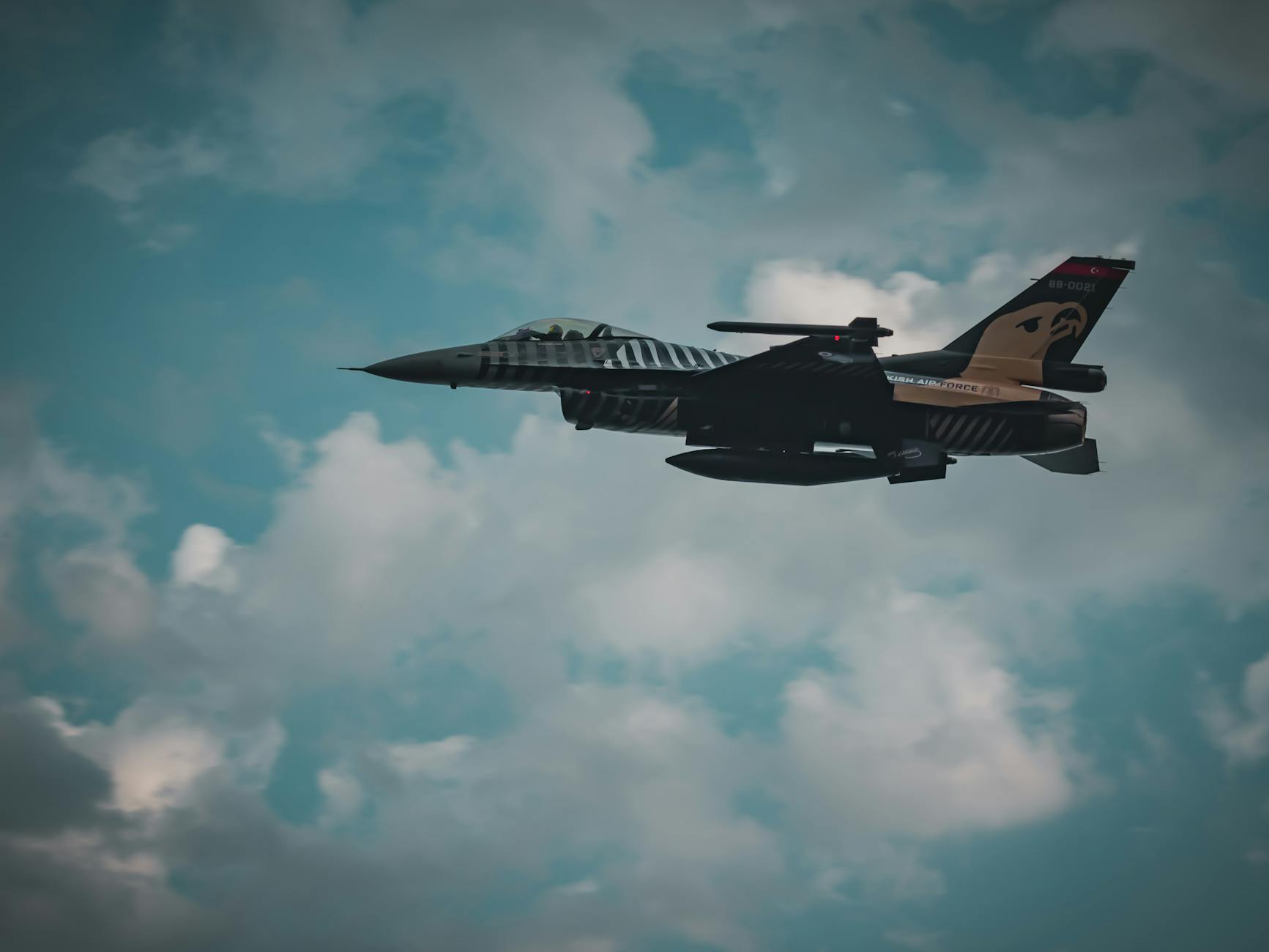
The Iranian strikes began on February 28, 2026, as a retaliatory response to U.S. and Israeli military strikes on Iran. On that single day, Iran launched 44 missiles and 8 drones targeting Qatar. The barrage overwhelmed portions of the defense network, and missile debris from the first wave injured 16 people on the ground. This was not a surgical strike against a single military target — it was a broad salvo intended to demonstrate that Iran could reach the Gulf states hosting American forces. Two days later, on March 2, the situation nearly escalated to a catastrophic level. Two Iranian Su-24 bombers flew at less than 100 feet altitude, skimming beneath radar coverage, and came within two minutes of reaching Al Udeid Air Base.
Qatari F-15 fighters scrambled and intercepted both aircraft, shooting them down in what became Qatar’s first-ever aerial combat operation. had those bombers reached the base, the damage could have been far worse than anything a missile delivered. However, the defenses did not hold entirely. On March 3, an Iranian ballistic missile penetrated Qatar’s air defenses and struck Al Udeid directly. Qatar’s Defense Ministry confirmed the hit but reported no casualties. A second ballistic missile also struck the base, and a drone targeted a nearby radar installation. If there is a warning embedded in this timeline, it is this: even the most heavily defended bases in the world are not invulnerable. The assumption that missile defense shields can stop everything is a dangerous one, and these strikes proved it.
Qatar’s First Aerial Combat and What It Revealed
The March 2 intercept deserves particular attention because it was unprecedented for Qatar. The country’s air force had never engaged in aerial combat before that day. When two Iranian Su-24 bombers flew at extreme low altitude — less than 100 feet — heading directly for Al Udeid, Qatari pilots in F-15 fighters responded and destroyed both aircraft. The Su-24 is a Cold War-era Soviet-designed bomber, but flying at that altitude made it difficult to detect and track, which is precisely why the Iranians chose that approach. The fact that Qatar’s pilots successfully intercepted the bombers within a two-minute window speaks to the readiness of their air force, but it also reveals how close the situation came to disaster. Two minutes is almost no margin.
Had the intercept been delayed by weather, communication lag, or any mechanical issue, those bombers could have delivered their payloads directly onto the base. The incident underscored that Qatar, despite being a small nation, is now a combat-tested U.S. ally in a way it never was before. This was also a politically significant moment. Qatar has historically maintained a careful diplomatic balance, keeping lines open with Iran while hosting American forces. That balancing act became untenable the moment Qatari fighters shot down Iranian aircraft. The strikes forced Qatar into an unambiguous military posture alongside the United States, a shift with long-term implications for Gulf diplomacy.
The $1.1 Billion Radar Hit by a $20,000 Drone
Perhaps the most strategically damaging single event in the strikes was the Iranian drone attack on the AN/FPS-132 Block 5 early warning radar at Umm Dahal, near Al Udeid. This radar system cost approximately $1.1 billion to build and was one of the most advanced phased-array systems in the U.S. military inventory. It could detect ballistic missile launches from up to 5,000 kilometers away, making it a cornerstone of Gulf missile defense architecture. The drone that struck it cost an estimated $20,000. Satellite imagery from Planet Labs dated March 3 showed scorching and structural damage to the northeastern face of the radar installation, along with water runoff consistent with firefighting efforts. Two other faces of the radar appeared visually intact, but Qatar’s Ministry of Defense confirmed the radar was targeted and notably did not state it survived unscathed.
Iran’s Islamic Revolutionary Guard Corps claimed outright destruction of the radar. The full extent of the damage has not been publicly disclosed, but the tradeoff is staggering on its face: a $20,000 drone versus a $1.1 billion radar system. This asymmetry is the core problem facing U.S. force planners. Defending against swarms of cheap drones with expensive interceptor missiles is economically unsustainable. Each Patriot interceptor costs roughly $3 to $4 million. If an adversary can degrade or destroy billion-dollar assets with weapons that cost less than a new car, the math does not work in America’s favor, no matter how large the defense budget.
U.S. Equipment Losses and the Cost of the First Four Days
The radar was not the only loss. According to reporting from Anadolu Agency, the United States lost an estimated $2 billion worth of military equipment in the first four days of the conflict with Iran. That figure encompasses damage and destruction across multiple sites, but Al Udeid was central to the toll. The concentration of high-value assets at a single base — the very thing that makes Al Udeid operationally efficient — also made it a target-rich environment. This raises a question that military planners have debated for years: is it wise to concentrate so much capability in one location? The counterargument has always been that centralization enables faster coordination and reduces logistical complexity.
But when a single base can be hit by ballistic missiles and drones in a matter of days, that efficiency becomes a liability. Dispersal across multiple smaller installations would reduce the impact of any single strike, but it would also increase costs and complicate command-and-control operations. The $2 billion figure also does not account for the longer-term costs of repairing or replacing damaged systems, redeploying forces, or hardening defenses after the fact. Early warning radar systems like the AN/FPS-132 cannot be rebuilt quickly. If the damage is as significant as satellite imagery suggests, the gap in missile detection coverage could persist for months or longer, leaving Gulf allies more vulnerable in the interim.

Qatar’s $9 Billion Investment Now Under Fire
Qatar has invested roughly $9 billion total in Al Udeid Air Base — $1 billion in initial construction and $8 billion in upgrades and expansion since 2003. That investment bought Qatar a security guarantee: by hosting the largest U.S. base in the Middle East, the country effectively ensured that any attack on Qatar would be an attack on American forces, triggering a U.S. response. The Iranian strikes tested that bargain in the most direct way possible.
📨 Get Free Accountability Coverage Alerts
Free · No spam · Unsubscribe anytime
For Qatar, the calculus has shifted. The base was supposed to deter attacks, not attract them. The fact that Iran was willing to strike Al Udeid — knowing full well it housed U.S. Central Command’s forward headquarters — suggests that deterrence has limits when an adversary feels sufficiently threatened or cornered. Qatar now faces the reality that its $9 billion investment made it a primary target rather than an untouchable sanctuary.
What the Strikes Mean for U.S. Force Posture Going Forward
The Iran strikes on Al Udeid will likely accelerate conversations within the Pentagon about distributed basing in the Middle East. The concept is not new — the military has been experimenting with Agile Combat Employment, which involves spreading forces across smaller, harder-to-target locations rather than relying on a few mega-bases. But implementation has been slow, partly because host nations like Qatar have invested billions in existing infrastructure and partly because CENTCOM’s command structure is built around Al Udeid’s centralized facilities. The strikes also demonstrated that the threat environment in the Gulf has fundamentally changed.
Iran showed it can reach the most heavily defended U.S. installation in the region with ballistic missiles, low-flying bombers, and cheap drones. Whatever comes next — whether it is a ceasefire, a broader conflict, or a tense standoff — the assumption that American bases in the Gulf are beyond Iran’s reach has been permanently shattered. The U.S. and its Gulf partners will need to reckon with that reality in every basing decision, defense procurement, and diplomatic negotiation from this point forward.
Conclusion
Al Udeid Air Base remains the most important U.S. military installation in the Middle East, but Iran’s February and March 2026 strikes exposed vulnerabilities that cannot be ignored. A $20,000 drone damaged a $1.1 billion radar. Ballistic missiles penetrated air defenses and struck the base directly. Two Iranian bombers came within two minutes of reaching the facility before Qatar’s F-15s shot them down.
The U.S. lost an estimated $2 billion in military equipment in just four days. These are not abstract strategic concerns — they are concrete events that have already reshaped the security landscape of the Gulf. Going forward, the United States and Qatar face difficult decisions about how to defend, disperse, and invest in military infrastructure that adversaries have now proven they can hit. Qatar’s $9 billion investment and its first-ever aerial combat operation have bound the country more tightly to the American security framework than ever before, but the cost of that partnership is now measured not just in dollars but in demonstrated risk. The era of untouchable Gulf bases is over.
Frequently Asked Questions
How many U.S. military personnel are stationed at Al Udeid Air Base?
Approximately 10,000 military personnel as of 2026, making it the largest U.S. military installation in the Middle East.
Were there casualties when Iran struck Al Udeid Air Base?
Qatar’s Defense Ministry confirmed the base was hit by a ballistic missile on March 3, 2026, but reported no casualties from the direct strike. However, missile debris from the February 28 first wave injured 16 people in Qatar.
What is the AN/FPS-132 radar and why does its damage matter?
The AN/FPS-132 Block 5 is a $1.1 billion U.S.-built phased-array early warning radar capable of detecting ballistic missile launches from up to 5,000 kilometers away. Its damage potentially creates a gap in Gulf missile defense coverage.
Has Qatar ever been involved in aerial combat before?
No. The March 2, 2026 intercept of two Iranian Su-24 bombers by Qatari F-15 fighters was Qatar’s first-ever aerial combat operation.
How much has Qatar invested in Al Udeid Air Base?
Qatar invested approximately $1 billion in initial construction in the 1990s, followed by an additional $8 billion in upgrades and expansion since 2003, totaling roughly $9 billion.
Why did Iran strike Qatar specifically?
Iran launched retaliatory strikes after U.S. and Israeli strikes on Iran. Qatar was targeted because it hosts Al Udeid Air Base, the forward headquarters of U.S. Central Command and the Combined Air Operations Center that commands airpower across the region.
You Might Also Like
- U.S. Intelligence Watched Iran Rebuild in Real Time — Then Decided to Strike Again
- Saudi Arabia Allowed U.S. Aircraft to Use Its Airspace for the Iran Strikes — Report
- Bahrain Hosts the U.S. Fifth Fleet and Was One of the First Targets of Iranian Retaliation