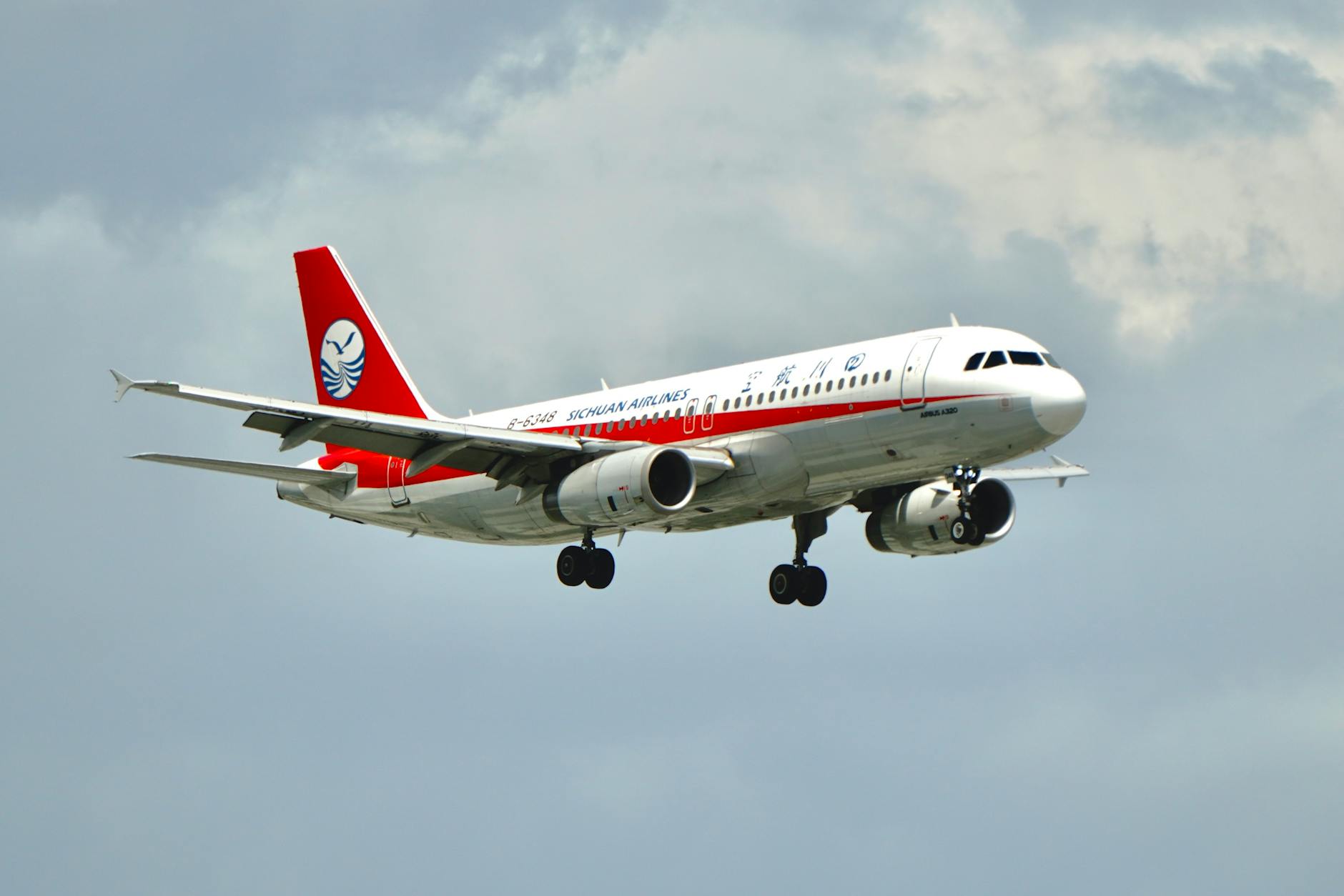
Following U.S. and Israeli strikes on Iran on February 28, 2026, airlines across the globe are rerouting thousands of flights around Iranian airspace, triggering the biggest disruption to global air transport since the COVID pandemic. At least eight countries — Iran, Israel, Iraq, Jordan, Qatar, Bahrain, Kuwait, and the UAE — closed their airspace, forcing carriers like Emirates, Qatar Airways, and flydubai to chart longer paths around the Tehran Flight Information Region. As of early March 1, FlightAware reported more than 19,000 flights delayed globally and over 2,600 cancelled, with those numbers climbing throughout the day.
The scale of disruption is staggering. Flightradar24 data shows roughly 3,400 flights cancelled on Sunday alone across seven Middle Eastern airports, with major hubs in Dubai, Abu Dhabi, and Doha temporarily shutting down entirely. For passengers, this means rerouted flights are adding anywhere from 30 to 90 minutes of travel time, with some budget carriers like Wizz Air forced to make refueling stops in Cyprus or Greece just to complete westbound routes from the Gulf. This article breaks down which airlines are affected, what the rerouting costs, how passengers can protect themselves, and whether airfares are likely to rise in the weeks ahead.
Table of Contents
- Why Are Airlines Rerouting Thousands of Flights Around Iranian Airspace?
- The Financial Toll on Airlines and the Risk of Rising Airfares
- Which Airlines and Airports Are Most Affected?
- What Passengers Should Do Right Now
- The Safety Dimension — Why Airlines Cannot Simply Fly Through
- How This Compares to Previous Airspace Disruptions
- What Comes Next for Global Air Travel
- Conclusion
- Frequently Asked Questions
Why Are Airlines Rerouting Thousands of Flights Around Iranian Airspace?
The immediate cause is straightforward: flying through an active conflict zone is not an option. When the U.S. and Israel launched strikes on iran on February 28, Tehran retaliated with attacks across the region, and aviation authorities in eight countries moved swiftly to close their airspace. Airlines that normally route through Iranian-controlled airspace — which sits at a critical crossroads for flights connecting Europe, South Asia, and the Gulf states — suddenly had to find alternative paths. Most carriers are now routing south over Saudi Arabia to bypass the conflict zone entirely.
This is not a minor detour. Iranian airspace is one of the busiest corridors in international aviation, and the Tehran Flight Information Region covers a massive geographic area. Emirates and flydubai, both based in Dubai, confirmed they are rerouting around the Tehran FIR. Qatar Airways is doing the same. For context, a flight from London to Dubai that would normally pass over Iran might now swing south over Saudi Arabia, adding significant distance and fuel burn. India’s Directorate General of Civil Aviation went further, advising all Indian operators to avoid Iranian airspace entirely, prompting IndiGo to suspend flights to Almaty, Baku, Tashkent, and Tbilisi — routes that depend on transiting through or near the affected zone.
The Financial Toll on Airlines and the Risk of Rising Airfares
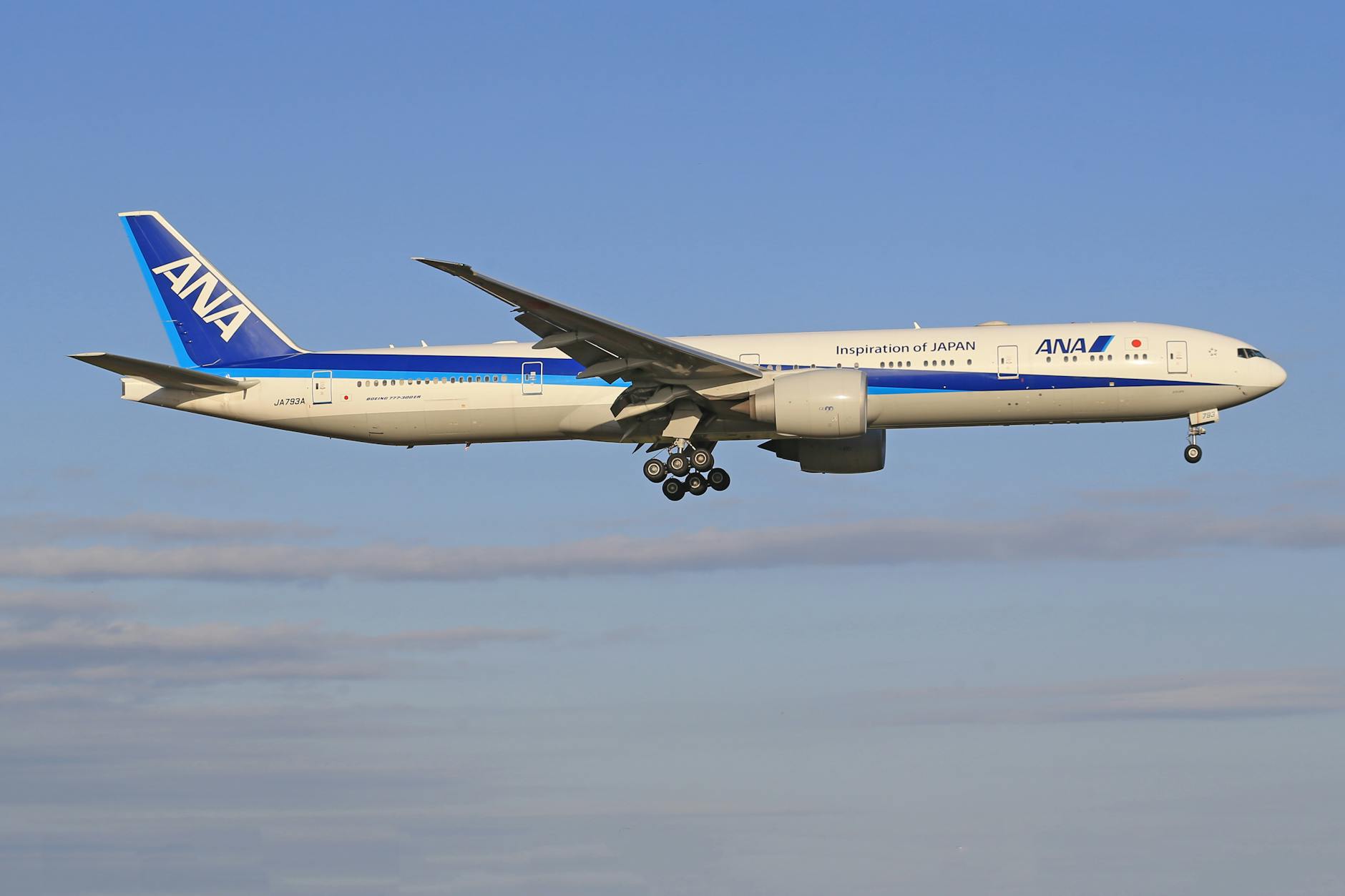
Rerouting flights is expensive. Industry estimates put the additional operating cost at roughly $6,000 per flight hour, a figure that accounts for extra fuel, crew time, navigation fees, and wear on aircraft. When you multiply that across hundreds or thousands of affected flights per day, the financial hit to airlines is enormous — particularly for Gulf-based carriers whose entire hub operations have been disrupted. The cost pressure does not stop at the airlines.
Longer routes require more fuel, and some aircraft simply cannot carry enough to complete the rerouted journey without stopping. Wizz Air’s westbound flights from Dubai and Abu Dhabi, for instance, are now making technical refueling stops in Larnaca, Cyprus, or Thessaloniki, Greece — stops that add hours to what should be a direct flight. If the conflict lingers beyond the initial airspace closures, which are currently extended through at least March 3 and possibly March 7, airlines will face a choice: absorb the costs or pass them on to passengers. Fortune has already reported that airfare increases are a real prospect if this situation drags on. However, if the airspace reopens within a few days and operations normalize, most carriers will likely eat the short-term losses rather than risk alienating travelers with sudden price hikes.
Which Airlines and Airports Are Most Affected?
The hardest-hit carriers are those based in the Gulf, which is no surprise given that Dubai, Abu Dhabi, and Doha — three of the world’s busiest international hubs — were temporarily closed. Emirates and flydubai together operate hundreds of daily flights that transit through or near Iranian airspace. Qatar Airways, which uses Doha as its sole hub, faces similar exposure. Major Middle Eastern airlines alone accounted for more than 1,800 cancelled flights, according to Malay Mail’s reporting.
But the disruption extends well beyond Gulf carriers. IndiGo, India’s largest airline, suspended multiple Central Asian routes because those flights depend on Iranian airspace. European budget carriers like Wizz Air are dealing with operational headaches on their Gulf routes. And any airline flying between Europe and South or Southeast Asia has to account for the closure of airspace across Iraq, Jordan, and other affected countries — not just Iran. The ripple effects are hitting airports far from the conflict zone, as connecting passengers miss their onward flights and aircraft end up out of position for their next scheduled departures.
What Passengers Should Do Right Now
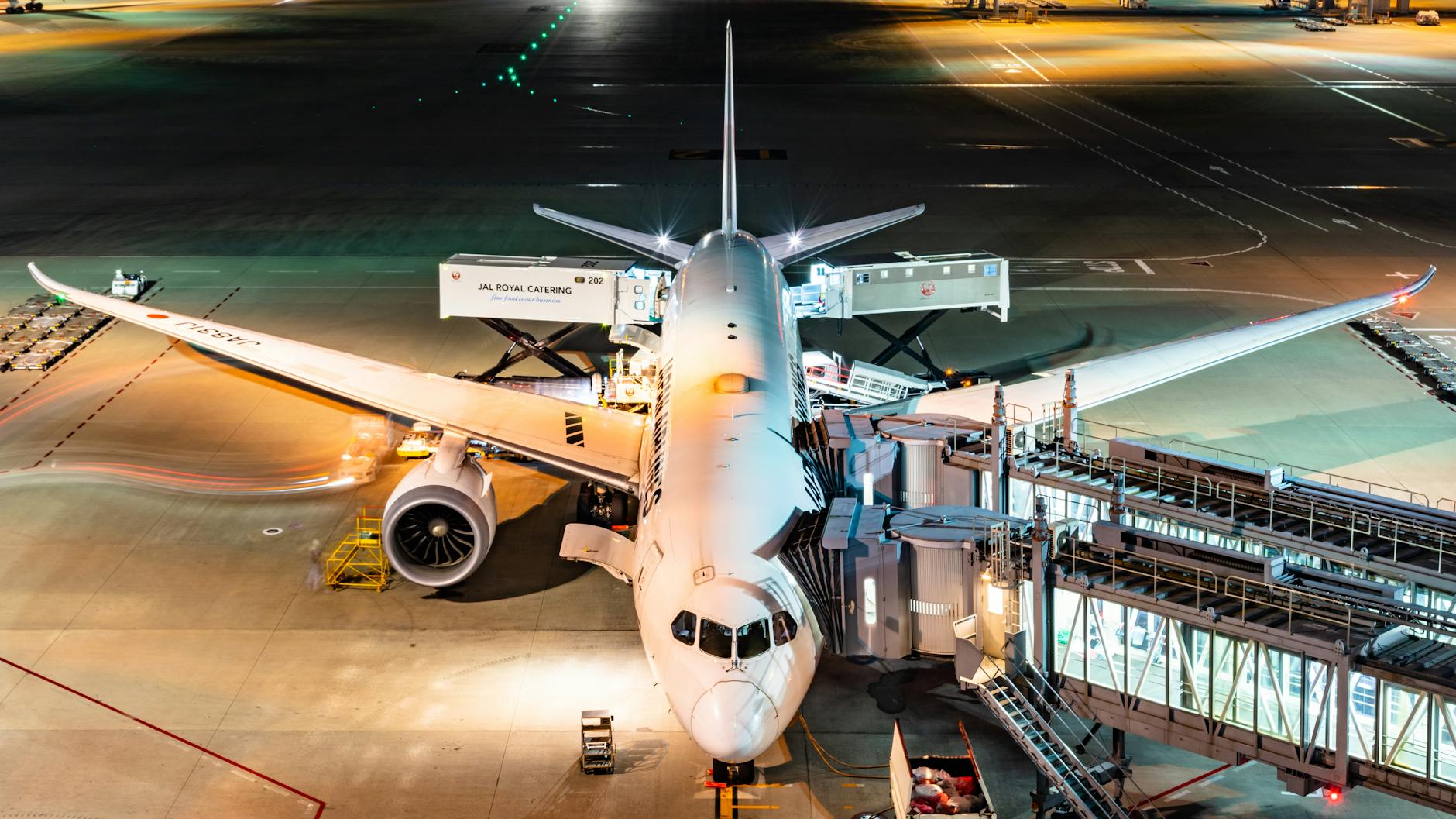
If you have upcoming travel that routes through or near the Middle East, the first step is to check directly with your airline. Do not rely on third-party booking sites for status updates — go to the airline’s website or app, or call their customer service line. Airlines are generally required to rebook you at no additional cost when they cancel or significantly alter a flight, but the specifics depend on the carrier, your ticket class, and the regulations of the country where you purchased your ticket. There is a meaningful difference between a cancelled flight and a delayed one when it comes to your rights.
A cancellation typically triggers rebooking or refund obligations under most regulatory frameworks, including EU Regulation 261/2004 for flights departing from or arriving in Europe on EU carriers. A delay of 30 to 90 minutes from rerouting, while frustrating, may not qualify for compensation under the same rules — though this is exactly the kind of gray area where documentation matters. Save your booking confirmation, any communications from the airline, and receipts for expenses incurred due to the disruption. If the situation escalates or your airline is unresponsive, you may have grounds for a complaint with the relevant aviation authority.
The Safety Dimension — Why Airlines Cannot Simply Fly Through
Some passengers may wonder why airlines do not just fly through at high altitude, above any conflict. The answer lies in the tragic lessons of recent history. Malaysia Airlines Flight 17, shot down over eastern Ukraine in 2014, was flying at cruising altitude through airspace that had not been formally closed. The International Civil Aviation Organization and national aviation authorities have since adopted a much more aggressive posture toward conflict-zone airspace. When a country closes its airspace, airlines comply — period.
There is also the question of insurance. Airline war-risk insurance premiums spike when flights operate near active conflicts, and some insurers will refuse coverage altogether for operations in or near closed airspace. Even if a pilot could technically fly through at FL400, the airline’s insurer might void coverage, leaving the carrier exposed to catastrophic liability. This is why airlines err heavily on the side of caution, even when the rerouting costs are painful. The closure of Iranian airspace through at least March 3, with some reports indicating it may last until March 7, reflects the seriousness with which authorities are treating this situation.
📨 Get Free Accountability Coverage Alerts
Free · No spam · Unsubscribe anytime

How This Compares to Previous Airspace Disruptions
The last time global aviation saw disruption on this scale was during the COVID-19 pandemic, when entire fleets were grounded for months. Before that, the 2010 eruption of Iceland’s Eyjafjallajökull volcano shut down European airspace for six days, stranding millions of passengers. This current crisis shares elements of both: the geographic scope of the closures recalls the pandemic’s impact on Gulf aviation, while the sudden onset mirrors the volcanic disruption.
One critical difference is that this situation is driven by a military conflict with no clear timeline for resolution. Volcanic ash eventually dissipates. A pandemic eventually gets managed. But a shooting war between major powers can escalate unpredictably, and airlines, passengers, and regulators are all operating with limited visibility into how long the disruption will last.
What Comes Next for Global Air Travel
The near-term outlook depends entirely on the trajectory of the conflict. If hostilities de-escalate and airspace reopens within the current closure windows, airlines will work to restore normal operations within days. Fleet repositioning, crew scheduling, and passenger rebooking will create a messy transition period, but the industry has the operational muscle to recover quickly from short-term disruptions.
If the conflict expands or airspace closures are extended, the consequences become more structural. Airlines may need to permanently reroute key corridors, adjust schedules, and raise fares to offset ongoing additional costs. Gulf hub airports — Dubai in particular — could see a meaningful shift in traffic patterns as connecting passengers seek alternatives. The aviation industry has weathered crises before, but each one reshapes the landscape in ways that linger long after the immediate disruption ends.
Conclusion
The rerouting of thousands of flights around Iranian airspace following the U.S. and Israeli strikes on February 28, 2026, represents the most significant disruption to global aviation since the pandemic. With more than 19,000 flights delayed, over 3,400 cancelled across Middle Eastern airports, and airspace closures extending through at least early March, the impact on airlines and passengers is severe and ongoing.
Airlines are absorbing roughly $6,000 per flight hour in additional costs, and the prospect of fare increases looms if the situation persists. For travelers, the practical advice is clear: check your airline directly, document everything, understand your rebooking and refund rights, and avoid booking new travel through the region until the situation stabilizes. For the industry, this is a stress test that will reveal which carriers have the financial reserves and operational flexibility to weather an extended disruption — and which do not.
Frequently Asked Questions
Are flights to Dubai still operating?
Dubai International Airport was temporarily closed but has been reopening in phases. However, flights are subject to significant delays and rerouting. Check directly with your airline for the most current status before heading to the airport.
Can I get a refund if my flight through Iranian airspace was cancelled?
Generally, yes. When an airline cancels your flight, you are typically entitled to a full refund or rebooking at no additional cost. EU passengers on EU carriers have additional protections under Regulation 261/2004. Contact your airline directly to initiate the process.
How much longer are rerouted flights taking?
Most rerouted flights are adding between 30 and 90 minutes of travel time, depending on the route. Some flights, particularly budget carrier routes like Wizz Air’s westbound Gulf flights, are adding even more time due to required refueling stops in Cyprus or Greece.
Will airfares increase because of the Iran airspace closures?
If the conflict and associated airspace closures persist beyond the initial March 3–7 window, fare increases are likely, particularly on routes that normally transit Iranian airspace. Additional fuel costs, longer flight times, and refueling stops all add to airline operating expenses that may be passed on to passengers.
Is it safe to fly in the Middle East right now?
Airlines are not operating through closed airspace, and rerouted flights are designed to avoid conflict zones entirely. The rerouting itself is a safety measure. The primary risk to travelers is operational — cancellations, delays, and rebooking challenges — rather than in-flight safety on rerouted paths.
You Might Also Like
- Trump Told the Iranian People: “The Hour of Your Freedom Is at Hand”
- Lebanon Closes All Airspace After U.S.-Israel Strikes Begin
- Jared Kushner Was Meeting With Iranian Officials in Geneva Before the War Started