
No, you cannot get $2,200 in “pandemic back pay” from the federal government. The claim circulating on TikTok, Facebook, and various clickbait blogs is false. There is no federally authorized $2,200 pandemic back pay program. The IRS has not announced any new stimulus payment, direct deposit, or back pay initiative of this amount, and no bill creating such a payment has been passed by Congress. If you clicked a link promising to “check your eligibility,” you may have landed on a phishing page designed to steal your Social Security number and bank details.
The viral posts often reference a fabricated “U.S. Revenue Department,” which is not a real agency. The actual agency is the U.S. Treasury. Scammers repackage language from earlier pandemic-era stimulus checks, such as the $1,200 payments in 2020 and $1,400 payments in 2021, and present them as new relief for 2025 or 2026. This article breaks down exactly how the scam works, what state-level programs actually existed, what happened with federal pandemic unemployment benefits, and how to verify any government payment claim before you hand over personal information.
Table of Contents
- Is the $2,200 Pandemic Back Pay Claim Real or a Scam?
- How the Pandemic Back Pay Scam Actually Works
- State-Level Pandemic Worker Pay Programs That Actually Existed
- How to Verify Any Government Payment Claim Before You Act
- The “DOGE Dividend” and Other Proposals That Haven’t Become Law
- Federal Pandemic Unemployment Programs Are All Expired
- What to Do If You Already Fell for the Scam
- Conclusion
- Frequently Asked Questions
Is the $2,200 Pandemic Back Pay Claim Real or a Scam?
It is a scam. The $2,200 pandemic back pay claim has no basis in federal law, no backing from the irs, and no legislative history in Congress. The posts spreading this claim typically follow a pattern: an urgent headline about unclaimed money, a vague reference to pandemic relief, and a link that asks for your personal information. That link does not go to IRS.gov or any government website.
It goes to a third-party page built to harvest your data. Compare this to how legitimate stimulus payments actually worked. The three rounds of Economic Impact Payments in 2020 and 2021 were authorized by specific acts of Congress: the CARES Act, the Consolidated Appropriations Act, and the American Rescue Plan Act. Each payment had a defined amount, eligibility criteria published on IRS.gov, and a tracking tool called “Get My Payment.” None of them required you to click a social media link or enter your Social Security number into an unfamiliar website. If a payment claim does not appear on IRS.gov, it is not real. The IRS has been explicit on this point: the agency never initiates contact through social media, text messages, or email to request personal information. Any message that does so is fraudulent, regardless of how official it looks.

How the Pandemic Back Pay Scam Actually Works
The mechanics are straightforward. Scammers take real details from expired government programs and mix them with fabricated claims to create something that sounds plausible. The $2,200 figure is close enough to past stimulus amounts that it passes a quick gut check. The word “back pay” implies money you are owed, which creates urgency. And the phrase “check your eligibility” mimics the language the IRS actually used during the real stimulus rollouts. Once you click through, the phishing page typically asks for your full name, Social Security number, date of birth, and bank account information, supposedly to “verify your eligibility” and set up a direct deposit.
With that information, scammers can file fraudulent tax returns in your name, open credit accounts, or drain your bank account. If you have already entered information on one of these pages, you should immediately contact the IRS Identity Protection Specialized Unit, place a fraud alert with the three major credit bureaus, and monitor your bank statements. However, not every misleading post is a phishing operation. Some clickbait blogs publish articles about the $2,200 claim purely to generate ad revenue. They write vague, speculative content designed to keep you clicking through multiple pages without ever confirming or denying the claim. The damage here is less direct, but these sites still waste your time and spread misinformation that makes the actual scam pages more believable.
State-Level Pandemic Worker Pay Programs That Actually Existed
While no federal $2,200 back pay program exists, several states did create their own pandemic worker bonus programs with real money behind them. These are the programs that scammers sometimes reference, stripped of context, to make their claims sound credible. Minnesota launched its Frontline Worker Pay program, funded with $500 million, which paid $487.45 to each eligible worker. Over one million workers received payments before the program closed on July 22, 2022. Massachusetts distributed $500 payments to approximately 240,000 essential employees through its COVID-19 Essential Employee Premium Pay program in 2022.
Connecticut offered grants of up to $1,000 to private-sector essential workers. Pennsylvania created a Hazard Pay Grant providing up to $1,200 per eligible full-time equivalent employee. New York paid nearly $3 million in backpay to more than 2,100 state employees for overtime worked during the pandemic. Every one of these programs is now closed to new applicants. If you see a social media post claiming you can still apply for state-level pandemic pay, verify it directly on the state government website before taking any action. The Minnesota Department of Revenue, Mass.gov, and other official state portals have clear information about program status and deadlines.
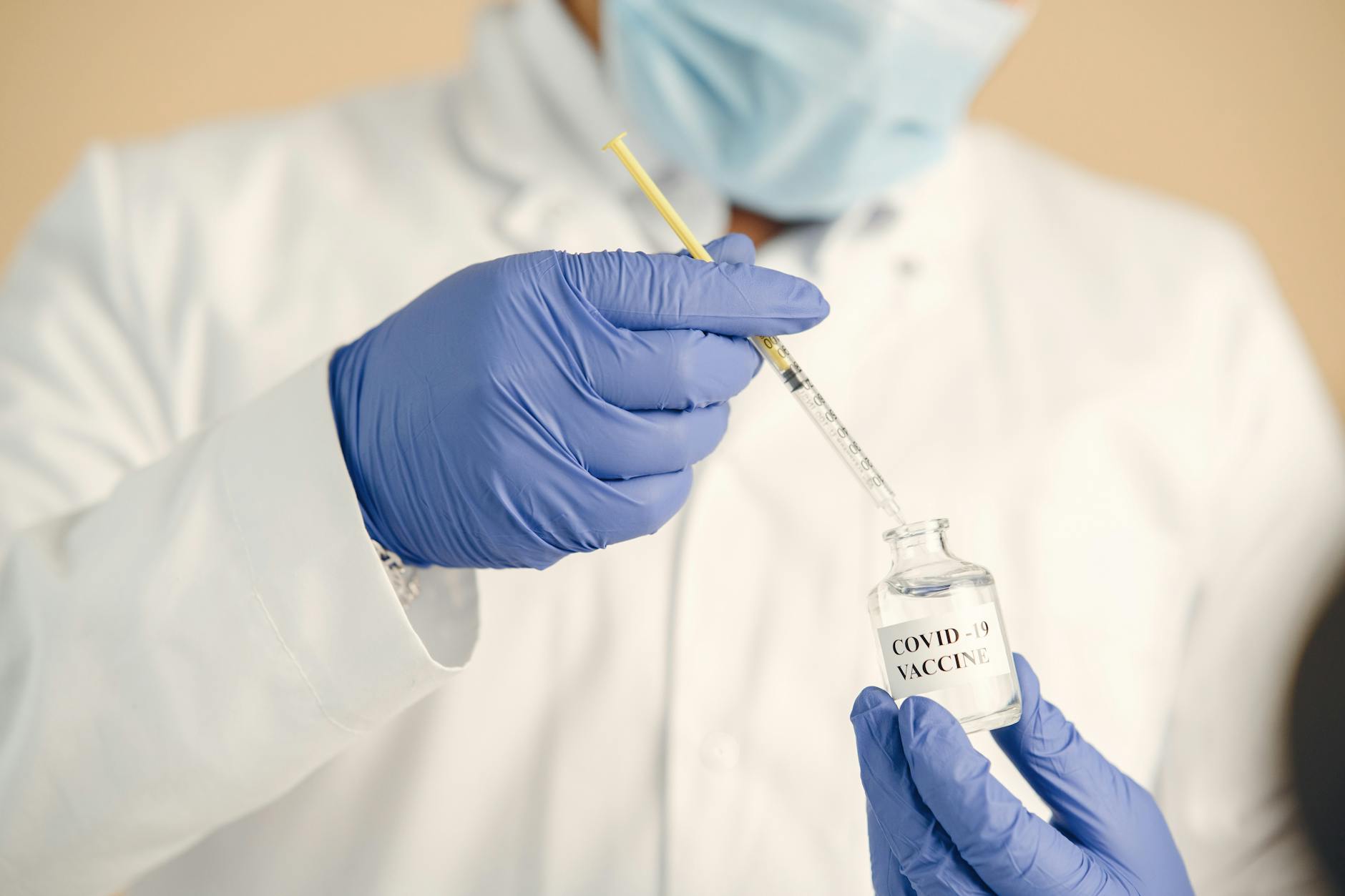
How to Verify Any Government Payment Claim Before You Act
The difference between a legitimate government payment and a scam comes down to where the information originates. Real federal payments are announced through IRS.gov, Treasury.gov, or SSA.gov. They are covered by established news organizations citing specific legislation. And they come with official tracking tools, not social media links. Here is a practical comparison.
When the IRS issued the third stimulus payment of $1,400 in 2021, you could verify it on IRS.gov, track your payment through the Get My Payment tool, and find the authorizing legislation, the American Rescue Plan Act, on Congress.gov. When someone claims you can get $2,200 in pandemic back pay, there is no IRS page, no tracking tool, no legislation, and the only sources are social media posts and ad-supported blogs. That gap tells you everything you need to know. If you are unsure about a specific claim, start at IRS.gov/coronavirus-tax-relief-and-economic-impact-payments. This page lists every legitimate Economic Impact Payment and recovery rebate credit. If what you are looking for is not listed there, it does not exist as a federal program.
The “DOGE Dividend” and Other Proposals That Haven’t Become Law
Part of what fuels confusion around pandemic back pay claims is the existence of real proposals that have not been enacted. Former President Trump floated a concept called the “DOGE Dividend,” suggesting tax rebate checks of up to $5,000. As of now, no bill has been introduced in Congress to create this program, no funding has been authorized, and no payment mechanism has been established. This is an important distinction that scammers exploit. A proposal discussed in a speech or a news interview is not the same as a law passed by Congress and signed into effect.
Until a bill passes both chambers of Congress and receives a presidential signature, no agency can distribute funds. People who see headlines about the DOGE Dividend and then encounter a social media post about $2,200 in back pay may conflate the two, assuming the payment is real because they vaguely remember hearing about a rebate proposal. The warning here is simple: do not treat political proposals as enacted policy. If a payment program actually launches, the IRS will publish detailed guidance, and you will be able to verify it through official channels. Until that happens, any claim about new federal payments is premature at best and fraudulent at worst.

Federal Pandemic Unemployment Programs Are All Expired
Every federal pandemic unemployment program has expired. Federal Pandemic Unemployment Compensation added $600 per week, later reduced to $300 per week, to state unemployment benefits. FEMA’s Lost Wages Assistance program provided up to $400 per week, split between $300 in federal funds and $100 from state contributions.
📨 Get Free Accountability Coverage Alerts
Free · No spam · Unsubscribe anytime
All of these programs ended in September 2021. If you received pandemic unemployment benefits and believe you were underpaid or missed payments, your recourse is through your state unemployment agency, not through a social media link promising new federal money. Some states processed backdated claims after the programs ended, but those windows have also largely closed. Contact your state labor department directly for case-specific information.
What to Do If You Already Fell for the Scam
If you entered personal information on a phishing page connected to the $2,200 pandemic back pay claim, act immediately. File an identity theft report at IdentityTheft.gov, contact the IRS Identity Protection Specialized Unit at 800-908-4490, and place fraud alerts with Equifax, Experian, and TransUnion. Monitor your bank accounts and credit reports for unauthorized activity over the next several months.
Looking ahead, these scams will not stop. Every time a new economic relief proposal enters public discussion, scammers will build fake claims around it. The best defense is a consistent habit of verifying claims through official government websites before clicking any link or sharing any personal information. Bookmark IRS.gov and Treasury.gov now so you have a direct path to real information when the next viral claim inevitably appears.
Conclusion
The $2,200 pandemic back pay claim is false. No federal program exists to distribute this amount, no legislation has been passed to authorize it, and the IRS has not announced any such payment. The viral posts promoting this claim are either phishing operations designed to steal personal information or clickbait content built to generate ad revenue.
State-level pandemic worker pay programs did exist in Minnesota, Massachusetts, Connecticut, Pennsylvania, and New York, but all are now closed. Protect yourself by verifying every payment claim through IRS.gov, Treasury.gov, or your state government’s official website. Never enter personal information on a site you reached through a social media link. If something sounds too good to verify through official channels, it almost certainly is.
Frequently Asked Questions
Did the IRS announce a $2,200 stimulus payment for 2025 or 2026?
No. The IRS has not announced any new stimulus payment of $2,200 or any other amount. The last federal Economic Impact Payments were issued in 2021 under the American Rescue Plan Act.
What is the “U.S. Revenue Department” referenced in some of these posts?
It does not exist. The real agency responsible for federal revenue is the U.S. Department of the Treasury, which oversees the IRS. Any post referencing a “U.S. Revenue Department” is fabricated.
Are there any unclaimed stimulus checks I can still get?
If you were eligible for a stimulus payment and did not receive it, you may be able to claim a Recovery Rebate Credit on your federal tax return. Check IRS.gov for eligibility details and deadlines.
Is the DOGE Dividend real?
It was discussed as a concept by former President Trump, but no bill has been introduced in Congress, no funding has been authorized, and no program has been created. It is not an active payment program.
What should I do if I entered my information on a phishing site?
File a report at IdentityTheft.gov, contact the IRS Identity Protection Specialized Unit at 800-908-4490, place fraud alerts with all three credit bureaus, and monitor your financial accounts for unauthorized activity.
Can I still apply for state pandemic worker bonuses?
Most state-level pandemic worker pay programs, including those in Minnesota, Massachusetts, and Connecticut, are now closed to new applicants. Check your state government’s website for current status.
You Might Also Like
- A Major Airline Agreed to a $25 Million Refund Program. Here’s Who Can File and What Proof You Need.
- Trump Says Drug Prices Fell 60%. Federal Data Shows a 4% Drop. Here’s the Actual Impact.
- A $2,000 “Tax Dividend” Is Circulating Again. It Was Never Funded. Here’s Where That Claim Started.