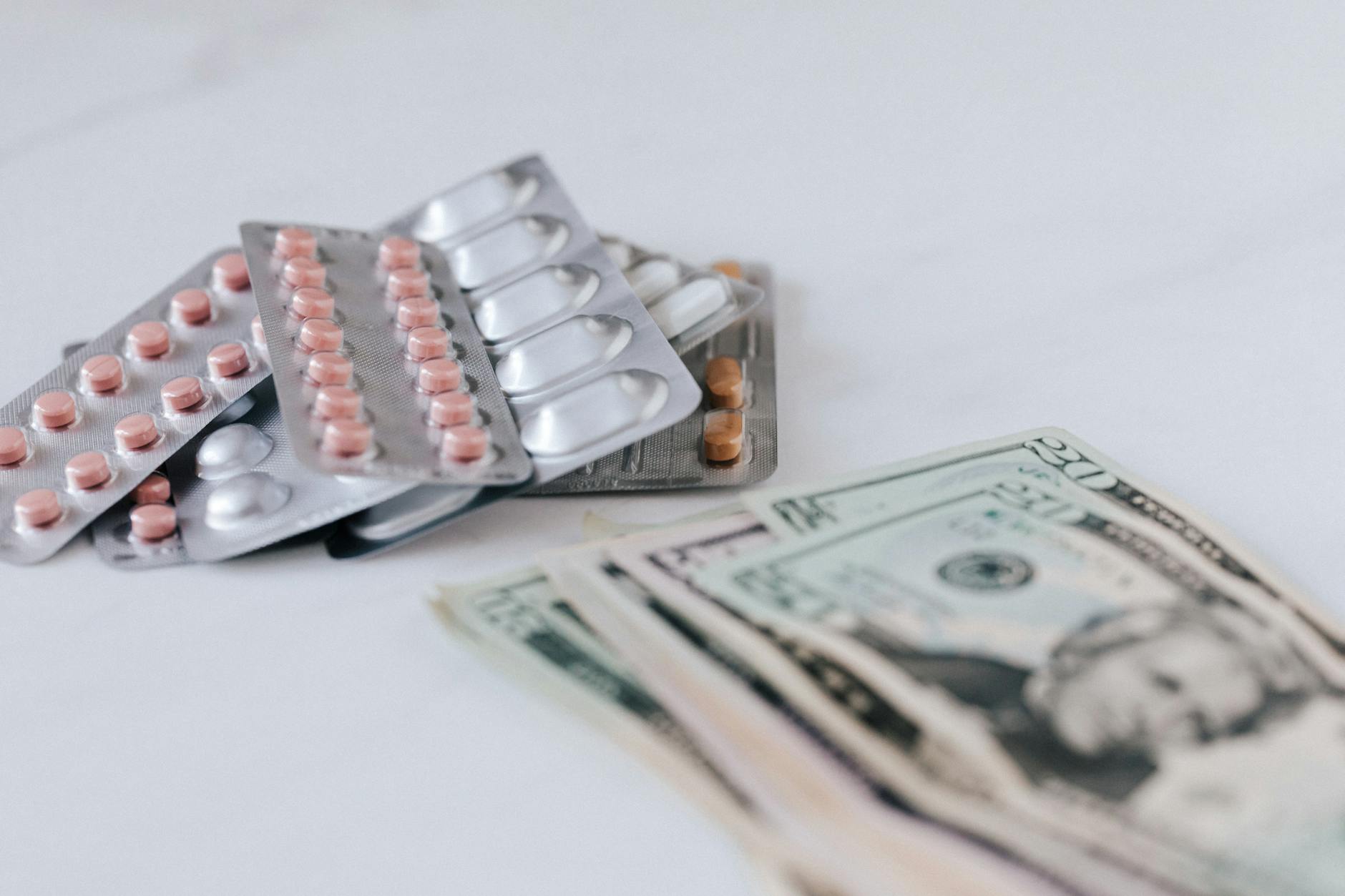
President Trump claims his drug pricing deals have slashed costs by 60 percent or more, but federal data tells a starkly different story. The median list price increase for brand-name drugs in 2026 was 4 percent — the same as the year before — according to research firm 46brooklyn. In January 2026 alone, 872 brand-name products took price increases while only 18 saw decreases. The TrumpRx program, launched in February 2026, does offer meaningful discounts on a narrow set of 43 drugs, but the gap between the administration’s rhetoric and the measurable reality is enormous.
Take Ozempic, one of the most talked-about drugs in the country. Under TrumpRx, cash-paying patients can access it for $199 compared to a list price of $1,027 — an 81 percent discount that sounds impressive until you realize most insured Americans already pay less than list price through their coverage. Meanwhile, Pfizer raised prices on 72 products in January 2026, including a 15 percent hike on its COVID shot. This article breaks down what the Trump administration actually negotiated, what the federal data shows, who benefits and who doesn’t, and how these deals stack up against existing programs like the Inflation Reduction Act’s Medicare negotiation provisions.
Table of Contents
- What Did Trump Actually Claim About Drug Prices, and What Does Federal Data Show?
- What Is TrumpRx and Who Actually Benefits From It?
- How Are Drug Companies Actually Responding to the Deals?
- How Does TrumpRx Compare to the Inflation Reduction Act’s Drug Price Provisions?
- Why the 60 Percent Claim Misleads More Than It Informs
- What Cash-Paying Patients Should Actually Know
- Where Drug Pricing Goes From Here
- Conclusion
- Frequently Asked Questions
What Did Trump Actually Claim About Drug Prices, and What Does Federal Data Show?
The claims coming from the White House have been, to put it mildly, disconnected from arithmetic. On Truth Social, Trump declared that drug prices are “falling at levels never seen before — 500%, 600%, 700%, and more.” In a prime-time address, he said he had negotiated reductions of 400 to 600 percent. These figures are mathematical impossibilities. A price cannot drop more than 100 percent — that would mean the manufacturer is paying you to take the drug. The more modest claim, that “many of the most widely used drugs will be available for 60% off or even more,” is closer to reality for a handful of medications but misrepresents the broader market.
The broader market, according to 46brooklyn, shows no signs of widespread price cutting. Their research found that the median list price increase for brand-name drugs held steady at 4 percent in 2026, identical to 2025. That is not a typo and it is not cherry-picked — it reflects the actual trajectory of what Americans are being charged. Sixteen companies that signed deals with the Trump administration still raised prices on other products in their portfolios in 2026. The disconnect between the rhetoric of historic price slashing and the data showing continued price increases is not a matter of interpretation. It is a matter of math.

What Is TrumpRx and Who Actually Benefits From It?
TrumpRx launched in February 2026 with 43 drugs from five pharmaceutical companies: AstraZeneca, Eli Lilly, EMD Serono, Novo Nordisk, and Pfizer. The discounts range from 33 percent off for Xeljanz (priced at $1,518 versus a list price of $2,277) to 93 percent off for Cetrotide, a fertility drug. The program does not sell drugs directly. Instead, TrumpRx.gov redirects patients to manufacturer websites where they can access these discounted prices. Here is the critical limitation: these discounts are only available to cash-paying patients, meaning people who are uninsured or who choose not to use their How Are Drug Companies Actually Responding to the Deals?
The most revealing indicator of how much these deals actually cost the pharmaceutical industry is Wall Street’s reaction: pharma and biotech stock indexes have been rising most of the year. If investors believed these deals represented a genuine threat to industry profits, stock prices would reflect that. They don’t. Gilead Sciences described the financial impact of its deal with the administration as “manageable,” estimating roughly a 2 percent drag on its HIV business. That is not a company bracing for disruption — it is a company absorbing a rounding error. Meanwhile, Pfizer signed a deal with the administration and then raised prices on 72 products in January 2026, including that 15 percent increase on its COVID vaccine. The pattern across the 16 companies with Trump administration deals is consistent: offer discounts on a curated list of drugs, then continue business as usual on everything else. Price hikes in 2026 have affected drugs treating cancer, heart failure, Type 2 diabetes, and other serious conditions — exactly the kinds of medications where patients have the least ability to shop around or go without. The Inflation Reduction Act’s Medicare drug price negotiation program, signed into law during the Biden administration, is projected to save $6 billion annually and reduce out-of-pocket spending by $1.5 billion in 2026 alone. These savings apply broadly across the Medicare population and are backed by statutory authority — they are not voluntary agreements that companies can walk away from or offset with price hikes elsewhere. TrumpRx, by contrast, covers 43 drugs and relies on voluntary participation from five companies. There is no enforcement mechanism, no penalty for raising prices on drugs outside the agreement, and no guarantee the deals will persist. Joseph Antos, a senior fellow emeritus at the conservative-leaning American Enterprise Institute, questioned whether there is “any way to actually objectively measure the impact” of the deals. The White House itself acknowledged that the savings are largely aspirational, stating that prices will drop “once the MFN deals are codified upon passage of Great Healthcare Plan” — legislation that does not yet exist. Comparing TrumpRx’s targeted discounts to the IRA’s systemic reforms is like comparing a coupon book to a change in trade policy. One helps a few people on a few purchases; the other reshapes the market. When Trump says prices have fallen 60 percent “or even more,” he is referencing the discount off list price for specific drugs in the TrumpRx program. Ozempic at $199 versus a $1,027 list price is indeed roughly 81 percent off. But list price is a figure that almost nobody actually pays. It is the sticker price before insurance negotiations, rebates, and pharmacy benefit manager discounts. Using list price as the baseline inflates the apparent savings dramatically. Axios noted that “most Americans aren’t likely to notice much of a difference outside of a few key drugs.” The research firm 46brooklyn was more blunt: “There are no signs of widespread slashing of list prices in the U.S.” The danger of overstating savings is not just rhetorical. When patients hear that drug prices have dropped 60 percent, some may assume their own prescriptions have become cheaper. They haven’t, unless the patient is uninsured and happens to need one of the 43 drugs in the program. For the millions of Americans struggling with the cost of medications not on the TrumpRx list, the situation in 2026 is functionally unchanged — or worse, given the 4 percent median price increase that continues unabated. If you are uninsured or underinsured and you take one of the 43 drugs on the TrumpRx list, the program could save you real money. Ozempic at $199 per month instead of $1,027 is a significant reduction. Cetrotide at 93 percent off list price matters for patients undergoing fertility treatment. 📨 Get Free Accountability Coverage Alerts Free · No spam · Unsubscribe anytime These are not trivial savings for the people who qualify. But you should check whether manufacturer discount programs, patient assistance foundations, or pharmacy discount cards like GoodRx already offer comparable or better pricing before assuming TrumpRx is your best option. Many of these alternative discount programs existed before TrumpRx launched and will continue regardless of the program’s future. The structural forces driving drug prices upward in the United States — patent protections, pharmacy benefit manager consolidation, limited competition for biologics, and the absence of comprehensive price regulation — remain firmly in place. TrumpRx does not address any of them. The White House has signaled that broader reforms depend on future legislation, but no bill has been introduced and no congressional timeline has been set. The Inflation Reduction Act’s Medicare negotiation provisions will continue expanding to cover more drugs, which may produce more measurable savings over time. For now, the most honest assessment is that a small number of uninsured patients have access to meaningful discounts on a small number of drugs, while the broader prescription drug market continues on the same trajectory it was on before any deals were announced. The gap between Trump’s drug pricing rhetoric and the federal data is not subtle. Claims of 60 percent, 500 percent, or 700 percent price drops are either mathematically impossible or apply only to a narrow slice of drugs measured against a list price that most patients never pay. The median brand-name drug price increase in 2026 is 4 percent. Sixteen companies with White House deals are still raising prices on other products. Wall Street is unfazed. The TrumpRx program helps some cash-paying patients on some drugs, but it is not the systemic overhaul the administration describes. If you are trying to lower your prescription costs, check whether your specific medication is on the TrumpRx list, but also compare pricing through your insurance, manufacturer assistance programs, and pharmacy discount tools. The Inflation Reduction Act’s Medicare provisions may offer broader relief if you are a Medicare enrollee. The bottom line: do not assume your drug prices have dropped based on presidential claims. Check the actual price you are being charged, and explore every available discount pathway for your specific medications. For most brand-name drugs, no. The median list price increase in 2026 was 4 percent, the same as 2025. In January 2026, 872 brand-name products saw price increases while only 18 had decreases. TrumpRx is a government website launched in February 2026 that lists 43 drugs from five pharmaceutical companies at discounted prices. It does not sell drugs directly — it redirects users to manufacturer websites. The discounts are primarily for cash-paying, uninsured patients. The program targets cash-paying patients. If you have insurance, your plan’s negotiated price may already be lower than the TrumpRx price. For example, Xeljanz is available through many insurance plans at a 50 to 55 percent discount after rebates, which is better than TrumpRx’s 33 percent discount. The TrumpRx price for Ozempic is $199 per month, compared to a list price of $1,027. This represents an 81 percent discount off list price, but insured patients may already access lower prices through their coverage. No. Sixteen companies that made deals with the Trump administration still raised prices on other drugs in 2026. Pfizer, one of the five TrumpRx participants, raised prices on 72 products in January 2026. The IRA’s Medicare negotiation program is projected to save $6 billion annually and reduce out-of-pocket spending by $1.5 billion in 2026. It covers more drugs, applies to all Medicare enrollees, and is backed by law. TrumpRx covers 43 drugs, targets cash-paying patients, and relies on voluntary company participation.
How Does TrumpRx Compare to the Inflation Reduction Act’s Drug Price Provisions?
Why the 60 Percent Claim Misleads More Than It Informs

What Cash-Paying Patients Should Actually Know
Where Drug Pricing Goes From Here
Conclusion
Frequently Asked Questions
Have drug prices actually gone down in 2026?
What is TrumpRx and how does it work?
Can I use TrumpRx if I have insurance?
How much does Ozempic cost through TrumpRx?
Did the pharmaceutical companies that signed deals with Trump stop raising drug prices?
How does TrumpRx compare to the Inflation Reduction Act’s drug pricing provisions?
You Might Also Like