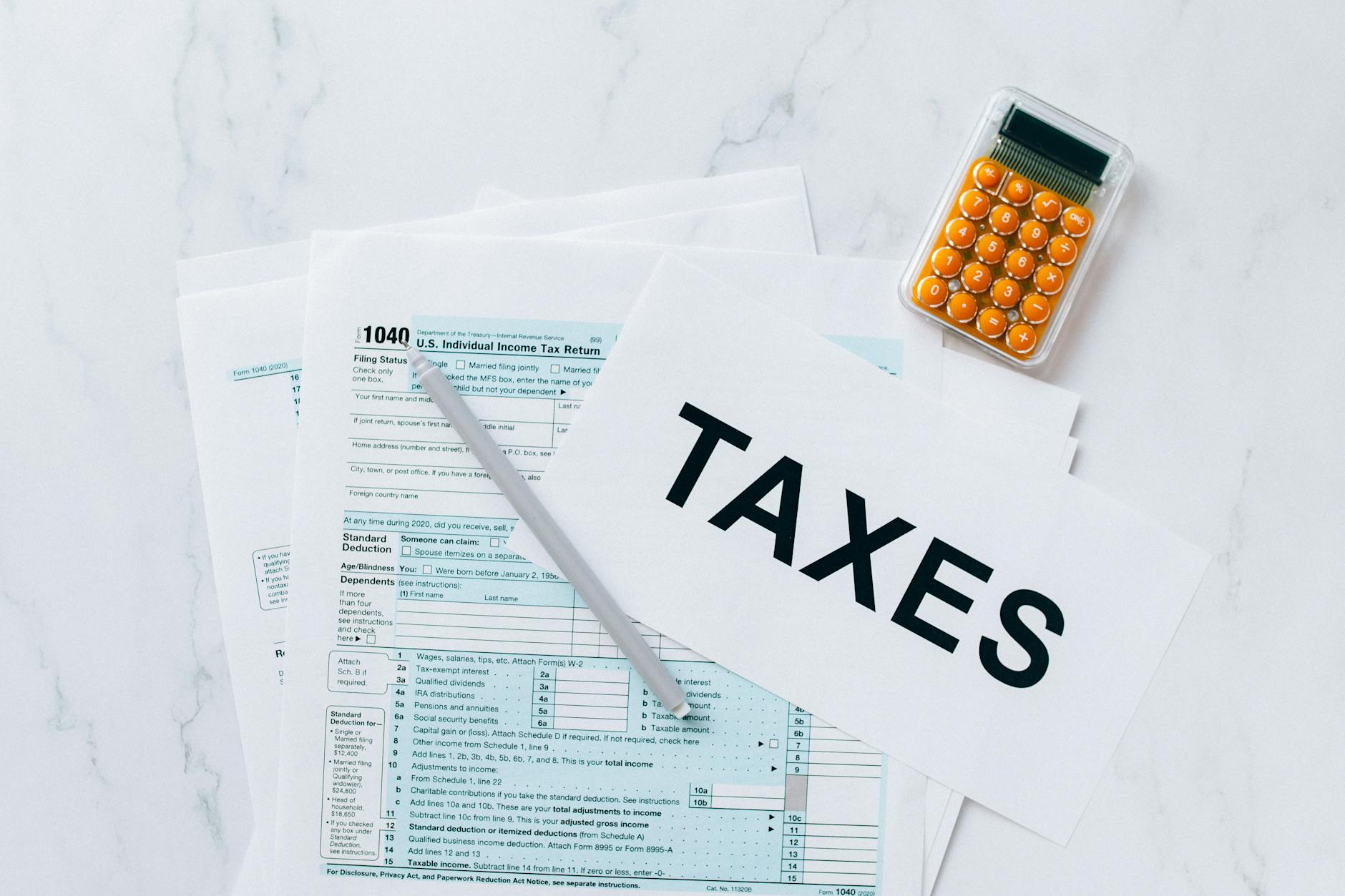
The $2,000 “tax dividend” or “tariff dividend” that keeps showing up in your social media feeds was never funded, never passed Congress, and as of February 2026, the legal mechanism it depended on has been struck down by the Supreme Court. If you are waiting for a check, you will be waiting indefinitely. No federal agency has been authorized to send these payments, and the IRS has not announced any new stimulus program for 2026. The claim traces back to a pair of Truth Social posts by President Trump in November 2025, where he proposed distributing at least $2,000 per person from tariff revenue to low and middle income Americans. The idea gained traction when Sen. Josh Hawley introduced the American Worker Rebate Act of 2025, giving the proposal a legislative vehicle.
But the math never worked. Independent analyses from the Tax Foundation and the Committee for a Responsible Federal Budget found the program would cost two to three times more than tariffs actually generate, and Congress never voted on it. Then, in February 2026, the Supreme Court ruled in Learning Resources, Inc. v. Trump that the president lacked authority to impose tariffs under IEEPA in the first place, effectively destroying the revenue source the dividend was supposed to come from. This article breaks down exactly where the claim started, why the numbers never added up, what the Supreme Court ruling changed, and how to spot the scam versions of this story that are already circulating online.
Table of Contents
- Where Did the $2,000 “Tax Dividend” Claim Actually Start?
- Why the Math Never Worked, Even Before the Supreme Court Ruling
- How the Supreme Court Ruling Killed the Revenue Source
- What Actually Exists Versus What People Think Exists
- The Scam Problem Is Getting Worse
- Why This Claim Keeps Coming Back
- What Comes Next for Tariff Policy and Direct Payments
- Conclusion
- Frequently Asked Questions
Where Did the $2,000 “Tax Dividend” Claim Actually Start?
The idea first surfaced in July 2025, when President trump floated the concept of making direct distributions to Americans from tariff revenue. It remained vague until November 9, 2025, when Trump posted on Truth Social: “We are taking in Trillions of Dollars and will soon begin paying down our ENORMOUS DEBT, $37 Trillion… A dividend of at least $2000 a person (not including high income people!) will be paid to everyone.” The following day, he clarified that the payments would go to “low and middle income USA Citizens” first, with remaining tariff revenue used to “substantially pay down national debt.” This was not an executive order. It was not a bill. It was a social media post. But it was enough to launch a wave of headlines, and Sen.
Josh Hawley moved quickly to introduce the American Worker Rebate Act of 2025, which would have created a stimulus check funded by tariff revenue. Treasury Secretary Scott Bessent muddied the waters further by suggesting the dividend might come through tax cuts rather than direct payments, which is a fundamentally different policy mechanism. The result was a proposal with no single definition, no agreed-upon cost, and no clear path through Congress. Compare this to the actual federal stimulus checks Americans received in 2020 and 2021. Those were authorized by legislation that passed both chambers of Congress and were signed into law. The IRS administered the payments through existing infrastructure. The tariff dividend had none of that scaffolding. It was a concept announced on social media, with competing interpretations from the president’s own cabinet, and no congressional vote ever scheduled.
Why the Math Never Worked, Even Before the Supreme Court Ruling
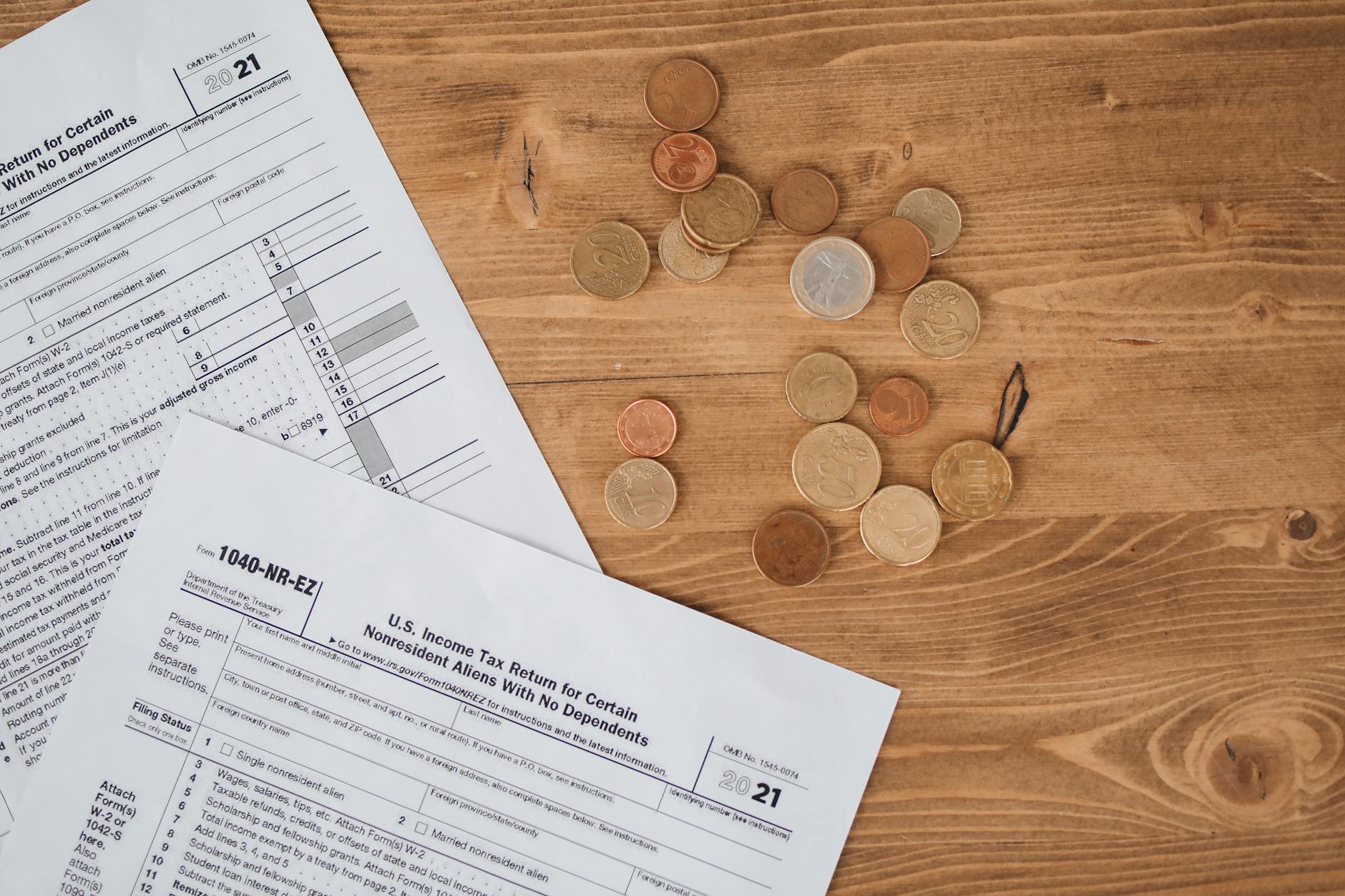
The fundamental problem with the tariff dividend was arithmetic. In November 2025, the Tax Foundation modeled three different designs for a $2,000 payment and found estimated costs ranging from $279.8 billion to $606.8 billion, depending on who qualified and how the program was structured. Meanwhile, projected tariff revenue was $158.4 billion in 2025 and $207.5 billion in 2026. Even under the most generous assumptions, tariff collections would cover less than half the cost of the cheapest version of the proposal. The Committee for a Responsible Federal Budget put an even finer point on it, estimating the dividend could cost up to $600 billion per year, roughly three times the tariff revenue it was supposed to be funded by. Under nearly every design scenario, the payments would increase the federal deficit, not reduce it.
This directly contradicted Trump’s claim that tariff revenue would also be used to pay down the national debt. You cannot spend the same dollar twice, and there were not enough dollars in the first place. However, if Congress had been willing to fund the payments through other means, such as deficit spending or reallocation of existing programs, the proposal could theoretically have moved forward as a policy matter. But that would have required legislation, committee hearings, floor votes, and a presidential signature, the standard process for any federal spending program. None of that happened. The White House lacks the constitutional authority to unilaterally issue stimulus checks, and no serious legislative effort materialized beyond Hawley’s bill, which never advanced to a vote.
How the Supreme Court Ruling Killed the Revenue Source
On February 20, 2026, the Supreme Court issued its decision in Learning Resources, Inc. v. Trump, ruling 6-3 that the International Emergency Economic Powers Act does not authorize the president to impose tariffs. The majority opinion called tariffs “a branch of the taxing power” reserved to Congress under the Constitution. This was not a procedural technicality. It was a direct strike at the legal foundation Trump had used to impose tariffs without congressional approval. The practical impact was immediate.
U.S. Customs and Border Protection stopped collecting IEEPA-based tariffs as of February 24, 2026. The revenue stream that was supposed to fund the $2,000 dividend, a stream that was already too small to cover the cost, was shut off by judicial order. Trump responded by invoking Section 122 of the Trade Act of 1974, imposing a temporary 10 percent global import surcharge. But Section 122 is a narrower authority with built-in limitations, and the revenue it generates is a fraction of what the broader IEEPA tariffs produced. Stephen Kates, a financial analyst at Bankrate, summed up the situation on February 23, 2026: “Tariff dividends were a long shot from the beginning. The odds of this policy moving forward is now effectively zero.” That assessment reflects the consensus among policy analysts. The proposal had no funding mechanism, no legislation, and now no legal authority supporting the tariff regime it was built on.

What Actually Exists Versus What People Think Exists
It is worth distinguishing between the tariff dividend, which does not exist, and programs that actually do. The last federal economic impact payments were issued in 2021, during the COVID-19 pandemic. No new federal stimulus checks have been authorized by Congress or the IRS for 2026. If someone tells you a $2,000 check is on the way from the federal government, they are either misinformed or running a scam. What does exist is a military-specific program. Trump signed a government funding measure in November 2025 that included a $1,776 “Warrior Dividend,” a one-time, tax-free payment for active-duty troops and reservists.
A separate “Devotion to Duty” bonus of $2,000 before taxes, approximately $1,776 take-home, was classified as special duty pay. These payments are real, but they apply exclusively to military personnel. They have nothing to do with tariff revenue, and they are not available to the general public. The tradeoff here is straightforward. If you are an active-duty service member or reservist, you may be eligible for one of these military payments and should check with your commanding officer or military pay office. If you are a civilian waiting for a tariff dividend check, there is no check coming. Conflating the military payments with the proposed tariff dividend is one of the most common sources of confusion in online discussions about this topic.
The Scam Problem Is Getting Worse
The IRS has issued warnings about recurring online claims of $1,702 or $1,390 “stimulus checks” that often stem from state programs like Alaska’s Permanent Fund Dividend or are outright scams. PolitiFact flagged scam emails in January 2026 that falsely claimed recipients must act immediately to claim a tariff dividend. These emails typically include links to phishing sites designed to harvest personal information, Social Security numbers, and bank account details. The IRS does not contact taxpayers through email, text, or social media. If you receive a message claiming you need to “register” or “verify your identity” to receive a tariff dividend, it is a scam. The IRS initiates contact through physical mail sent to your address on file. Any legitimate federal payment program would be administered through existing IRS infrastructure and would not require you to click a link or provide information through an unofficial website.
A key limitation to understand is that state-level programs do exist and may create legitimate payments that get confused with federal proposals. Alaska’s Permanent Fund Dividend, for example, distributes oil revenue to state residents annually. Some states have issued their own tax rebates or relief payments in recent years. But these are state programs with state funding, not federal tariff dividends. If you see a claim about a payment, verify the source. Check IRS.gov directly. Do not follow links from social media posts or unsolicited emails.

Why This Claim Keeps Coming Back
The tariff dividend has what you might call narrative stickiness. It combines three things people want to hear: free money, someone powerful promising it, and a sense that “the government owes you.” Every few weeks, a recycled version of the November 2025 Truth Social posts circulates as though it is breaking news. Content farms republish the claim with updated dates and minor rewording to generate clicks, and social media algorithms reward engagement over accuracy.
📨 Get Free Accountability Coverage Alerts
Free · No spam · Unsubscribe anytime
This is not unique to the tariff dividend. The same pattern played out with false claims about $10,000 student loan forgiveness checks, nonexistent “senior stimulus” payments, and fabricated IRS rebate programs. The playbook is consistent: take a real statement from a political figure, strip away the context and caveats, and present it as a done deal. The best defense is to check the date of the original source, look for confirmation from the IRS or Congress, and treat any unsolicited message about free money with extreme skepticism.
What Comes Next for Tariff Policy and Direct Payments
The Supreme Court’s ruling in Learning Resources, Inc. v. Trump reshaped the landscape for tariff policy in the United States. With IEEPA removed as a tool for imposing tariffs, any significant tariff regime will need to go through Congress, which is a slower and more contentious process.
The temporary 10 percent surcharge under Section 122 has a limited shelf life and generates less revenue than the IEEPA tariffs did. As for direct payments to Americans, the path forward would require new legislation. Congress would need to authorize funding, define eligibility, and direct the IRS or another agency to administer the program. Given the current political environment and the deficit concerns raised by both the Tax Foundation and CRFB, a $2,000-per-person payment program faces steep odds. Until a bill passes both chambers and is signed into law, the tariff dividend remains what it has always been: a social media post, not a policy.
Conclusion
The $2,000 tariff dividend was proposed by President Trump on Truth Social in November 2025. It was never funded by Congress, never authorized by any federal agency, and the tariff revenue it was supposed to draw from fell far short of the cost. Independent estimates put the price tag at $280 billion to $600 billion per year, against projected tariff revenue of roughly $160 billion to $208 billion. The Supreme Court’s February 2026 ruling that IEEPA does not authorize presidential tariffs removed the legal foundation for the revenue source entirely.
If you see claims that a $2,000 dividend check is on its way, do not provide personal information to any website or email soliciting your details. Check IRS.gov for official information about any federal payments. The only real payments connected to recent legislation are military-specific bonuses for active-duty troops and reservists. For everyone else, the tariff dividend does not exist, and no credible path to making it real has emerged.
Frequently Asked Questions
Is the $2,000 tariff dividend real?
No. It was a proposal Trump made on Truth Social in November 2025. It was never funded by Congress, and no federal agency has been authorized to distribute the payments.
Did the Supreme Court kill the tariff dividend?
The Supreme Court’s February 20, 2026, ruling in Learning Resources, Inc. v. Trump struck down the use of IEEPA to impose tariffs, eliminating the revenue mechanism the dividend depended on. Financial analyst Stephen Kates of Bankrate said the odds of the policy moving forward are “now effectively zero.”
Are there any federal stimulus checks in 2026?
No. The last federal economic impact payments were issued in 2021. No new stimulus checks have been authorized by Congress or the IRS for 2026.
What about the $1,776 payment I keep hearing about?
The $1,776 “Warrior Dividend” is a real, one-time, tax-free payment, but it is exclusively for active-duty military troops and reservists. It is not available to civilians and is not related to tariff revenue.
How do I know if a tariff dividend email is a scam?
The IRS does not contact taxpayers through email, text, or social media. Any message asking you to click a link or provide personal information to claim a tariff dividend is a scam. PolitiFact flagged such emails in January 2026 as fraudulent.
Could Congress still pass a tariff dividend in the future?
Theoretically, Congress could pass legislation authorizing direct payments funded by any revenue source. However, independent analyses from the Tax Foundation and CRFB show that tariff revenue alone cannot cover the cost, and no bill has advanced through Congress as of February 2026.
You Might Also Like
- Trump Says Drug Prices Fell 60%. Federal Data Shows a 4% Drop. Here’s the Actual Impact.
- Home Insurance Rates Jumped 28% in 2026. Here’s Why Regulators Are Now Investigating.
- Fact Check: Are Grocery Stores Secretly Issuing $250 Loyalty Refunds? No. Here’s What Those Emails Really Are.