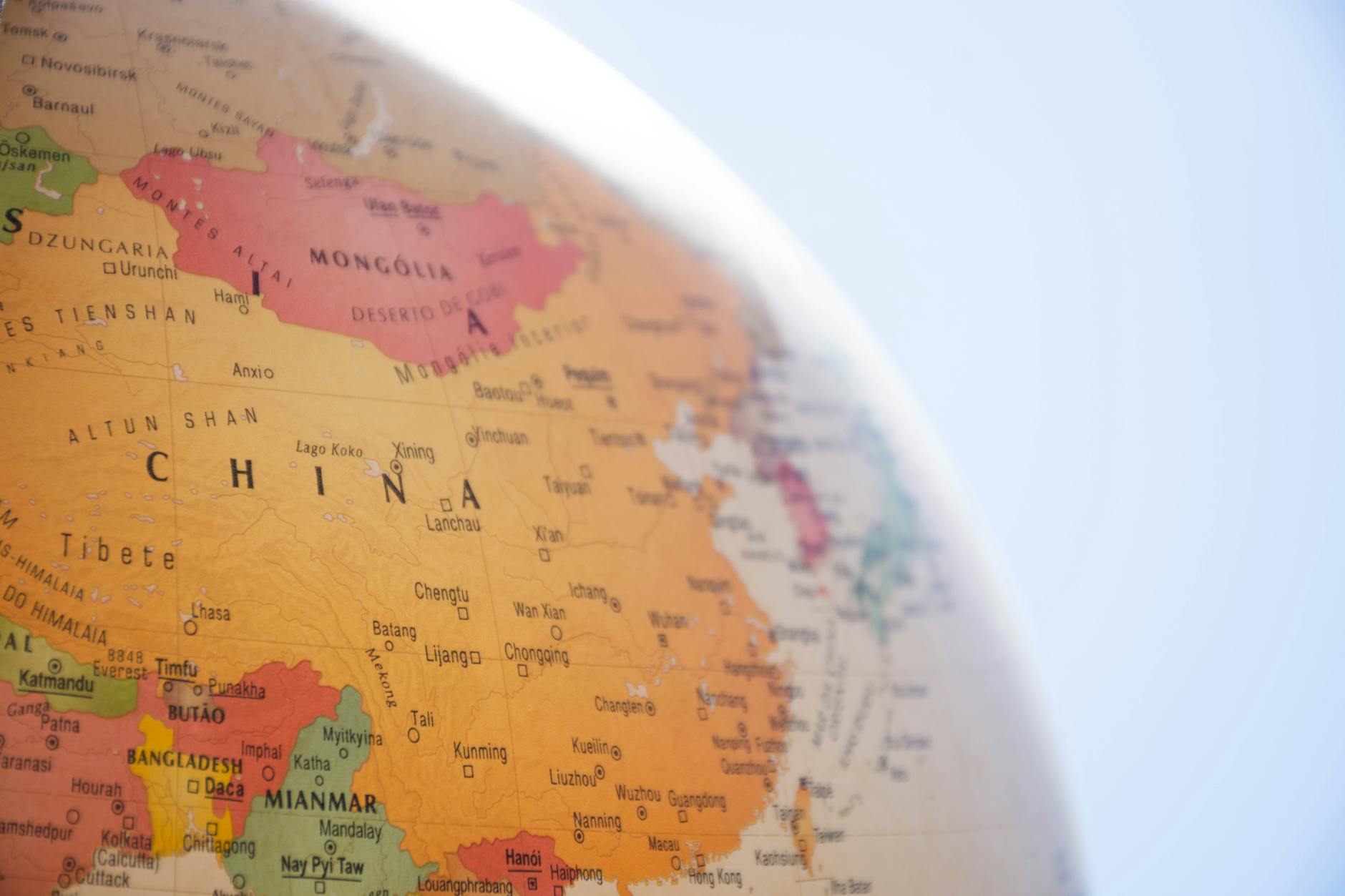
The Afghanistan-Iran border stretches 921 kilometers — 572 miles — across some of the most punishing terrain in Central Asia. Running from the tripoint with Turkmenistan in the north to where Pakistan meets both countries in the south, this border cuts through arid plains, rugged mountains, desert hardpan, and salt lakes, including the Daryache-ye Namakzar and Daqq-e Patergan. It is, by almost any measure, a nightmare to patrol, a nightmare to cross, and increasingly a nightmare for the millions of Afghan refugees caught between a collapsing homeland and an Iranian government that no longer wants them. What makes this border particularly relevant right now is not just its geography but what Iran is doing about it.
Tehran is constructing a $3 billion border wall along the full length of the Afghan frontier — a 4-meter concrete barrier topped with barbed wire, backed by fencing and patrol roads. As of April 2025, 75 kilometers had been completed and more than 300 kilometers were under active construction in Razavi Khorasan province alone. The project has the personal backing of Supreme Leader Khamenei and the Supreme National Security Council. Meanwhile, on the human side of the ledger, Iran deported roughly 1.8 million Afghans in 2025 alone, and up to 40 migrants died crossing the border during a severe cold snap in December of that year. This article examines the geography, the wall, the refugee crisis, and what it all means for regional stability.
Table of Contents
- What Makes Iran’s 572-Mile Border With Afghanistan So Difficult to Secure?
- Iran’s $3 Billion Border Wall — What Has Actually Been Built?
- The Afghan Refugee Crisis Driving Iran’s Border Crackdown
- Comparing Border Wall Strategies — What Works and What Doesn’t
- Humanitarian Fallout and the Gaps in International Response
- The Smuggling Economy Along the Border
- What Comes Next for Iran’s Eastern Border
- Conclusion
- Frequently Asked Questions
What Makes Iran’s 572-Mile Border With Afghanistan So Difficult to Secure?
The border traverses three iranian provinces — Razavi Khorasan, South Khorasan, and Sistan-Baluchistan — and the landscape shifts dramatically along its length. In some stretches, the border follows the Helmand River and passes through Hamun Lake, creating marshy lowlands that are difficult to fence. In others, it climbs into rugged mountain passes where smugglers have operated for centuries. The region is generally arid and inhospitable, with few permanent inhabitants outside the Zabol-Zaranj area, where the main official border crossing is located. That crossing, linking Zabol on the Iranian side to Zaranj in Afghanistan’s Nimroz province, handles the bulk of legal traffic between the two countries. Compare this to the U.S.-Mexico border, which runs 1,954 miles and has consumed tens of billions of dollars in barrier construction over multiple decades with mixed results.
Iran is attempting to wall off 572 miles of similarly hostile terrain for $3 billion — roughly a third of the distance at a fraction of the cost. The comparison is instructive not because the situations are identical, but because it illustrates a universal truth about border security: geography that is difficult for migrants to cross is also difficult for governments to fortify. The mountains and deserts that make unauthorized crossings deadly also make wall construction slow, expensive, and logistically brutal. The sparse population along most of the border creates another problem. With few eyes on the ground, smuggling networks have long exploited remote routes through mountain passes and desert corridors. Heavy security at official crossings like Zabol-Zaranj only pushes undocumented migrants further into these dangerous areas, where they face exposure, dehydration, and exploitation by traffickers.

Iran’s $3 Billion Border Wall — What Has Actually Been Built?
Tehran’s wall project is ambitious in scope but still in relatively early stages. The plan calls for a continuous 4-meter concrete wall spanning more than 900 kilometers of the Afghan border, supplemented by barbed wire, additional fencing, and a network of patrol roads. Iran’s army chief has stated that the wall will be equipped with advanced weapons and cutting-edge technology, though specifics on what that technology entails remain vague. As of April 2025, 75 kilometers of wall had been completed, with over 300 kilometers under construction in Razavi Khorasan province. However, completion timelines should be viewed with skepticism. Large-scale border wall projects worldwide have a consistent track record of cost overruns and delays.
The terrain itself presents enormous construction challenges — building a continuous 4-meter concrete wall through mountain passes, across riverbeds, and around salt lakes is fundamentally different from pouring concrete on flat ground. If construction follows the pattern seen in similar projects elsewhere, the final cost could significantly exceed the $3 billion estimate, and the timeline could stretch well beyond initial projections. The wall’s stated purpose is to curb terrorism, smuggling, and illegal immigration, all of which accelerated following the Taliban’s takeover of Afghanistan in August 2021. That takeover fundamentally altered Iran’s security calculus. Before 2021, Iran maintained a complicated but somewhat manageable relationship with the Afghan government. The Taliban’s return brought a hostile ideological neighbor to Iran’s eastern doorstep, a surge in narcotics trafficking, and a massive increase in Afghans fleeing across the border.
The Afghan Refugee Crisis Driving Iran’s Border Crackdown
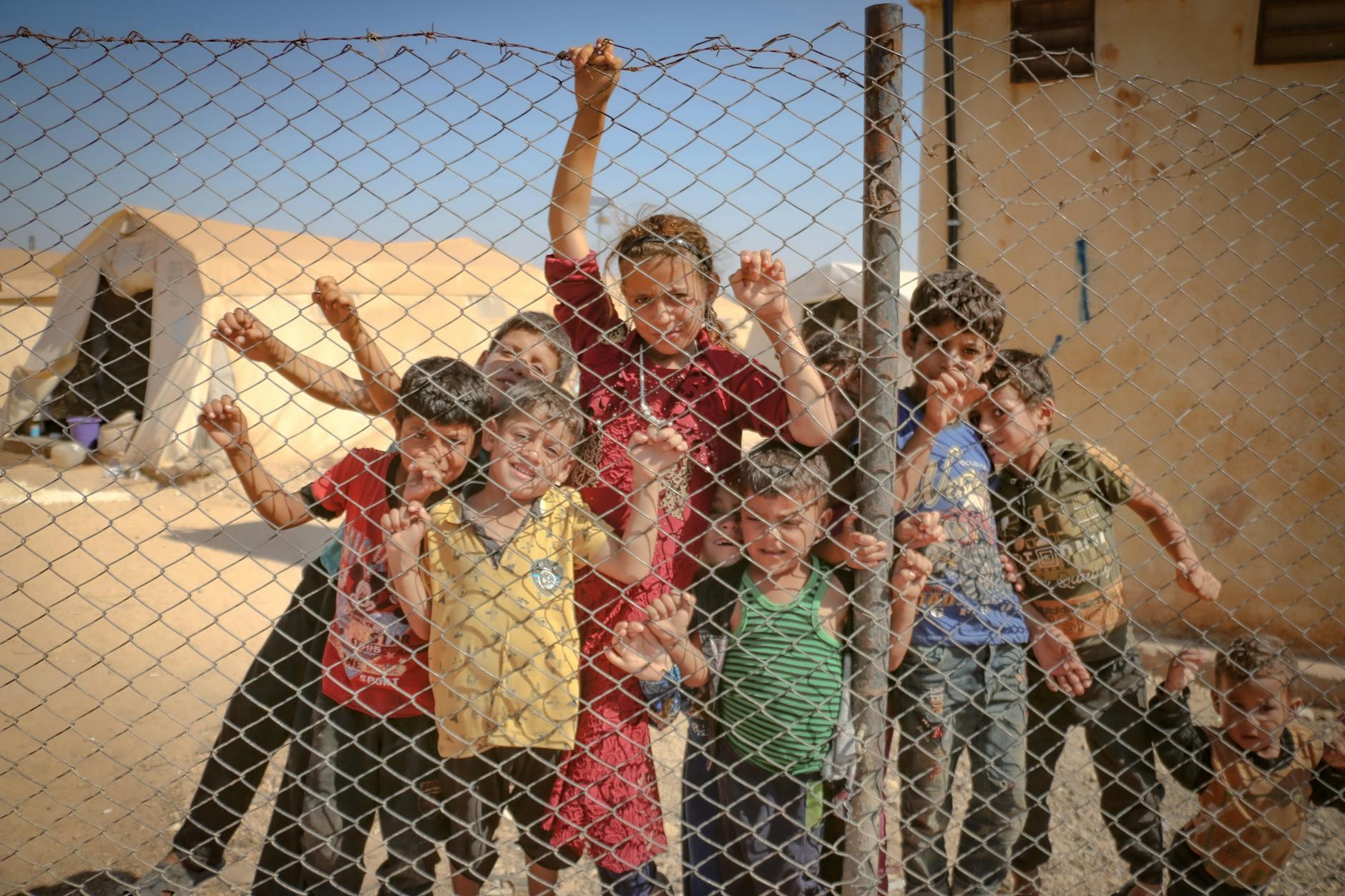
Iran hosts an estimated 5 million Afghan refugees, a staggering figure that represents over 12 percent of Iran’s total population. This is one of the largest refugee populations relative to host country size anywhere in the world. For context, the United States — a country with a population roughly four times Iran’s — saw approximately 2.5 million border encounters in fiscal year 2023, and the political fallout from that migration has dominated American politics. Iran is dealing with proportionally far greater numbers with far fewer resources. The deportation numbers tell the story of a country that has decided it can no longer absorb Afghan migration. In 2025, approximately 2.8 million Afghans were deported from Iran and Pakistan combined, with roughly 1.8 million expelled from Iran alone.
Return flows surged dramatically following the Iran-Israel conflict, jumping from approximately 5,000 returnees per day to between 30,000 and 50,000 per day as Iran accelerated deportations. These are not orderly, well-managed repatriations. They are mass expulsions of people returning to a country controlled by the Taliban, with minimal international support waiting for them on the other side. The human cost has been severe. In December 2025, up to 40 Afghan migrants died while attempting to cross the border during a severe cold snap, with at least 15 bodies recovered in Afghanistan’s Herat province. These deaths occurred on remote, unofficial crossing routes — the same routes that migrants are forced onto when official crossings become inaccessible due to documentation requirements or outright closure.
Comparing Border Wall Strategies — What Works and What Doesn’t
Border walls are having a global moment. The United States has its ongoing barrier along the Mexican border. Saudi Arabia built a 600-mile barrier along its border with Iraq. India constructed fencing along large stretches of its border with Bangladesh. Israel has multiple barriers, including the West Bank wall and fencing along the Egyptian border. Iran’s wall project fits into this broader pattern of nations turning to physical infrastructure as a primary response to migration and security threats. The tradeoff is always the same: walls can slow and redirect unauthorized crossings, but they do not stop them.
What walls reliably do is push crossings into more remote, more dangerous areas, increasing the death toll among migrants while creating a political narrative of “doing something” about border security. Israel’s fence along the Egyptian border is often cited as a success story — unauthorized crossings dropped dramatically after its construction. But that fence covers about 150 miles of relatively flat desert terrain, is backed by extensive electronic surveillance, and sits in a country with one of the world’s most capable militaries. Iran is attempting to secure nearly four times that distance across far more challenging terrain with far fewer resources for surveillance and enforcement. The critical question is whether Iran’s wall will function primarily as a security barrier or primarily as a symbol. The 75 kilometers completed so far represent less than 10 percent of the total planned length, and physical barriers are only as effective as the surveillance and rapid-response capabilities backing them up. A wall without persistent monitoring is a speed bump, not a barrier.
Humanitarian Fallout and the Gaps in International Response
The scale of the humanitarian crisis along the Iran-Afghanistan border far exceeds the international community’s response capacity. According to humanitarian organizations, only about 10 percent of Afghan returnees in need are being reached due to critical funding gaps. That means 9 out of every 10 deported Afghans are returning to Taliban-controlled Afghanistan without meaningful support — no shelter assistance, no food aid, no help reintegrating into communities that may not want them. This is not just an Afghan problem. When millions of people are forcibly returned to an unstable country with a collapsed economy and a government that the international community refuses to formally recognize, the resulting instability does not stay contained.
It fuels secondary migration — Afghans who are deported from Iran and find conditions unbearable in Afghanistan will attempt to leave again, either back through Iran or through Pakistan and onward to Europe. It also fuels recruitment by extremist groups, which thrive precisely in the conditions of poverty, displacement, and resentment that mass deportation creates. The December 2025 deaths of up to 40 migrants during a cold snap should be understood not as an isolated tragedy but as an inevitable consequence of the current system. When official crossings are heavily restricted and millions of people are being moved across borders by force, desperate people will take desperate routes. The mountainous, freezing terrain along Iran’s eastern border is unforgiving, and the death toll will almost certainly rise as the wall pushes more crossings into even more remote areas.
The Smuggling Economy Along the Border
The Iran-Afghanistan border has been a major smuggling corridor for decades, with narcotics — particularly Afghan opium and heroin — flowing westward into Iran and onward to European markets. Iran has one of the highest rates of opiate addiction in the world, a crisis directly linked to its proximity to Afghanistan’s poppy fields. The border’s rugged terrain and sparse population make interdiction extraordinarily difficult, and smuggling networks have adapted to every enforcement measure Iran has deployed over the years.
📨 Get Free Accountability Coverage Alerts
Free · No spam · Unsubscribe anytime
Human smuggling has grown alongside the drug trade, with the same networks that move narcotics also moving people. The heavy security at the Zabol-Zaranj official crossing pushes undocumented migrants into the hands of smugglers, who charge steep fees to guide them through mountain passes and desert routes. These are not charitable organizations — smugglers routinely abandon clients who cannot keep up, extort additional payments mid-journey, and in some cases hand migrants over to criminal gangs. The wall may disrupt some established smuggling routes, but the financial incentives driving the trade are enormous, and history shows that smuggling networks adapt faster than border infrastructure can be built.
What Comes Next for Iran’s Eastern Border
The trajectory is clear and grim. Iran will continue building its wall, likely with delays and cost overruns. Deportations of Afghan refugees will continue at historically high rates, driven by domestic economic pressure and post-conflict political calculations.
The humanitarian response will remain chronically underfunded, leaving the vast majority of deported Afghans without support. And migrants will continue dying in the mountains and deserts along the border. The longer-term question is whether Iran’s wall project can achieve its stated goals of curbing terrorism, smuggling, and unauthorized migration, or whether it will primarily serve as a monument to the limits of physical infrastructure in solving human crises. The 572 miles of difficult mountainous terrain that define this border existed long before either modern nation-state, and they will continue to shape events along this frontier regardless of how much concrete Tehran pours.
Conclusion
Iran’s 572-mile border with Afghanistan represents one of the most challenging security frontiers in the world. The combination of rugged mountains, arid deserts, salt lakes, and sparse population makes it enormously difficult to patrol, fortify, or cross safely. Tehran’s $3 billion wall project — backed by the Supreme Leader and currently under construction — is an attempt to impose order on a border that has resisted control for centuries. With 75 kilometers completed and over 300 under construction as of April 2025, the project remains in its early stages and faces significant geographic and logistical challenges.
The human stakes could not be higher. With 5 million Afghan refugees in Iran, 1.8 million deportations in 2025 alone, and humanitarian organizations reaching only 10 percent of those in need, this border has become a crucible of suffering. The deaths of up to 40 migrants in December 2025 during a cold snap underscore the lethal consequences of policies that push desperate people onto dangerous routes. Whether the wall ultimately functions as an effective security barrier or merely redirects the crisis into deadlier channels, the 572 miles of difficult terrain along Iran’s eastern border will remain one of the defining fault lines of Central Asian geopolitics.
Frequently Asked Questions
How long is the Iran-Afghanistan border?
The Afghanistan-Iran border is 921 kilometers, or 572 miles, running from the tripoint with Turkmenistan in the north to the tripoint with Pakistan in the south.
How many Afghan refugees are in Iran?
Iran hosts an estimated 5 million Afghan refugees, representing over 12 percent of the country’s total population. This makes Iran one of the largest refugee-hosting countries in the world relative to its population size.
How much is Iran spending on its border wall with Afghanistan?
Iran’s border wall project carries an estimated price tag of $3 billion. The wall is planned as a 4-meter concrete structure spanning more than 900 kilometers, supplemented by barbed wire, fencing, and patrol roads. As of April 2025, 75 kilometers had been completed.
How many Afghans were deported from Iran in 2025?
Approximately 1.8 million Afghans were expelled from Iran in 2025. Combined with deportations from Pakistan, the total reached roughly 2.8 million. Return flows surged from about 5,000 per day to between 30,000 and 50,000 per day following the Iran-Israel conflict.
What is the main border crossing between Iran and Afghanistan?
The main official border crossing is at Zabol on the Iranian side and Zaranj on the Afghan side. This crossing is located in the only significantly populated area along the border. Heavy security at official crossings pushes many undocumented migrants into dangerous remote routes.
Have migrants died crossing the Iran-Afghanistan border?
Yes. In December 2025, up to 40 Afghan migrants died while attempting to cross the border during a severe cold snap. At least 15 bodies were recovered in Afghanistan’s Herat province. Deaths occur primarily on remote, unofficial crossing routes.
You Might Also Like
- The Distance From the Persian Gulf to Tehran Is Over 500 Miles of Difficult Terrain
- Iran’s Border With Iraq Is Over 900 Miles Long — Impossible to Fully Seal
- The Yellow Ribbon Campaigns Are Starting Again — Just Like Iraq and Afghanistan