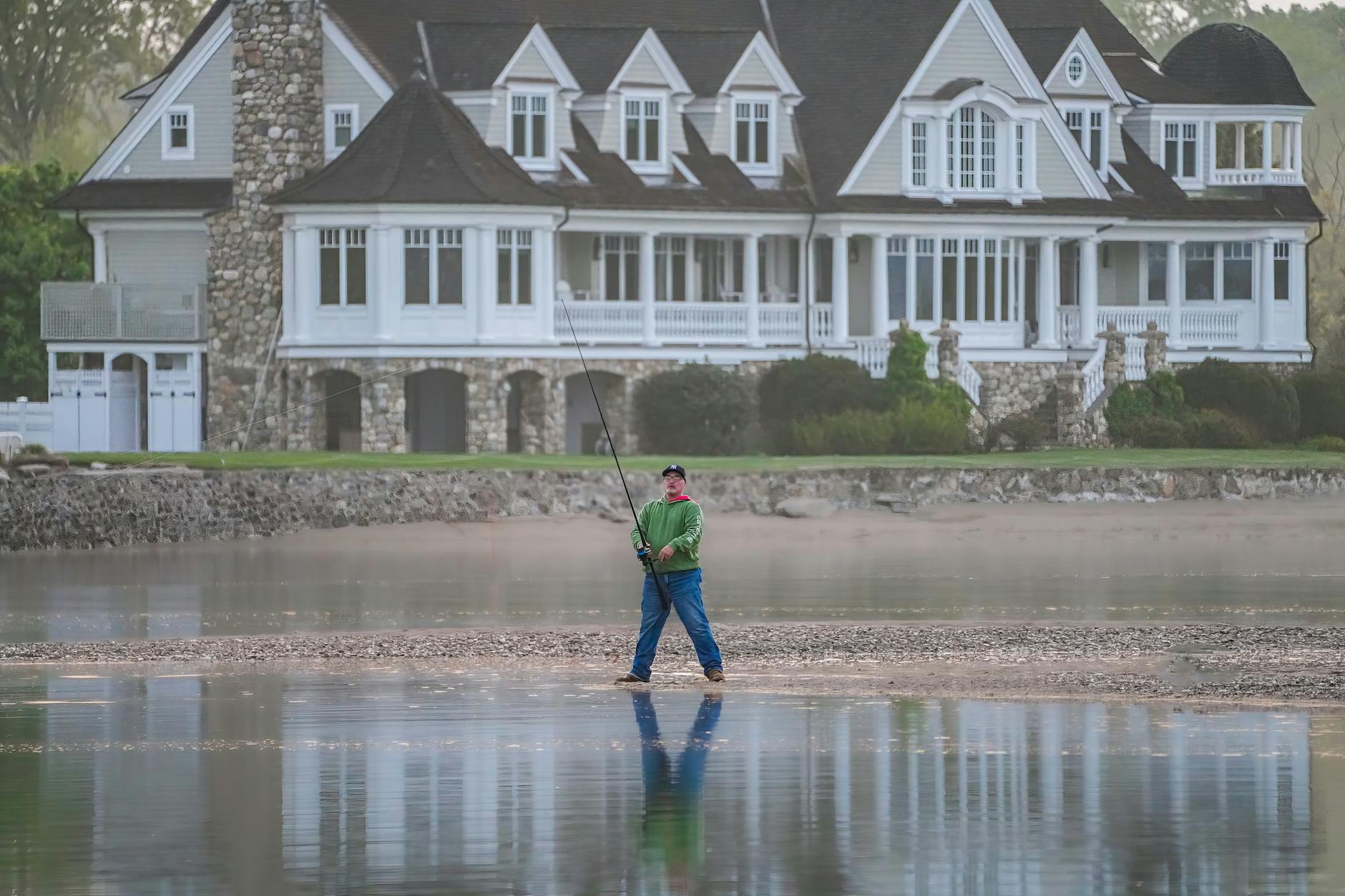
Kerry George Sheron’s family believed his death was a direct result of the prominent Trump displays at his Escondido, California home. The 69-year-old Army veteran died on May 26, 2026, six days after being brutally assaulted outside his residence—an attack his wife Maria described as politically motivated retaliation for the MAGA decorations that had made their property a flashpoint in the neighborhood. However, the Escondido Police Department stated in its investigation that detectives have not found “definitive evidence” of a political motive, complicating the family’s narrative about what cost Sheron his life.
The case raises difficult questions about the relationship between political expression and personal safety. When a man with prominent political displays is beaten to death, and his family points to those displays as the likely cause, the absence of prosecutorial confirmation of political motivation creates a gap between perception and official determination. Sheron’s death became the focus of broader discussions about political violence, community polarization, and what happens when a home becomes a symbol that others feel compelled to attack.
Table of Contents
- The Attack and the Role of Political Displays
- The Investigation and the Question of Political Motivation
- A Pattern of Harassment and Prior Incidents
- What This Means for People with Prominent Political Displays
- The Criminal Charges and the Limits of the Legal System
- Community Response and the GoFundMe Campaign
- The Broader Pattern and Future Questions
- Conclusion
The Attack and the Role of Political Displays
On May 20, 2026, Thomas Caleb Butler, a 32-year-old Navy veteran also living in Escondido, approached Sheron outside his home and struck him in the jaw in what police described as an unprovoked attack. Butler then continued beating Sheron in the head area after he fell to the ground, inflicting the injuries that would ultimately prove fatal. The assault itself was unambiguous—brutal and severe enough to be charged as attempted murder, elder abuse, criminal threats, and battery. What remained contested was the question of why Butler attacked an elderly man he had no apparent prior relationship with.
Maria Sheron’s statement to investigators and the media was direct: she believed the attack was politically motivated and tied to the family’s trump decorations. The family’s GoFundMe campaign for funeral expenses reinforced this narrative, describing the incident as “brutal and unprovoked” in ways that emphasized the political context. The logic was straightforward—if Sheron’s home was known locally as the “Trump House” because of its distinctive displays, and if Sheron was attacked outside that home by someone opposed to Trump, then the displays were inseparable from the violence. But that direct chain of causation, however intuitive it might seem to Sheron’s family and supporters, was not something law enforcement officially confirmed.

The Investigation and the Question of Political Motivation
The Escondido Police Department’s statement that detectives had not found “definitive evidence” of a political component, despite investigating all potential motives, introduced a crucial gap in the narrative. This is not the same as saying there was no political motivation—it means police did not develop evidence sufficient to confirm it. Thomas Caleb Butler has entered a plea of not guilty and remains held without bail at the San Diego County Jail, with his next hearing scheduled for June 3, 2026. Neither the prosecution nor the defense has yet developed the case in ways that would publicly establish or refute a political motive.
One important limitation in cases like Sheron’s is that motivation can be difficult to definitively prove. Butler has not publicly stated why he attacked Sheron. Without a confession, a clear pattern of previous statements or associations, or other direct evidence of intent, prosecutors may charge violent crimes without formally establishing a political component even if it appeared to play a role. This means the official record of what happened to Sheron—and why—may never fully align with what his family experienced and believed. The absence of a formal political motivation charge does not mean the family’s interpretation is incorrect; it means the legal system operates on a different standard of evidence than family conviction.
A Pattern of Harassment and Prior Incidents
Sheron’s home was not experiencing its first incident of conflict related to the political displays. In March 2026, just two months before the fatal assault, Sheron’s MAGA decorations were vandalized with razor blades that cut flags—a targeted attack on the specific items that made his home distinctive. This prior incident established that the decorations were not abstract symbols in the neighborhood but objects that provoked some people enough to damage them. The pattern suggested that Sheron’s displays were creating an ongoing tension with at least some members of his community.
The frequency and specificity of incidents targeting the decorations rather than other aspects of Sheron’s home or property made clear that the political content was the focus. Sheron had apparently accepted this risk as part of his exercise of political expression. Whether he fully anticipated that harassment could escalate to lethal violence is unknowable. But the historical record shows that the displays generated conflict before the assault that killed him—they were not new or unexpected provocations but an ongoing presence that had already triggered destructive responses.

What This Means for People with Prominent Political Displays
Sheron’s death raises a practical question for millions of Americans who display their political beliefs on their homes, yards, and vehicles: at what point does public expression become a personal security risk? This is not a simple question about legal rights. Citizens absolutely have the legal right to display political signs, flags, and decorations on their own property. The question is whether exercising that right carries calculable personal safety risks in an era of increasing political polarization. The comparison to other high-risk personal choices is instructive.
A person has the legal right to wear expensive jewelry in public, but doing so in certain neighborhoods at certain times increases robbery risk. Similarly, a person has the legal right to political expression, but displaying it prominently may increase the risk of conflict with neighbors, vandalism, or worse. The tradeoff for Sheron—and for others in similarly polarized communities—was between authentic expression of his beliefs and a reduction in exposure to those who might view those beliefs as offensive or threatening. Sheron chose expression. The question his death raised was whether the risk calculation had been accurate or whether he had fatally underestimated the danger.
📨 Get Free Accountability Coverage Alerts
Free · No spam · Unsubscribe anytime
The Criminal Charges and the Limits of the Legal System
Thomas Caleb Butler faces a serious criminal case with charges including attempted murder, elder abuse, criminal threats, and battery. These charges carry significant prison time. However, one limitation in Butler’s case is that the charges do not include a hate crime or civil rights violation based on political motivation. If prosecutors had been able to establish that Butler attacked Sheron specifically because of his political beliefs, additional federal charges might have been possible. The absence of such charges suggests prosecutors did not develop sufficient evidence, or did not have applicable statute, to formally frame the attack in political terms.
This limitation matters for the historical record and for how the case is understood. A conviction on the existing charges establishes that Butler committed a violent felony. It does not establish why he did so. A conviction that included a political motivation component would provide an official determination of a political hate crime. Without that, the case remains one of severe violence with unclear motivation, even as Sheron’s death joins a growing catalog of incidents where political polarization and personal violence intersect.
Community Response and the GoFundMe Campaign
The community response to Sheron’s death came through a GoFundMe campaign that raised over $40,500 as of May 28, 2026. This financial outpouring from strangers across the country reflected a broader narrative that Sheron had been targeted for his political beliefs and essentially martyred for them. The campaign framed his death as the consequence of a politically motivated attack, regardless of what law enforcement had formally determined. For supporters of Trump and conservative political expression, Sheron’s case became evidence of the dangers posed by political opponents.
For others, it was a tragedy involving a violent crime with unclear motivation. The GoFundMe campaign illustrates how community narratives about tragedy can diverge from official investigations. Sheron’s family did not have to wait for prosecutors to establish political motivation before organizing financial support based on their own conviction that that was why he had been killed. Their lived experience—that his displays had created conflict, that he had been attacked, that he had died—led directly to their conclusion about causation, regardless of where the legal process eventually landed.
The Broader Pattern and Future Questions
Sheron’s death will likely become a reference point in broader discussions about political violence and personal safety in polarized times. As a 69-year-old Army veteran killed by a 32-year-old Navy veteran, the case also complicated simple partisan narratives—both men had military backgrounds, suggesting that shared service did not override political differences. The case raised questions about whether communities marked by intense political conflict might benefit from de-escalation efforts or whether such efforts would be perceived as suppression of legitimate expression.
Going forward, similar cases will likely face the same tension between family and community conviction about motivation and law enforcement’s requirement for definitive evidence. This gap between what people believe happened and what prosecutors can formally prove may become increasingly common in cases involving political violence. Whether the legal system will develop clearer mechanisms for addressing politically motivated violence, or whether such cases will continue to exist in a gray zone between family conviction and official uncertainty, remains to be seen.
Conclusion
Kerry George Sheron’s death highlighted the complex intersection of political expression, personal safety, and the difficulty of definitively establishing motivation in acts of violence. His family’s belief that his prominent Trump displays contributed to his death was reasonable based on the circumstances, the prior vandalism, and the severity of the unprovoked attack. Yet law enforcement’s statement that it had not found “definitive evidence” of political motivation left the official record ambiguous in a way that contradicted the family’s lived experience and certainty.
The case serves as a cautionary example for Americans who engage in visible political expression and for communities grappling with how to address political polarization and violence. It demonstrates that the legal system and family conviction can operate on different timelines and standards of proof, with real consequences for how history records what happened and why. As Thomas Caleb Butler awaits trial on serious charges, the question of whether his attack on an elderly Trump supporter represented politically motivated violence may never receive the formal confirmation that Sheron’s family seeks.
You Might Also Like
- Trump House Owner Dies After Attack That Left Community Searching for Answers
- Owner of Flag-Covered Trump House Dies After Unprovoked Attack, Reports Say
- Pro-Trump Yard Display Owner Dies After Alleged Assault by Fellow Veteran