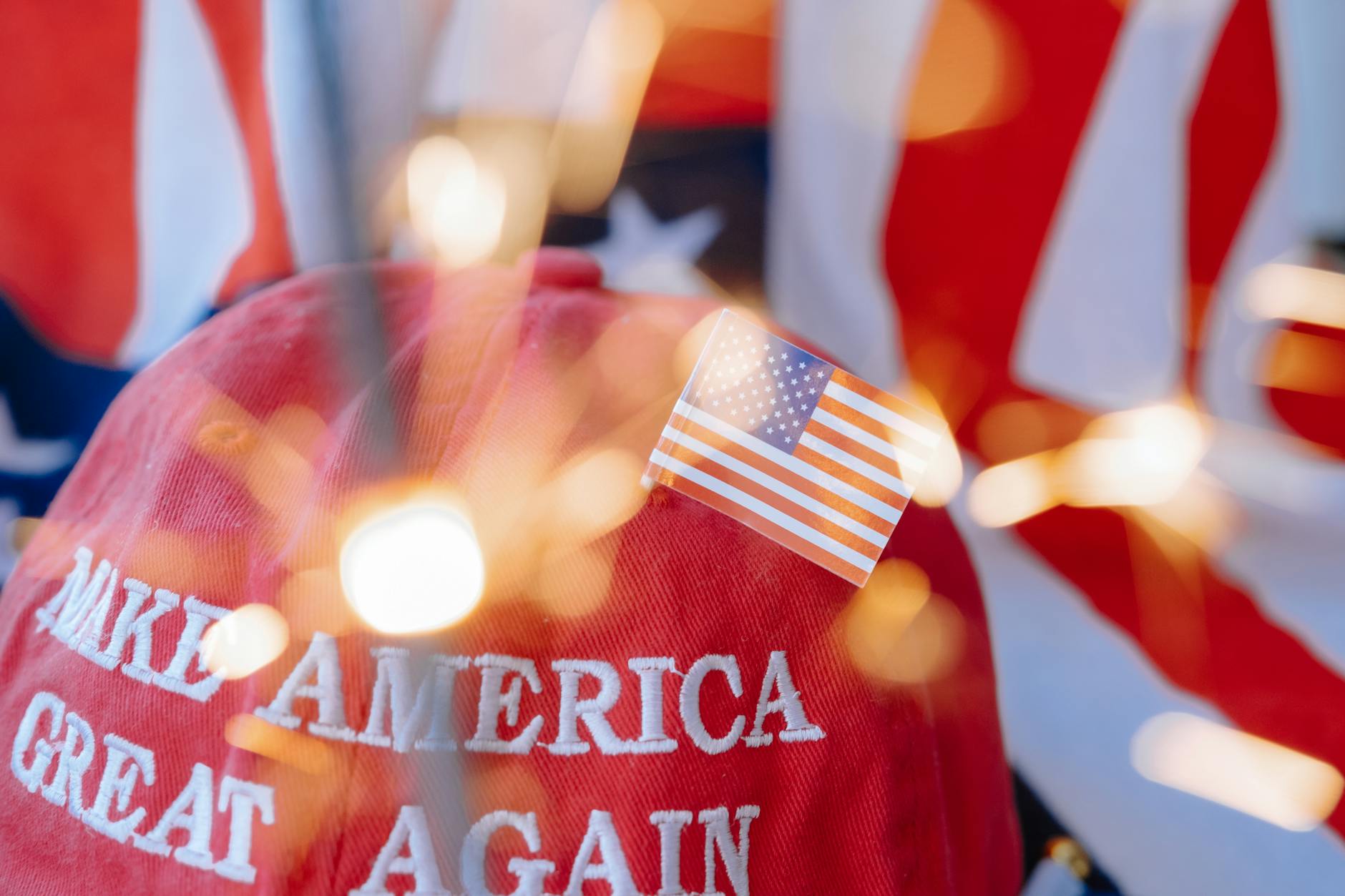
Kerry George Sheron, a 69-year-old Army veteran from Escondido, California, died on May 25, 2026—five days after being brutally attacked outside his home. The assault was unprovoked and severe: a single punch to the jaw, followed by multiple blows to his head that left him in critical condition and ultimately proved fatal. Sheron’s home had become locally known as the “Trump House” due to extensive American flags and MAGA-themed decorations covering his property, making him a visible figure in his community’s political landscape. His death has raised serious questions about the consequences of escalating tensions around political expression and the safety of those who display controversial symbols in their own neighborhoods.
The attack occurred on May 20, 2026, at approximately 2:14 p.m. near Sheron’s residence on East Mission Avenue and Buchanan Street. According to Deputy District Attorney Ross Garcia, the victim was struck without warning and subsequently beaten while on the ground. Sheron was transported to Palomar Hospital, where he remained in critical condition until his death five days later. The San Diego County Medical Examiner’s autopsy results are pending, but the timeline is clear: a routine day outside his own home escalated into a fatal incident that would reshape conversations about safety, political expression, and community tensions in Escondido.
Table of Contents
- What Happened Outside the Trump House in Escondido?
- Understanding the Victim and the Context of Political Displays
- The Suspect and Arrest
- Criminal Charges and Legal Consequences
- The Broader Pattern of Political Violence and Community Safety
- The Impact on Escondido and the Community Response
- The Path Forward and Legal Accountability
- Conclusion
What Happened Outside the Trump House in Escondido?
The attack that killed Kerry Sheron unfolded in a matter of seconds on a Wednesday afternoon in May 2026. According to eyewitness accounts and law enforcement documentation, Sheron was standing near his property when an assailant approached him and, without any apparent provocation or confrontation, punched him forcefully in the jaw. The blow knocked Sheron to the ground, and the attacker continued striking him repeatedly in the head area, causing traumatic injuries that would eventually prove fatal. Deputy District Attorney Ross Garcia summarized the incident in stark terms: “It was a single punch to the jaw.
The victim then falls to the floor, and there are subsequent hits to the victim’s head area, requiring the victim to be transported to the hospital.” The violence was particularly shocking because there was no recorded verbal exchange, disagreement, or confrontation preceding the attack. Sheron was simply outside his home—a place where he had every right to be safe. The attack highlights a dangerous reality: unprovoked violence can occur without warning, and injuries that initially seem survivable can have devastating long-term consequences. The five-day hospitalization before Sheron’s death at Palomar Hospital demonstrated how a single moment of violence can cascade into tragedy, with the victim’s body unable to recover from the severe trauma inflicted by repeated blows to the head.

Understanding the Victim and the Context of Political Displays
Kerry George Sheron was an Army veteran who chose to express his political views prominently on his property. His home became known throughout Escondido as the “Trump House” because of the numerous American flags and MAGA-themed decorations he had installed. Political expression through home decoration is constitutionally protected speech in the United States, and Sheron’s display was no different from thousands of other Americans who show their political affiliations on their properties. Yet his prominent political display may have made him a target—a painful reminder that visibility in the political sphere can sometimes invite unwanted attention from those who disagree.
It’s important to note that Sheron’s property had been targeted for vandalism previously, suggesting that his political displays had already made his home a point of contention in his community. This pattern of harassment escalated to unprecedented violence on May 20. The fact that an Army veteran—someone who had served his country—was attacked and ultimately killed outside his own home raises troubling questions about the current state of political discourse and personal safety in America. The limitation here is clear: while Sheron had every right to display his political views, that right did not protect him from physical danger, and his display became associated with increased risk to his own life.
The Suspect and Arrest
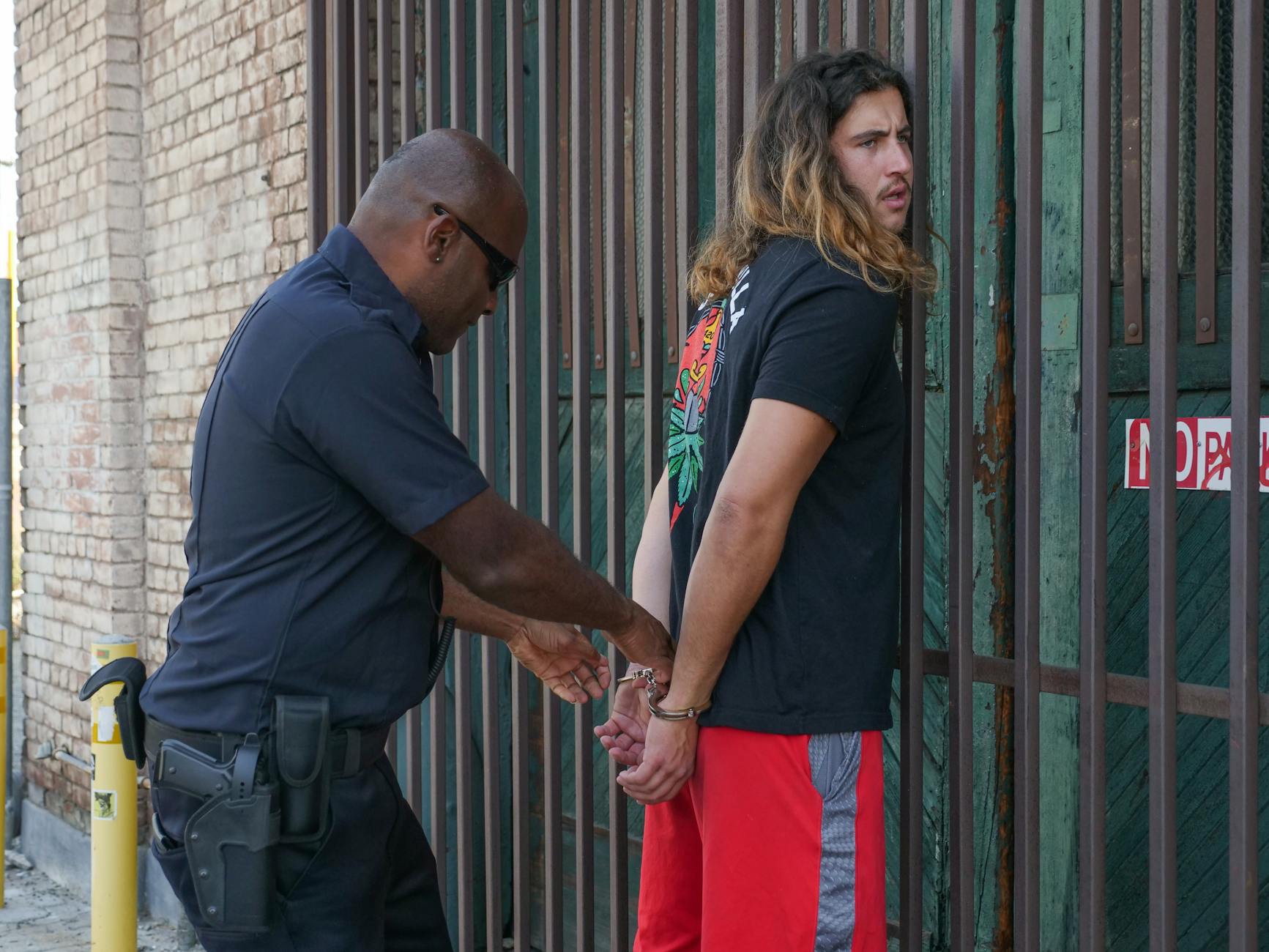
Thomas Caleb Butler, a 32-year-old Navy veteran, was arrested and identified as the suspect in Sheron’s attack. The fact that both the victim and the perpetrator were military veterans adds another layer of complexity to this case. Butler is also an Escondido resident and has been booked at Vista Detention Facility pending trial. The suspect’s background as a Navy veteran suggests he received training in combat and physical confrontation—experience that would have been evident in the nature and severity of the attack on Sheron.
Butler has pleaded not guilty to all charges, meaning he disputes responsibility for the attack despite law enforcement’s identification of him as the suspect. He is being held without bail, indicating that a judge determined he poses a danger to the community or is a flight risk. The decision to hold him without bail is significant, as it suggests the evidence of his involvement is strong and the threat he poses is substantial. Unlike many criminal defendants who are released on bail or recognizance pending trial, Butler will remain in custody throughout the legal proceedings.
Criminal Charges and Legal Consequences
Thomas Caleb Butler faces multiple serious charges stemming from the attack on Kerry Sheron. The charges include attempted murder, elder abuse causing great bodily injury, making criminal threats, and battery. The attempted murder charge has particular significance because it indicates that authorities believe Butler intended to kill Sheron or knew that his actions would likely result in death. The elder abuse charge reflects Sheron’s age (69) and the vulnerability that age can create when confronted with unexpected violence.
The criminal threats charge suggests Butler may have made threatening statements before or during the assault. If convicted on these charges, Butler faces up to 15 years in prison—a substantial sentence that reflects the severity of his alleged actions. The progression from “attempted murder” to what will likely become a murder charge following Sheron’s death will significantly increase the prison time he faces if convicted. Prosecutors in San Diego County are preparing to amend charges given Sheron’s death, which could result in first-degree or second-degree murder charges carrying even longer sentences, potentially including life imprisonment. The comparison is stark: a moment of violence has effectively ended two lives—Sheron’s, taken from him; and Butler’s, now confined to prison for decades unless he is acquitted at trial.
📨 Get Free Accountability Coverage Alerts
Free · No spam · Unsubscribe anytime
The Broader Pattern of Political Violence and Community Safety
This case is not an isolated incident in contemporary America. Over the past several years, political tensions have occasionally escalated into physical confrontation and violence. While such incidents remain relatively rare, they represent a troubling trend that communities across the country are grappling with. The attack on Sheron represents a potential extreme end of political disagreement—one in which disagreement about symbols or political affiliation becomes justification (in the attacker’s mind) for unprovoked violence.
The limitation here is important: we cannot yet determine whether political motivation played any role in Butler’s decision to attack Sheron, and speculation based solely on Sheron’s political displays would be premature. The warning embedded in this case is this: individuals who display prominent political messages on their properties may inadvertently increase their risk of becoming targets for harassment or violence. This is not to blame victims like Sheron, who had every right to decorate his home as he chose. Rather, it is to acknowledge a difficult reality: political polarization has created an environment where some individuals react with anger, and occasionally violence, to visible displays of political affiliation they oppose. The challenge for communities is to find ways to protect both free speech and public safety—goals that are not always easy to reconcile.
The Impact on Escondido and the Community Response
Sheron’s death has sent shockwaves through the Escondido community. An Army veteran attacked and killed outside his own home is the kind of event that shatters assumptions about safety and belonging in one’s neighborhood. The community has been forced to confront difficult questions: Is it safe to display political views openly? What responsibility do we have to protect people who take political stances we disagree with? How do we prevent escalation from disagreement to violence? These are not abstract questions—they affect how residents will feel about displaying symbols and decorations that reflect their political views.
The incident also highlights the ongoing struggle that many communities face in balancing political expression with community safety. Some residents may now feel emboldened to remove their political displays out of fear of similar attacks. Others may become more entrenched in their positions, believing that their safety depends on making their views even more visible or prominent. This dynamic can create a cycle of escalation that makes communities increasingly polarized and potentially more dangerous.
The Path Forward and Legal Accountability
The criminal case against Thomas Caleb Butler will proceed through the San Diego County court system. The trial will likely focus on whether Butler’s actions match the charges filed against him, whether he intended the fatal outcome, and what role, if any, Sheron’s political displays played in motivating the attack. Prosecutors will need to establish beyond reasonable doubt that Butler committed the acts described and intended the harm that resulted.
The legal process will take months or even years, during which time the Escondido community will be watching to see whether the justice system holds perpetrators of political violence accountable. Looking forward, this case may influence how communities approach the difficult balance between protecting political expression and ensuring personal safety. It may also prompt conversations about the role of political rhetoric and community polarization in creating environments where violence becomes more likely. As the legal case against Butler progresses, Americans will have an opportunity to reflect on whether we are creating a culture where disagreement can be expressed without escalating to violence, and where people can feel safe in their own homes regardless of the political symbols they display.
Conclusion
Kerry George Sheron’s death on May 25, 2026, represents a tragic endpoint to an unprovoked attack that occurred five days earlier outside his Escondido home. The 69-year-old Army veteran, whose property had become known as the “Trump House” due to his prominent political displays, was struck without warning and beaten to death in broad daylight. The attack, allegedly carried out by 32-year-old Navy veteran Thomas Caleb Butler, raises profound questions about safety, political expression, and the state of community relations in contemporary America.
It is a stark reminder that freedom of expression, while constitutionally protected, does not guarantee freedom from violence. As the case against Butler proceeds through the courts, the outcome will matter not just for Sheron’s family seeking justice, but for communities across the nation trying to navigate the complex intersection of political polarization and public safety. The conviction of Butler and appropriate sentencing would signal that unprovoked violence motivated by political disagreement will be taken seriously by the legal system. In the meantime, Escondido residents and Americans everywhere are left to contemplate what responsibility each of us bears for maintaining civil discourse and ensuring that disagreement never escalates to the kind of violence that claimed Kerry Sheron’s life.
You Might Also Like
- Trump House Owner Dies After Brutal Attack Outside His Flag-Covered Home
- Owner of Southern California Trump House Dies After Alleged Attack Outside His Home
- California Trump House Owner Dies as Police Investigate Motive Behind Attack