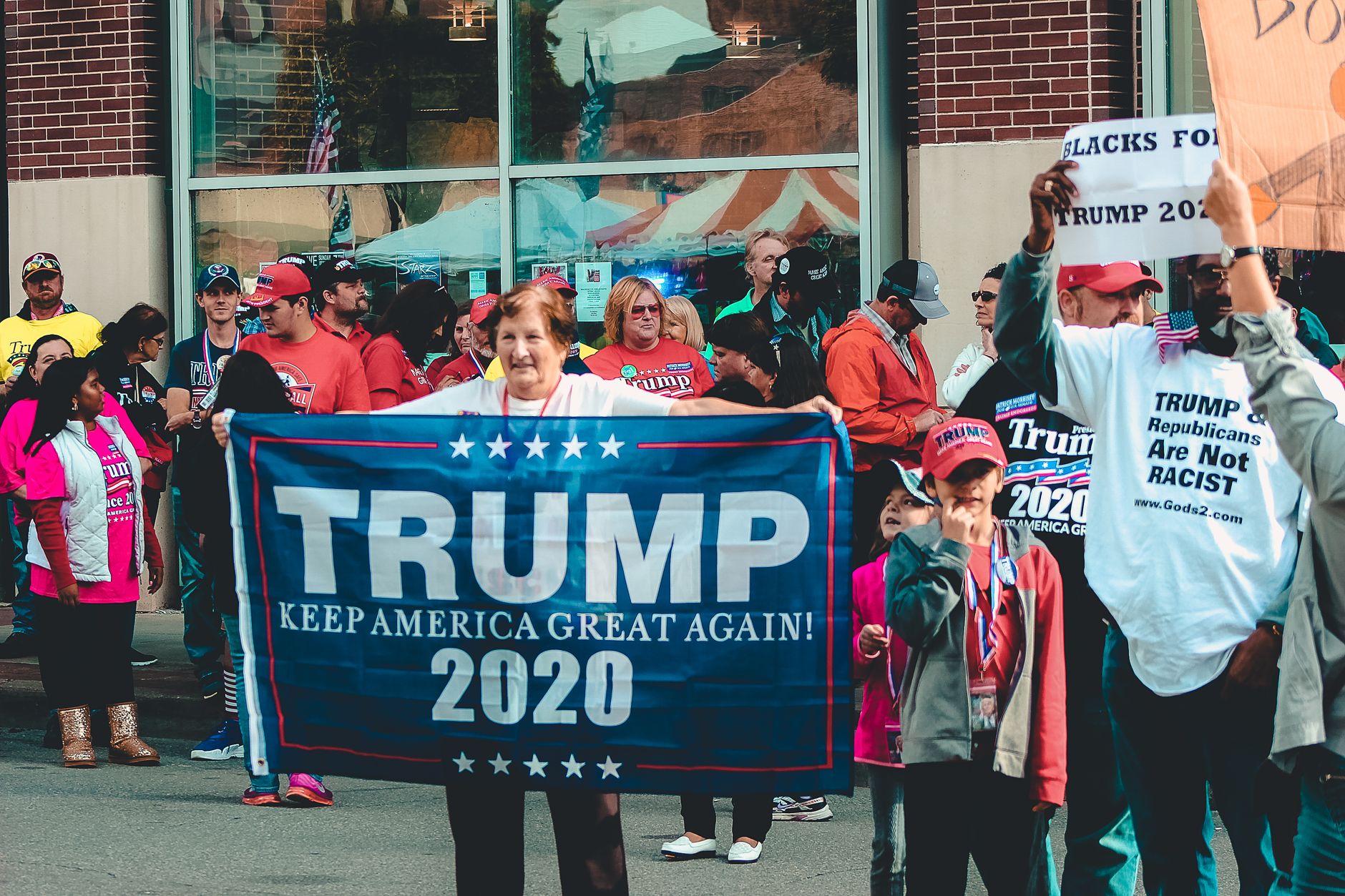
Kerry Sheron, a 69-year-old Army veteran known throughout Escondido, California for maintaining an elaborate pro-Trump yard display, died four to five days after being violently assaulted outside his home on a Wednesday afternoon in May 2026. The attack, which left Sheron hospitalized with severe head injuries, has raised questions about violent political tensions in communities and the accountability mechanisms available when such conflicts turn deadly. Initial charges of attempted murder and elder abuse are being considered for elevation to homicide charges by the San Diego County District Attorney’s Office as investigators continue examining the circumstances of his death.
The incident occurred at the intersection of East Mission Avenue and Buchanan Street in Escondido, where Sheron’s home displays prominent American flags, Trump banners, and MAGA memorabilia—a yard display that had become something of a local landmark. The man accused of the assault, 32-year-old Thomas Caleb Butler, a U.S. Navy veteran with PTSD, remains under investigation, with authorities working to determine the exact motive while prosecutors weigh whether the case should be charged as a homicide.
Table of Contents
- What Happened During the Assault on a Trump Supporter in Escondido?
- The Investigation into the Attack and Its Uncertain Motive
- The Role of Military Service and Mental Health in the Alleged Assault
- Criminal Charges and the Path to Potential Homicide Prosecution
- Political Climate and Community Tensions in Escondido
- The Investigation into Thomas Caleb Butler’s Background and Motives
- Broader Implications for Community Safety and Accountability
- Conclusion
What Happened During the Assault on a Trump Supporter in Escondido?
At approximately 2:15 p.m. on Wednesday afternoon, Kerry Sheron stepped outside near his Escondido home when he was confronted and attacked by Thomas Caleb Butler. According to reports, Butler unleashed an initial punch directly to Sheron’s jaw, followed by multiple strikes to the head area.
The assault was severe enough to require immediate hospitalization, where Sheron remained for several days before his death on Sunday—five days after the attack. The physical violence inflicted during those few minutes caused injuries serious enough to be life-threatening for a 69-year-old man. Sheron’s wife, who witnessed or became aware of the attack, believed the assault was politically motivated, given her husband’s visible and long-standing support for Trump displayed prominently on their property. This interpretation by his family stands in contrast to law enforcement’s current assessment, as police have not yet identified evidence directly supporting a political motive, though the investigation remains active and ongoing.
The Investigation into the Attack and Its Uncertain Motive
The San Diego County District Attorney’s Office is currently considering whether to elevate the charges against Thomas Caleb Butler from attempted murder and elder abuse to homicide charges—a significant step that reflects the severity of Sheron’s injuries and the fatal outcome. Investigators have been working to determine the exact circumstances that led to the confrontation, including what sparked the initial interaction between the two men and what may have motivated Butler’s violent response. One important limitation in the investigation is that police have not yet identified evidence supporting a political motivation at this time, despite the highly visible nature of Sheron’s Trump display and his wife’s belief that politics played a role in the attack.
This distinction matters significantly for how the case proceeds legally and how the broader community understands what happened. Without clear evidence of political motivation, the charges would likely proceed under general assault and homicide statutes rather than hate crime or politically-motivated violence statutes. Investigators continue gathering evidence, including witness statements and any available video footage from the area.
The Role of Military Service and Mental Health in the Alleged Assault
Thomas Caleb Butler, the man accused in the attack, is a U.S. Navy veteran who is reported to have PTSD—Post-Traumatic Stress Disorder. This detail has raised questions about what role his military service and mental health challenges may have played in the violent incident. Kerry Sheron, the victim, was also a military veteran, having served in the U.S.
Army, creating a situation where two men with military backgrounds found themselves in a deadly confrontation. The presence of PTSD in Butler’s background does not excuse or justify violence, but it is relevant to understanding how the case may develop legally and what factors investigators will consider. Mental health evaluations and the extent to which PTSD may have contributed to Butler’s actions could become significant factors in how prosecutors and courts handle the case. Many veterans struggle with mental health challenges after service, and the specific intersection of military experience, untreated or inadequately managed mental health conditions, and community tensions remains an important area for ongoing investigation and public awareness.
Criminal Charges and the Path to Potential Homicide Prosecution
Initially, authorities charged Thomas Caleb Butler with attempted murder and elder abuse—charges that reflect the violent nature of the assault and the fact that the victim was a senior citizen. However, the San Diego County District Attorney’s Office is actively considering elevating these charges to homicide now that Sheron has died from his injuries. This progression demonstrates how the legal consequences of violent acts can change when the outcome becomes fatal, even if days pass between the assault and death.
The decision to pursue homicide charges represents a significant escalation that reflects both the severity of the injuries inflicted and the causal connection between the assault and Sheron’s death. Comparing similar cases, when an initial violent assault results in death within days, prosecutors often face questions about causation—whether the victim’s death was directly caused by the assault or whether other factors may have contributed. In Sheron’s case, the relatively quick progression from attack to hospitalization to death suggests a direct causal link, though the full autopsy and medical findings would be crucial to the final charging decision.
📨 Get Free Accountability Coverage Alerts
Free · No spam · Unsubscribe anytime
Political Climate and Community Tensions in Escondido
Escondido, California, like many communities across the United States, has experienced increased political polarization in recent years. Kerry Sheron’s prominent yard display—featuring American flags, Trump banners, and MAGA memorabilia—made his home a visible representation of his political beliefs in his neighborhood. While such displays are constitutionally protected free speech, they can also become focal points for community tension, particularly in areas with deep political divisions.
The attack on Sheron raises uncomfortable questions about how political differences are being resolved in American communities and whether visible political expression can sometimes become a target for violence. While Sheron’s wife believed politics motivated the assault, the lack of identified evidence supporting this motive by investigators suggests the situation may be more complex. Neighbors and community members may have had various reactions to Sheron’s prominent display over time, but that is vastly different from justifying or excusing a violent assault. The incident serves as a stark reminder that political disagreement should never escalate to physical violence, regardless of how strongly people feel about their opposing views.

The Investigation into Thomas Caleb Butler’s Background and Motives
Understanding who Thomas Caleb Butler is and what may have motivated his actions is crucial to the ongoing investigation. At 32 years old, he is a U.S. Navy veteran with PTSD, a combination that investigators are examining carefully.
The question of whether Butler specifically targeted Sheron because of his visible pro-Trump display, whether there was a pre-existing conflict between the two men that came to a head on that Wednesday afternoon, or whether the confrontation was entirely circumstantial remains under investigation. Reports indicate that police have not yet identified evidence supporting a political motivation, which suggests investigators may be exploring other possibilities—perhaps a personal dispute, a misunderstanding that escalated, or other factors entirely. The lack of apparent evidence for political motivation is significant and should be noted in any discussion of the case, as it prevents easy categorization of the incident as a purely politically-motivated attack, despite the visible political context.
Broader Implications for Community Safety and Accountability
The death of Kerry Sheron highlights broader questions facing American communities about how to balance free expression, political disagreement, and public safety. Citizens have the constitutional right to display their political beliefs on their own property, but that right exists in a complex social environment where others may have strong opposing views. The challenge for communities and law enforcement is maintaining space for lawful political expression while preventing that expression from becoming a target for violence.
Looking forward, this case will likely influence discussions about elder abuse protections, veteran mental health services, and how communities can de-escalate political tensions before they turn violent. The outcome of the homicide charges—if they are pursued—and the legal precedents established may shape how similar cases are handled in California and potentially beyond. For now, the focus remains on the investigation’s completion and the district attorney’s decision on whether to charge Thomas Caleb Butler with homicide in connection with Kerry Sheron’s death.
Conclusion
Kerry Sheron’s death following the assault outside his Escondido home represents a tragic loss and a serious criminal matter that authorities are treating accordingly. As the San Diego County District Attorney’s Office considers elevating charges against Thomas Caleb Butler to homicide, the case raises important questions about political violence, community tensions, and accountability when such conflicts turn deadly.
The involvement of two military veterans in this confrontation adds another layer of complexity to the incident. The investigation into the exact motive and circumstances remains ongoing, with authorities currently unable to identify evidence supporting a political motivation despite the visible political context of Sheron’s yard display. As this case develops through the criminal justice system, it will serve as an important reminder that violent responses to political disagreement are never justified and that communities must find ways to coexist across deep political divisions while protecting the safety of all residents.
You Might Also Like
- Veteran Known for Patriotic Yard Display Dies After Alleged Beating
- Man Known for Massive Pro-Trump Yard Display Dies After Violent Assault
- Veteran Who Turned His Yard Into a Political Landmark Dies After Beating