
Yes, Illinois drivers are facing another increase in gas prices this week. The statewide average gas price stood at $5.08 per gallon as of mid-May 2026, reflecting a jump of 9 cents in just the past week—a 1.9 percent increase that represents the latest in a pattern of rising costs at the pump. For a driver filling up a 15-gallon tank in Chicago, which pays an even steeper price of $5.44 per gallon, that means an additional $1.35 spent on a single fill-up compared to the previous week. Over the course of a month of regular driving, these incremental weekly increases add up to real money coming out of household budgets already strained by inflation.
The year-over-year comparison reveals an even grimmer picture for Illinois residents. Gas prices in the state are up $1.69 per gallon—a 49.6 percent increase—compared to May 2025. This dramatic surge reflects both national and regional factors, and Illinois residents are paying a premium that other states are not. At $5.08 statewide, Illinois gas prices sit approximately 50 cents above the national average, making the state the sixth most expensive in the nation for gasoline.
Table of Contents
- Why Are Illinois Gas Prices So Much Higher Than the National Average?
- How Regional Price Variation Affects Different Parts of Illinois
- The Role of Refinery Capacity in Setting Regional Gas Prices
- What Can Illinois Drivers Do About Rising Gas Prices?
- How Global Oil Markets and Geopolitical Tensions Keep Prices High
- Illinois Gas Prices in Historical Context
- What Comes Next for Illinois Gas Prices
- Conclusion
Why Are Illinois Gas Prices So Much Higher Than the National Average?
Illinois residents are confronted with a significant regional price premium that reflects both a refinery crisis and broader geopolitical factors. The primary culprit is the ExxonMobil Joliet refinery, located in Channahon, Illinois, which experienced operational issues beginning in early May 2026 and has been curtailing output for the region. A major refinery shutdown or significant reduction in capacity directly constrains the supply of gasoline available to the Midwest, and Illinois consumers pay the price—literally. When a major refinery that supplies millions of gallons per day to the region experiences problems, the supply chain feels it immediately.
Beyond the local refinery problem, global geopolitical events are driving up prices nationwide and keeping them elevated in Illinois. In late February 2026, the U.S. and Israel conducted military operations against Iran, which responded by shutting off access to the Gulf of Hormuz—the critical maritime chokepoint through which approximately 20 percent of the world’s oil and liquefied natural gas passes. This act of economic disruption, whether intended as retaliation or leverage, has global consequences. Any disruption to the Persian Gulf’s oil supply sends ripples through global oil markets, and those ripples translate to higher prices at pumps everywhere, with regional supply problems like Illinois’s refinery issue compounding the pain.

How Regional Price Variation Affects Different Parts of Illinois
gas prices within Illinois are not uniform—they vary dramatically depending on location and proximity to supply infrastructure. Chicago city proper pays the highest price in the state at $5.44 per gallon, while the Chicago metro area averages $5.28. Moving outward into Lake County, prices drop slightly to $5.18 per gallon. Further south and west, in Champaign-Urbana, drivers find relief at $4.88 per gallon, still well above historical norms but 56 cents cheaper than Chicago proper.
This variation reflects how gas prices follow supply-and-demand economics; areas closer to distribution hubs and refineries pay somewhat less, while urban centers with concentrated demand pay more. The practical implication of this price geography is important: Illinois residents in rural and smaller metropolitan areas have limited options for shopping around. A Champaign-Urbana driver facing $4.88-per-gallon prices still has fewer alternatives than someone in a major metro area with multiple stations within a short drive. For rural Illinoisans, the choice isn’t whether to pay high prices but how much premium they’ll accept over their nearest alternative. The limitation here is real—geography and infrastructure constrain consumer choice in energy markets, meaning that supply disruptions and price shocks hit some communities harder than others based on where they happen to live.
The Role of Refinery Capacity in Setting Regional Gas Prices
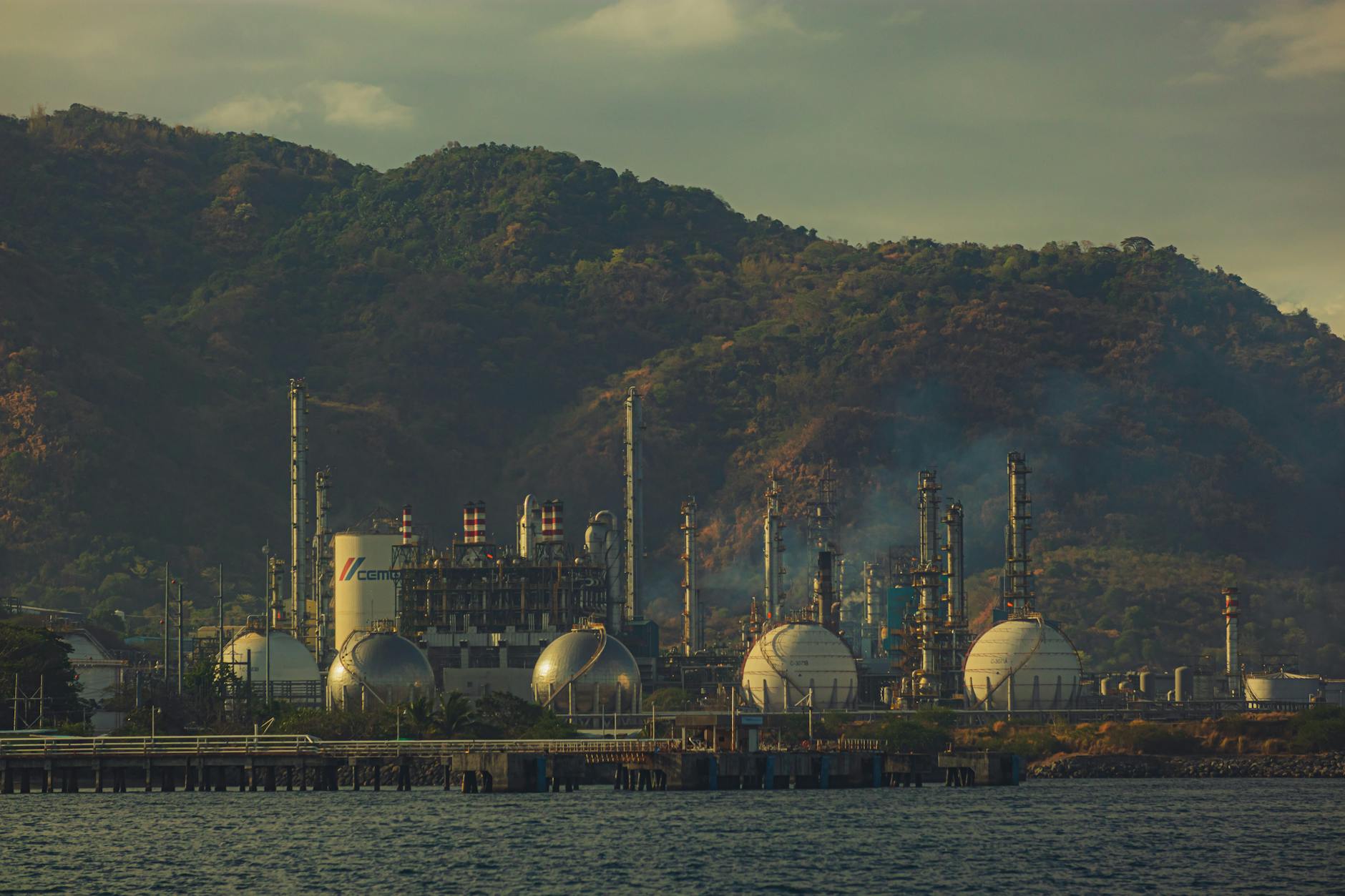
refinery problems are one of the most immediate causes of rapid gas price increases, and the ExxonMobil Joliet facility’s operational issues in early May 2026 illustrate this perfectly. Joliet is not just any refinery; it’s a major supply node for the Midwest. When a facility of that size experiences operational problems—whether due to equipment failure, maintenance, or other issues—the available supply of gasoline in the region contracts immediately. Traders and distributors who normally rely on that refinery’s output must source gasoline from further away, incurring higher transportation costs that get passed to consumers.
The warning here is that refinery capacity in the United States is not abundant. The country’s refining infrastructure is aging, and new refineries are rarely built due to regulatory and environmental considerations. This means that when an existing refinery reduces output, there are limited alternatives to quickly ramp up production elsewhere. The ExxonMobil Joliet situation is temporary (the refinery will eventually restore full operations), but it highlights a structural vulnerability: Illinois and the Midwest depend on a relatively concentrated set of refineries, and disruptions to any one of them cascade through the regional market.
What Can Illinois Drivers Do About Rising Gas Prices?
Individual drivers have limited leverage against regional gas price shocks driven by refinery problems or global geopolitical events, but some strategies can help minimize the impact. First, timing matters: gas prices often rise more sharply mid-week and can dip slightly on weekends or early in the week as retailers adjust inventory. Second, location matters, as shown by the $0.56-per-gallon difference between Chicago and Champaign. Drivers making longer trips might strategically fill up in lower-priced areas if the distance and savings justify the detour, though this is more practical for regular commutes than occasional drives.
The tradeoff, however, is that most Illinois drivers cannot fundamentally escape high gas prices through personal choices. A commuter in Chicago cannot reasonably drive to Champaign to save 56 cents per gallon; the gas spent getting there would negate any savings. Nor can individual consumers influence refinery operations or geopolitical events. The realistic strategy for most drivers is to budget for higher gas prices as a continued reality, consolidate trips to reduce overall consumption, and pay attention to personal vehicle maintenance (proper tire pressure and regular servicing improve fuel efficiency). Beyond these margins, the problem requires policy-level action, not consumer behavior change.
📨 Get Free Accountability Coverage Alerts
Free · No spam · Unsubscribe anytime
How Global Oil Markets and Geopolitical Tensions Keep Prices High
The February 2026 military conflict between the U.S., Israel, and Iran and Iran’s subsequent closure of access to the Gulf of Hormuz illustrates how geopolitical events translate directly into pain at the pump. The Strait of Hormuz is a critical global chokepoint; restricting access to it creates genuine supply concerns that drive up oil prices worldwide. When Iran shut down access, traders and energy companies immediately factored in the risk of sustained supply disruption, and prices climbed accordingly. The limitation to understand here is that U.S. gas prices are set in a global market.
Even though the U.S. produces significant oil domestically and has the capacity to reduce imports, global oil prices are determined at the margin by the tightest supply constraints globally. If Iranian supply is constrained, the global price rises, and U.S. consumers pay the higher price regardless of whether they use Iranian oil. This is why gas prices in Illinois track global events thousands of miles away. The geopolitical situation in the Middle East remains tense, and any escalation of conflict or further restriction on oil flows through the Strait of Hormuz could push prices higher again.

Illinois Gas Prices in Historical Context
At $5.08 per gallon statewide, May 2026 gas prices are high but not historically unprecedented. The price surge of 49.6 percent year-over-year, however, is significant and reflects a major shift from May 2025, when prices were substantially lower. To put this in perspective, the difference between May 2025 and May 2026—$1.69 per gallon—translates to $25.35 more on a 15-gallon fill-up for an average driver.
Over a year, that adds up to thousands of dollars in additional gas spending for regular drivers. The historical lesson is that gas prices are volatile and subject to supply shocks that policymakers and consumers cannot always control. Illinois residents experiencing the current increase should not expect rapid relief unless either the ExxonMobil Joliet refinery returns to full capacity or geopolitical tensions ease significantly. Both scenarios could reduce prices, but both remain uncertain as of May 2026.
What Comes Next for Illinois Gas Prices
Looking forward, Illinois gas prices will likely remain elevated until the refinery issue at Joliet is resolved, which appears to be an ongoing situation as of mid-May 2026. Without major refinery repairs, prices will likely stay in the $5 range, possibly fluctuating based on weekly supply and demand dynamics.
The geopolitical situation in the Middle East adds another variable—any further escalation involving Iran or other oil-producing regions could push prices higher, while easing tensions could provide some relief. For Illinois residents, the most likely scenario in the near term is continued high gas prices with gradual easing only if global conditions improve or local refinery capacity returns. The state’s position as the sixth most expensive in the nation suggests that policymakers should be monitoring both the refinery situation and broader energy policy to understand how future supply disruptions might be managed more effectively.
Conclusion
Yes, Illinois drivers are facing another increase in gas prices this week, bringing the statewide average to $5.08 per gallon as of mid-May 2026. The primary cause is reduced output from the ExxonMobil Joliet refinery, a major regional supplier of gasoline, combined with global supply concerns stemming from geopolitical tensions involving Iran and the critical Strait of Hormuz. With year-over-year prices up 49.6 percent and Illinois gas prices sitting approximately 50 cents above the national average, the situation reflects both immediate local supply problems and broader global market dynamics.
Individual drivers have limited leverage against these factors, and real solutions require either the resolution of the Joliet refinery’s operational issues or a de-escalation of geopolitical tensions affecting global oil supplies. In the meantime, Illinois residents should budget for continued high gas prices and monitor developments in both the local refinery situation and international energy markets. The situation underscores how energy prices in a global economy respond to events beyond any state’s control, and how infrastructure vulnerabilities—like reliance on a limited number of major refineries—can concentrate economic pain among consumers.
You Might Also Like
- Gas Prices Today: Drivers Could See Another Spike Before June
- Gas Prices Today: Why Drivers Are Seeing Different Prices by ZIP Code
- Gas Prices Today: What Drivers Should Know This Weekend