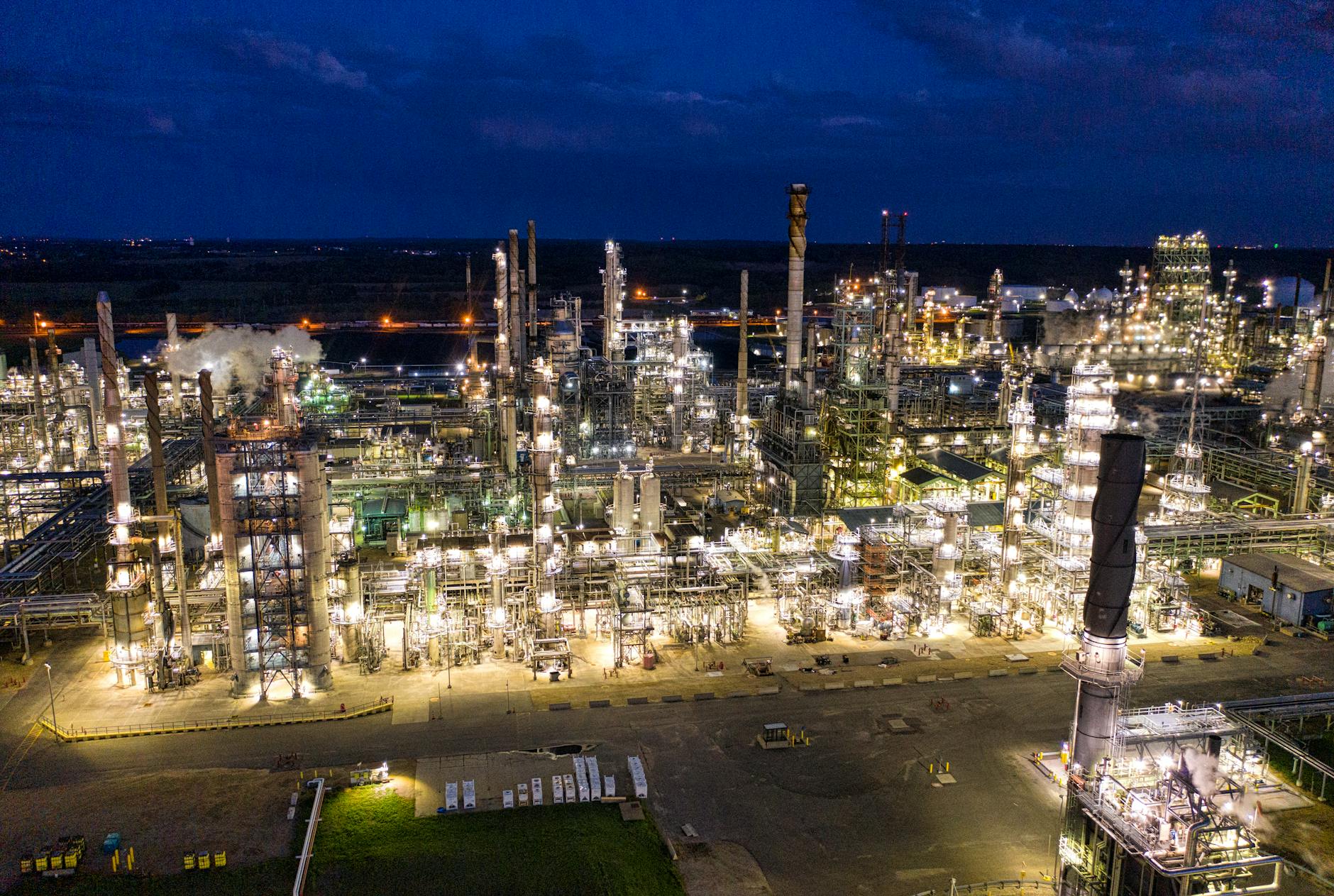
Yes, refinery problems can and likely will push gas prices higher in the coming weeks. The United States is currently experiencing simultaneous operational issues at four major refineries in the Midwest and Great Lakes regions, representing nearly 1.3 million barrels per day of lost or reduced capacity. As of May 2026, these disruptions are already contributing to a national average gas price of $4.52 per gallon—the highest since July 2022—with some regions like Illinois hitting $4.98 and California reaching $6.00 per gallon. The timing is particularly problematic: refinery maintenance typically happens in spring, but when multiple facilities go offline at once during the peak driving season, the market has limited ability to compensate through imports or inventory drawdowns. The Midwest refinery situation illustrates how concentrated America’s fuel production is and how quickly supply constraints translate to pump prices.
Three Illinois refineries—ExxonMobil’s Joliet facility (270,000 barrels per day), Phillips 66’s Wood River (356,000 bpd), and Marathon Petroleum’s Robinson (253,000 bpd)—are all experiencing maintenance or operational issues simultaneously. Combined with international crude supply disruptions affecting the Strait of Hormuz and EPA mandates for summer-blend gasoline, consumers face a “perfect storm” of upward price pressure that could persist through June and July. The critical question isn’t whether prices will rise further, but by how much. Gasoline futures are already trading above $3.60 per gallon, approaching a four-year high of $3.75 touched on May 4. If refinery problems extend beyond their projected timelines or if additional facilities require unplanned maintenance, prices could easily break that ceiling and push toward $5.00 per gallon nationally, with regional spikes potentially exceeding $6.50 in some markets.
Table of Contents
- How Much Can Refinery Shutdowns Actually Increase Gas Prices?
- Why Are So Many Refineries Down at Once?
- How Is the Strait of Hormuz Disruption Making This Worse?
- What Impact Does the EPA Summer-Blend Mandate Have?
- Are Gas Prices Likely to Go Higher in the Next 30 Days?
- How Refinery Capacity Impacts Consumer Prices Year-Round
- Looking Ahead—Will Refinery Problems Ease by Summer?
- Conclusion
- Frequently Asked Questions
How Much Can Refinery Shutdowns Actually Increase Gas Prices?
Refinery shutdowns create a direct supply constraint: fewer barrels of gasoline produced means less supply competing for the same demand. When a 270,000-barrel-per-day facility like ExxonMobil’s Joliet goes offline, even a brief disruption removes roughly 270,000 barrels of daily production from the market. In a U.S. market that consumes roughly 9.2 million barrels per day of petroleum products, losing even one large refinery represents a meaningful supply loss. The impact varies based on how quickly the facility comes back online, whether other refineries can increase production to compensate, and how much spare capacity exists elsewhere in the supply chain. The current situation illustrates this dynamic precisely. Phillips 66’s Wood River refinery began a planned 45-day maintenance shutdown in late February 2026, taking 356,000 barrels per day offline through mid-April.
Marathon Petroleum’s Robinson facility initiated planned maintenance in mid-March, keeping 253,000 barrels per day offline until mid-May. These overlapping timelines mean the market has been short roughly 600,000 barrels per day of Midwest refinery capacity for weeks. ExxonMobil’s Joliet problems and BP’s brief Whiting outage compound the shortage. The result: gasoline futures spiked above $3.60 per gallon, a level that nearly always translates to pump prices above $4.50 nationally. What’s critical to understand is that refinery shutdowns have a multiplier effect on prices. A 6% reduction in refinery capacity doesn’t produce a 6% price increase; it often produces a much larger percentage increase because demand is inelastic—people still need to drive to work and run errands regardless of price. When supply is constrained, prices rise sharply to ration consumption and encourage demand destruction. Wholesale prices can jump 15% to 25% from a major refinery outage, which then ripples through to pump prices with a lag of a few days to a week.
Why Are So Many Refineries Down at Once?
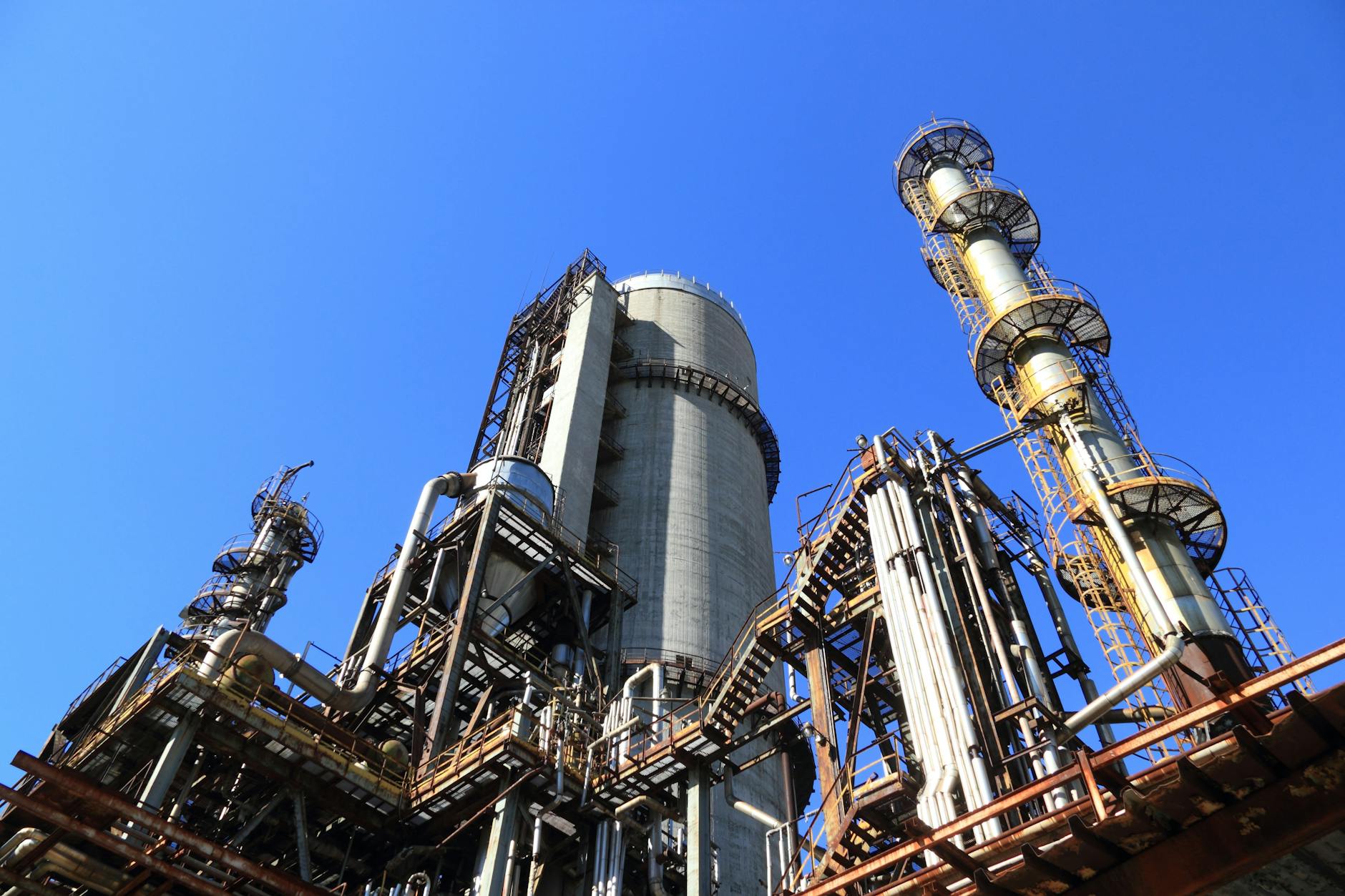
The concentration of refinery maintenance in spring is not coincidental. Most refineries conduct major maintenance in April and may because demand is lower than in summer and because planned work is cheaper and safer than emergency repairs during peak season. However, the current wave of simultaneous outages represents unusual coordination—or more precisely, unusual bad luck. Phillips 66 and Marathon Petroleum both scheduled major maintenance for spring 2026, likely planned months in advance. ExxonMobil’s Joliet problems appear to be unplanned operational issues. BP’s Whiting outage was brief and related to a power disruption. The risk of coordinated maintenance is a known issue in the petroleum industry, and it’s one reason the Strategic Petroleum Reserve exists. When too many refineries are offline simultaneously, the government can release crude or refined products to stabilize the market.
However, there’s a limitation: the SPR is designed for emergency supply disruptions like hurricanes or geopolitical crises, not routine maintenance coordination. Using it for scheduled maintenance sets a precedent that could discourage refineries from improving equipment if they know the government will bail out the market. As of May 2026, federal authorities have not indicated any intention to tap the SPR, likely because they view these as planned outages rather than emergencies. Another layer of complexity: the refining industry has consolidated significantly over the past two decades. There are now fewer, larger refineries, and they operate at higher utilization rates. When one goes down, there’s less redundancy in the system. Small independents have largely been consolidated into major companies like ExxonMobil, Chevron, and Phillips 66. This efficiency gains in normal times, but it creates fragility when multiple facilities have problems simultaneously. The Midwest, in particular, depends heavily on a handful of large facilities for its fuel supply.
How Is the Strait of Hormuz Disruption Making This Worse?
Shipping through the Strait of Hormuz has been halted since early March 2026, preventing nearly 20 million barrels per day of crude oil and refined petroleum products from reaching global markets. For context, that’s roughly equivalent to 2% of global daily oil consumption—a significant disruption, though not a catastrophic one for the world market overall. However, for the United States, which imports refined gasoline from Europe and other suppliers, the Strait closure compounds the refinery problem by cutting off an alternative supply source. When U.S. refineries can’t meet domestic demand due to maintenance or outages, the normal backstop is to import finished gasoline from Caribbean and European refineries. Those refineries rely on crude oil shipped through the Strait of Hormuz. With that route closed since March, import capacity has tightened considerably.
Gasoline inventories in the U.S. have fallen as a result, reducing the buffer that would normally absorb a week or two of refinery downtime. The combination of domestic refinery problems plus limited import options creates a squeeze that has no easy exit. The timing compounds the impact further. Summer driving season begins in earnest in May, exactly when gasoline demand peaks. A Strait closure in January would be manageable because refineries would have months to increase production and rebuild inventories. A closure in May, combined with spring refinery maintenance, leaves no time to recover. Gasoline futures reflect this tight supply situation; prices above $3.60 per gallon signal that traders expect supply constraints to persist for weeks.
What Impact Does the EPA Summer-Blend Mandate Have?
Beginning May 1, 2026, refineries are required by EPA regulation to transition their output from winter-blend to summer-blend gasoline. Summer-blend is a more complex formulation designed to reduce smog-forming emissions in warm months, but it requires additional refining steps and more expensive ingredients. The EPA’s own estimates suggest summer-blend gasoline costs refineries 10 to 30 cents more per gallon to produce than winter-blend. When that cost is passed through to consumers—which it generally is—it adds between 10 and 30 cents to the pump price. In a normal market with adequate refinery capacity, this transition happens smoothly and consumers absorb the cost. But in May 2026, with refinery capacity already constrained, the summer-blend transition arrives at the worst possible time. Instead of drawing on spare refinery capacity to handle the additional complexity, refineries are already running at maximum utilization.
Some facilities may need to shut down units temporarily to reconfigure for summer-blend production, creating another source of supply disruption. Others will simply push the cost through to consumers more aggressively, knowing that demand is strong and alternatives are limited. The regulatory mandate also creates a price floor. Even if refinery problems resolve and supply tightens, summer-blend requirements will keep gasoline prices at least 10 cents higher than they would be under winter-blend rules. For a consumer filling up a 15-gallon tank, this translates to $1.50 to $4.50 per fill-up in additional costs. Over a summer season, a household with two vehicles could spend an extra $200 to $600 on gasoline simply due to the regulatory requirement. This is a hidden cost of environmental policy that receives little public attention, but it’s a direct hit to household budgets during an already expensive period for gas.
Are Gas Prices Likely to Go Higher in the Next 30 Days?
Yes, there is a meaningful risk that prices will spike further in the next 30 days. Gasoline futures are trading above $3.60, and if any of the offline refineries experience extended problems or require additional maintenance time, prices could easily approach $3.75 to $4.00 per gallon in the futures market. The futures market typically runs 4 to 6 weeks ahead of pump prices, which means a spike in June futures today would translate to pump prices above $5.00 nationally in mid-to-late June. The warning sign to watch is inventory levels. Gasoline inventories in the United States typically build in April and May as refineries ramp up for summer demand. If inventories fall below seasonal norms during May, it signals that supply is genuinely tight and prices are likely to rise further.
As of early May 2026, inventories are reportedly below the five-year average, which is a bearish signal for prices. If inventories continue to decline through May, prices will almost certainly reach $5.00 or higher by June. However, there’s a limitation to how high prices can go: demand destruction. If prices exceed $5.50 to $6.00 per gallon nationally, consumers begin to drive less, carpool more, and shift to smaller vehicles. This demand destruction is painful for consumers but helps stabilize the market by reducing the supply-demand imbalance. A price spike to $5.50 would probably be enough to trigger sufficient demand destruction to prevent further increases. The trade-off is that consumers bear the cost through either higher prices or reduced driving, with lower-income households hit hardest.
📨 Get Free Accountability Coverage Alerts
Free · No spam · Unsubscribe anytime

How Refinery Capacity Impacts Consumer Prices Year-Round
The current situation highlights how crucial refinery capacity is to gasoline prices and consumer costs. The United States has roughly 140 to 150 operating refineries, with a total capacity of roughly 17.7 million barrels per day. This capacity is barely adequate for peak summer demand of 9 to 10 million barrels per day when you account for the fact that refineries also produce diesel, heating oil, jet fuel, and other products from the same crude input. When refinery capacity declines due to maintenance, outages, or closures, there is very little slack in the system. Over the past two decades, the U.S. has closed several refineries due to consolidation and economics.
The loss of these facilities means there’s no spare capacity to draw on during periods of high demand or when multiple facilities are down. For example, the closure of the Delamare refinery in Texas in 2020 reduced national capacity by roughly 200,000 barrels per day. That facility is gone forever, and the capacity cannot be recovered. Future refineries are unlikely to be built in the U.S. due to environmental regulations, capital costs exceeding $10 billion, and the long permitting process. This structural capacity deficit means prices will be structurally higher in the future, with less ability to respond to supply disruptions.
Looking Ahead—Will Refinery Problems Ease by Summer?
Most of the planned maintenance should be completed by mid-May 2026. Marathon Petroleum’s Robinson refinery is expected to be back online by mid-May, and Phillips 66’s Wood River facility should return to full capacity shortly after. ExxonMobil’s Joliet situation is less clear because the company has not provided details on the cause or expected duration of the operational issues. If Joliet comes back online in the next two to three weeks, refinery supply will improve meaningfully and pressure on prices should ease.
However, if Joliet remains offline for an extended period due to equipment problems or regulatory issues, prices could remain elevated through June. The outlook beyond June depends heavily on whether the Strait of Hormuz reopens and international crude supplies normalize. If shipping resumes, imports of both crude oil and finished gasoline could resume, helping to stabilize domestic prices. However, geopolitical instability in the region suggests the closure could persist, creating a structural supply deficit that keeps prices elevated. The combination of persistent refinery maintenance (which will occur again in spring 2027), structural capacity constraints, and potential supply disruptions suggests that consumers should expect $4.00+ gasoline as a baseline for the foreseeable future, with seasonal spikes to $5.00 or higher not unlikely.
Conclusion
Refinery problems are almost certainly going to keep gas prices elevated or push them higher in the next 30 to 60 days. The combination of overlapping maintenance at major Midwest refineries, the Strait of Hormuz closure cutting off imported supplies, and the EPA summer-blend mandate creates a tight supply situation with few escape valves. Prices above $4.50 nationally and $5.00 in regional markets are not theoretical risks—they are likely outcomes based on current capacity constraints and futures market signals.
The broader lesson is that gasoline prices are not just about OPEC or international crude politics; they’re deeply influenced by domestic refinery capacity, maintenance cycles, and regulatory requirements. Consumers and policymakers should understand that even as crude oil prices may remain stable, consumer prices at the pump can spike significantly due to supply-side constraints at the refinery level. For most households, the practical response is to monitor prices closely, consider adjusting driving habits if prices spike above $5.00, and plan fuel expenses accordingly through June and July.
Frequently Asked Questions
Could the government release oil from the Strategic Petroleum Reserve to lower gas prices?
Theoretically yes, but it’s unlikely to happen for routine maintenance outages. The SPR is designed for genuine emergencies like hurricanes or geopolitical crises, not scheduled refinery maintenance. Using it for scheduled downtime would set a precedent that undermines the reserve’s purpose and removes an incentive for refineries to maintain equipment.
How quickly can offline refineries come back online?
It depends on the problem. Planned maintenance typically follows a predictable schedule and can be resumed on time. Unplanned outages due to equipment failure could take weeks or longer. ExxonMobil’s Joliet facility has provided no details on the cause or timeline, which creates uncertainty in the market.
Why don’t U.S. refineries just increase production to compensate?
Refineries are already running at near-maximum utilization rates. There is no slack capacity to increase production when facilities are offline. The industry operates on the assumption that routine maintenance will happen during low-demand periods, but when demand is high (summer) and maintenance overlaps, there’s no way to make up the lost production quickly.
Could electric vehicles or other alternatives reduce gas prices?
In the long term, yes. But EV adoption is currently only about 10% to 12% of new vehicle sales, which means gasoline demand will remain high for the next 10 to 15 years. Short-term relief requires either increased refinery capacity (unlikely due to regulations and economics) or reduced international supply disruptions (the Strait of Hormuz issue).
Is this refinery situation unusual or should we expect this every year?
Spring refinery maintenance is routine, but the scale of current outages is significant. However, as the refining industry consolidates and climate change increases the frequency of outages due to extreme weather, these situations may become more common. The structural lack of refinery capacity means the U.S. has limited ability to handle multiple simultaneous disruptions.
You Might Also Like
- Oil Prices Today: Could Middle East Conflict Push Gas Prices Higher?
- Gas Prices Today: Could Iran Headlines Push Prices Even Higher?
- Oil Prices Today: What Rising Crude Prices Could Mean for Gas