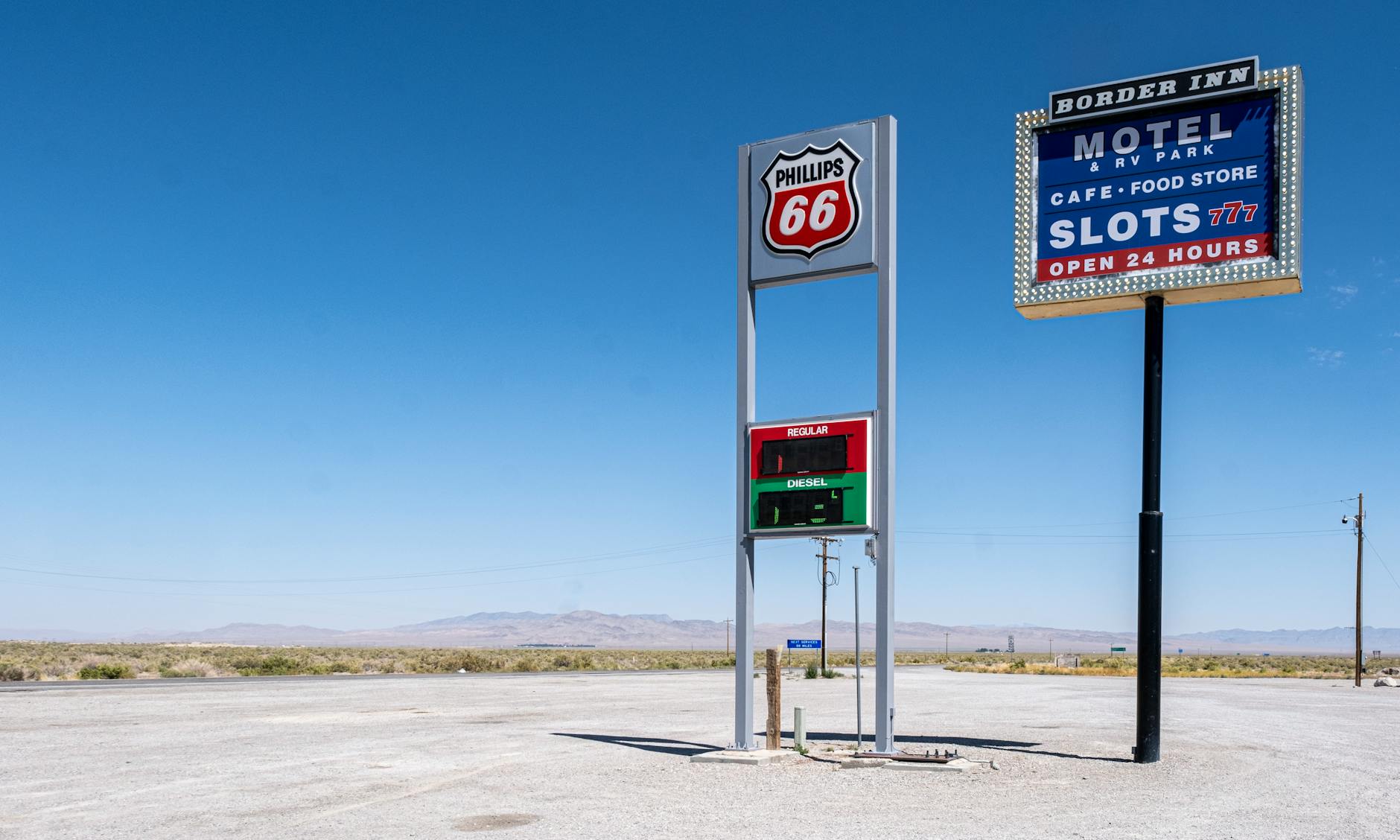
Yes, summer vacation fuel costs are expected to rise significantly in 2026. The national average gasoline price has already climbed to $4.50-$4.55 per gallon as of mid-May, representing a 44% increase from 2025 prices and a year-to-date surge of 43.6% to 60% since early 2026. If you’re planning a summer road trip, expect to pay substantially more at the pump than you did in previous years. A typical family of four driving 1,000 miles for vacation could see their fuel costs jump from approximately $240 in 2025 to nearly $350 in 2026, depending on their starting location.
The pressure on fuel prices stems from multiple converging factors: U.S. gasoline inventories have fallen for 11 consecutive weeks, while a disruption in the Strait of Hormuz since early March 2026 has halted approximately 20 million barrels per day of crude oil flow into global markets. These supply constraints are colliding with peak summer driving season demand, creating an environment where prices are likely to remain elevated throughout June, July, and August. Current prices still sit roughly 50 cents below the all-time highs set in June 2022, which offers some limited relief. However, if geopolitical tensions persist or worsen, industry analysts project potential prices could reach $5.73 per gallon by mid-summer, while more conservative estimates suggest prices may stabilize in the $3.50-$3.80 range by June 2026.
Table of Contents
- How Much Higher Will Gas Prices Go This Summer?
- Why Are Gas Prices Rising? The Supply and Geopolitical Factors Behind the Numbers
- Regional Gas Price Disparities: Your Location Determines Your Fuel Bill
- What Summer Vacations Actually Cost: Fuel Expenses in the Broader Budget Picture
- Inventory Declines and Market Volatility: What Happens When Supplies Get Tight
- Tips for Minimizing Summer Fuel Costs
- Looking Ahead: Will Summer Fuel Prices Stabilize or Continue Rising?
- Conclusion
How Much Higher Will Gas Prices Go This Summer?
Summer 2026 fuel prices face competing pressures that create uncertainty in the market. On the high end, forecasters warn that prices could spike to $5.73 per gallon if geopolitical disruptions intensify or supply chains face additional shocks. This would represent levels not seen since the summer of 2022, when the nation experienced record-high fuel costs that devastated travel budgets and consumer spending. Even moderate increases from current levels would add hundreds of dollars to summer vacation expenses for the average household. The more optimistic projection suggests prices could stabilize between $3.50 and $3.80 per gallon by June 2026.
This would still represent a significant increase compared to 2025, but would provide some breathing room for families planning summer getaways. However, this conservative estimate assumes that supply disruptions ease and that demand pressures don’t intensify unexpectedly. The wide range between the optimistic and pessimistic forecasts reflects genuine uncertainty in oil markets and the vulnerability of global supply chains. For consumers, this means that summer vacation budgeting has become considerably more complex. A family planning a week-long road trip now faces the real possibility of spending $100-$150 more on fuel than they would have anticipated just six months ago, with the potential for even larger increases if the worst-case scenarios unfold.

Why Are Gas Prices Rising? The Supply and Geopolitical Factors Behind the Numbers
The primary culprit behind rising fuel costs is a sharp decline in U.S. gasoline inventories. For 11 consecutive weeks, stockpiles have fallen, indicating that demand is outpacing supply at the refinery level. This inventory squeeze typically signals that prices will remain elevated or rise further, as there is less cushion to absorb unexpected demand spikes or supply disruptions. Refineries across the nation are operating at high capacity to meet current demand, leaving little room to increase production if shortages emerge. The more acute problem lies in global crude oil supply. Since early March 2026, disruptions in the Strait of Hormuz—a critical chokepoint through which roughly 20% of the world’s oil supply flows—have halted approximately 20 million barrels per day of crude moving through the region.
For context, the entire U.S. petroleum industry produces roughly 13 million barrels per day, meaning the Strait disruption represents a loss of supply equivalent to nearly twice U.S. production. This geopolitical constraint has rippled through global markets, driving up crude prices and subsequently gasoline prices at American pumps. The limitation to watch: forecasts based on current geopolitical conditions can change rapidly, meaning prices could shift dramatically if the situation in the Strait resolves or deteriorates further. Peak summer driving season amplifies these pressures. As school ends and families take vacations, gasoline demand naturally increases precisely when inventories are depleted and global supply is constrained. This timing creates a perfect storm for elevated prices that will likely persist throughout June, July, and August.
Regional Gas Price Disparities: Your Location Determines Your Fuel Bill
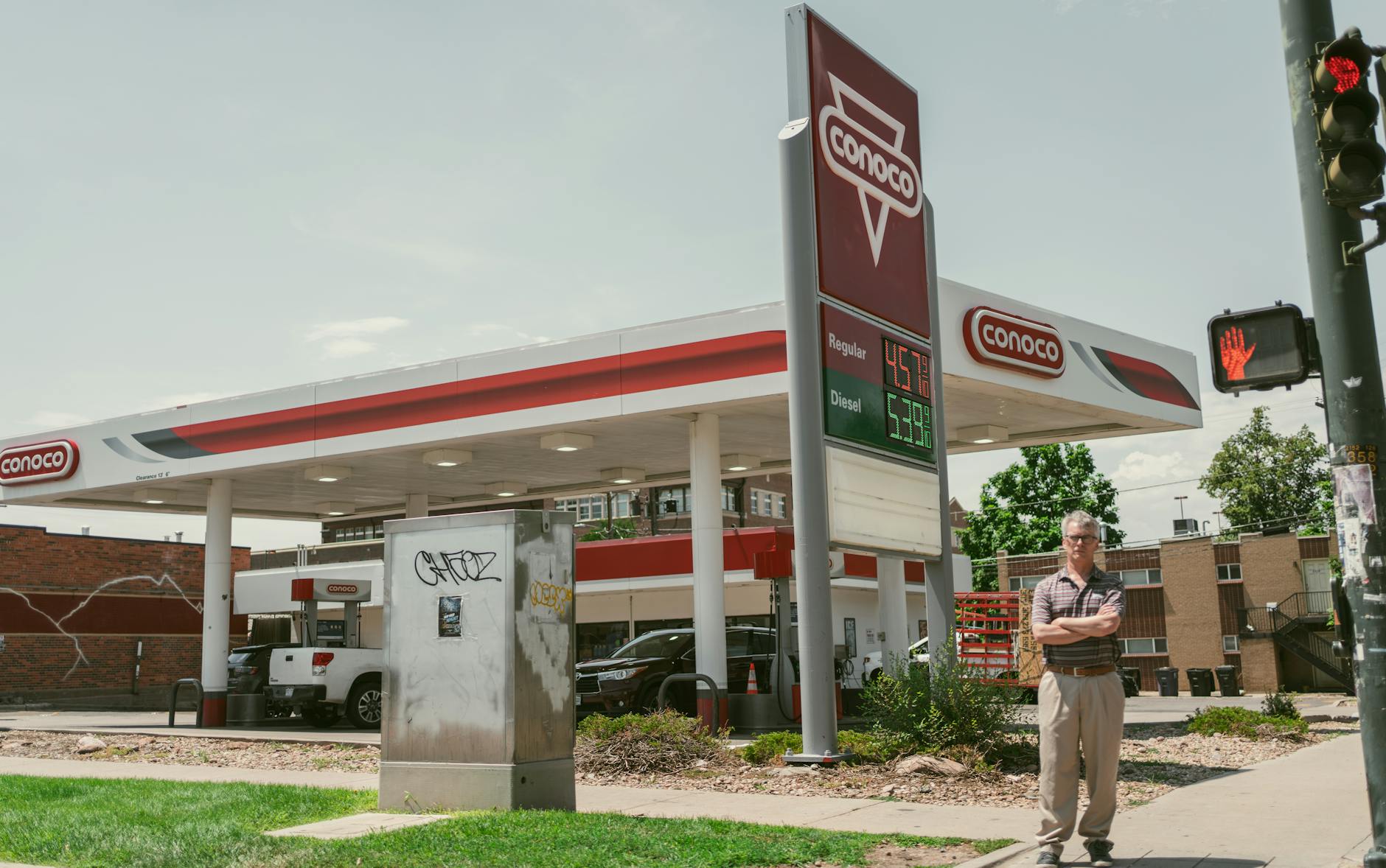
Gas prices are not uniform across the United States, and where you live or vacation dramatically affects your fuel costs. California leads the nation with prices ranging from $5.84 to $6.15 per gallon, making it the most expensive state for fuel. Hawaii follows at $5.67 per gallon, while Washington state residents face prices between $5.39 and $5.77 per gallon. Oregon rounds out the expensive states at $4.99 per gallon. Meanwhile, Oklahoma offers the nation’s lowest prices at $3.94 per gallon, followed by Mississippi at $3.98 and Louisiana at $4.00 per gallon. For a family filling a 15-gallon tank in California versus Oklahoma, the difference exceeds $45 per fill-up—or more than $200 over a week-long vacation requiring multiple fill-ups. These disparities reflect multiple factors beyond crude oil costs.
State gasoline taxes vary significantly, with California’s fuel taxes among the highest in the nation. Refinery capacity and proximity to refineries affect supply and distribution costs, which is why coastal states and areas far from major refinery clusters face higher prices. Environmental regulations, particularly California’s strict emissions standards, also drive up the cost of producing gasoline to meet state specifications. Additionally, states dependent on a limited number of refineries face higher vulnerability to supply disruptions. For vacationers, this means planning your route strategically can yield meaningful savings. A family driving from California to Nevada or Arizona could save substantially by filling up outside California borders. Similarly, travelers in the Northeast might find better prices in states with lower fuel taxes and simpler gasoline specifications.
What Summer Vacations Actually Cost: Fuel Expenses in the Broader Budget Picture
The average American summer vacation cost has climbed to $7,249 in 2026, representing an 11% increase from 2024. Fuel represents a significant portion of this total for road trip vacationers, though not the only cost driver. Accommodation, meals, activities, and airfare for those flying also contribute substantially to the total budget. The comparison worth understanding: while higher fuel prices are a real problem, they’re one piece of a larger affordability crisis affecting summer travel overall. For a family taking a typical two-week summer road trip, fuel costs could account for $400-$600 of the total vacation budget, depending on distance and vehicle fuel economy.
This is considerably higher than in previous years, forcing families to make difficult trade-offs. Some households may respond by shortening trips, choosing closer destinations, or delaying vacations until prices potentially moderate. Others may reduce spending in other vacation categories—fewer restaurant meals, less expensive accommodations, or fewer paid activities—to stay within their overall budget. The tradeoff is real and unavoidable for most households. Energy costs have increased across the board in 2026, and vacation planning cannot be separated from broader economic pressures on household finances. Understanding how fuel prices affect your total vacation budget allows for more realistic planning and fewer financial surprises when the bill comes due.
📨 Get Free Accountability Coverage Alerts
Free · No spam · Unsubscribe anytime
Inventory Declines and Market Volatility: What Happens When Supplies Get Tight
The 11-week decline in U.S. gasoline inventories is the most concerning short-term indicator for fuel prices. When inventories fall, refineries have less capacity to respond to unexpected demand spikes or supply disruptions. This creates a fragile market environment where even minor disruptions can trigger sharp price increases. A refinery outage, a temporary port closure, or a weather event could quickly push prices upward without warning. This inventory situation also reflects a fundamental imbalance in the market: refineries are currently maximizing production to meet demand, but demand is outpacing supply.
This leaves no buffer or cushion. Historically, periods of tight inventory have preceded price spikes, which is why market analysts are cautious about the second half of summer 2026. A warning worth heeding: volatility is likely. Prices that seem stable for a few weeks can shift dramatically in response to news from oil-producing regions, geopolitical developments, or weather patterns affecting refinery operations. The geopolitical element adds another layer of uncertainty. As long as the Strait of Hormuz remains disrupted, markets will remain vulnerable to unexpected shocks. Any new sanctions, military actions, or escalations in tensions could quickly move prices from the pessimistic forecast of $5.73 per gallon into uncharted territory.

Tips for Minimizing Summer Fuel Costs
Savvy travelers can implement several strategies to reduce fuel expenses during summer vacation. The most straightforward approach is to improve vehicle fuel economy: ensure proper tire pressure, remove roof racks or cargo carriers when not in use, and service your vehicle before long trips to ensure the engine runs efficiently. A well-maintained vehicle can improve fuel economy by 3-5%, which translates to meaningful savings on a long road trip. For example, improving fuel economy from 25 miles per gallon to 26 miles per gallon on a 2,000-mile vacation could save approximately 40 gallons and $180-$220 depending on gas prices encountered.
Another strategy involves timing and route planning. Fill up in states with lower fuel prices when possible, avoid driving during peak congestion times when fuel consumption increases, and consider using travel apps to identify gas stations with lower prices along your route. Some travelers are also reconsidering road trips in favor of other vacation options, or planning shorter driving distances to reduce fuel consumption entirely. These adjustments require advance planning but can significantly reduce vacation expenses.
Looking Ahead: Will Summer Fuel Prices Stabilize or Continue Rising?
The trajectory of gas prices through the remainder of summer 2026 remains genuinely uncertain. Much depends on factors outside the U.S. control: whether the Strait of Hormuz disruption resolves, whether global crude oil supplies stabilize, and whether unexpected geopolitical events emerge. If current conditions persist, prices will likely remain elevated but relatively stable in the mid-$4 range through August.
If supply situations improve, prices could drift downward toward the $3.50-$3.80 conservative estimate. However, history suggests caution optimism. Summer driving season typically runs through early September, and markets have proven vulnerable to disruptions in past years. Consumers planning vacations should budget for the current price environment and prepare for the possibility that prices could shift upward before Labor Day.
Conclusion
Summer 2026 vacations will be more expensive than previous years, driven by elevated gasoline prices now averaging $4.50-$4.55 per gallon nationally. This 44% increase from 2025 reflects tight inventories, geopolitical supply disruptions, and peak driving season demand. While prices remain below 2022 record highs, they’re significantly higher than consumers experienced during the low-price years of 2023-2024, and families planning summer trips should account for these costs in their budgets.
The reality for consumers is straightforward: plan ahead, fill up strategically in lower-price states if possible, optimize your vehicle’s fuel economy, and consider whether your vacation distance and dates are flexible enough to be adjusted if prices spike further. Monitor fuel prices in the weeks before your trip, and factor substantially higher fuel costs into your overall vacation budget. With careful planning and realistic expectations, you can still enjoy a summer getaway—you’ll just need to allocate more of your budget to paying at the pump.
You Might Also Like
- Gas Prices Today: What Analysts Are Saying About Summer Fuel Costs
- Gas Prices Today: Miami Fuel Prices Rise Before Vacation Season
- Gas Prices Today: Fuel Costs Rise Across the Northeast