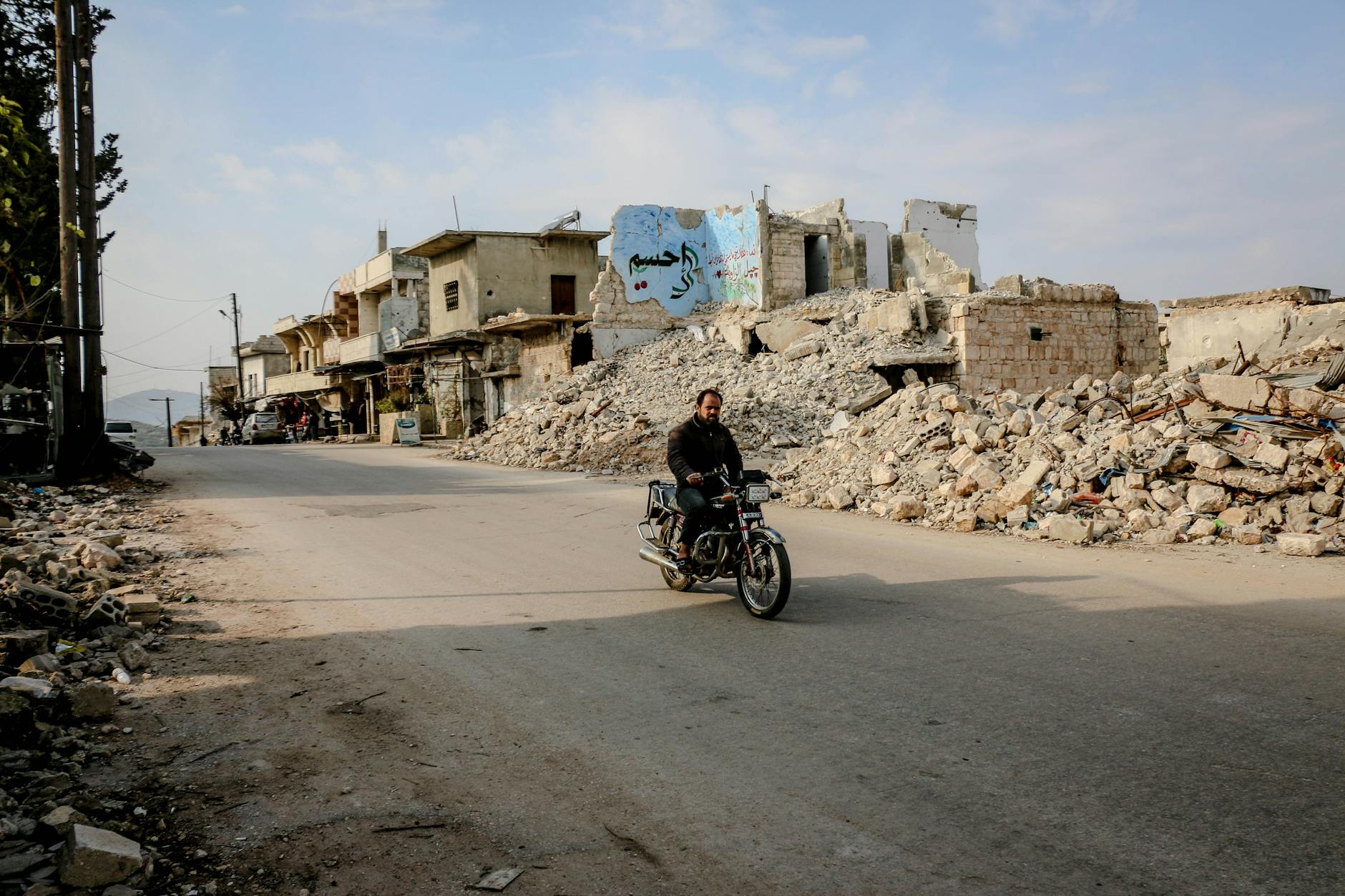
A conflict with Iran would likely fracture rather than unite Trump’s political base, despite a potential short-term rally-around-the-flag effect. History shows that wars initially boost approval ratings but that support collapses when economic costs mount, casualties accumulate, or strategic objectives remain unclear—patterns visible in both Iraq and Afghanistan, where initial public backing eroded within months.
Trump’s 2024 coalition includes anti-interventionist voters, fiscal conservatives concerned about defense spending, and working-class supporters sensitive to inflation, all groups that historically abandon war support when costs become tangible. The question isn’t whether Trump could maintain core support through a conflict, but whether he could retain the suburban and independent voters who provided his 2024 margin. Those swing voters broke against prolonged military engagement in Iraq and Afghanistan, and polling on hypothetical Iran scenarios shows similar hesitation, particularly if the conflict drives oil prices higher or requires a draft.
Table of Contents
- How Historical Wars Have Affected Presidential Approval
- The Economic Damage From an Iran Conflict
- The Polarization Problem in Trump’s Coalition
- The Swing Voter Exit Problem
- The Casualty Timeline and Support Collapse
- The Inflation Wild Card
- The Coalition’s Future if War Support Fractures
- Conclusion
How Historical Wars Have Affected Presidential Approval
Previous presidents experienced the predictable arc of wartime politics: initial approval bumps followed by sharp declines. George W. Bush’s approval rating jumped from 51% before 9/11 to 90% in the immediate aftermath, but dropped to 24% by late 2008 as Iraq costs mounted. Even the brief 1991 Gulf War gave George H.W.
Bush approval ratings above 85%, yet he lost reelection after economic recession dampened public confidence. The pattern reflects that Americans distinguish between supporting military action in theory and supporting it when bills come due. Trump’s political position differs from his predecessors in one crucial way: he has staked much of his reelection argument on ending “forever wars” and avoiding military adventurism. An Iran conflict would directly contradict that messaging, alienating the exact subset of voters—former anti-war Democrats and non-interventionist Republicans—who comprise a meaningful share of his coalition. Polling from 2023 showed roughly 55% of Americans opposed to military intervention in Iran, but that support splits sharply by age and education level, with younger voters and college-educated independents most opposed.
The Economic Damage From an Iran Conflict
The immediate economic cost of an Iran war would dwarf previous conflicts in visibility. Oil prices would spike sharply—Iran controls key shipping routes and significant production capacity, and any sustained conflict would likely trigger a price shock from $80 to potentially $120+ per barrel within weeks. This would hit directly at Trump’s core economic argument: that his policies prevent inflation and protect working-class purchasing power. Gasoline prices at the pump would become the daily reminder to every voter about the conflict’s cost. A critical limitation in Trump’s position is that he cannot blame the inflation on the Biden administration if his own policies trigger a new price shock. Independent voters and swing suburban voters, already skeptical of a new Middle East conflict, would connect rising gas prices directly to Trump’s decisions.
Economists estimate a sustained $40 jump in oil prices could add 1-2% to annual inflation, affecting mortgage rates, grocery costs, and overall household budgets. For voters already concerned about affordability, this would become disqualifying regardless of patriotic appeals. Defense spending would also accelerate dramatically. Iran possesses advanced drones, missiles, and naval capabilities that would require sustained U.S. air defense and naval presence. Initial estimates suggest a conflict would cost $5-10 billion monthly, creating pressure to either cut domestic spending or increase debt. Trump’s fiscal-conservative supporters have tolerated some spending increases, but a major war while maintaining tax cuts would reignite deficit concerns among Republicans who care about long-term budget sustainability.
The Polarization Problem in Trump’s Coalition
Trump’s 2024 victory margins came from running strongest among working-class voters and non-college-educated Americans, groups that supported him by the largest margins in decades. Yet these voters are also most sensitive to military casualties and most skeptical of abstract foreign policy goals. Unlike the Cold War generation, younger working-class voters have lived through Iraq and Afghanistan and witnessed the human and financial costs firsthand. Their family members are more likely to serve in the military, making casualty reports visceral rather than theoretical. A concrete example: Trump’s support among veterans and military families is strong, but it’s strongest among those opposing continued overseas deployments.
A Vietnam or Iraq-style conflict producing sustained casualty rates would quickly erode the patriotic cover that surrounds military action in its early weeks. Gold Star families opposing the conflict would have immediate platforms to question the strategic rationale, particularly if the conflict lacks clear objectives or timeline. Iraq veterans now in Congress and media have become influential voices skeptical of new Middle East interventions, and they would likely publicize criticisms that undermine Trump’s framing. The gender gap also matters strategically. Trump has made gains among men but faces persistent challenges with women voters, who consistently poll more skeptical of military intervention and more concerned about casualties. An Iran conflict would likely widen rather than narrow that gap, moving suburban women voters further toward Democratic candidates.
The Swing Voter Exit Problem
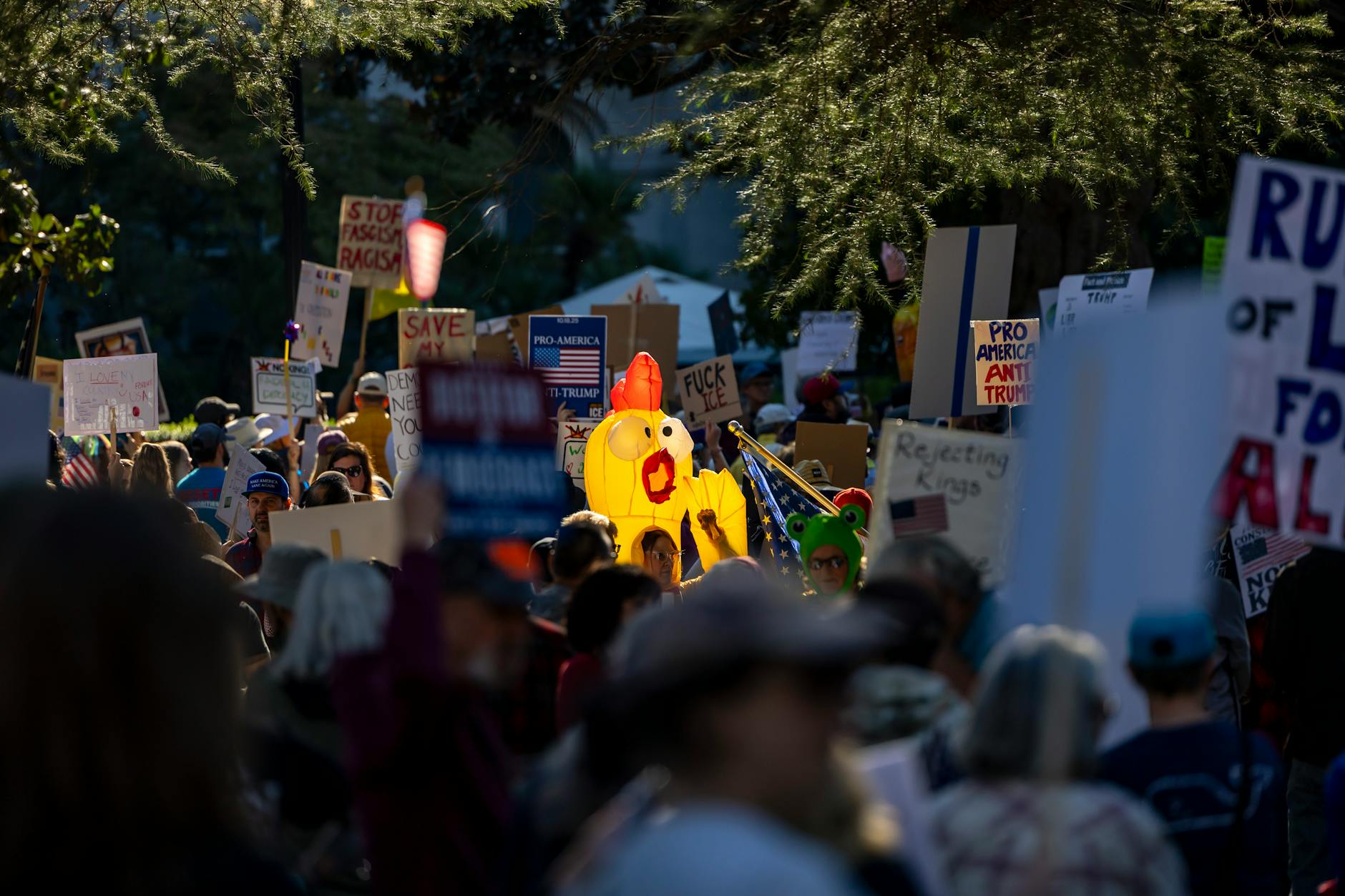
The 2020 election taught Trump’s strategists that the 2024 victory required holding both a partisan base and a narrower slice of swing voters in Arizona, Georgia, and Pennsylvania. Those swing voters—college-educated, suburban, moderately conservative on economics but skeptical of military adventurism—would face a clear choice in responding to an Iran conflict: either support a foreign policy they oppose or vote differently. Historical precedent suggests roughly 20-30% of swing voters would leave Trump over a major war, particularly one that drives inflation. The comparison to Iraq is instructive: Bush lost the middle-class suburban support that had given him 2004 victory margins, and those voters didn’t return to Republicans until Trump emerged as an anti-interventionist alternative.
If Trump becomes the interventionist president, he loses the positioning that differentiated him from traditional Republican foreign policy. Additionally, swing voters trending toward Democrats have cited concerns about democracy, governance competence, and international credibility. A unilateral Iran conflict without clear congressional authorization or allied support could trigger concerns about executive overreach and international isolation. The tradeoff is clear: Trump gains short-term nationalist support from his base while losing the swing voters who could flip competitive House and Senate races in 2026 and 2028.
📨 Get Free Accountability Coverage Alerts
Free · No spam · Unsubscribe anytime
The Casualty Timeline and Support Collapse
Military analysts estimate a comprehensive conflict with Iran would require sustained operations for months, with serious risk of significant U.S. casualties. Unlike Afghanistan, where casualties stayed relatively low, an Iran conflict against advanced military forces would likely produce double-digit daily casualties and several hundred monthly at sustained intensity. First casualties typically arrive within 72 hours, and casualty trajectories shape public opinion more sharply than any other variable. The warning here is timing: Trump’s initial approval bump from military action would likely peak in week one, then decline steadily as casualty reports accumulate and strategy questions emerge. The average American has limited patience for “ongoing operations”—support for Iraq dropped 10-15 points monthly once casualties began accumulating.
If Trump enters office with 47% approval and gains a 10-15 point bump from a military strike, he would fall back to 45-50% within 60 days if casualties and costs mount as expected. By midterm election season, an unpopular war becomes a liability rather than an asset. Congress would also become a limiting factor. Unlike 2003, when broad bipartisan support existed for Iraq, an Iran conflict would face immediate opposition from both progressive Democrats and non-interventionist Republicans. Sustained opposition in Congress amplifies public criticism and creates political cover for opposition media and Democratic messaging. Trump’s relationship with Congress is weaker than Bush’s was, reducing his leverage to maintain unified Republican support.
The Inflation Wild Card
One specific risk dominates all others: the interaction between an Iran conflict and existing inflation concerns. While headline inflation has cooled from 2022-2023 peaks, underlying costs remain elevated, and energy prices remain the most volatile component. Oil prices have been range-bound in the $70-90 range, leaving significant room for a shock to spike prices suddenly.
A conflict-triggered oil shock arriving during a recession would be particularly devastating to Trump’s political position. Voters would connect rising gas prices directly to his military decision, making it impossible to blame the Biden administration or Federal Reserve. This combination—recession plus war-driven inflation—has historically been the most lethal to presidential approval ratings across parties.
The Coalition’s Future if War Support Fractures
Looking forward, the immediate aftermath of any Iran conflict would determine Trump’s political viability for 2026 and beyond. A quick, successful conflict with minimal casualties and clear strategic gains could stabilize support, though this scenario remains unlikely given Iran’s capabilities. A prolonged conflict with mounting casualties and unclear objectives would trigger the coalition fracturing outlined above, making midterm and future elections highly vulnerable.
The long-term calculation is whether Trump’s brand as an anti-interventionist alternative to traditional Republicans survives a major military action. If it doesn’t, he loses the positioning that attracted swing voters and non-traditional Republicans. The political cost might exceed any short-term rally effect, particularly if the war’s costs become visible to voters in the form of higher gas prices, military casualties, and congressional discord.
Conclusion
A war with Iran would likely destroy rather than strengthen Trump’s political support, despite initial approval bumps. The coalition that elected Trump in 2024 includes both nationalist hawks and anti-war voters; an extended conflict would fragment it by converting swing voters and independent-minded Republicans into opponents. Historical precedent from Iraq and Afghanistan shows that military action generates short-term approval spikes followed by sharp declines once economic costs and casualties accumulate—a timeline that would damage Trump’s core economic messaging and midterm prospects.
The critical vulnerability is Trump’s own positioning as an anti-war alternative to the traditional Republican establishment. If he becomes the president who starts a major Middle East conflict, he forfeits the positioning that differentiated him from predecessors and attracted non-traditional voters. Combined with the near-certain oil price spike that would feed inflation concerns, an Iran conflict represents an unforced error with severe coalition consequences.
You Might Also Like
- Would Jesus Vote Red, Blue, or Neither?
- Why Some Veterans Reject Trump Politics
- Why Republicans Fear Criticizing Trump