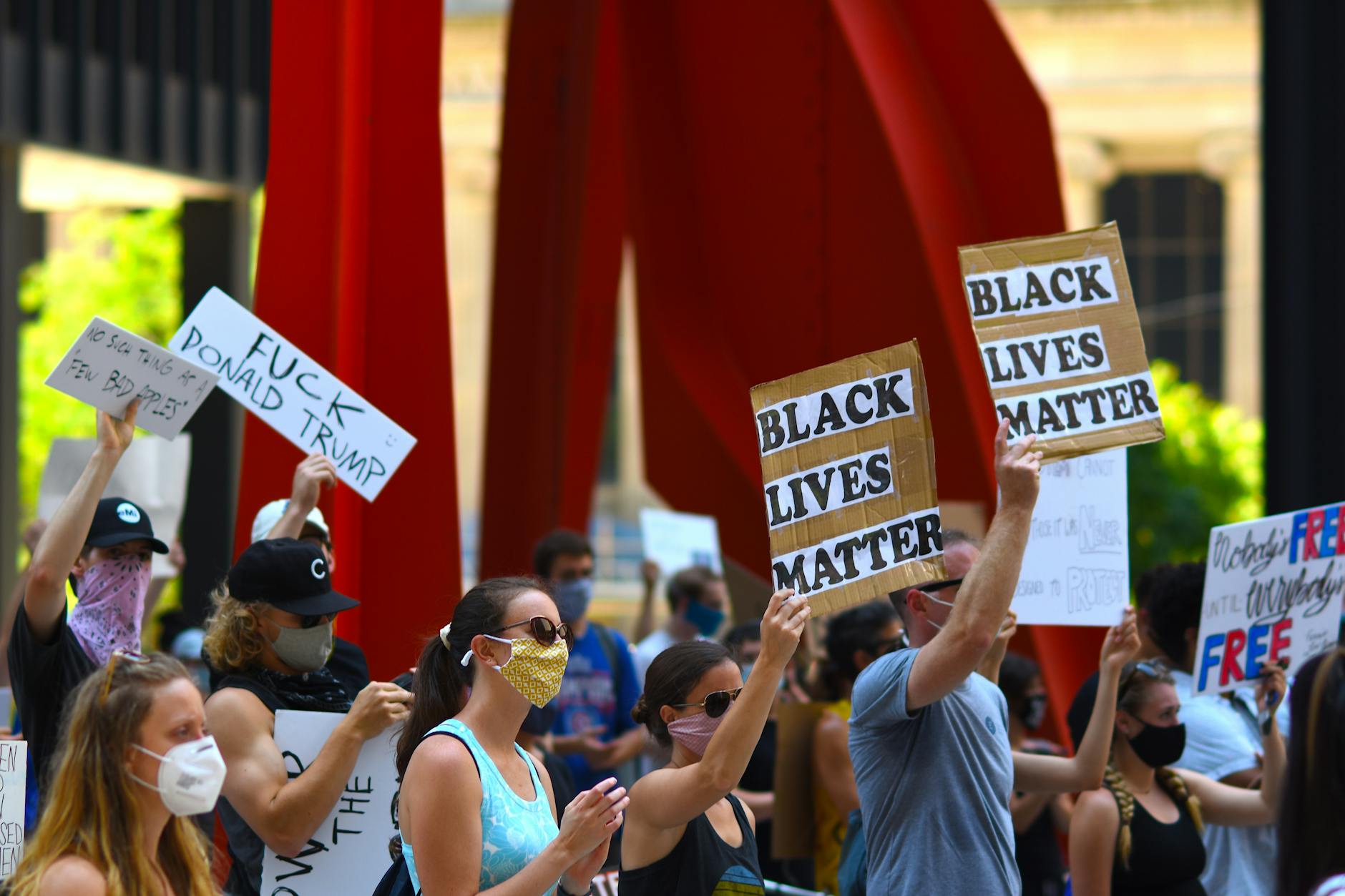
Some Christians argue that Donald Trump violated fundamental biblical values during his second term, citing a combination of personal conduct, policy decisions, and divisive rhetoric. This criticism emerged significantly in April 2026 following a series of controversies—most notably an AI-generated image Trump posted depicting himself as a Jesus-like figure in white and red robes, which 64% of Christians said “went too far” according to polling from the Angus Reid Institute. The criticism isn’t limited to progressive denominations but includes evangelical leaders who previously supported Trump, marking a notable theological and political reckoning within American Christianity.
The shift reflects measurable erosion in Trump’s support among his core Christian constituency. White evangelical approval dropped from 78% in January 2025 to 69% in January 2026, a 9-point decline. Among the same group, support for “all or most of his policies” fell from 66% to 58% year-over-year, according to tracking from NPR and the Christian Science Monitor. These numbers represent more than typical political fluctuation—they suggest genuine discomfort among religiously observant voters about the alignment between their faith commitments and Trump’s conduct as president.
Table of Contents
- What Biblical Values Are Christians Claiming Trump Violated?
- The Pattern of Controversial Statements and Actions
- Catholic Leadership and International Religious Criticism
- The Tension Between Policy and Character
- The Risk of Religious Authority Erosion
- Theological Disagreement Within Christianity
- What This Means for American Christianity and Politics
- Conclusion
What Biblical Values Are Christians Claiming Trump Violated?
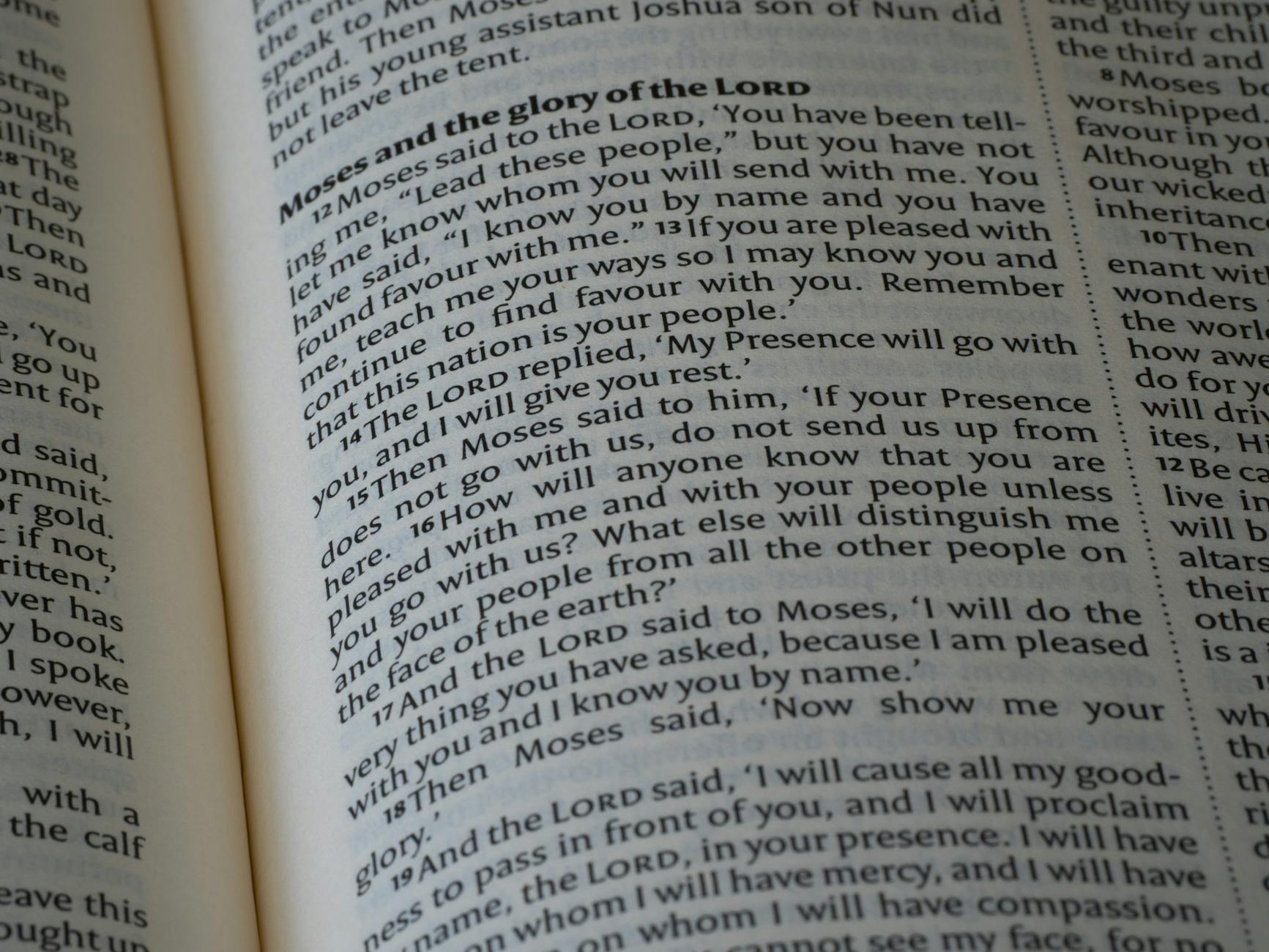
Christian critics point to specific teachings central to their faith traditions. The concept of humility appears repeatedly in Christian scripture—Jesus washed his disciples’ feet as an act of service, and biblical texts repeatedly warn against pride and self-aggrandizement. When Trump posted the AI image depicting himself as a Christ-like figure, religious scholars and clergy characterized it as blasphemy and a violation of the Christian prohibition against idolatry.
André Gagné, Chair of Theological Studies at Concordia University, told the Christian Science Monitor that “there are things that Trump has been doing in his second term that are starting to really bother those evangelicals that supported him.” The criticism also centers on biblical teachings about compassion and mercy toward vulnerable populations. Episcopal Bishop Mariann Budde specifically asked Trump during his inaugural prayer service in January 2025 to show mercy to immigrants, refugees, and the LGBTQ community—populations the Bible emphasizes Christians should protect. Rather than engaging with her theological perspective, Trump subsequently called her the “so-called Bishop” and a “radical Left hard line Trump hater,” according to NPR reporting. This response troubled many Christians who saw it as violating the biblical principle of responding to criticism with grace rather than personal attack.
The Pattern of Controversial Statements and Actions
Beyond the AI image controversy, trump‘s communication style has generated repeated friction with Christian values. In april 2026, Trump posted a profanity-filled Easter message mocking Islam, according to reporting from Alternet.org. Easter represents the most significant Christian holiday, commemorating the resurrection of Jesus. Many Christians found the juxtaposition of profanity and religious mockery on Christendom’s holiest day to be particularly jarring. This wasn’t an isolated incident but part of a pattern: During his 2025 inauguration, Trump did not place his hand on the Bible during the oath, breaking a tradition maintained by virtually every U.S.
president in modern history. The consequences of these actions have been real, though sometimes quiet. Some evangelical leaders who campaigned vigorously for Trump in 2024 have become noticeably more cautious in 2026. Rod Dreher, a conservative author and social critic, suggested in April 2026 that Trump is “radiating the spirit of Antichrist” following recent controversies. While Dreher’s assessment is provocative and not representative of mainstream Christian opinion, it reflects the depth of concern among some theologically conservative Trump supporters. These concerns exist despite Trump’s policies on abortion restrictions and judicial appointments, which have historically motivated evangelical support.
Catholic Leadership and International Religious Criticism
The criticism extends beyond Protestant evangelicalism into the Catholic hierarchy. Pope Leo publicly criticized Trump in April 2026 for threatening that “a whole civilization will die tonight” if Iran didn’t reopen the Strait of Hormuz, calling such language “unacceptable,” according to reporting from WTTW Chicago News. The Pope’s intervention represents a significant moment—Catholic leadership traditionally exercises restraint in directly criticizing sitting U.S. presidents.
That Pope Leo felt compelled to speak suggests he viewed Trump’s rhetoric as crossing a theological line regarding the sanctity of human life and the ethics of military threats. This international religious criticism matters because it highlights how Trump’s conduct is being evaluated not just by American evangelicals but by global Christian leadership. The Pope’s critique specifically invoked ethical concerns about threatening violence and mass death, central themes in Catholic social teaching about the just war doctrine. When Pope Leo called Trump’s threat “unacceptable,” he was deploying the language of moral theology, not partisan politics. This distinction is important for understanding why some Christians feel Trump’s actions represent a failure to embody Christian ethics, regardless of his policy positions on other issues.

The Tension Between Policy and Character
One of the most difficult aspects of this debate for evangelical Trump supporters involves the tension between policy outcomes and personal character. Trump appointed three Supreme Court justices who voted to overturn Roe v. Wade, a goal evangelicals had pursued for decades. His administration has pursued policies that appeal to social conservative voters on issues ranging from religious freedom to education curriculum control.
Yet Christian theology has long emphasized that means matter as much as ends—that achieving good policy through deceptive, profane, or prideful methods itself constitutes a moral failure. The historical comparison is instructive: In the 1980s, some evangelicals supported Ronald Reagan despite concerns about his personal conduct, justifying their support based on his anti-communist foreign policy and pro-life stance. Yet even Reagan advisors later expressed discomfort with certain conduct, and the question of whether character matters in leadership has remained contested within Christianity ever since. The current polling data suggests many Christians are reconsidering this calculus. When support for Trump’s policies dropped 8 points among evangelicals year-over-year, while broader disapproval of his conduct surged to 64%, it indicates voters are weighing character more heavily than they did in January 2025.
📨 Get Free Accountability Coverage Alerts
Free · No spam · Unsubscribe anytime
The Risk of Religious Authority Erosion
Critics worry that Trump’s actions and rhetoric risk damaging the credibility of Christianity itself in American public life. When a politician who claims Christian faith posts AI images of himself as Christ-like, or issues profanity-laden statements on Easter, it creates what Christian ethicists call a “scandal”—not in the gossip sense, but in the theological sense of a stumbling block to faith. The concern is not merely that Trump behaves badly, but that such behavior by a prominent Republican may discourage non-Christians from taking Christian moral claims seriously.
This represents a particular vulnerability for evangelicals, many of whom have tied their institutional interests closely to Republican politics. If Trump’s conduct makes evangelical Christianity appear hypocritical or tribal rather than principled, it could affect evangelical churches’ ability to evangelize and maintain membership among younger generations who are already leaving churches at higher rates. The polling data showing declining evangelical support for Trump suggests some voters have already internalized these concerns. When 31% of evangelicals withdraw support from “all or most” of Trump’s policies compared to 2025, that’s a signal that cultural and religious concerns, not just policy disputes, are driving the shift.
Theological Disagreement Within Christianity
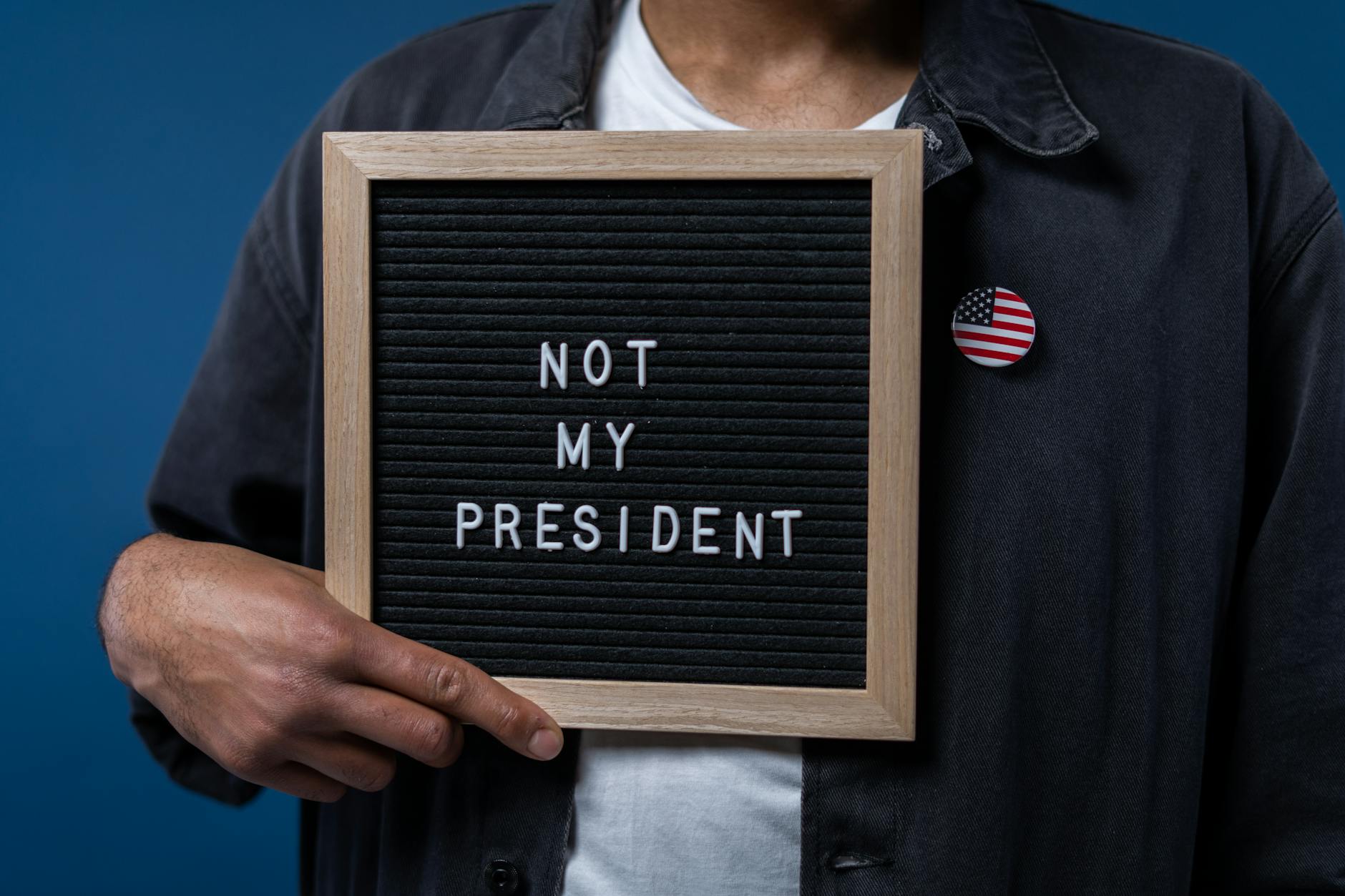
It’s important to note that not all Christians interpret Trump’s actions as biblical violations. Some conservative Christians and theologians argue that Trump’s policies—particularly on abortion and judicial appointments—demonstrate his commitment to Christian values in practice, even if his personal demeanor is coarse. They contend that Jesus associated with morally flawed people and that judging a leader solely on personal character ignores the substantive policy outcomes that affect millions of lives.
This perspective remains genuinely held among Trump’s continued supporters. However, the polling data from April 2026 indicates this view has become less dominant among Trump’s core constituencies. The 64% figure—Christians saying the AI Jesus image went too far—represents a supermajority, including many who presumably support Trump’s policies. This suggests the debate isn’t primarily between Trump supporters and opponents, but between different groups of Trump supporters who are reassessing the cost-benefit analysis of their political alignment.
What This Means for American Christianity and Politics
The controversies of April 2026 may represent an inflection point in how American Christianity engages with partisan politics. For decades, evangelical voters have prioritized alignment with the Republican Party on specific issues, particularly abortion. But the recent polling and the nature of Christian criticism suggest this transactional approach is showing strain. When religious leaders invoke theological concepts like blasphemy, idolatry, and scandal, they’re signaling that the relationship between Christianity and Trumpism has moved from a pragmatic political alliance to a genuine spiritual concern.
Looking forward, the question is whether this represents a temporary correction or a more durable recalibration. If the pattern of controversial statements continues, evangelical support could erode further. Alternatively, if Trump moderates his personal conduct and focuses primarily on policy delivery, some of the lost support may return. What seems unlikely is a return to the unquestioning evangelical embrace of Trump that characterized 2016-2020. The theological critiques being raised—about humility, mercy, compassion, and the proper use of power—are rooted in foundational Christian teachings that aren’t going away, regardless of political cycles.
Conclusion
Christian criticism of Trump’s alignment with biblical values represents a substantive theological critique, not merely partisan disagreement. The documented controversies—the AI-generated Jesus image, profanity-laced Easter message, failure to place his hand on the Bible at inauguration, and threats of mass violence—have prompted polling data showing significant erosion in evangelical support. When 64% of Christians say the Jesus image went too far and support for Trump’s policies drops 8 points year-over-year among evangelicals, it indicates this criticism resonates beyond fringe religious figures.
For Americans following this debate, the key takeaway is that these criticisms are coming from Trump’s own religious constituents, not primarily from secular opponents or progressive churches. When Pope Leo, evangelical leaders, and Episcopal bishops publicly critique Trump’s conduct as violating Christian ethics, they’re staking a claim about what Christianity means and what it demands of its adherents. Whether voters prioritize policy outcomes or character, and whether this criticism produces lasting changes in Christian political engagement, will be significant questions shaping American religion and politics in coming years.
You Might Also Like
- Trump Promises to Require work for Medicaid. Here’s the waiver process
- Trump Promises to Lower airline fares by deregulation. Here’s what airlines already control
- Trump Promises to Cut the capital gains tax to zero. Here’s who benefits most