Border politics persists because it sits at the intersection of legitimate governance concerns, partisan advantage, and deeply rooted cultural anxieties that transcend any single policy outcome. Whether a wall is built, migration numbers drop, or enforcement changes, the underlying political salience of the border issue remains unchanged—making it a permanent fixture in American politics rather than a problem to be solved and retired.
The issue resurfaces across administrations because border policy simultaneously touches three politically durable domains: national security (where threat perception often outpaces threat reality), federal spending (a perennial budget flashpoint), and cultural identity (how Americans define community membership and belonging). When the Trump administration prioritized the border as a signature policy in 2017, it didn’t invent this dynamic—it inherited and amplified a conflict that has animated U.S. politics since at least the 1980s, through the Clinton era, post-9/11 expansions, the Obama years, and beyond.
Table of Contents
- Why Border Politics Remains a Permanent Political Asset
- The Economic and Labor Market Realities That Keep Border Politics Alive
- How Migrant Behavior Responds to Conditions Beyond U.S. Policy
- The Media and Polling Dynamics That Amplify Border Politics
- Court Challenges and Legal Constraints That Perpetuate Policy Cycling
- The Electoral Geography of Border Politics
- The Future of Border Politics in Demographic and Climate Context
- Conclusion
Why Border Politics Remains a Permanent Political Asset
The border stays controversial because it delivers measurable but incomplete policy outcomes. The Trump administration built sections of border wall, increased deportations, and implemented restrictive asylum policies. Yet after each action, a gap remained between the policy goal and the political promise—immigration continued, enforcement faced court challenges, and unauthorized border crossings fluctuated based on labor demand and geopolitical conditions in Central america rather than U.S. policy alone. This gap between promised solutions and actual delivery creates space for new political campaigns.
Border politics also persists because different constituencies mobilize around competing visions of what “security” or “sovereignty” means. For some voters, reducing migrant encounters at the border is the measure of success. For others, protecting asylum access or family separation concerns drives urgency. No single policy position satisfies both camps, ensuring that the issue remains contested across election cycles and administrations. The Trump administration’s zero-tolerance family separation policy, for instance, generated intense opposition that reshaped political rhetoric for years—yet immigration enforcement itself remained a centerpiece of policy debate, just with different framing.
The Economic and Labor Market Realities That Keep Border Politics Alive
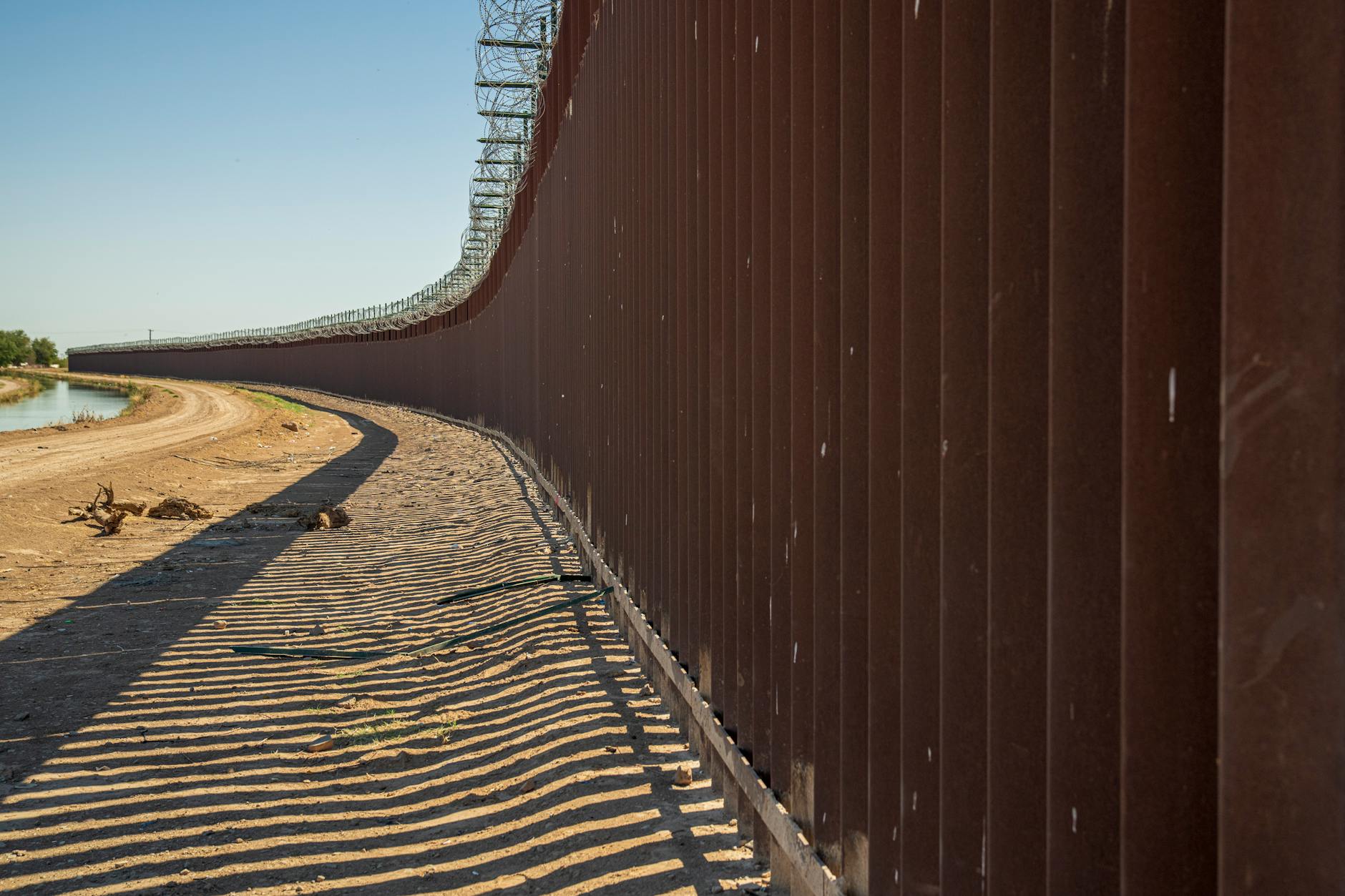
Border politics survives partly because U.S. labor markets and agricultural systems depend on migrant workers, even as political rhetoric treats migration as primarily a security threat. American agriculture, meat processing, hospitality, and construction sectors rely on unauthorized and documented immigrant labor.
Yet admitting this dependency conflicts with populist messaging about “sealing the border”—creating a permanent tension between economic interests and political positioning. This contradiction surfaced visibly during the Trump administration when agricultural states that supported stricter immigration policies simultaneously lobbied for H-2A visa expansions to maintain farm labor. The administration faced pressure from agribusiness donors who wanted restrictions on migrant workers in theory but needed them in practice. This structural mismatch between labor market reality and political promise means border politics can never truly reach closure; solutions will always feel partial, leaving room for new grievances and campaigns.
How Migrant Behavior Responds to Conditions Beyond U.S. Policy
Border crossing patterns are driven substantially by conditions in Central America and Mexico—poverty, gang violence, crop failures, and political instability—rather than U.S. policy alone. During the Trump administration, asylum claims actually increased in 2018-2019, despite its zero-tolerance approach, because gang violence in Central America peaked. This disconnect between U.S. enforcement efforts and migrant flows creates political frustration: when border apprehensions rise despite stricter policies, it fuels criticism from all sides and spawns new policy proposals.
The political sustainability of border issues partly reflects this external driver problem. A U.S. administration can control visa categories and enforcement posture, but it cannot control whether Honduras or Guatemala experiences political instability or economic collapse. When border pressure rises for reasons outside U.S. control, politicians attribute it to previous administrations’ “weakness,” creating a perpetual blame cycle and justifying new restrictions or wall construction. This ensures the border remains a renewable source of political controversy.

The Media and Polling Dynamics That Amplify Border Politics
Border security consistently ranks among the top voter concerns in polling, even during periods when border crossings numerically decline. This gap between perceived border “crisis” and actual crossing statistics reflects how political messaging shapes public attention. The Trump administration understood this dynamic and elevated border rhetoric to a central campaign theme, which in turn elevated its salience in voter consciousness and media coverage.
Media coverage of the border tends to emphasize crisis narratives over policy nuance—viral footage of migrant caravans or detention centers generates coverage that political actors on both sides weaponize. This creates a feedback loop: political messaging drives media attention, which drives public concern, which justifies new policy initiatives, which generate new coverage. Unlike a technical policy question with a clear answer, border politics feeds on narrative and perception, making it permanently renewable. An administration could achieve measurable enforcement success and still face political pressure if the narrative frames it as insufficient.
📨 Get Free Accountability Coverage Alerts
Free · No spam · Unsubscribe anytime
Court Challenges and Legal Constraints That Perpetuate Policy Cycling
The Trump administration’s border policies faced sustained legal challenges—the travel ban, family separation, asylum restrictions, and wall funding all reached federal courts. These legal defeats and delays created political openings: when courts blocked policies, it allowed both supporters and opponents to claim vindication (supporters could blame “activist judges,” opponents could claim the policies were unconstitutional), and it necessitated policy cycling and new justifications. This legal instability is a built-in feature of American immigration law, which remains under-defined in many areas.
Asylum standards, detention limits, and presidential authority over immigration all exist in contested constitutional territory. As a result, any aggressive border policy will likely generate litigation, which will delay implementation, create opportunities for administrative appeals, and eventually require Congressional action to cement or reverse the policy. Each cycle gives political opponents new platforms to contest the direction, ensuring the border remains a perpetually unsettled political question.
The Electoral Geography of Border Politics
Border states and districts have disproportionate political weight in presidential campaigns and Senate races. Arizona, Nevada, and Texas—all states with significant border exposure—are swing or closely contested states where border messaging drives turnout and persuasion. The Trump campaign’s focus on border rhetoric partly reflected this electoral calculus: messaging to Arizona and Texas voters about border strength was also national messaging to rural and exurban voters elsewhere who perceive the border as a proxy for cultural change and federal competence.
This electoral concentration means border politics will remain a campaign centerpiece as long as these states remain competitive. A winning coalition in presidential politics often requires support in these regions, making border rhetoric a durable feature of campaigns regardless of actual enforcement outcomes or policy effectiveness. The issue will resurface in 2028 campaigns for this reason alone.
The Future of Border Politics in Demographic and Climate Context
Border politics is likely to intensify in coming decades as climate change, resource scarcity, and instability in Central America accelerate. Drought cycles in northern Mexico and Central America already contribute to migration pressures; these conditions will likely worsen. Meanwhile, U.S.
demographic change (declining birth rates, aging population, labor shortages) creates economic pressure for migration that will conflict with restrictive political messaging. This suggests border politics will remain contested not because of policy failure but because the underlying conditions creating pressure will grow more acute. The Trump administration’s focus on barrier-building and enforcement reflects a particular policy response to these pressures, but future administrations may face pressure to reassess whether enforcement-heavy approaches are adequate as underlying migration pressures grow. Border politics will likely shift as these realities become more pressing, but the issue itself will remain central to American politics.
Conclusion
Border politics never goes away because it addresses legitimate governance concerns (security, sovereignty, legal immigration processes) that overlap with deeply rooted partisan divides, electoral incentives, and unresolved questions about American identity and belonging. No policy outcome—whether more walls, fewer deportations, or stricter asylum rules—resolves the underlying tensions, because those tensions are partly about cultural change and identity rather than security metrics alone.
For citizens and voters, the takeaway is that border politics will remain a central issue across administrations and elections. Understanding this durability means recognizing that campaign promises about “solving” the border often underestimate the structural complexity of migration, international conditions, labor market realities, and legal constraints. Evaluating border policy claims requires looking beyond the political promises to the actual enforcement data, court outcomes, and conditions in origin countries—where the real drivers of border politics lie.
You Might Also Like
- Can Either Party Solve the Border Crisis?
- Why TikTok Politics Is Reshaping Elections
- Why Billionaire Politics Feels Bigger Than Ever