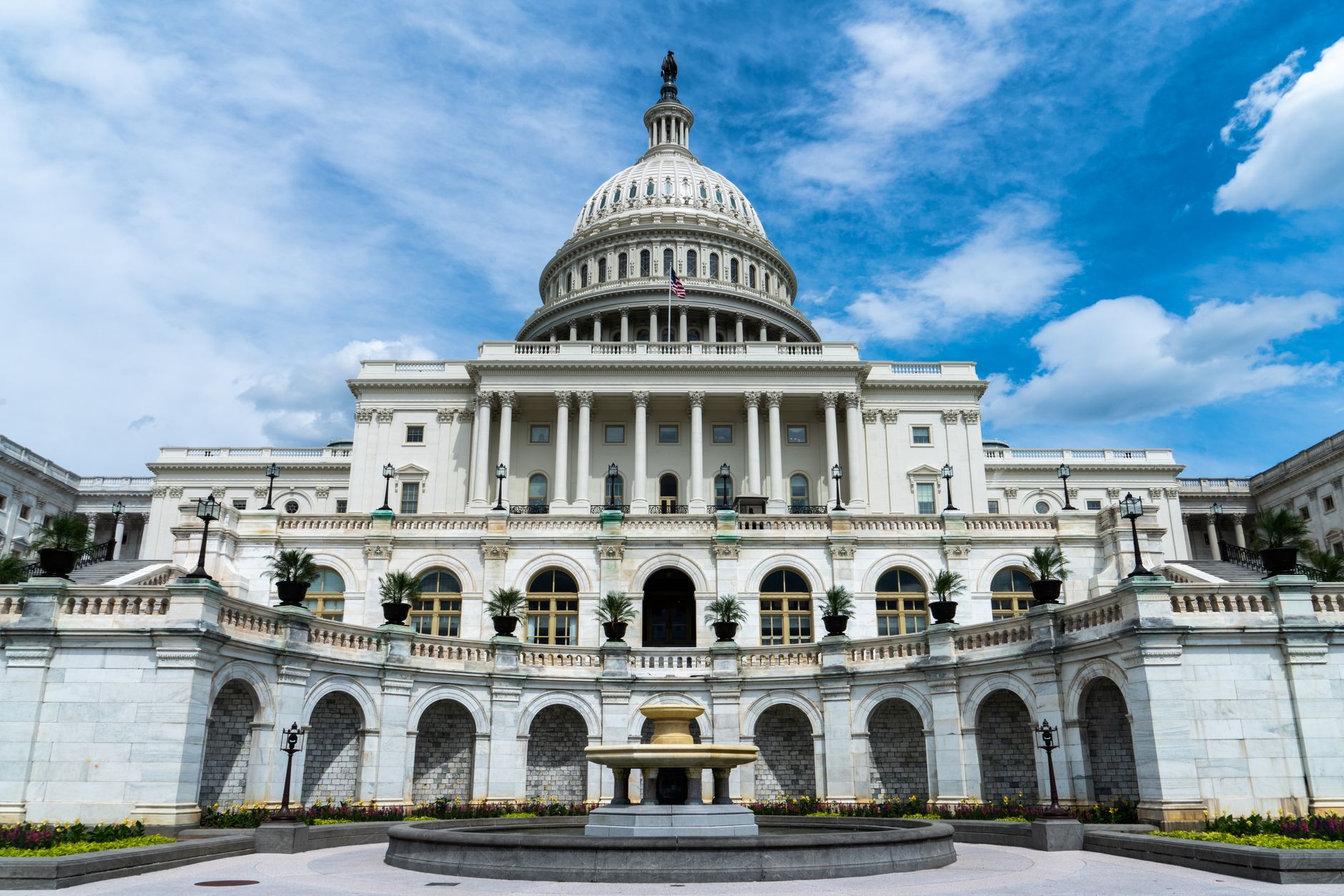
Congress can end the legal barrier by expressly authorizing and funding the ballroom, or it can enact approval and donation restrictions. Courts can halt unauthorized aboveground work, but as of August 20, 2026, that halt was not yet in effect and the Supreme Court could still pause it.
The D.C. Circuit affirmed a preliminary injunction—a temporary order issued before a final judgment—barring aboveground physical construction. The order still permits specified belowground security work and protective measures.
Table of Contents
- When does the construction halt begin?
- Why did the D.C. Circuit block the project?
- How can Congress change the result?
- What can the Supreme Court do now?
- How should readers evaluate new developments?
When does the construction halt begin?
The title is premature as of August 20. The D.C. Circuit stayed its August 7 decision for 14 days, delaying the injunction's effect. Unless the supreme court intervenes, the injunction is scheduled to take effect August 21.
The D.C. Circuit's August 7 opinion distinguishes prohibited aboveground construction from permitted belowground security work and protective measures. That distinction matters. A report that all work must stop would overstate the order, while a report that aboveground construction may continue after August 21 could become outdated if no further stay is granted.
Why did the D.C. Circuit block the project?
The court concluded that Congress, not the Executive, must decide whether the white House's physical design may be changed. It found no congressional delegation authorizing this proposed ballroom. The court relied on 40 U.S.C. § 8106, which requires express congressional authority to erect a building on federal grounds in Washington, D.C.
It also held that 3 U.S.C. § 105(d) does not authorize a wholly new ballroom. The ruling addresses legal authority, not whether a ballroom would be useful or desirable. The central question is who may approve such a change, and the court's preliminary answer is Congress.
📨 Get Free Accountability Coverage Alerts
Free · No spam · Unsubscribe anytime
How can Congress change the result?
congress can enact legislation expressly approving and funding the project. The court emphasized that its preliminary ruling does not necessarily prohibit a ballroom after Congress supplies the required authority. Congress could also establish a review process. The Senate's introduced No Palaces Act would require National Capital Planning Commission approval for White House improvements.
It would then give Congress 60 days to enact a joint resolution of disapproval. Separate House and Senate versions of the Stop Ballroom Bribery Act would restrict the acceptance or use of donations for covered White House construction. Neither version has been enacted, and the House bill was referred to three committees, according to its Congress.gov legislative record. An introduced bill is a proposal, not binding law. Readers should not treat either measure as an existing restriction unless Congress enacts it.
What can the Supreme Court do now?
The Solicitor General asked the Supreme Court to stay the injunction while the government seeks review. The filing argues that the project includes an integrated security complex. That description is the government's litigation position, not a judicial finding.
The Solicitor General's August 13 application also does not itself suspend the injunction. The immediate practical issue is whether the Supreme Court intervenes before the D.C. Circuit's stay expires. Even without intervention, the injunction remains preliminary rather than a final ruling on the merits.
How should readers evaluate new developments?
Ballroom coverage may blur distinct procedural events. Use these checks when assessing an announcement or headline: As of August 20, the decisive near-term fact is the August 21 effective date: the aboveground halt begins then unless the Supreme Court intervenes.
- Confirm whether an order has been issued, stayed, or allowed to take effect.
- Check whether the action concerns aboveground construction or permitted belowground security work.
- Distinguish an introduced congressional bill from enacted legislation.
- Treat claims in a court filing as arguments unless a court adopts them.
- Look for express congressional authorization, because that is the authority the D.C. Circuit found missing.
You Might Also Like
- What Congress and the Courts Can Do About Trump Qatar Jet Security Retrofit
- What Congress and the Courts Can Do About Trump Political-Loyalty Tests for Federal Prosecutors
- What Congress and the Courts Can Do About Trump Kennedy Center Preservation Lawsuit