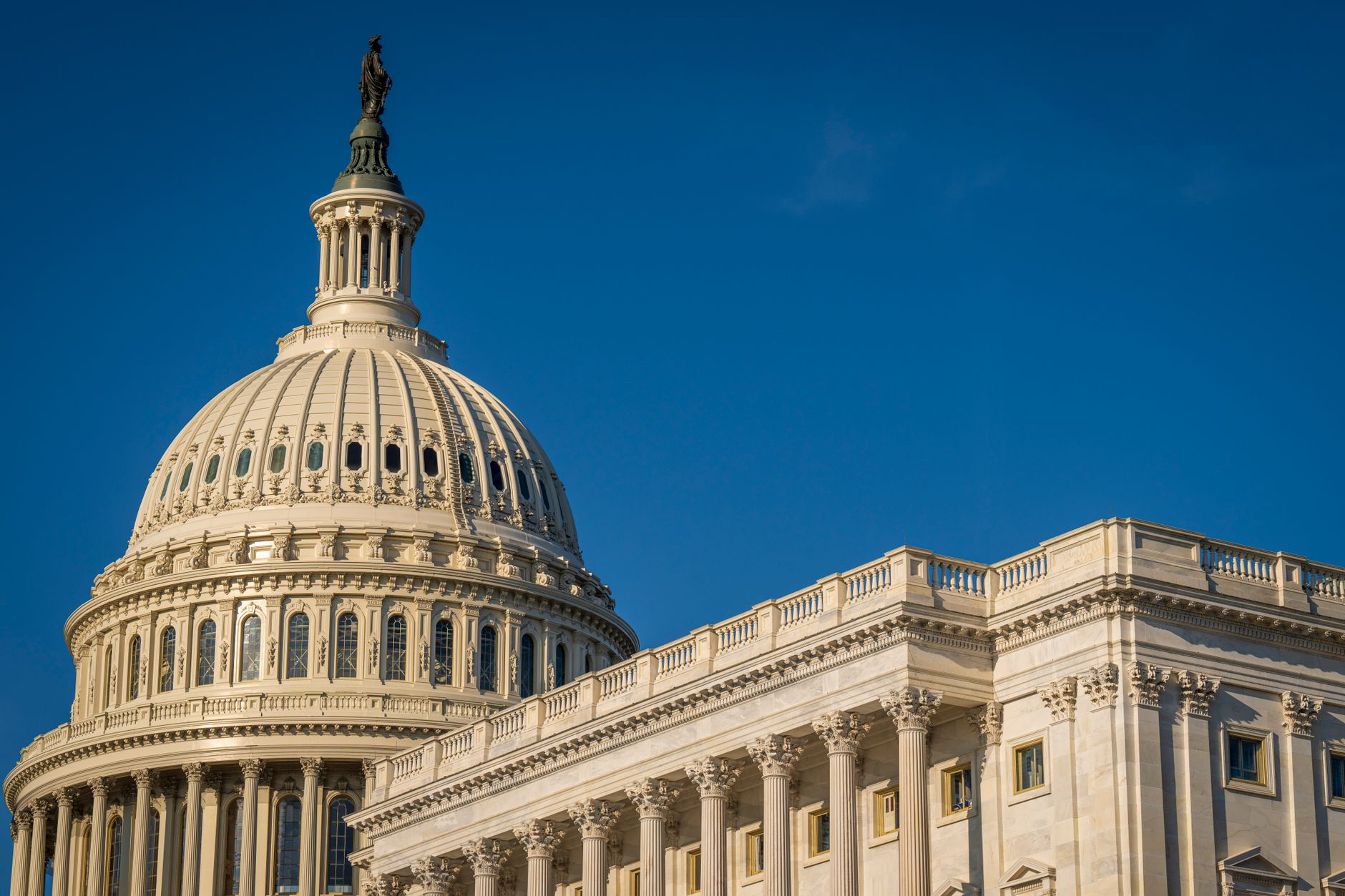
Congress can preserve the Kennedy Center's statutory name through legislation, while federal courts can block trustees from renaming or closing it without lawful authority. Courts cannot automatically stop every renovation, especially when preservation-review requirements have not yet been triggered.
The Kennedy Center is both a performing-arts institution and a living memorial to President John F. Kennedy. Two related federal cases challenge its Trump-era renaming and a proposed multiyear renovation closure.
Official resources:
- Read the official notice from Uscourts — Use this primary source to verify the official announcement.
- Read the official guidance from House — Use this primary source to verify the official guidance.
Table of Contents
- Why Congress controls the name
- What the courts have already stopped
- Why the preservation challenge has limits
- How Congress can make the result durable
- What readers should watch next
Why Congress controls the name
Federal law designates the institution as the "John F. kennedy Center for the Performing Arts." That designation gives Congress—not the Center's trustees—the power to establish or change its formal name. The same law generally prohibits additional memorials and memorial-like plaques in the Center's public areas.
According to the U.S. Code published by the Office of the Law Revision Counsel, only narrow exceptions apply to certain gifts and contributions. This matters because Trump-name lettering is not merely branding. It raises the separate legal question of whether trustees created an unauthorized memorial or changed a congressionally established name.
What the courts have already stopped
On May 29, U.S. District Judge Christopher Cooper found that the board exceeded its statutory authority by renaming the Center and installing Trump's name. His court opinion concluded that only Congress can change the Center's name. Cooper also preliminarily blocked the board's decision to close the Center for years. He found that the March 16 vote likely violated the trustees' duty of prudence because it appeared ill-informed and predetermined.
That order does not prohibit ordinary repairs. It prevents the board from implementing the challenged closure decision while the litigation proceeds, unless a later ruling changes the result. The D.C. Circuit subsequently refused to pause the renaming remedy. It noted that Trump-name signs and website references had been removed by June 12 and that claimed fundraising harm lacked specific evidentiary support.
📨 Get Free Accountability Coverage Alerts
Free · No spam · Unsubscribe anytime
Why the preservation challenge has limits
The preservation groups did not win their request for an early order stopping the renovation project. Cooper found that the project, as then described, likely did not require review under Section 106 of the National Historic Preservation Act or approval from the National Capital Planning Commission. Section 106 is a process for examining effects on historic properties. It does not impose a blanket ban on construction, and it applies only when its legal triggers are present.
That analysis could change if later plans require relevant permits, approvals, or other covered federal action. Preservation groups would then need to connect specific project details to a legal review requirement; general concern about major renovations is not enough. The rulings therefore separate two issues. The board likely lacked authority for the renaming and closure vote, but the preservation coalition had not yet established that the proposed construction independently required federal historic-preservation review.
How Congress can make the result durable
A court order resolves the legal dispute before it, but Congress can write clearer and more lasting restrictions into federal law. H.R. 6925 offers one model. The bill would: The proposal has not become law.
According to its Congress.gov status page, H.R. 6925 remained introduced and in a House subcommittee after its February 2 update. Until Congress acts, the existing statute and court orders provide the main constraints. New legislation could eliminate ambiguity, but it would still need to complete the ordinary legislative process.
- Void the board's December 2025 renaming action.
- Require removal of non-Kennedy name signage.
- Prohibit the board from renaming the Center.
- Require a report on spending connected to the renaming.
What readers should watch next
These cases are government-accountability lawsuits, not class actions. There is no settlement claim form, consumer refund, or automatic payment for Kennedy Center patrons.
Readers following the dispute should distinguish among three developments: The conflict remains active. The Associated Press reported on August 18 that the Center agreed not to restore Trump's name to the façade before at least September 8, after its board backed wording crediting Trump and pursued a two-year renovation closure.
- A new board vote on naming or closure.
- Detailed renovation plans that may trigger additional review.
- A congressional vote advancing or rejecting H.R. 6925.
You Might Also Like
- What Congress and the Courts Can Do About Trump Epstein Records Redaction Standards
- What Congress and the Courts Can Do About Trump Qatar Jet Security Retrofit
- What Congress and the Courts Can Do About Trump Political-Loyalty Tests for Federal Prosecutors