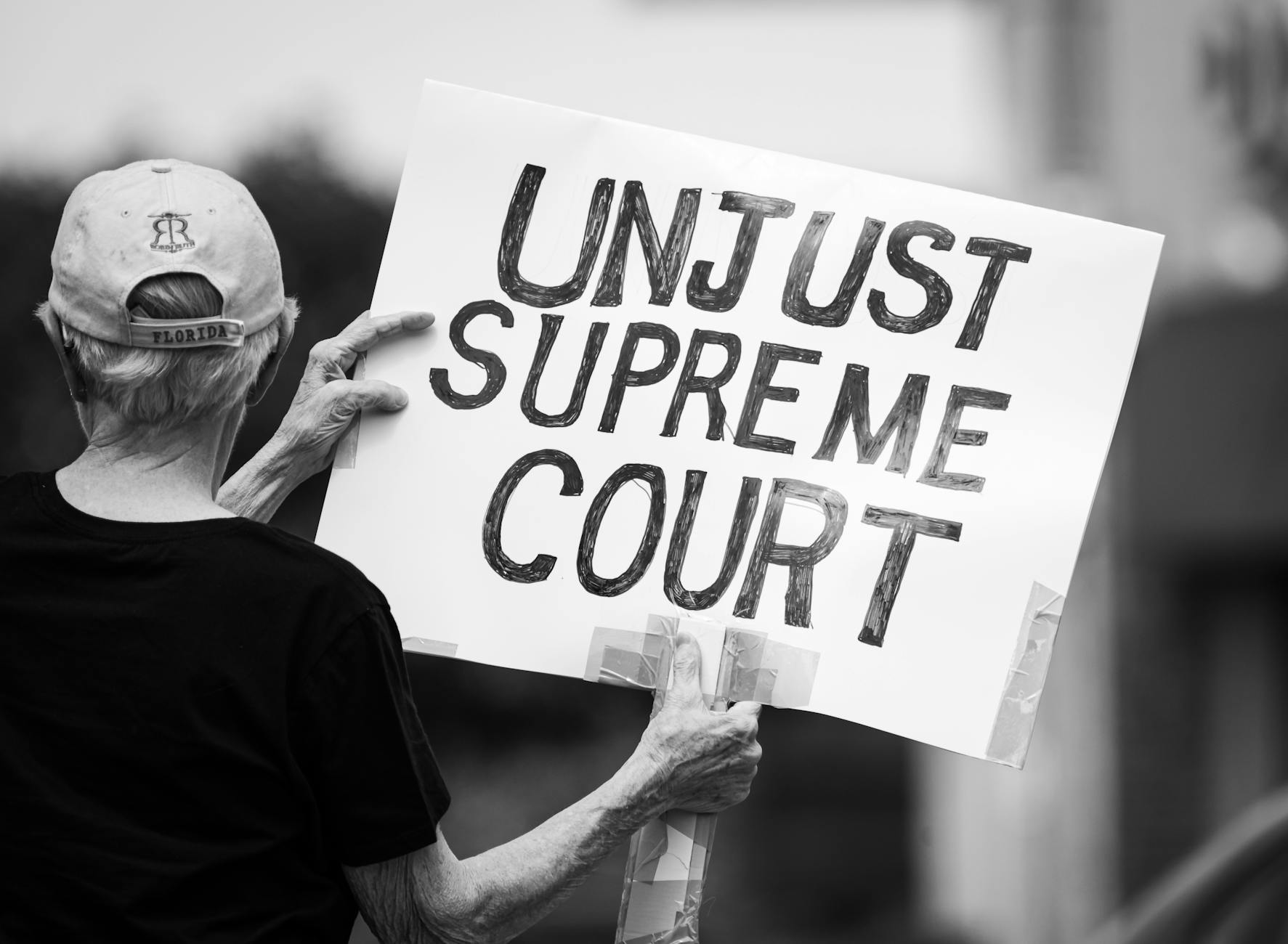
The Trump administration terminated more than 1,800 existing National Institutes of Health grants between February and June 2025. Courts have limited parts of that effort, but grant reinstatement, payment, jurisdiction, and the government's future termination authority remain unsettled. A grant termination ends an already-awarded project before its planned completion. The dispute affects researchers and institutions directly, while also raising broader questions about executive control over congressionally appropriated research funds.
Table of Contents
- What happened to NIH funding?
- Did the funding actions violate federal law?
- What has the Supreme Court decided?
- Why jurisdiction and viewpoint discrimination matter
- Can agencies apply new priorities to old and new grants?
What happened to NIH funding?
The terminations targeted previously awarded biomedical research. The official record identifies administration directives concerning equity-related research, "gender ideology," and diversity, equity, and inclusion as triggers. At the same time, NIH paused notices for meetings that review new applications.
The Government Accountability Office reported that NIH obligated $8 billion less from February through June 2025 than during the same period in 2024. These were two related disruptions: active projects lost funding, while delayed review meetings interrupted the pipeline for new awards. The effects therefore extended beyond the grants formally terminated.
Did the funding actions violate federal law?
GAO concluded that HHS and NIH violated the Impoundment Control Act. That law governs when an administration may withhold money congress has appropriated and requires a specific process for doing so. GAO's finding addressed how NIH withheld the funds.
It did not decide whether the administration's underlying research priorities were lawful or advisable. That distinction matters. A funding freeze can violate budget law even if an administration may otherwise change policy prospectively. Conversely, compliance with budget procedures would not automatically resolve constitutional, administrative-law, or grant-contract disputes.
What has the Supreme Court decided?
On August 21, 2025, the Supreme Court stayed the Massachusetts district court's order vacating individual grant terminations. In practical terms, it paused that part of the lower court's remedy while the dispute continued. The Court did not stay the order vacating the challenged policy directives, according to the Supreme Court docket.
📨 Get Free Accountability Coverage Alerts
Free · No spam · Unsubscribe anytime
The result separated the legality of general directives from the remedy available for particular awards. The Supreme Court's action was not a final ruling that every termination was lawful. It left unresolved whether researchers seeking grant payments or reinstatement must bring those claims in the Court of federal Claims instead of a federal district court.
Why jurisdiction and viewpoint discrimination matter
The Court of Federal Claims generally handles certain monetary claims against the federal government. The jurisdiction dispute asks whether a lawsuit framed under the Administrative Procedure Act is effectively enforcing the government's payment obligations under a grant. In May 2026, the Ninth Circuit applied that distinction in Thakur v. Trump.
It preserved preliminary protection for the University of California "DEI Termination Class" based on likely First Amendment viewpoint discrimination, but reversed protection for a broader form-letter class because of the jurisdictional barrier. The Ninth Circuit's ruling shows why similarly terminated grantees may receive different treatment. A constitutional challenge to viewpoint discrimination may proceed differently from a claim whose practical goal is reinstatement or payment. Class membership also should not be assumed from receiving a termination letter. The relevant class definition, institution, stated termination basis, requested relief, and procedural posture can all matter.
Can agencies apply new priorities to old and new grants?
A Massachusetts federal judge ruled on July 17, 2026 that the existing federal termination clause does not authorize agencies to end awards based on program goals or priorities adopted after the award. Other claims in that case remain pending, so the ruling did not close every issue. NIH has also changed the language used going forward.
Awards issued on or after October 1, 2025 state that NIH may terminate them when they no longer advance program goals or agency priorities. The NIH notice limits that prospective language to authority permitted by law and applicable court orders. That qualification leaves courts to determine when statutes, constitutional protections, grant terms, or prior orders restrict termination. For an affected institution or researcher, the most useful first review is document-specific:.
- Confirm the award date and the termination date.
- Preserve the award terms, amendments, notices, and stated termination reason.
- Identify whether the requested remedy is future protection, reinstatement, or payment.
- Determine whether the challenge alleges viewpoint discrimination, improper procedure, breach of grant obligations, or several theories.
- Obtain advice on the proper court before filing, because choosing the wrong forum can defeat relief without resolving the termination's merits.
You Might Also Like
- Trump White House Ballroom Congressional Approval Dispute: The Latest Facts and Unanswered Legal Questions
- Trump Qatar Jet Congressional Consent: Arguments From Supporters, Critics, and Legal Experts
- Trump January 6 Pardons and Forfeited Property: Arguments From Supporters, Critics, and Legal Experts