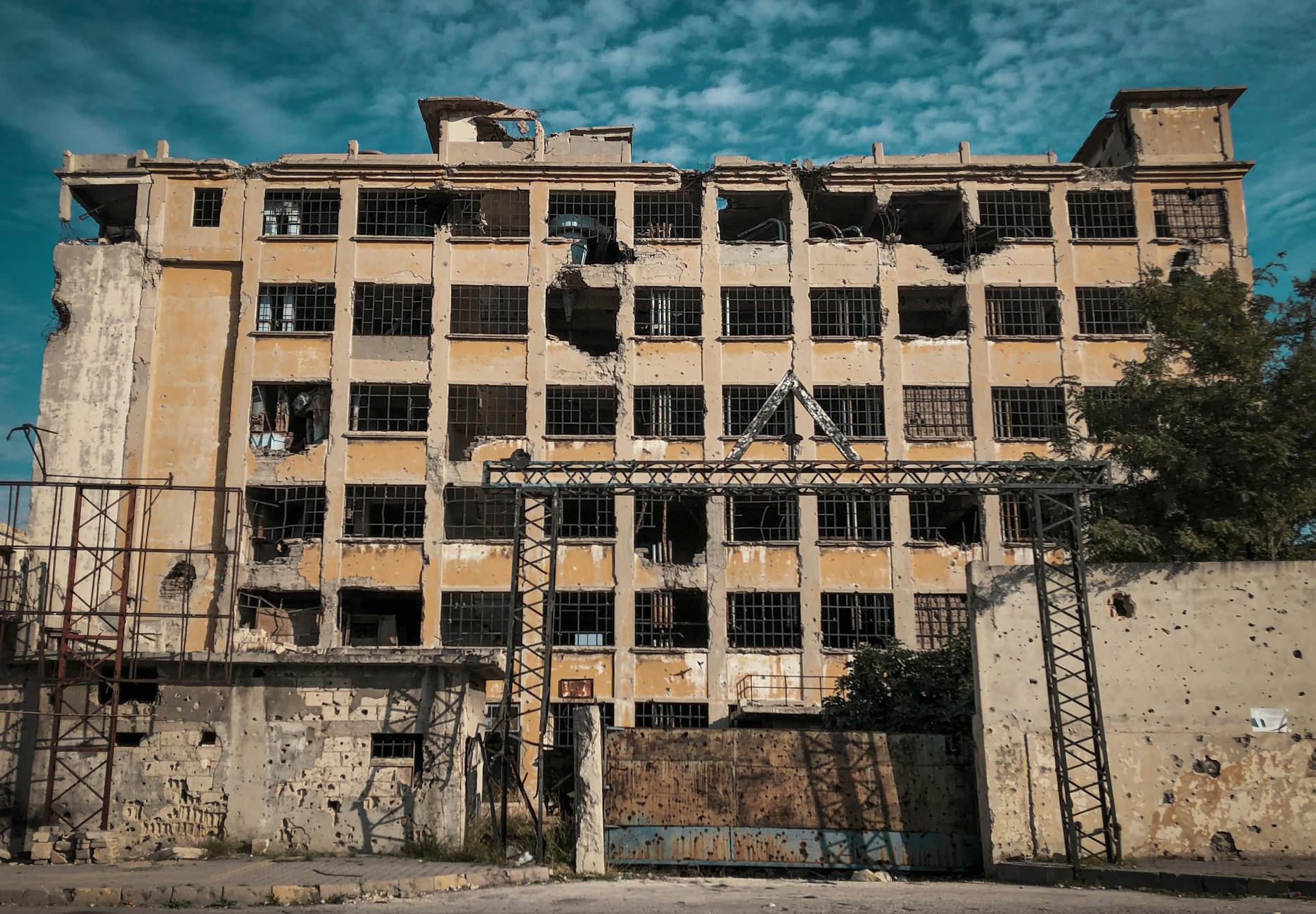
The Iran war has already changed the Middle East forever. Three days into the US-Israeli joint strikes that killed Supreme Leader Ayatollah Ali Khamenei and decimated Iran’s senior leadership, the region is unrecognizable from what it was last week. The Strait of Hormuz has effectively closed for the first time in modern history, cutting off roughly 20 percent of global oil supply. Iran has retaliated with missiles and drones against not just Israel but Gulf states hosting US bases, including the UAE, Qatar, Kuwait, and Saudi Arabia.
At least 555 Iranians are dead, six US service members have been killed, and the conflict is widening by the hour. The only real question now is whether this becomes a contained military operation or a generational catastrophe. This article examines how the conflict unfolded, what the immediate humanitarian and economic costs look like, how Iranian retaliation has already drawn in countries that wanted no part of this fight, what the oil market disruption means for ordinary Americans and global consumers, and whether there is any realistic path to de-escalation. The facts here are drawn from verified reporting by CNN, Al Jazeera, NPR, CNBC, and other outlets covering the conflict in real time.
Table of Contents
- How Did the Iran War Begin, and Why Does It Matter That Khamenei Was Killed?
- The Human Cost Is Already Staggering, and the Numbers Will Get Worse
- Iranian Retaliation Has Already Crossed Lines Nobody Expected
- What the Strait of Hormuz Closure Means for Oil Prices and Your Wallet
- Trump Says Four Weeks. History Says Otherwise.
- The Gulf States Did Not Sign Up for This War
- Where This Goes From Here
- Conclusion
- Frequently Asked Questions
How Did the Iran War Begin, and Why Does It Matter That Khamenei Was Killed?
On February 28, 2026, the United States and Israel launched coordinated joint strikes against Iran. The US Department of Defense codenamed the operation Epic Fury, while Israel called it Operation Roaring Lion. The strikes were devastating in their precision and their political consequences. Among the dead was Supreme Leader Ayatollah Ali Khamenei, the figure who had controlled Iran’s political, military, and religious apparatus for over three decades. Top security officials were also killed. By March 1, a temporary leadership council comprising President Masoud Pezeshkian, the judiciary head, and a Guardians Council member had assumed power, but the chain of command in Tehran is fractured in ways that have no modern precedent.
this matters because Iran’s entire governance structure was built around the Supreme Leader as the final authority on military decisions, nuclear policy, and relations with proxy forces across the region. Removing that figure does not simply create a power vacuum at the top. It destabilizes every node in the network, from Hezbollah’s command structure in Lebanon to militia groups in Iraq and Yemen. For comparison, when the US killed Qasem Soleimani in January 2020, Iran’s institutional structure absorbed the blow because Khamenei remained in control. There is no comparable shock absorber now. The immediate question for policymakers and for ordinary people watching this unfold is whether a decapitated Iranian state becomes more dangerous in the short term, not less. A fragmented leadership with access to ballistic missiles and proxy networks across four countries is not a leadership that can be negotiated with in any coherent way, at least not yet.
The Human Cost Is Already Staggering, and the Numbers Will Get Worse
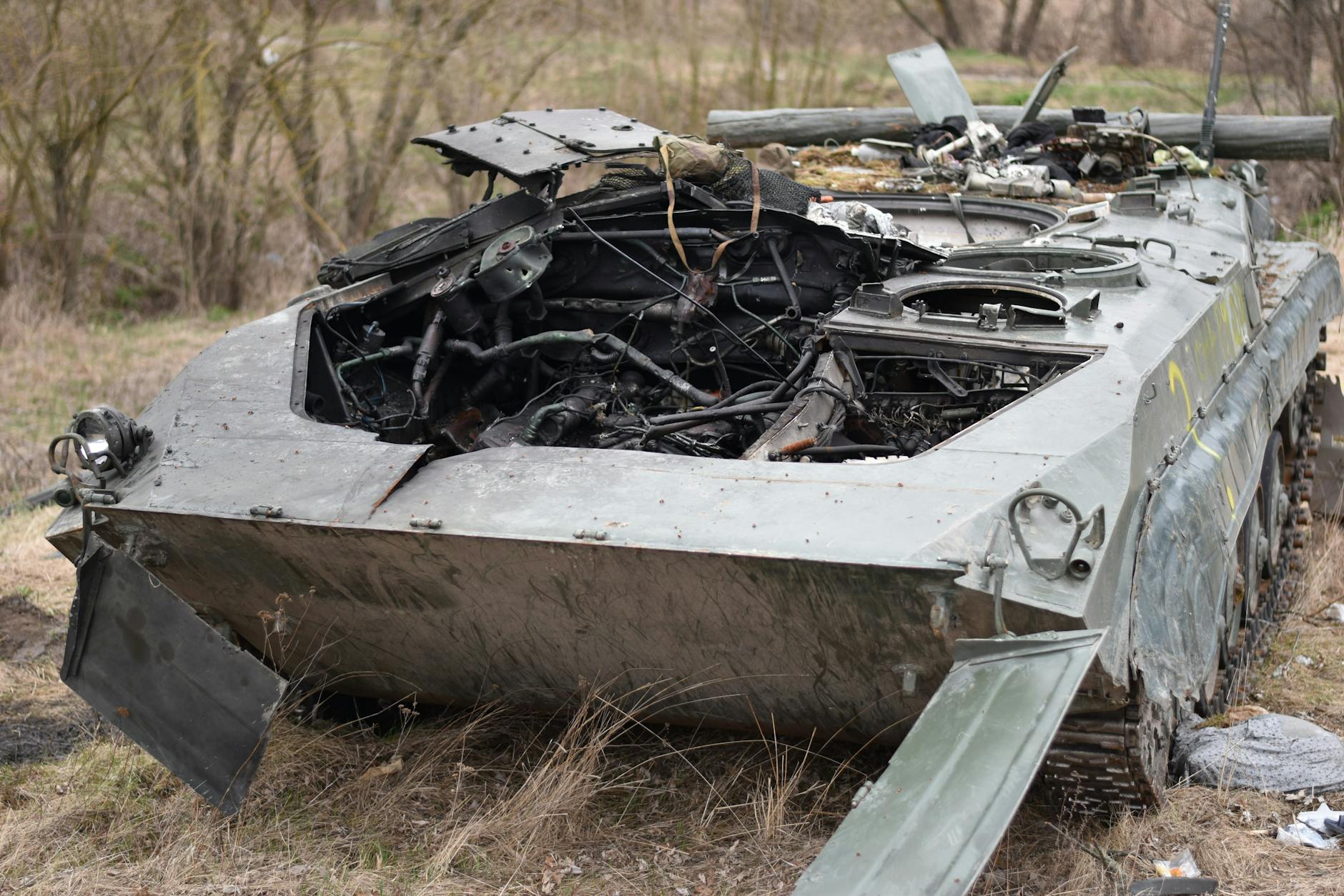
As of March 2, the Iranian Red Crescent has reported more than 555 Iranians killed. Among the most devastating single incidents was an airstrike on a school in Minab that killed at least 148 people. Six US service members have been killed since the conflict began. In Lebanon, Israeli airstrikes have killed 31 people and wounded 149, according to the Lebanese Health Ministry. In the UAE, Iranian retaliatory strikes killed three foreign nationals and injured 58 others. However, if past conflicts in the region are any guide, these early casualty figures almost certainly undercount the actual toll.
Communications infrastructure in strike zones is degraded, hospitals are overwhelmed, and independent verification is difficult in the first days of any military operation. The Minab school strike alone suggests that targeting failures or collateral damage calculations are producing mass civilian casualties, a pattern that historically accelerates as conflicts intensify and rules of engagement loosen under operational pressure. The humanitarian dimension extends beyond the dead and wounded. Thousands of travelers are stranded across the region. Civilian infrastructure in Iran, Lebanon, and parts of the Gulf is damaged or destroyed. The longer this continues, the more the civilian toll will compound, particularly if supply chains for food and medicine are disrupted by the closure of the Strait of Hormuz and the general breakdown of regional logistics.
Iranian Retaliation Has Already Crossed Lines Nobody Expected
Tehran struck back with missiles and drones not only against Israel but against Gulf states hosting US military bases. The UAE, Qatar, Kuwait, and Saudi Arabia have all been hit. The US Embassy in Riyadh was struck by drones. In Dubai, Iranian strikes hit the Fairmont The Palm hotel and Dubai International Airport, killing at least 18 people across the Persian Gulf region and Israel combined. These are not symbolic gestures. They represent a strategic decision by whatever remains of Iran’s command structure to make every US partner in the region pay a price for hosting American forces. This is a significant escalation beyond what most analysts predicted.
The Gulf states, particularly the UAE and Saudi Arabia, have spent years trying to normalize relations with Israel and manage their exposure to Iranian threats through diplomacy and deterrence. that calculus is now destroyed. A strike on Dubai International Airport, one of the busiest airports in the world, and a luxury hotel signals that Iran is willing to target economic and civilian infrastructure in countries that are not directly parties to the conflict. For the thousands of expatriates and tourists in the Gulf, this is not an abstract geopolitical event. It is a direct physical threat. Iran-backed groups, including Hezbollah in Lebanon, have also stepped up attacks. The 31 killed and 149 wounded in Lebanon from Israeli airstrikes are part of a widening front that now stretches from Beirut to the Persian Gulf. The conflict that was sold as a targeted strike on Iran’s leadership is, by day three, a multi-front regional war.

What the Strait of Hormuz Closure Means for Oil Prices and Your Wallet
The economic fallout is immediate and severe. Brent crude surged 8.48 percent to $79.05 per barrel, and the US benchmark rose approximately 8 percent. But the headline oil price numbers understate the real problem. The Strait of Hormuz has effectively closed because insurance companies have withdrawn coverage for tankers transiting the waterway. This is unprecedented. Roughly 20 percent of global oil supply passes through that strait, and without insurance, shipping companies simply will not send vessels through. Analysts warn that prices could top $100 per barrel if the disruption is prolonged.
For American consumers, that translates directly to higher gasoline prices, higher transportation costs, and inflationary pressure on everything from groceries to manufactured goods. The comparison to draw here is the 1973 oil embargo, which triggered a recession and reshaped American energy policy for decades. The current disruption is potentially larger in scope because it affects not just oil but liquefied natural gas shipments to Asian economies. China and India are particularly exposed, and any sustained disruption to their energy supplies will ripple through global supply chains that American businesses depend on. There is also a secondary effect that receives less attention. Iran supplies approximately 15 percent of Turkey’s natural gas. Any pipeline disruption would cause immediate energy shortages in a NATO ally with a population of 85 million people, creating a domestic crisis that could complicate the Western alliance’s response to the conflict.
Trump Says Four Weeks. History Says Otherwise.
President Trump has told multiple outlets that the conflict could last “four weeks or less.” He has also said that Iran’s new leadership wanted to resume negotiations and that he agreed to talk. These two claims exist in obvious tension with each other. If the conflict is widening by the hour, drawing in Lebanon, the Gulf states, and proxy forces across the region, a four-week timeline requires either a rapid and total Iranian capitulation or a ceasefire agreement with a leadership council that has been in power for less than 72 hours. The limitation that should concern everyone is this: Trump has not ruled out troops on the ground. The distance between airstrikes and a ground invasion is measured in political decisions, not military capability, and the history of US military engagement in the Middle East suggests that initial timelines are almost always wrong.
The Iraq war was supposed to be short. The Afghanistan engagement lasted 20 years. UN Secretary-General Guterres has already said the strikes “squandered a chance for diplomacy,” which reflects a growing international consensus that the off-ramps from this conflict are narrowing, not widening. The practical warning for American citizens is straightforward. If you have family in the region, if you hold investments exposed to energy markets, or if you are a service member or military family, the next several weeks will demand close attention to developments that are moving faster than any single news cycle can capture.
The Gulf States Did Not Sign Up for This War
The strikes on UAE, Qatar, Kuwait, and Saudi Arabia represent a fundamental breach of the implicit bargain that Gulf states thought they had with Washington. These countries host US military bases on the understanding that the American presence provides security, not that it makes them targets. The strike on Dubai’s Fairmont The Palm and Dubai International Airport is particularly significant because Dubai has built its entire economic model on being a safe, stable hub for global commerce and tourism. That brand has taken severe damage in 72 hours.
📨 Get Free Accountability Coverage Alerts
Free · No spam · Unsubscribe anytime
For the Gulf states, the calculus going forward is grim. They cannot un-host US bases overnight, but they also cannot absorb repeated Iranian missile and drone strikes without their populations demanding a political response. The three foreign nationals killed and 58 injured in the UAE will generate diplomatic pressure from their home countries. This is how regional conflicts become global ones, not through grand strategy but through the accumulation of individual tragedies that demand political responses.
Where This Goes From Here
The only honest answer is that nobody knows. The conflict is three days old, and it has already exceeded the boundaries that most analysts, officials, and military planners publicly discussed. A temporary Iranian leadership council is trying to hold a country together while under bombardment. The Strait of Hormuz is closed. Multiple US allies in the Gulf are absorbing strikes they did not anticipate.
Hezbollah is escalating in Lebanon. And the American president is simultaneously promising a short war and refusing to rule out ground troops. What is clear is that the Middle East of February 27, 2026, no longer exists. The regional order that held, however imperfectly, through decades of tension between Iran and its neighbors has been shattered. What replaces it will be determined by decisions made in the coming days and weeks by leaders in Washington, Tehran, Jerusalem, Riyadh, and Beijing. For the rest of us, the obligation is to pay attention, demand accurate information from our leaders, and hold them accountable for the consequences of what they have set in motion.
Conclusion
The US-Israeli strikes on Iran have produced exactly the kind of cascading, multi-front crisis that critics warned about and proponents dismissed. In three days, the conflict has killed hundreds of people across multiple countries, closed the most important oil chokepoint on earth, drawn US Gulf allies into a war they did not choose, and left a nuclear-capable state without its central governing authority. The economic consequences alone, from surging oil prices to potential $100-per-barrel crude, will be felt by every American consumer regardless of their views on the conflict. The path forward requires honest assessment, not political spin.
A four-week timeline is not a plan. Refusing to rule out ground troops is not reassurance. The facts on the ground as of March 2, 2026, point to a conflict that is expanding, not contracting. Americans deserve transparency about the costs, the risks, and the endgame, because the bill for this war will be paid by taxpayers, service members, and consumers long after the cable news coverage moves on.
Frequently Asked Questions
Has the US officially declared war on Iran?
No. The strikes were launched without a formal declaration of war from Congress. The operation was conducted as a coordinated US-Israeli military action, with the US portion codenamed Epic Fury and the Israeli portion called Operation Roaring Lion.
How many Americans have been killed in the Iran conflict?
As of March 2, 2026, six US service members have been killed since the start of the conflict, according to NPR reporting.
Why did oil prices spike so quickly?
Brent crude surged 8.48 percent to $79.05 per barrel primarily because the Strait of Hormuz has effectively closed. Insurance companies withdrew coverage for tankers transiting the waterway, and roughly 20 percent of global oil supply passes through it. Analysts warn prices could exceed $100 per barrel if the disruption continues.
Who is running Iran now that Khamenei is dead?
A temporary leadership council assumed power on March 1, 2026, comprising President Masoud Pezeshkian, the judiciary head, and a member of the Guardians Council. The stability and authority of this arrangement remain uncertain.
Were any countries besides Iran and Israel hit?
Yes. Iran retaliated with missiles and drones against Gulf states hosting US bases, including the UAE, Qatar, Kuwait, and Saudi Arabia. The US Embassy in Riyadh was struck by drones. In Dubai, strikes hit the Fairmont The Palm hotel and Dubai International Airport. Lebanon has also been hit by Israeli airstrikes targeting Hezbollah, with 31 killed and 149 wounded.
How long does Trump say the conflict will last?
Trump has told multiple outlets the conflict could last “four weeks or less” and has said Iran’s new leadership wants to resume negotiations. However, he has not ruled out putting troops on the ground, and the conflict is widening to include multiple countries and fronts.
You Might Also Like
- The Iran War Adds to a 25-Year Tab of Middle East Military Spending
- Wall Street’s Biggest Winners and Losers From the Iran War
- Trump’s Iran War Could Push Dozens of Countries Closer to China and Russia