
Americans are sharply divided along partisan lines over U.S. military strikes on Iran, with polling data revealing a gap so wide it makes the usual left-right disagreements look quaint by comparison. A CNN/SSRS poll published March 2, 2026 found that 59% of Americans disapprove of the strikes, while a Reuters/Ipsos survey conducted February 28 through March 1 showed 43% disapproving versus just 27% approving, with roughly 30% unsure. But the real story isn’t just that most Americans oppose the military action — it’s that party affiliation has become the single strongest predictor of where someone stands. Republicans approve at rates as high as 77% in some surveys, while nearly 9 in 10 Democrats oppose the strikes.
That’s not a disagreement. That’s two countries looking at the same set of facts and reaching opposite conclusions. What makes this divide particularly notable is what hasn’t happened. Morning Consult found no “rally-around-the-flag” effect — the kind of temporary bipartisan surge in presidential approval that has historically accompanied major military action, from the Gulf War to the opening days of the Iraq invasion. The strikes did not boost Trump’s overall approval rating, breaking a pattern that has held across administrations for decades. This article examines the polling data in detail, explores the fracture within the Republican Party itself, looks at where independents are landing, and considers what the absence of a rally effect means for the politics of this conflict going forward.
Table of Contents
- How Deep Is the Partisan Divide on Iran Strikes According to the Polls?
- Why the Republican Party’s Internal Split on Iran May Matter More Than the Left-Right Divide
- The Missing Rally-Around-the-Flag Effect and What It Tells Us
- Congressional Authorization and the Public’s Demand for Process
- The Limits of Polling on Military Conflict — What the Numbers Can and Cannot Tell Us
- How Media Consumption Shapes the Partisan Divide
- What Comes Next — Can Public Opinion Shift on Iran?
- Conclusion
- Frequently Asked Questions
How Deep Is the Partisan Divide on Iran Strikes According to the Polls?
The numbers paint a stark picture. Among republicans, 55% approve of the strikes in the Reuters/Ipsos polling, with some surveys showing approval as high as 77%. Among Democrats, 74% disapprove, and only 7% approve. To put that in perspective, the gap between Republican and Democratic approval is somewhere in the range of 48 to 70 percentage points depending on the poll — a chasm that dwarfs partisan disagreements on most domestic policy issues. When Fox News, PBS, and NPR are all reporting the same basic finding, you know the divide is real and not an artifact of any single pollster’s methodology. Independents, who often serve as the barometer for where the broader public actually stands, lean decisively against the strikes.
Reuters/Ipsos found independents disapproving 44% to 19%, while other polls showed them opposing the military action by a roughly 2-to-1 margin, 59% to 28%. That independent opposition matters because it suggests the overall disapproval numbers aren’t simply a function of Democrats outnumbering Republicans in the polling samples. The country’s political middle has weighed in, and it’s not buying what’s being sold. The trend data offers a small caveat for those arguing the public will never come around. Ipsos tracking showed support for continuing strikes grew from 25% to 34% between the first weekend of attacks and the following week. That nine-point jump suggests some Americans became more comfortable with the military action as it continued, though support still remained well below the majority threshold. Whether that trend continues or plateaus will depend heavily on how events on the ground unfold.

Why the Republican Party’s Internal Split on Iran May Matter More Than the Left-Right Divide
The sharpest and most politically consequential divide may not be between Republicans and democrats at all — it’s within the Republican Party itself. Polling found that MAGA-identifying Republicans are 30 points more likely to “strongly approve” of the strikes than non-MAGA Republicans. That’s not a minor disagreement among allies; that’s a fault line that could shape primary politics, congressional votes on war authorization, and the broader trajectory of conservative foreign policy for years to come. This intra-party gap reveals a tension that has been simmering since at least 2016. The old Republican establishment — think Lindsey Graham and the neoconservative wing — has long favored an aggressive posture toward Iran.
But a significant faction of the party, influenced by Trump’s own 2016 rhetoric about ending “endless wars,” is skeptical of new military commitments in the Middle East. However, if the administration frames the strikes as limited and retaliatory rather than the opening phase of a prolonged campaign, that skeptical faction may be easier to hold in the coalition. The moment this starts looking like another open-ended conflict, that 30-point gap could widen further. The practical implication is that Republican members of Congress face a difficult calculation. Voting to authorize further military action may please the party’s most engaged MAGA base but could alienate a meaningful share of Republican voters who didn’t sign up for a war with Iran. That math gets even harder in swing districts where independent voters — who oppose the strikes by a 2-to-1 margin — hold the balance of power.
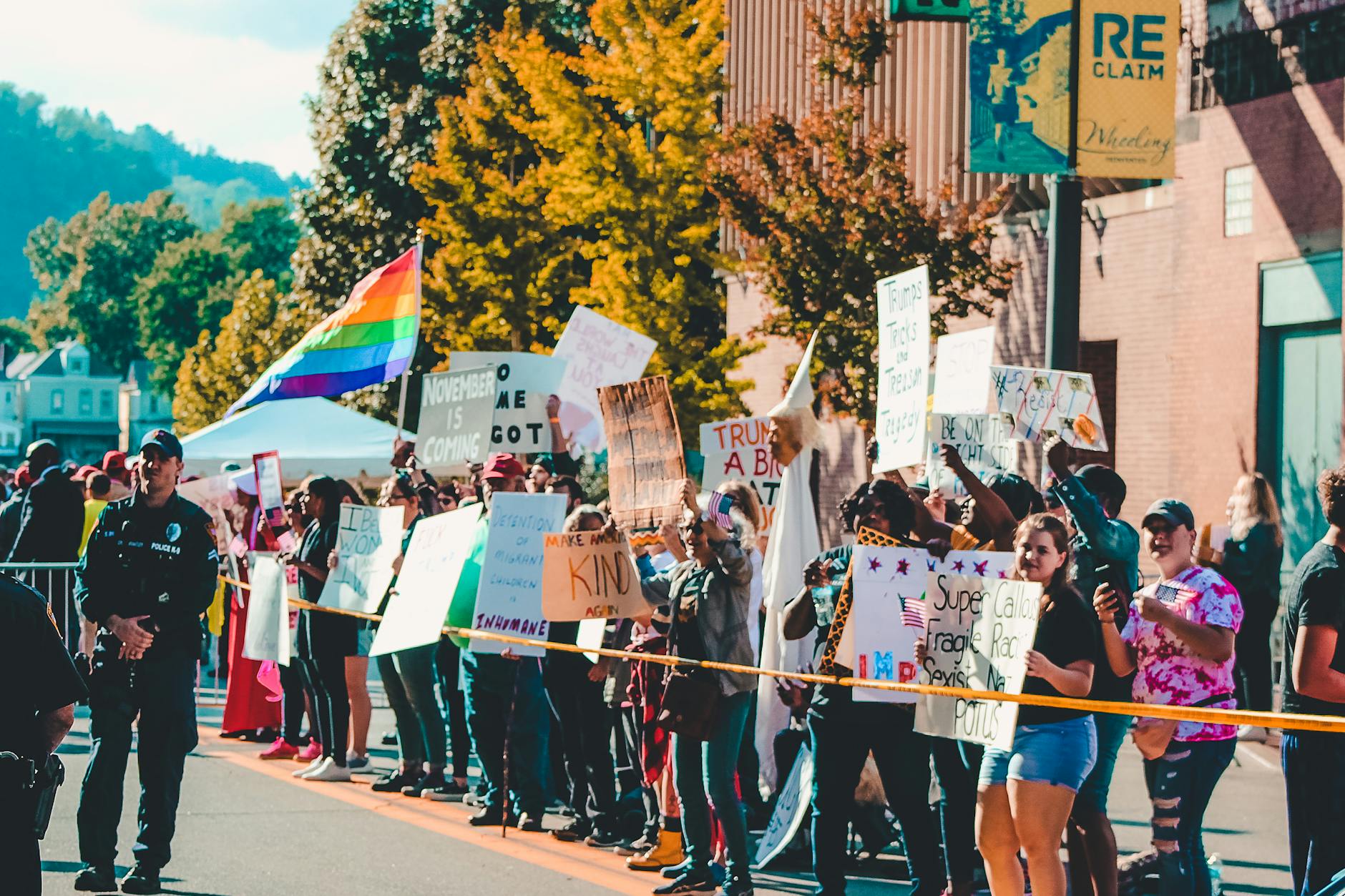
The Missing Rally-Around-the-Flag Effect and What It Tells Us
In virtually every major military action of the modern era, the president’s approval rating has received at least a temporary boost. George H.W. Bush saw his approval spike to 89% after the start of the Gulf War. George W. Bush hit 90% after September 11. Even Barack Obama got a modest bump after the Bin Laden raid. The rally-around-the-flag effect is one of the most reliable phenomena in American political science — or at least it was. Morning Consult’s finding that the Iran strikes produced no such rally is historically unusual and politically significant.
Several factors may explain the absence. Partisan polarization has reached a level where a meaningful number of Democrats are simply unwilling to approve of anything a Republican president does, and vice versa. The information environment has also changed — voters are now exposed to competing narratives about military action within minutes of it happening, making it harder for any single framing to dominate. And the specific circumstances matter: 6 in 10 Americans say Trump does not have a clear plan for dealing with the Iran situation, according to polling data. It’s hard to rally behind a flag when most of the country thinks there’s no strategy behind the action the flag is supposed to represent. The absence of a rally effect has a concrete political consequence. It means the administration cannot count on military action to improve its political standing at home, which removes one of the historical incentives presidents have had for using force. Whether that makes escalation more or less likely is an open question that depends on how the White House reads its own political situation.
Congressional Authorization and the Public’s Demand for Process
One of the most striking findings in the polling is that 62% of Americans say Trump should get congressional approval before further military action. That number crosses partisan lines more than the approval-or-disapproval question does, suggesting that even some Americans who support the strikes in principle believe the president should not be acting unilaterally. The War Powers Resolution of 1973 was designed precisely for situations like this, requiring the president to notify Congress within 48 hours of committing forces and limiting unauthorized deployments to 60 days. The tradeoff for the administration is straightforward but uncomfortable. Seeking congressional authorization would give the strikes democratic legitimacy and potentially broaden public support — but it would also force a vote that many members of Congress would rather avoid, and it would risk a public debate that could further erode support if the administration’s rationale doesn’t hold up to scrutiny.
Not seeking authorization preserves executive flexibility but deepens the perception, already held by a majority of Americans, that there is no clear plan. The Reuters/Ipsos and CNN/SSRS polls both suggest the public is paying attention to the process question, not just the policy outcome. History offers a cautionary comparison. The 2002 Authorization for Use of Military Force in Iraq passed with broad bipartisan support but became a political albatross for every senator and representative who voted for it. Members of Congress have institutional memories about that vote, and many are reluctant to put themselves on record for military action that 59% of the public already disapproves of.
The Limits of Polling on Military Conflict — What the Numbers Can and Cannot Tell Us
Polling on military action carries inherent limitations that are worth acknowledging. Public opinion during the early stages of a conflict is volatile — the nine-point jump in support for continuing strikes over just one week demonstrates how quickly the ground can shift. Events like American casualties, hostage situations, or a dramatic military success could rewrite the political landscape overnight. The current snapshot of disapproval is real, but it’s a snapshot, not a prediction. There’s also a question framing problem that makes cross-poll comparisons tricky. The CNN/SSRS poll found 59% disapproval, while the Reuters/Ipsos poll found 43% disapproval — a 16-point gap that likely reflects differences in how the questions were worded rather than genuine disagreement between the two polling samples.
Whether you ask “Do you approve or disapprove of the strikes?” or “Do you support or oppose U.S. military action in Iran?” can produce meaningfully different results. The Washington Post’s approach of texting 1,000 Americans added qualitative depth but introduced its own selection biases. What the polling cannot tell us is how much these opinions will actually drive political behavior. Disapproval of a military action doesn’t necessarily translate into votes against the incumbent party, especially if the conflict fades from the headlines or if economic issues dominate the midterm conversation. The polls measure sentiment, not salience — and in American politics, the gap between those two things has swallowed entire campaigns.
How Media Consumption Shapes the Partisan Divide
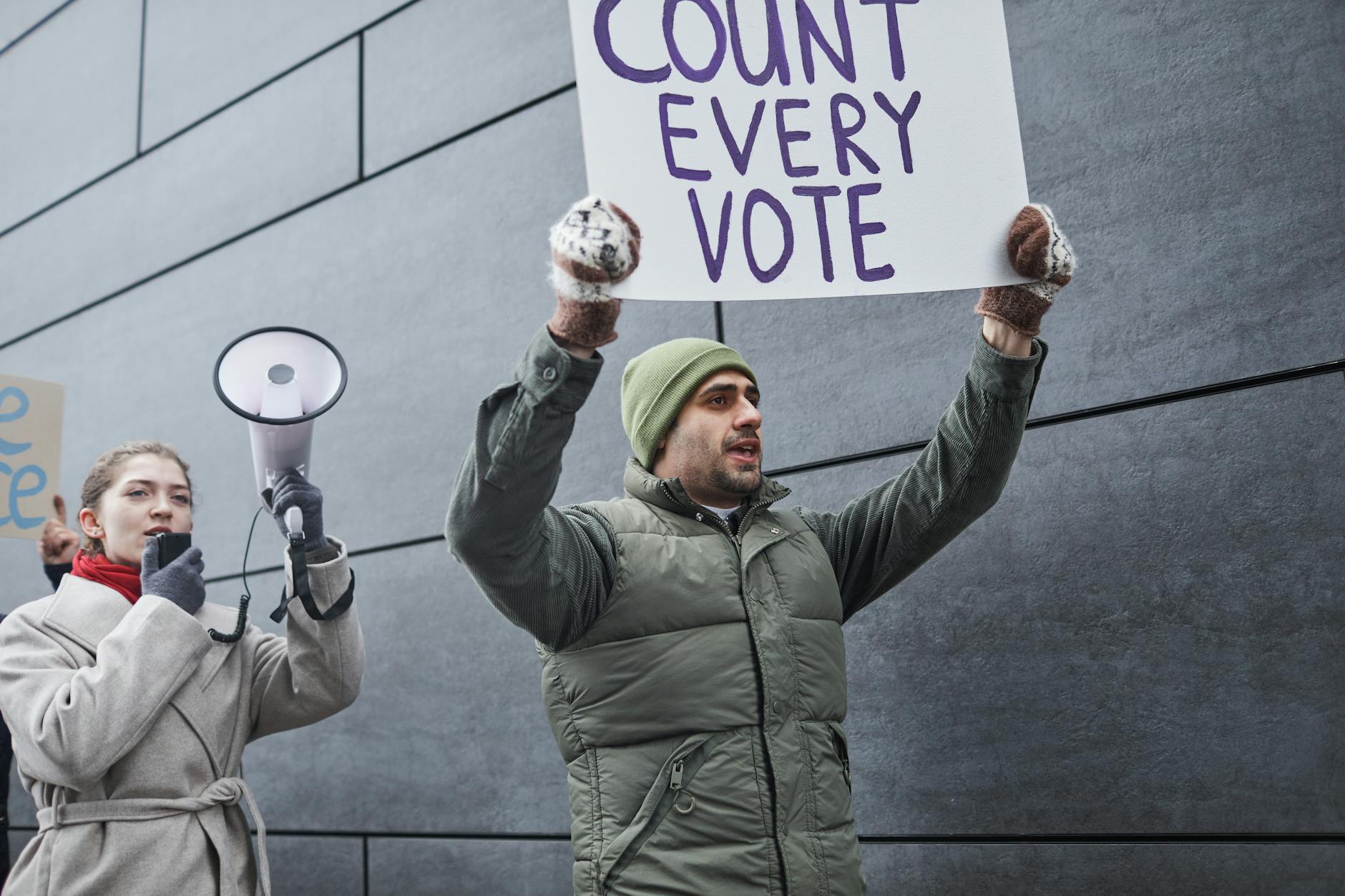
The gap between Republican and Democratic opinion on the strikes doesn’t exist in a vacuum — it’s amplified and reinforced by media ecosystems that deliver fundamentally different narratives about the same events. A Fox News viewer and an NPR listener are receiving not just different opinions about the Iran strikes but different selections of facts, different framings of cause and effect, and different assumptions about what questions are worth asking.
📨 Get Free Accountability Coverage Alerts
Free · No spam · Unsubscribe anytime
Both outlets have reported on the partisan divide itself, but the coverage surrounding the strikes has emphasized different aspects in ways that predictably reinforce existing partisan leanings. This dynamic creates a feedback loop where media consumption and political identity become mutually reinforcing. It helps explain why the 30-point gap between MAGA and non-MAGA Republicans maps so closely onto media consumption patterns — the internal Republican divide is partly a divide between information sources, not just policy preferences.
What Comes Next — Can Public Opinion Shift on Iran?
The trajectory of public opinion will depend on factors that are inherently unpredictable: whether the conflict escalates or de-escalates, whether American service members are killed or captured, and whether the administration can articulate a coherent endgame. The movement from 25% to 34% support for continuing strikes in just one week shows the public is persuadable, but the deep structural polarization means that persuasion will mostly happen at the margins — among the roughly 30% of Americans who told Reuters/Ipsos they were unsure, and among the independents who currently oppose the strikes but might change their minds if circumstances change.
The more durable political question is whether this episode accelerates the realignment of foreign policy views within both parties. If MAGA Republicans continue to diverge from traditional hawks, and if Democratic opposition hardens into a more explicitly anti-interventionist stance, the Iran strikes could mark a pivot point in how both parties approach military force. The polls are telling us something beyond just approval and disapproval numbers — they’re mapping a political landscape that is shifting underfoot, with consequences that will outlast whatever happens in the skies over Iran.
Conclusion
The polling on U.S. military strikes in Iran tells a consistent story across multiple surveys and methodologies: most Americans disapprove, the partisan divide is enormous, independents lean heavily against the action, and there has been no rally-around-the-flag effect to give the administration political cover. The 62% who want congressional authorization before further action suggest that concerns about process and planning are nearly as strong as concerns about the strikes themselves. Within the Republican Party, the 30-point gap between MAGA and non-MAGA members on strong approval signals a fracture that could have lasting implications for conservative foreign policy.
For citizens trying to make sense of these numbers, the key takeaway is that this is not a case where the public is evenly split and the outcome could go either way. A clear majority disapproves, and even among those who approve, there are significant divisions about scope and strategy. Whether that public sentiment translates into political consequences — through congressional votes, midterm elections, or shifts in administration policy — remains the open question. The polls have spoken. The question now is whether anyone in power is listening.
Frequently Asked Questions
What percentage of Americans disapprove of the U.S. strikes on Iran?
The CNN/SSRS poll found 59% disapproval, while the Reuters/Ipsos poll found 43% disapproving versus 27% approving, with about 30% unsure. The difference largely reflects question wording and methodology.
Do Republicans support the Iran strikes?
Yes, by significant margins. Republican approval ranges from 55% to as high as 77% depending on the poll. However, there is a notable 30-point gap between MAGA-identifying Republicans who “strongly approve” and non-MAGA Republicans.
Where do independents stand on the Iran strikes?
Independents oppose the strikes by roughly a 2-to-1 margin. Reuters/Ipsos found 44% disapproving versus 19% approving, while other surveys showed 59% opposition versus 28% support.
Has there been a rally-around-the-flag effect from the strikes?
No. Morning Consult found that the strikes did not boost Trump’s overall approval rating, which is unusual for major military action and breaks a pattern observed across previous administrations.
Do Americans want congressional approval for further military action?
Yes. Polling shows 62% of Americans believe Trump should get congressional approval before taking further military action in Iran.
Do most Americans think there is a clear plan for Iran?
No. Six in 10 Americans say Trump does not have a clear plan for dealing with the Iran situation, according to survey data.
You Might Also Like
- There Are Not Enough Votes to Override a Veto on the Iran War Powers Resolution
- The U.S. and Israel Are Running Separate But Coordinated Operations Inside Iran
- The Kurdish Region of Iraq Provided Intelligence Support for the Strikes — Then Got Hit by Iran