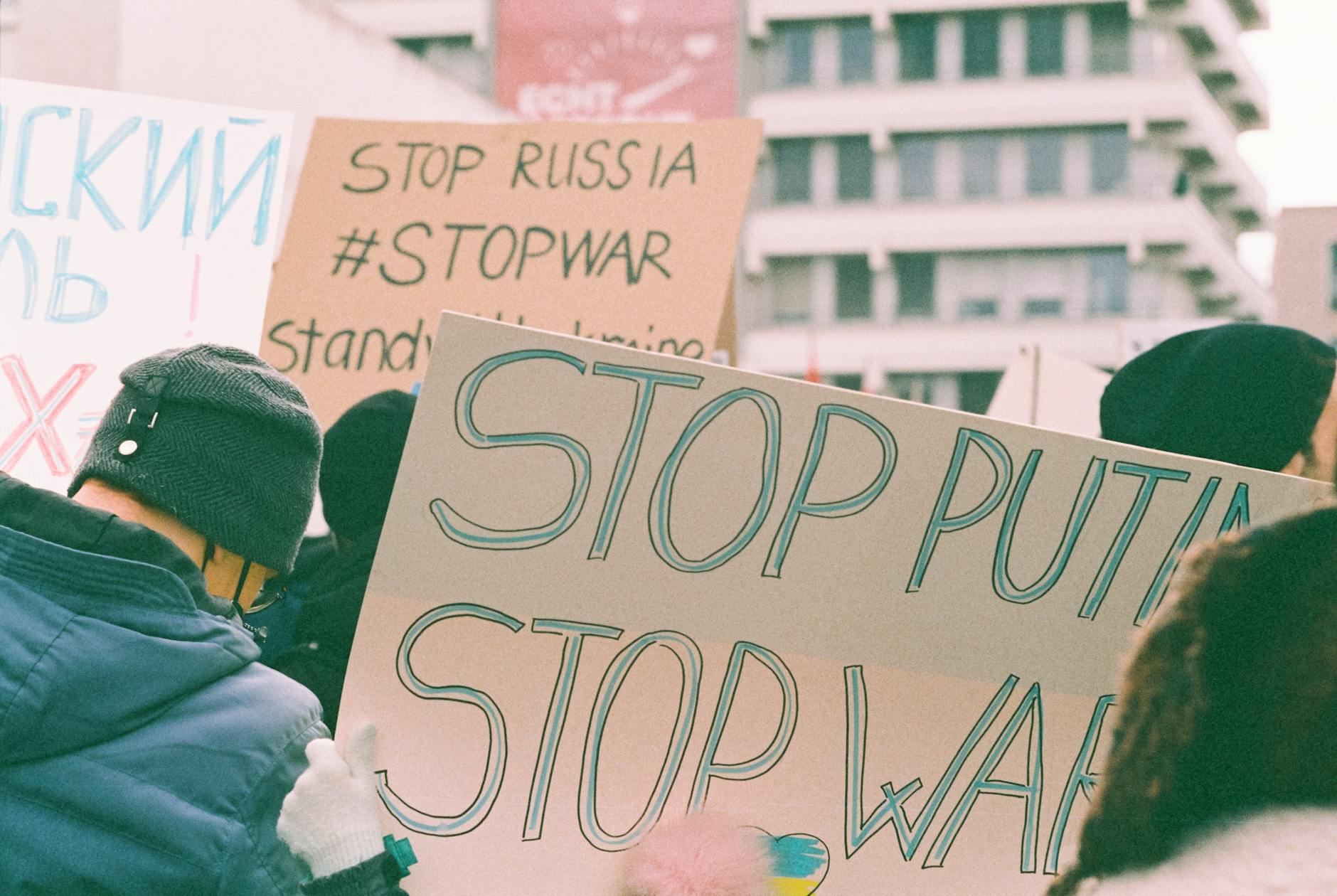
On March 1, 2026, Pakistan officially condemned the U.S.-Israeli airstrikes that killed Iran’s Supreme Leader Ayatollah Ali Khamenei, as hundreds of enraged protesters attempted to storm the U.S. Consulate on Mai Kolachi Road in Karachi. Security forces, including Marine Security Guards, opened fire on the crowd, killing at least 10 people according to Al Jazeera, though the Washington Post and AP put the broader death toll across Pakistan at 22 with more than 120 wounded. The violence marked one of the deadliest attacks on a U.S. diplomatic facility in years and immediately triggered a full shutdown of American diplomatic operations across the country.
The Karachi consulate assault was not an isolated incident. Protests erupted simultaneously across Pakistan, from Lahore to Islamabad to the Shia-majority Gilgit-Baltistan region, where demonstrators set fire to a United Nations office building in Skardu. Prime Minister Shehbaz Sharif declared the killing of Khamenei a “violation of international law,” positioning Pakistan squarely against the U.S. action while attempting to manage the domestic fallout. This article examines the full scope of the crisis — the timeline of events at the Karachi consulate, the Pakistani government’s diplomatic response, the conflicting casualty reports, the broader regional implications, and what the shutdown of U.S. diplomatic facilities means for American citizens and visa applicants in Pakistan.
Table of Contents
- Why Did Protesters Storm the U.S. Consulate in Karachi?
- Pakistan’s Official Response — Condemnation With Caution
- Nationwide Protests — From Karachi to Gilgit-Baltistan
- Conflicting Casualty Reports and What They Tell Us
- U.S. Diplomatic Shutdown — Security Implications and Consequences
- The Joint Investigation Team — Accountability or Political Theater?
- What Comes Next — Regional Fallout and the Road Ahead
- Conclusion
- Frequently Asked Questions
Why Did Protesters Storm the U.S. Consulate in Karachi?
The assassination of Ayatollah Ali Khamenei in U.S.-Israeli airstrikes on February 28, 2026, sent shockwaves through the Muslim world, but the reaction was particularly fierce in Pakistan, home to a significant Shiite minority population with deep cultural and religious ties to Iran. By early Sunday morning on March 1, hundreds of pro-Iranian demonstrators had already massed near the U.S. Consulate on Mai Kolachi Road, carrying banners condemning both the United States and Israel. What began as a protest quickly escalated into an attempted breach of the consulate compound. The speed of the mobilization is notable.
Less than 48 hours elapsed between the airstrikes and the organized march on the consulate, suggesting that existing networks — religious organizations, political parties with ties to Iran, and social media channels — activated rapidly. Compare this to the 2012 protests over the anti-Islam film “Innocence of Muslims,” which took days to build momentum in Pakistan. The Khamenei killing, by contrast, was perceived as an act of war against the broader Shiite world, making the response both faster and more volatile. When protesters attempted to breach the consulate perimeter, security forces responded with live fire. The Sindh provincial government initially reported six dead in Karachi, but Al Jazeera’s count reached at least 10, and the Washington Post placed the nationwide toll at 22 killed and over 120 wounded. The discrepancy in numbers is itself significant — it reflects both the chaos of the situation and the political sensitivity of casualty reporting, with Pakistani authorities likely undercounting to manage domestic and international perceptions.

Pakistan’s Official Response — Condemnation With Caution
Prime Minister Shehbaz Sharif’s statement struck a careful balance. He called Khamenei’s killing a “violation of international law” and said “the people of Pakistan join the people of Iran in their hour of grief.” The language was deliberately chosen — strong enough to satisfy domestic audiences and religious constituencies, but framed in the language of international norms rather than direct threats against the United States. Pakistan remains dependent on U.S. economic and military support, and Sharif could not afford to sever that relationship entirely. Interior Minister Mohsin Naqvi went further in addressing the domestic situation, calling the assassination “a sorrowful day for the entire Muslim ummah” while simultaneously urging citizens not to “take the law into your hands.” This dual message — grieve, but do not riot — reflects the impossible position Pakistani leaders occupy. They need to channel public anger without letting it destroy critical diplomatic relationships or infrastructure.
However, if the U.S. continues military operations in the region, Pakistan’s ability to maintain this balancing act will deteriorate rapidly. Public pressure could force Sharif into harder positions, including potential restrictions on U.S. military logistics routes through Pakistani territory. Sindh Chief Minister Murad Ali Shah termed the consulate incident “extremely tragic” and directed the formation of a Joint Investigation Team to determine responsibility for the deaths. The JIT’s mandate is politically loaded — was the lethal force justified, or did security forces overreact? The findings will have consequences for U.S.-Pakistan relations regardless of the conclusion.
Nationwide Protests — From Karachi to Gilgit-Baltistan
The Karachi consulate was the epicenter, but the unrest spread far beyond Sindh. In Skardu, located in the Shia-majority Gilgit-Baltistan region, protesters set fire to a United Nations office building — a target that underscores how the anger extended beyond the United States to encompass the entire Western-led international order perceived as complicit in the strikes. Two people were killed in clashes in Islamabad, the federal capital, bringing violence directly to the seat of government. Hundreds also gathered outside the U.S. Consulate in Lahore, though no violence was reported there.
The contrast between Lahore and Karachi is instructive. Karachi has a larger and more politically mobilized Shiite population, a history of sectarian violence, and a more volatile security environment. Lahore’s protest remained peaceful in part because Punjab’s demographics and political dynamics differ significantly, and because security forces in Lahore may have learned from the Karachi disaster and deployed preemptive crowd-management tactics. The geographic spread of the protests demonstrates that this was not a localized event but a nationwide mobilization. Religious leaders, political parties aligned with Iran, and grassroots networks all contributed to the speed and scale of the response. For context, Pakistan has roughly 30 to 40 million Shiite Muslims — the second-largest Shiite population in the world after iran — and this constituency represents a potent political force when activated by events of this magnitude.
Conflicting Casualty Reports and What They Tell Us
The casualty figures from March 1 vary sharply depending on the source, and understanding why matters for anyone trying to assess the situation accurately. Al Jazeera reported at least 10 killed and over 70 wounded in the Karachi consulate incident specifically. The Washington Post and AP reported at least 22 killed and more than 120 wounded, but their figures encompassed all of Pakistan, including the Islamabad and Gilgit-Baltistan clashes. The Sindh provincial government initially claimed only 6 deaths in Karachi. The discrepancy is not unusual for events of this kind, but it creates a narrative problem. The Sindh government has an incentive to minimize casualties to avoid political accountability and international scrutiny.
International media outlets rely on hospital reports, eyewitnesses, and local stringers whose access may be limited during active violence. The actual toll may be higher than any published figure, as wounded individuals who die in the days following an event are often not included in initial counts. Anyone citing a specific number should note which source and which geographic scope the figure covers. The tradeoff between speed and accuracy in crisis reporting is relevant here. Early reports serve the critical function of alerting the world to the scale of violence, but they are almost always revised. The JIT investigation ordered by Sindh CM Murad Ali Shah may eventually produce a more definitive count, though such investigations in Pakistan have a mixed track record of transparency and completeness.
U.S. Diplomatic Shutdown — Security Implications and Consequences
The U.S. Embassy in Islamabad responded to the violence by issuing a security alert and shutting down all U.S. diplomatic facilities across Pakistan. The consulates in Karachi, Lahore, and Peshawar were closed, and all appointments scheduled for March 2 were canceled. This is a significant escalation in the security posture — a full closure of every U.S. diplomatic post in a country of 230 million people. For American citizens in Pakistan, the shutdown creates immediate practical problems. Emergency consular services, passport renewals, and visa processing all halt during closures.
Pakistani nationals with pending U.S. visa appointments face indefinite delays, which compounds frustration in a country where the visa backlog already stretches months or years. The economic ripple effects are real — business travelers, students admitted to American universities, and families awaiting immigration processing are all affected. There is a warning embedded in the shutdown that extends beyond Pakistan. U.S. diplomatic facilities across the broader Muslim world are likely on heightened alert. The 1979 attack on the U.S. Embassy in Islamabad, in which the compound was overrun and burned, remains a reference point for American security planners. The fact that Marines at the Karachi consulate used live fire suggests that the rules of engagement had already been adjusted to reflect the elevated threat — a decision that saved the facility but contributed directly to the death toll.
📨 Get Free Accountability Coverage Alerts
Free · No spam · Unsubscribe anytime
The Joint Investigation Team — Accountability or Political Theater?
Sindh CM Murad Ali Shah’s directive to form a Joint Investigation Team is the closest thing to an accountability mechanism currently in play. The JIT is tasked with determining who bears responsibility for the deaths — were protesters killed by consulate security forces, Pakistani police, or paramilitary Rangers? Were the rules of engagement appropriate? Did security forces provide adequate warnings before opening fire? Pakistan has used JITs in high-profile cases before, including the Panama Papers investigation that led to the ouster of former PM Nawaz Sharif. However, JITs involving foreign diplomatic facilities and military personnel face unique jurisdictional challenges.
U.S. Marine Security Guards operate under the Vienna Convention on Diplomatic Relations and bilateral security agreements, meaning any finding against American personnel would be extraordinarily difficult to enforce. The more likely outcome is that the JIT focuses on Pakistani security failures — inadequate crowd control, insufficient barriers, delayed response — rather than the actions of U.S. personnel inside the compound.
What Comes Next — Regional Fallout and the Road Ahead
The Karachi consulate attack is unlikely to be the last aftershock of the Khamenei assassination. Across the Middle East and South Asia, Shiite communities are mobilizing, and governments are being forced to choose between their populations and their relationships with Washington. Pakistan’s position is particularly precarious because it shares a border with Iran, depends on U.S. financial support through the IMF, and faces domestic pressure from both Shiite and Sunni religious constituencies.
The next weeks will be defined by several variables: whether the U.S. conducts further military operations in Iran, whether Pakistani security forces can contain continued protests without additional mass casualties, and whether the JIT produces findings that satisfy public demands for accountability. If any of these factors break the wrong way, the crisis will deepen. Sharif’s government will face mounting pressure to downgrade diplomatic relations with the United States, restrict military logistics cooperation, or take symbolic steps like recalling Pakistan’s ambassador — moves that would have been unthinkable a week ago but are now being openly discussed in Islamabad’s political circles.
Conclusion
The attack on the U.S. Consulate in Karachi on March 1, 2026, represents a turning point in U.S.-Pakistan relations and a stark illustration of the regional consequences of the Khamenei assassination. At least 10 people were killed at the consulate alone, with the nationwide toll potentially reaching 22 or higher. Pakistan’s government has condemned the airstrikes as a violation of international law while simultaneously trying to prevent its own population from tearing apart the diplomatic infrastructure that connects the two countries.
The closure of all U.S. diplomatic facilities, the formation of a JIT, and the spread of protests from Karachi to Gilgit-Baltistan all point to a crisis that is far from resolved. For American citizens in Pakistan, the immediate priority is personal security and monitoring State Department alerts. For the broader U.S. foreign policy apparatus, the question is whether the strategic objectives of the Iran strikes were worth the cascading destabilization now unfolding across a nuclear-armed nation of 230 million people.
Frequently Asked Questions
How many people were killed at the U.S. Consulate in Karachi on March 1, 2026?
Casualty figures vary by source. Al Jazeera reported at least 10 killed and over 70 wounded at the Karachi consulate. The Sindh provincial government initially reported 6 deaths. The Washington Post and AP cited at least 22 killed and over 120 wounded across all of Pakistan, including Karachi, Islamabad, and the northern regions.
Are U.S. diplomatic facilities in Pakistan still open?
As of March 1, 2026, the U.S. Embassy in Islamabad shut down all diplomatic facilities across Pakistan, including consulates in Karachi, Lahore, and Peshawar. All appointments for March 2 were canceled. Check the U.S. Embassy Islamabad website for updates on reopening.
What triggered the protests in Pakistan?
The protests were triggered by the assassination of Iran’s Supreme Leader Ayatollah Ali Khamenei in U.S.-Israeli airstrikes on Iranian targets on February 28, 2026. Pakistan has the second-largest Shiite Muslim population in the world after Iran, and the killing provoked immediate outrage.
Did the Pakistani government support the protests?
Pakistan’s government condemned the Khamenei killing as a violation of international law but explicitly urged citizens not to take the law into their own hands. Interior Minister Mohsin Naqvi and PM Shehbaz Sharif both expressed grief while calling for restraint.
What is the Joint Investigation Team investigating?
The JIT, ordered by Sindh CM Murad Ali Shah, is tasked with determining responsibility for the deaths at the Karachi consulate — including whether security forces used proportionate force and whether adequate crowd-control measures were in place before the situation escalated.
You Might Also Like
- This Is the Second U.S. Attack on Iran in 8 Months — Last Year’s Was Called “Midnight Hammer”
- Kataib Hezbollah in Iraq Threatens to Attack U.S. Bases in Response
- This Was the Largest U.S. Military Buildup in the Middle East Since Iraq