New Iran Framework Ties Economic Benefits to Compliance

The 2026 U.S.-Iran agreement structures $300 billion in economic aid as a reward for verified nuclear compliance, not a gift for signing.
Following the record: lawsuits, executive orders and the money, sourced to the filing.
The full list as signed, with dates - the primary record rather than the coverage of it.
Time remaining to noon on 20 January 2029, the moment fixed by the 20th Amendment, plus debt and key dates.
Every case we track, and what a court has actually decided in each - filed, certified, settled or judged.
Claims we have checked, with the primary source for each one.

Every report here starts from a primary record - the docket, the filing, the Federal Register notice, the agency release. Where a matter is contested we say who contests it. A complaint asserts and a court finds, and we do not blur the two.

The executive-order tracker lists what was signed and when. The second-term clock runs to noon on 20 January 2029, the moment fixed by the 20th Amendment. Our lawsuits desk follows the class actions and settlements tied to the administration, from the complaint through to the court's ruling.
The 2026 U.S.-Iran agreement structures $300 billion in economic aid as a reward for verified nuclear compliance, not a gift for signing.
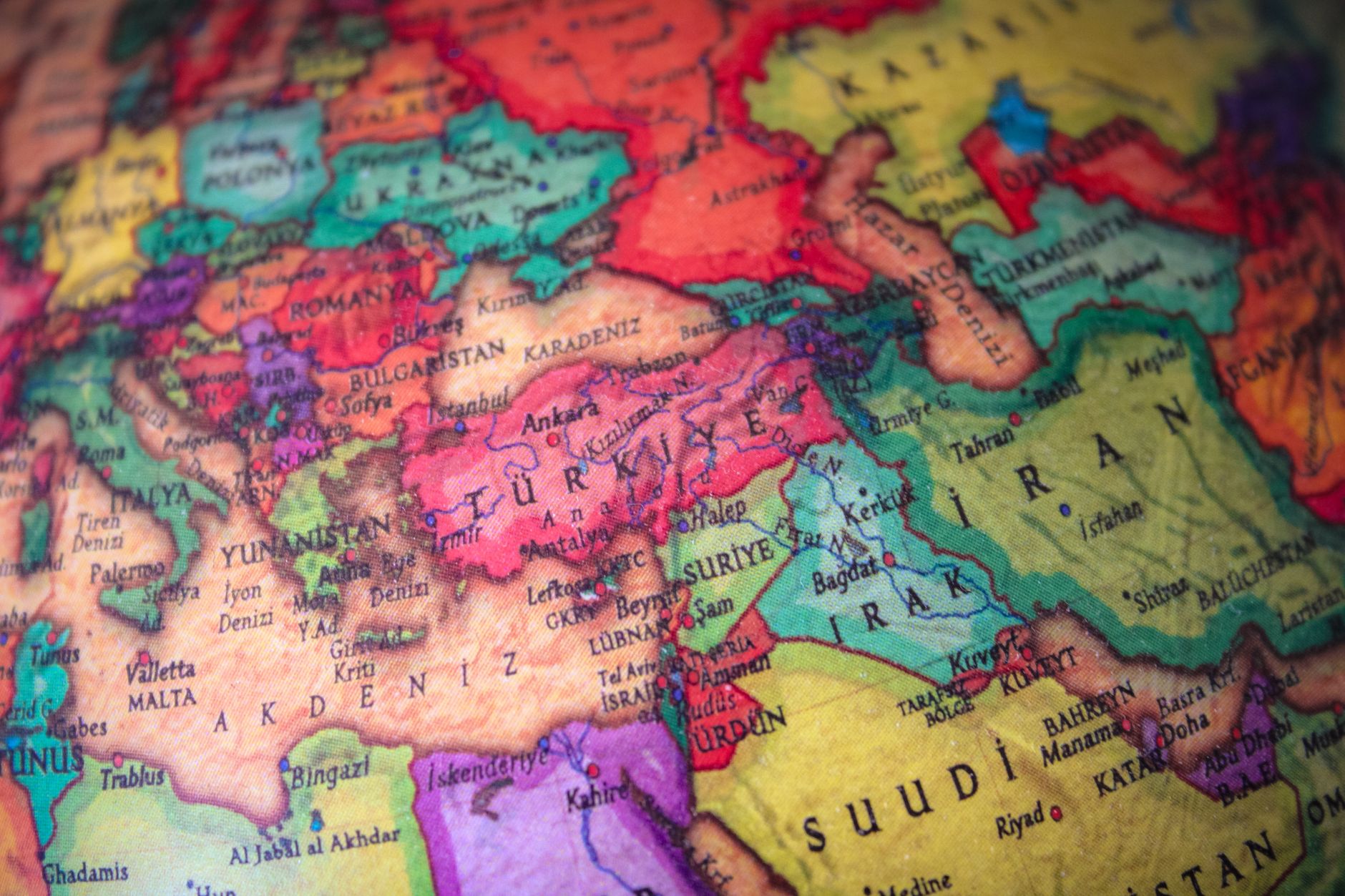
Iran’s $300 billion in frozen assets could be unfrozen without U.S. Treasury spending, but international cooperation and stable oil markets are essential.

The $300 billion Iran fund is private investment, not U.S. government money—and it faces three major obstacles to actual distribution.
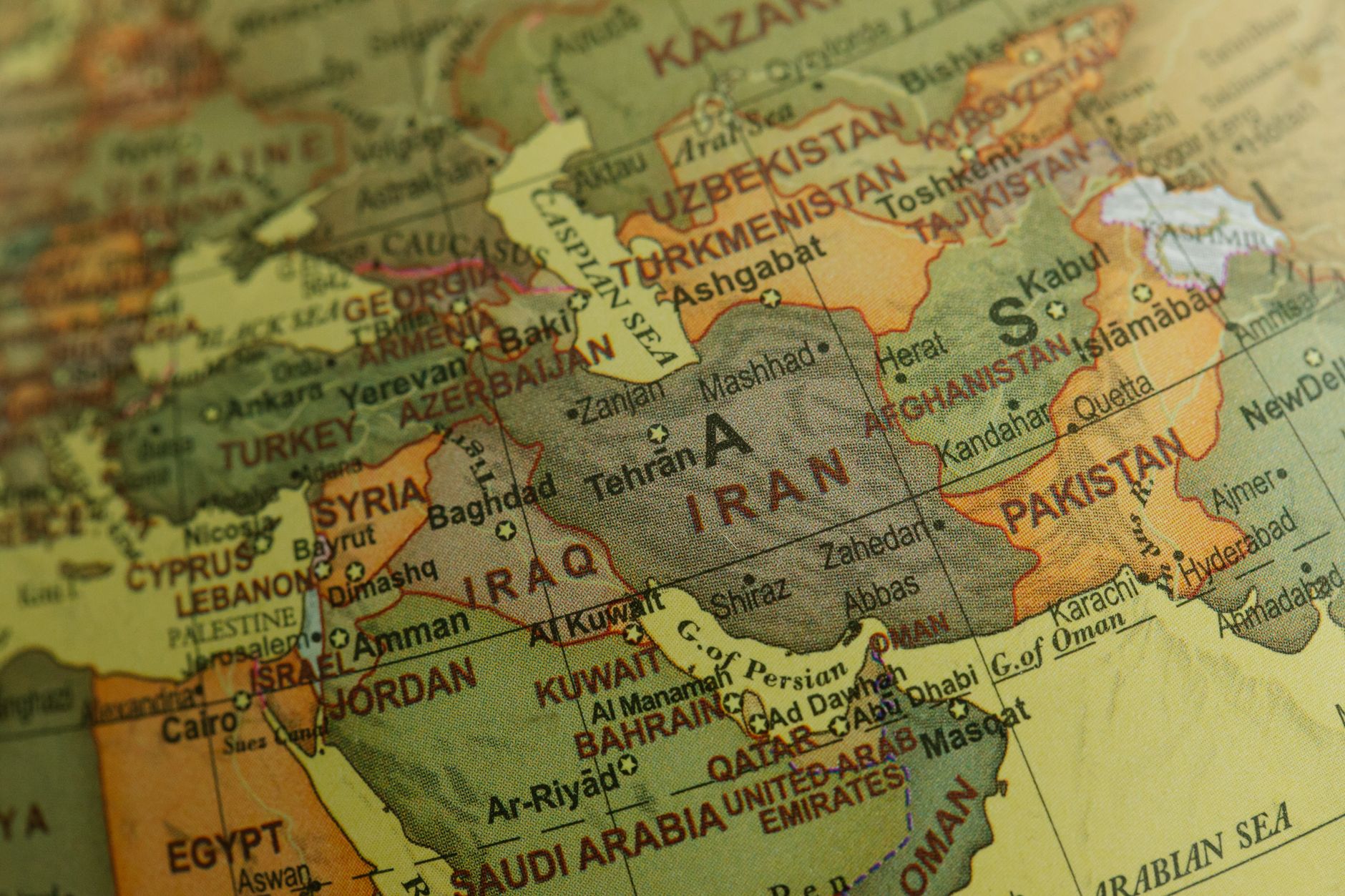
The $300 billion Iran deal is private investment in name, but government-backed in structure—creating legal and political land mines for investors and policymakers alike.

The “$300 billion” claim conflates unfrozen assets with government spending—a false distinction that distorts Iran policy debate.
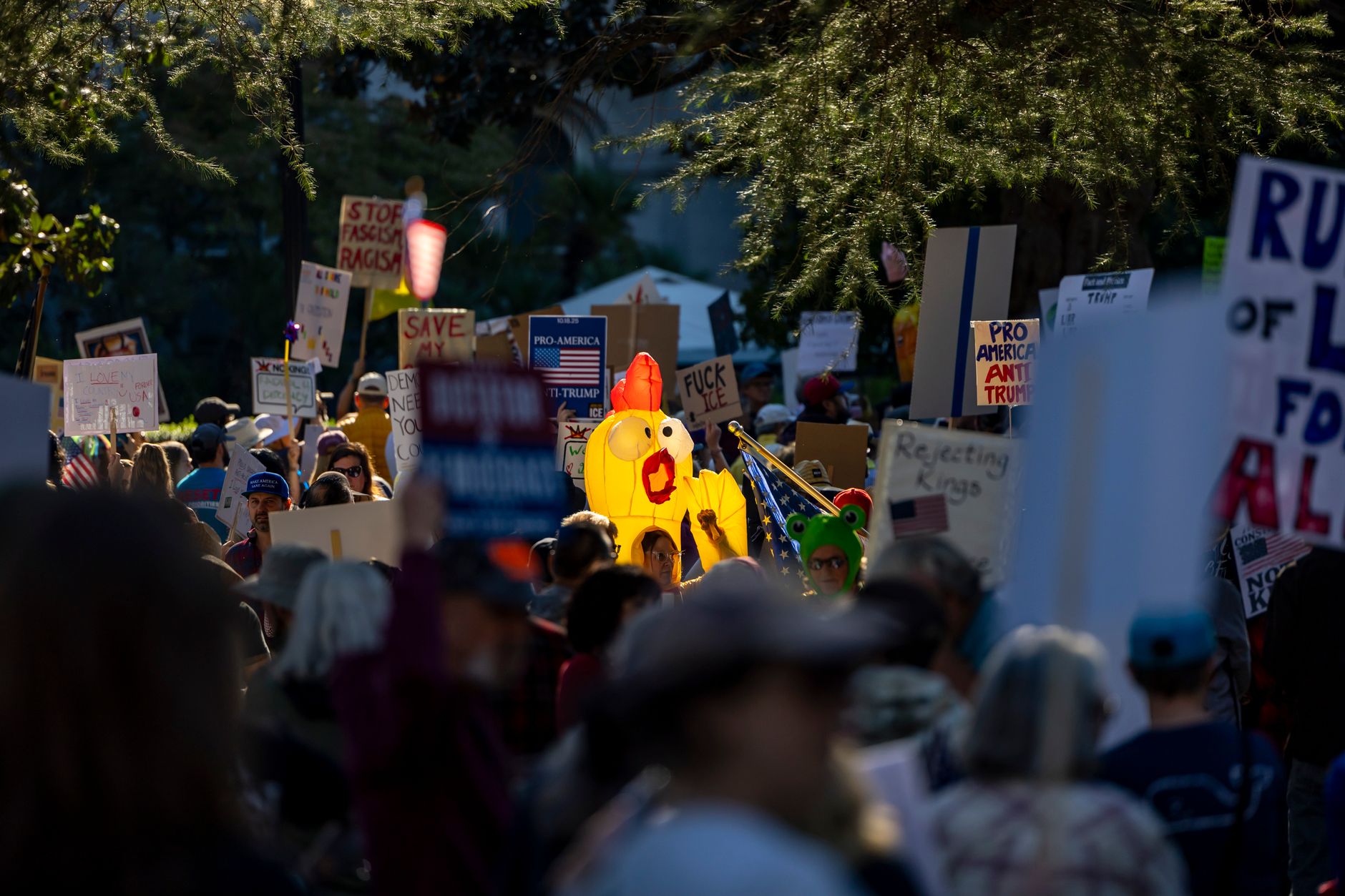
Trump administration refuses to honor alleged $300 billion in Iranian claims, proposing sanctions intensification instead of direct payments.

Over $150 billion in private capital already committed to rebuild Iranian infrastructure—here’s why investors think it’s profitable.

Iran must dismantle its nuclear program and accept international inspection to access $300 billion—but the deal details remain unsigned as of June 2026.
Iran must dismantle its nuclear program and accept international inspections to unlock a $300 billion private investment fund, not a cash transfer, with pledges already exceeding $150 billion.
The $300 billion isn’t direct U.S. cash aid—it’s private investment unlocked through sanctions relief and frozen asset access.
We cover the Trump administration because that is the beat, and we report what documents say rather than what either side says about them. Where a claim is contested we name who contests it and link both records.
Primary sources: court dockets and filings, the Federal Register, agency press releases and rulemaking notices, SEC filings, state Attorney General announcements and inspector-general reports. Each report links the document it is built on.
No. We report what a settlement covers and link the official claims administrator, which is the only place that can answer eligibility. We are not lawyers and nothing here is legal advice.
The executive-order tracker lists orders as signed, by date. The second-term clock counts to noon Eastern on 20 January 2029, the moment fixed by the 20th Amendment. Both run in your browser from published figures, with the sources set out on each page.
The site may carry contextual advertising, which never determines what is covered or how. We do not accept payment to feature a case, a firm or a claim, and we do not publish sponsored reports.