

Trump Historic-Preservation Changes Raise New Questions for Tribal Sacred Lands
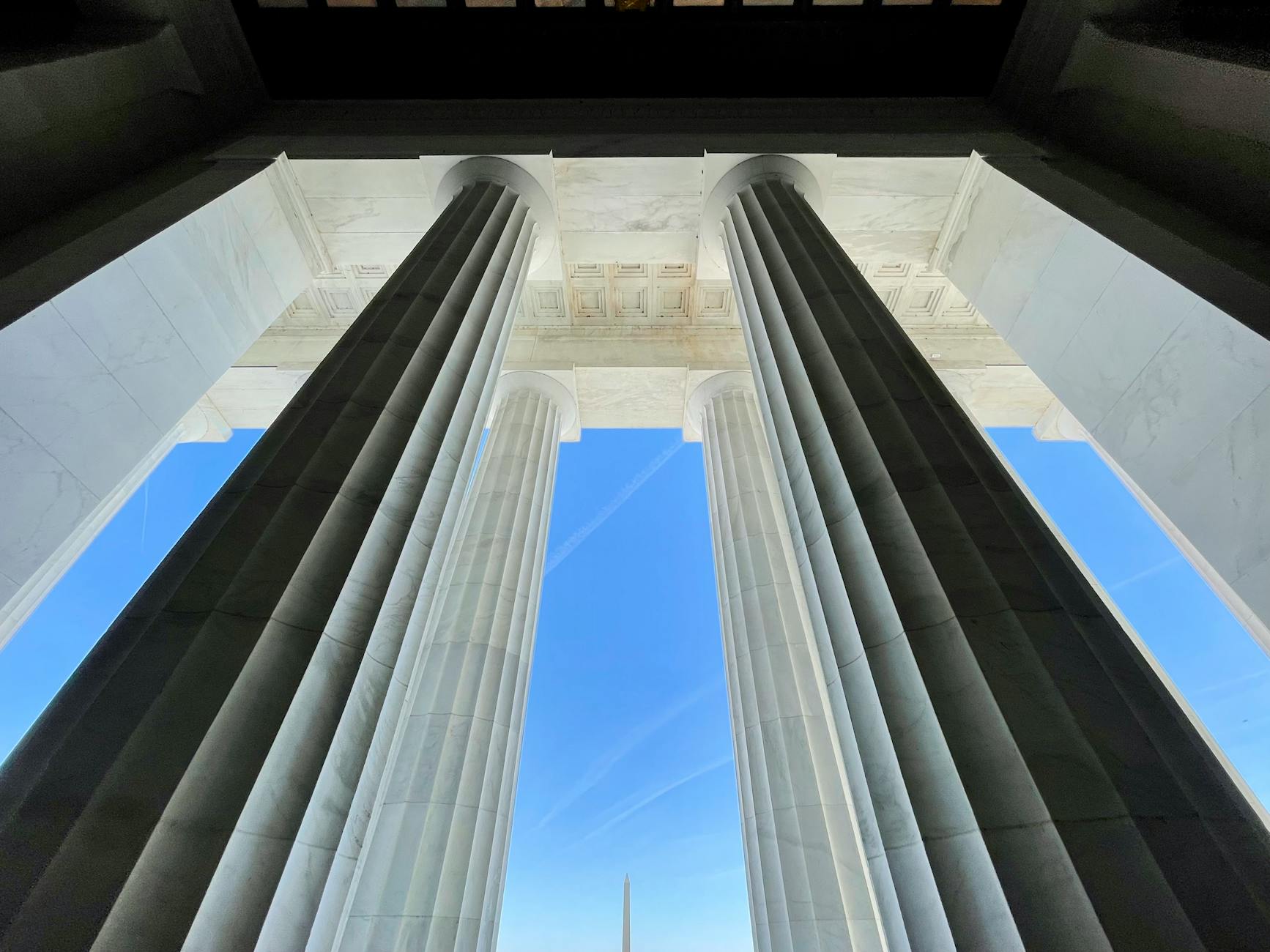
Trump administration proposes eliminating tribal consultation for projects affecting sacred lands, replacing a decades-old protection with unilateral agency approval.
Following the record: lawsuits, executive orders and the money, sourced to the filing.
The full list as signed, with dates - the primary record rather than the coverage of it.
Time remaining to noon on 20 January 2029, the moment fixed by the 20th Amendment, plus debt and key dates.
Every case we track, and what a court has actually decided in each - filed, certified, settled or judged.
Claims we have checked, with the primary source for each one.

Every report here starts from a primary record - the docket, the filing, the Federal Register notice, the agency release. Where a matter is contested we say who contests it. A complaint asserts and a court finds, and we do not blur the two.

The executive-order tracker lists what was signed and when. The second-term clock runs to noon on 20 January 2029, the moment fixed by the 20th Amendment. Our lawsuits desk follows the class actions and settlements tied to the administration, from the complaint through to the court's ruling.
Trump administration proposes eliminating tribal consultation for projects affecting sacred lands, replacing a decades-old protection with unilateral agency approval.

Trump’s Section 106 proposal removes mandatory public participation in federal project reviews, allowing agencies to skip community consultation entirely on historic properties and Tribal sites.
The overhaul reflects a broader Trump administration effort to accelerate infrastructure development by cutting regulatory timelines.
Congress, not design agencies, legally controls whether the Trump arch can be built—but the administration is arguing a 1925 law exempts it from needing Congressional approval.
NPS review found a 250-foot Trump Arch would harm 37 historic sites, disrupting visual sightlines between Arlington, Lincoln Memorial, and Capitol landmarks.
Federal review found the arch would harm 37 historic sites; the government then changed the rules to proceed anyway.
The National Park Service identified 37 historic properties adversely affected by the proposed 250-foot arch, forcing mandatory federal consultation on mitigation.
A federal court ruled that President Trump cannot demolish White House portions without congressional approval, redefining presidents as stewards, not owners.
Federal courts block Trump’s $400 million White House ballroom project, ruling the President cannot modify public property without congressional approval—even with private funding.
Appeals court blocked Trump’s $600M White House ballroom without congressional approval; Supreme Court petition likely within weeks.
We cover the Trump administration because that is the beat, and we report what documents say rather than what either side says about them. Where a claim is contested we name who contests it and link both records.
Primary sources: court dockets and filings, the Federal Register, agency press releases and rulemaking notices, SEC filings, state Attorney General announcements and inspector-general reports. Each report links the document it is built on.
No. We report what a settlement covers and link the official claims administrator, which is the only place that can answer eligibility. We are not lawyers and nothing here is legal advice.
The executive-order tracker lists orders as signed, by date. The second-term clock counts to noon Eastern on 20 January 2029, the moment fixed by the 20th Amendment. Both run in your browser from published figures, with the sources set out on each page.
The site may carry contextual advertising, which never determines what is covered or how. We do not accept payment to feature a case, a firm or a claim, and we do not publish sponsored reports.