Why the Trump Kennedy Center Closure Plan Became a Governance Lawsuit

Learn why trustee voting, weak evidence, and the Kennedy Center’s legal mission—not renovation alone—drove the lawsuit.

Following the record: lawsuits, executive orders and the money, sourced to the filing.
The full list as signed, with dates - the primary record rather than the coverage of it.
Time remaining to noon on 20 January 2029, the moment fixed by the 20th Amendment, plus debt and key dates.
Every case we track, and what a court has actually decided in each - filed, certified, settled or judged.
Claims we have checked, with the primary source for each one.

Every report here starts from a primary record - the docket, the filing, the Federal Register notice, the agency release. Where a matter is contested we say who contests it. A complaint asserts and a court finds, and we do not blur the two.

The executive-order tracker lists what was signed and when. The second-term clock runs to noon on 20 January 2029, the moment fixed by the 20th Amendment. Our lawsuits desk follows the class actions and settlements tied to the administration, from the complaint through to the court's ruling.
Learn why trustee voting, weak evidence, and the Kennedy Center’s legal mission—not renovation alone—drove the lawsuit.

Readers can distinguish the pending merits appeal from the failed stay request and see which orders remain in force.
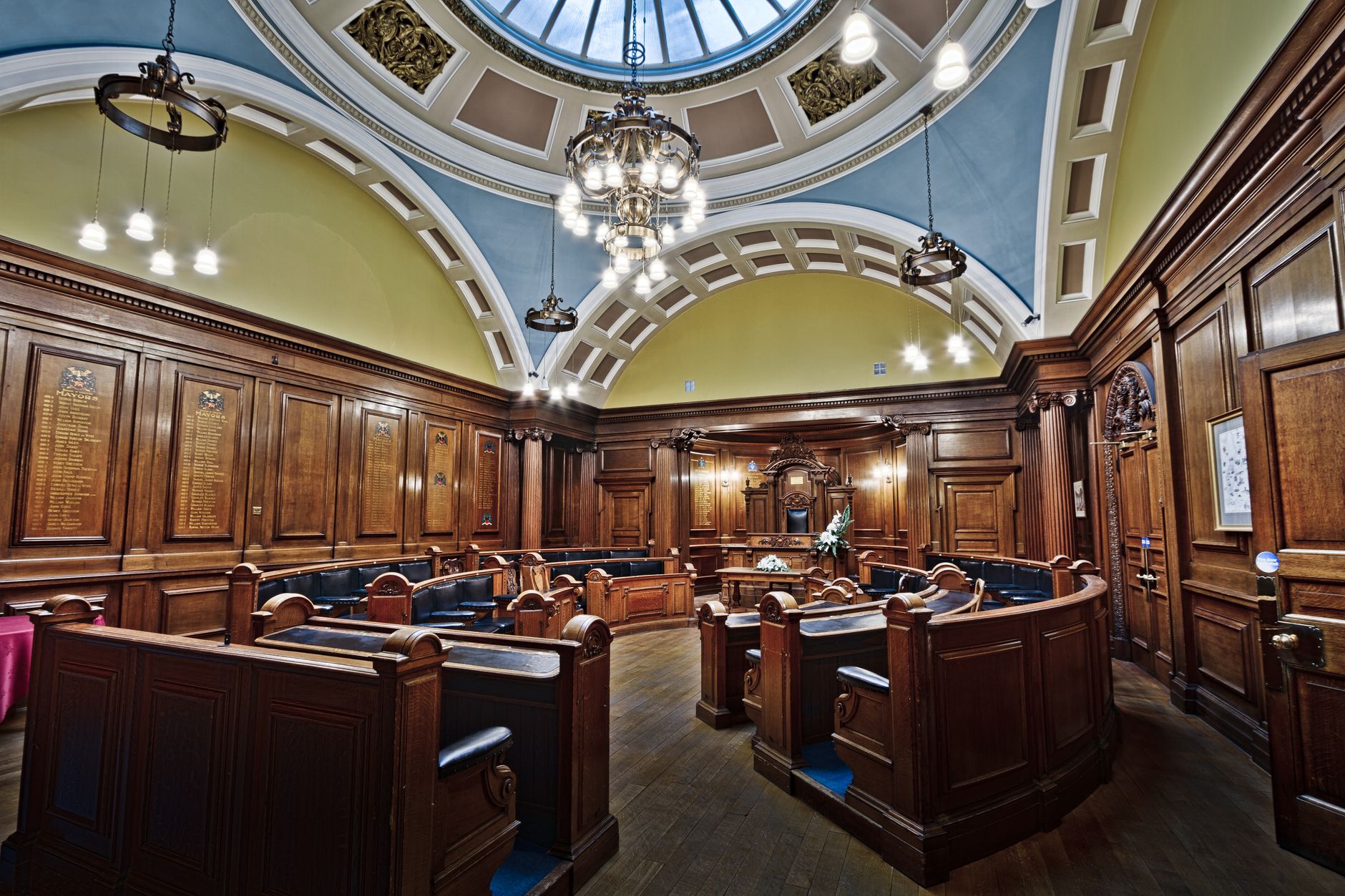
Learn what the ballroom ruling actually stops, why its reach is narrow, and which federal review process applies nationwide.

See what Trump can change in Washington—and where Congress and federal review bodies still constrain monument plans.

Learn what the EEOB paint plan would change, why granite experts object, and which approvals and court steps remain.
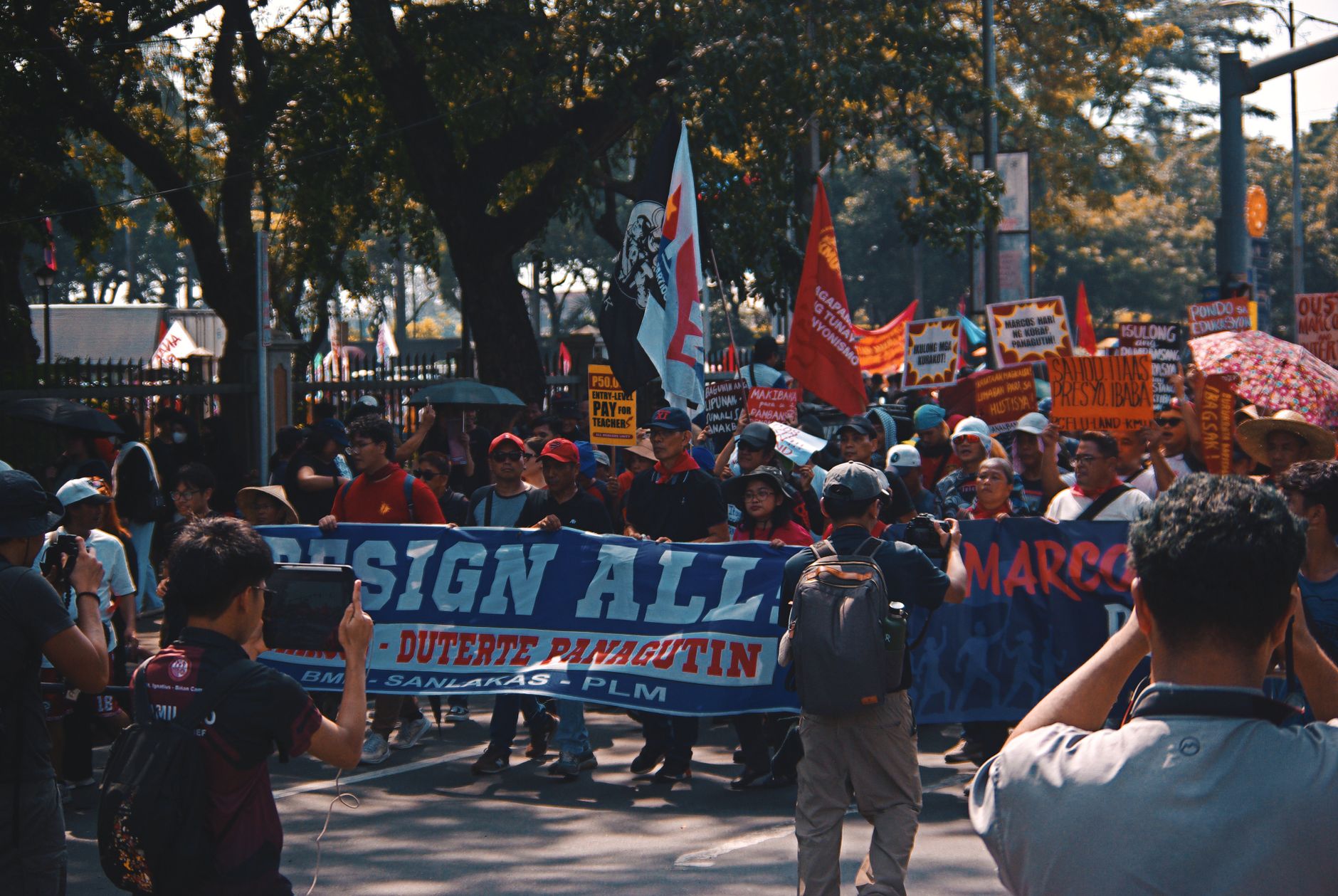
Learn when a Section 106 lawsuit may become viable, what challengers must prove, and which groups face the clearest stakes.
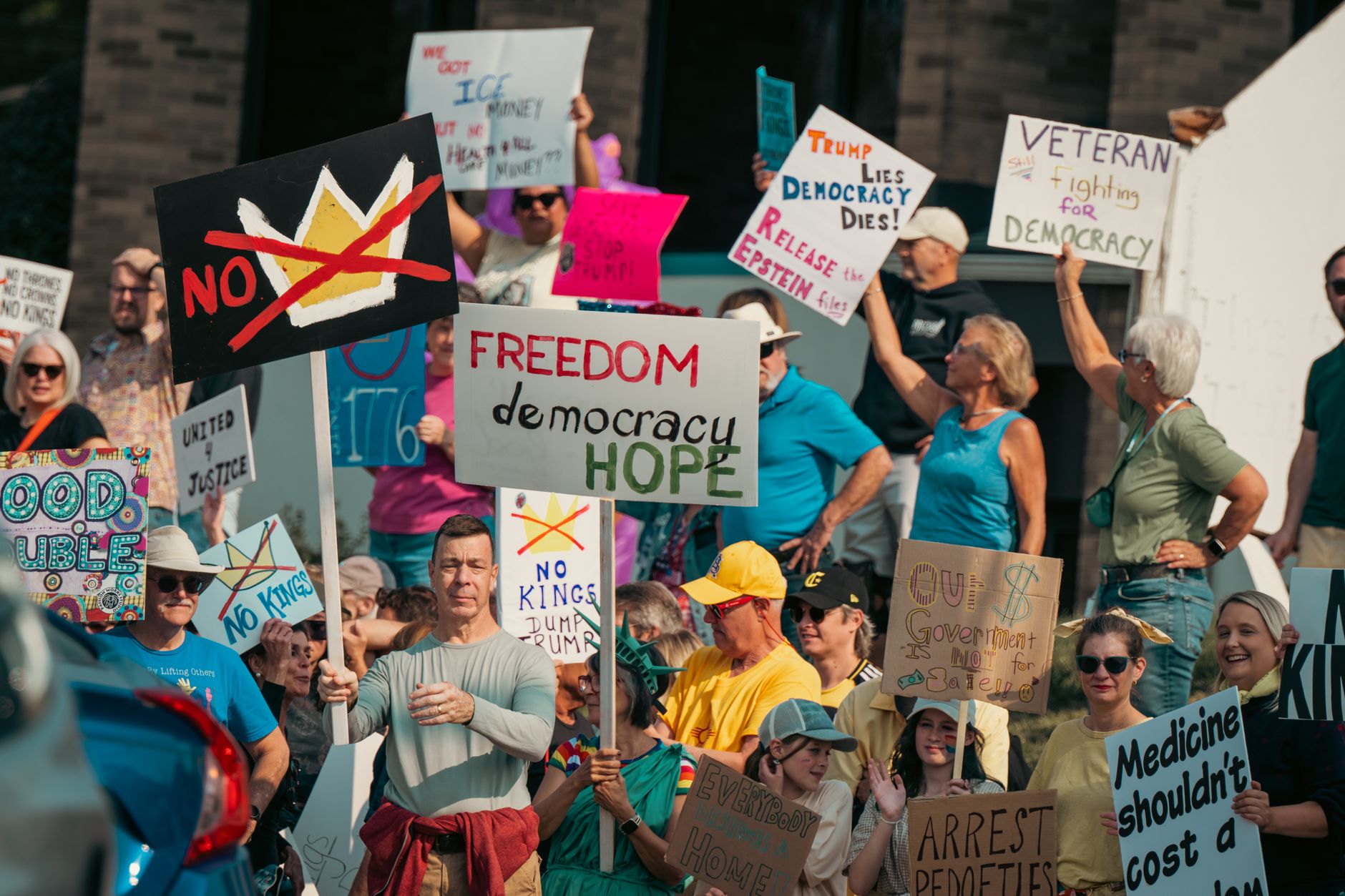
Trump-appointed federal officials voted to weaken historic-preservation rules, making tribal input optional and narrowing site protections to speed infrastructure projects.

Trump’s Section 106 proposal would weaken protections for historic properties, tribal consultation, and cultural landscapes affected by federal highways and energy projects.
Trump administration proposes eliminating tribal consultation for projects affecting sacred lands, replacing a decades-old protection with unilateral agency approval.
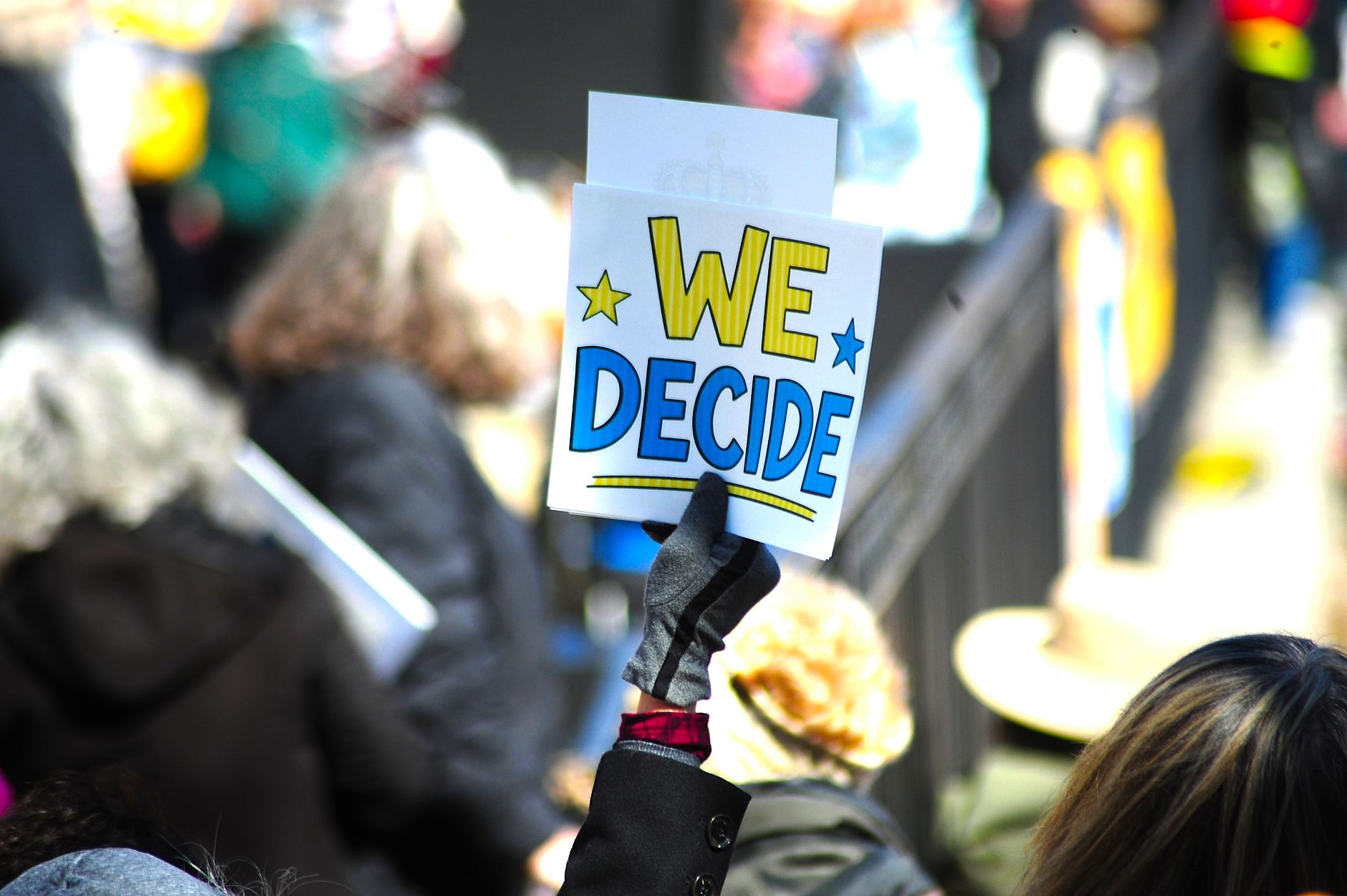
Trump’s Section 106 proposal removes mandatory public participation in federal project reviews, allowing agencies to skip community consultation entirely on historic properties and Tribal sites.
We cover the Trump administration because that is the beat, and we report what documents say rather than what either side says about them. Where a claim is contested we name who contests it and link both records.
Primary sources: court dockets and filings, the Federal Register, agency press releases and rulemaking notices, SEC filings, state Attorney General announcements and inspector-general reports. Each report links the document it is built on.
No. We report what a settlement covers and link the official claims administrator, which is the only place that can answer eligibility. We are not lawyers and nothing here is legal advice.
The executive-order tracker lists orders as signed, by date. The second-term clock counts to noon Eastern on 20 January 2029, the moment fixed by the 20th Amendment. Both run in your browser from published figures, with the sources set out on each page.
The site may carry contextual advertising, which never determines what is covered or how. We do not accept payment to feature a case, a firm or a claim, and we do not publish sponsored reports.