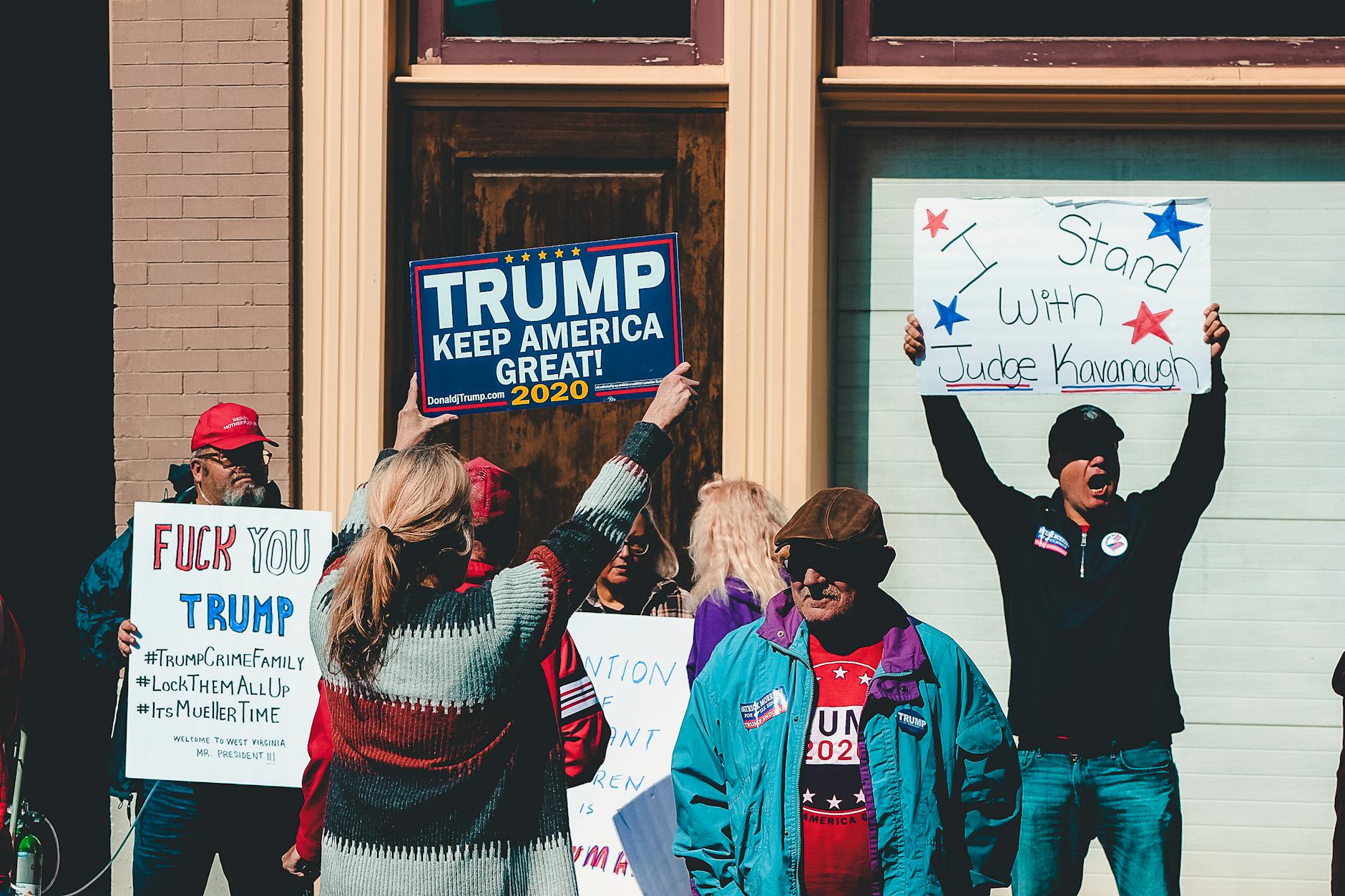
Kerry Sheron, a 69-year-old U.S. Army veteran, died on May 26, 2026, from injuries sustained during a violent attack outside his Trump-themed home in Escondido, California. The assault, which occurred in late May, left Sheron with severe head trauma after being struck multiple times by Thomas Caleb Butler, a 32-year-old suspect who punched the homeowner in the jaw before he fell to the ground.
What began as charges of attempted murder against Butler are now expected to be upgraded to murder following Sheron’s death in the hospital. The case has drawn significant attention due to the political nature of Sheron’s home decorations and the tragic outcome. A bystander who attempted to intervene during the altercation was also injured in the incident. While investigators have not found “definitive evidence” that the attack was motivated by political hatred, the investigation remains ongoing as authorities continue to examine whether the assault was specifically targeted because of Sheron’s Trump-supporting display.
Table of Contents
- What Happened During the Attack on the Escondido Trump House?
- Criminal Charges and the Investigation Into Motive
- The Role of the Bystander and Community Response
- Legal Implications and Standards for Hate Crime Classification
- Risks Associated with Visible Political Expression in Public Spaces
- The Investigation’s Ongoing Status and Prosecutorial Path
- Broader Context of Political Violence and Community Safety
- Conclusion
What Happened During the Attack on the Escondido Trump House?
The attack on Sheron’s property unfolded quickly and violently. According to reports, Butler punched Sheron once in the jaw with enough force to knock him down, after which the attacker continued striking him repeatedly in the head while he lay on the ground. This initial incident, which might have resulted in severe injury alone, ultimately proved fatal when combined with complications that developed during Sheron’s hospitalization.
The fact that a second person was injured while trying to help Sheron demonstrates how the violence escalated beyond a single targeted confrontation. The location—Sheron’s Trump-decorated home in Escondido—added significant public interest to what might otherwise have been a standard violent crime case. Sheron had become locally known for his patriotic and pro-Trump decorations, making his home a recognizable fixture in the community. Neighbors and community members expressed shock that such a violent attack would occur at what had become a landmark property in the area.
Criminal Charges and the Investigation Into Motive
Thomas Caleb Butler was initially charged with attempted murder, but prosecutors indicated they would upgrade the charges to murder in light of Sheron’s death. This progression is standard legal procedure—initial charges are often set based on the suspect’s intent at the time of the attack, and as circumstances change (including a victim’s death), charges are reassessed. The upgrade from attempted murder to murder represents a significant escalation in the severity of the charges Butler faces.
A critical limitation in the investigation involves the determination of motive. Despite the obvious connection between Sheron’s trump-themed home and a violent attack upon him, Escondido Police stated they have not found “definitive evidence” that the assault was a politically motivated hate crime. This lack of definitive evidence does not mean the motive was not political—it reflects the investigative standard required to formally classify and charge a case as a hate crime. Without clear evidence directly linking Butler’s actions to animosity toward Trump supporters or Sheron’s political expression, authorities cannot definitively label it as such, even as the investigation continues.
The Role of the Bystander and Community Response
During the altercation, a bystander attempted to intervene to help Sheron, an act of civic courage that reflects how community members sometimes respond to violence in their neighborhoods. This bystander was also injured during the struggle, raising questions about the ferocity of the attack and Butler’s apparent lack of restraint even when facing resistance. The injury to this individual demonstrates a real-world limitation of direct intervention in violent situations—attempts to stop an assault can place additional people at risk.
Sheron’s death has resonated throughout his community, particularly among those who knew him or admired his visible political expression through his home decorations. The case has become emblematic of broader concerns some Americans hold about political polarization potentially leading to violence. Whether the attack was purely politically motivated or driven by other factors remains a subject of ongoing investigation and public interest.
Legal Implications and Standards for Hate Crime Classification
The distinction between a violent crime and a hate crime carries significant legal consequences for perpetrators and implications for community safety assessments. A hate crime conviction typically carries enhanced sentencing and allows prosecutors to argue that the defendant acted with specific intent to intimidate or harm individuals based on protected characteristics. In contrast, a standard violent crime charge focuses on the violence itself without regard to the defendant’s motivation regarding the victim’s identity or beliefs.
To prosecute a case as a hate crime, prosecutors generally must establish that the defendant’s actions were substantially motivated by prejudice. This is a higher evidentiary bar than simply showing that a crime occurred against someone with particular beliefs or decorations. The investigation into Sheron’s case reveals a real-world tradeoff: while the victim’s political expression is conspicuous and the timing of the attack suggestive, proving beyond reasonable doubt that this specific motive drove the attack requires more direct evidence—such as statements by the perpetrator, witness testimony about the suspect’s intent, or other documentary evidence.
📨 Get Free Accountability Coverage Alerts
Free · No spam · Unsubscribe anytime
Risks Associated with Visible Political Expression in Public Spaces
Sheron’s case raises practical concerns about the relationship between visible political expression and personal safety. While Americans have constitutional rights to display their political preferences, the incident serves as a warning that such visible displays—whether Trump decorations, political signs, or other expressions—can occasionally make property owners targets of hostility. This is not an argument against political expression; rather, it’s a recognition that homes displaying prominent political symbols may warrant additional security considerations.
Property owners who maintain highly visible political decorations should be aware of potential vulnerabilities. The warning here is not about the legality or appropriateness of such displays, but rather about practical security measures homeowners might consider, such as outdoor lighting, security cameras, or neighborhood watch participation. Different regions and communities present different risk profiles for politically themed property displays, making localized assessment important for homeowners who wish to engage in visible political expression.
The Investigation’s Ongoing Status and Prosecutorial Path
Escondido Police continue investigating the circumstances surrounding Sheron’s death and Butler’s actions. The investigation’s findings could potentially influence whether the case ultimately involves hate crime charges or remains purely violent crime charges.
As the legal process moves forward, the distinction between these two categories will have significant consequences for Butler’s sentencing, the justice system’s official characterization of the incident, and how the case is recorded in crime statistics and community safety databases. Butler’s path through the criminal justice system will likely involve preliminary hearings, grand jury proceedings, and potentially a trial where evidence about his motive will be presented and examined. The upgraded murder charge significantly raises the stakes for the defendant, potentially exposing him to decades of imprisonment depending on jurisdiction and whether additional charges are added.
Broader Context of Political Violence and Community Safety
The Sheron case occurs within a broader context of increasing concern about political polarization in America and whether it correlates with instances of violence. While experts debate the causal relationship between heated political rhetoric and actual violence, incidents like this add concrete data points to that ongoing national conversation.
Whether any particular violent incident is truly politically motivated or only appears so on its surface remains a question that investigators, prosecutors, and communities continue to grapple with. The case also underscores questions about how communities can balance free political expression with personal safety, and how law enforcement should approach incidents where political symbols are involved. As the investigation concludes and legal proceedings advance, the Sheron case will likely continue to inform discussions about political civility, community safety, and the relationship between public expression and private security.
Conclusion
Kerry Sheron’s death represents a tragic intersection of violent crime and political polarization in contemporary America. A 69-year-old Army veteran was killed during an unprovoked assault at his home, and while his killer’s motive remains under investigation, the incident has raised important questions about visible political expression, community safety, and how authorities classify and prosecute violent crimes. The expected upgrade of charges from attempted murder to murder reflects how the legal system responds to fatal outcomes, though the determination of whether the attack was politically motivated remains ongoing.
As the investigation continues and criminal proceedings move forward, the case serves as a reminder that violence can intrude into communities in unexpected ways, and that Americans must grapple with difficult questions about balancing free expression with personal security. The facts of Sheron’s case will ultimately be determined through the legal process, where evidence about Thomas Caleb Butler’s motivations will be examined and presented to the court. The outcome will likely influence how similar incidents are understood and prosecuted going forward.
You Might Also Like
- Trump House Owner Dies After Brutal Attack Outside His Flag-Covered Home
- Owner of Southern California Trump House Dies After Alleged Attack Outside His Home
- Army Veteran Behind Famous Trump-Themed Home Dies Days After Broad Daylight Assault