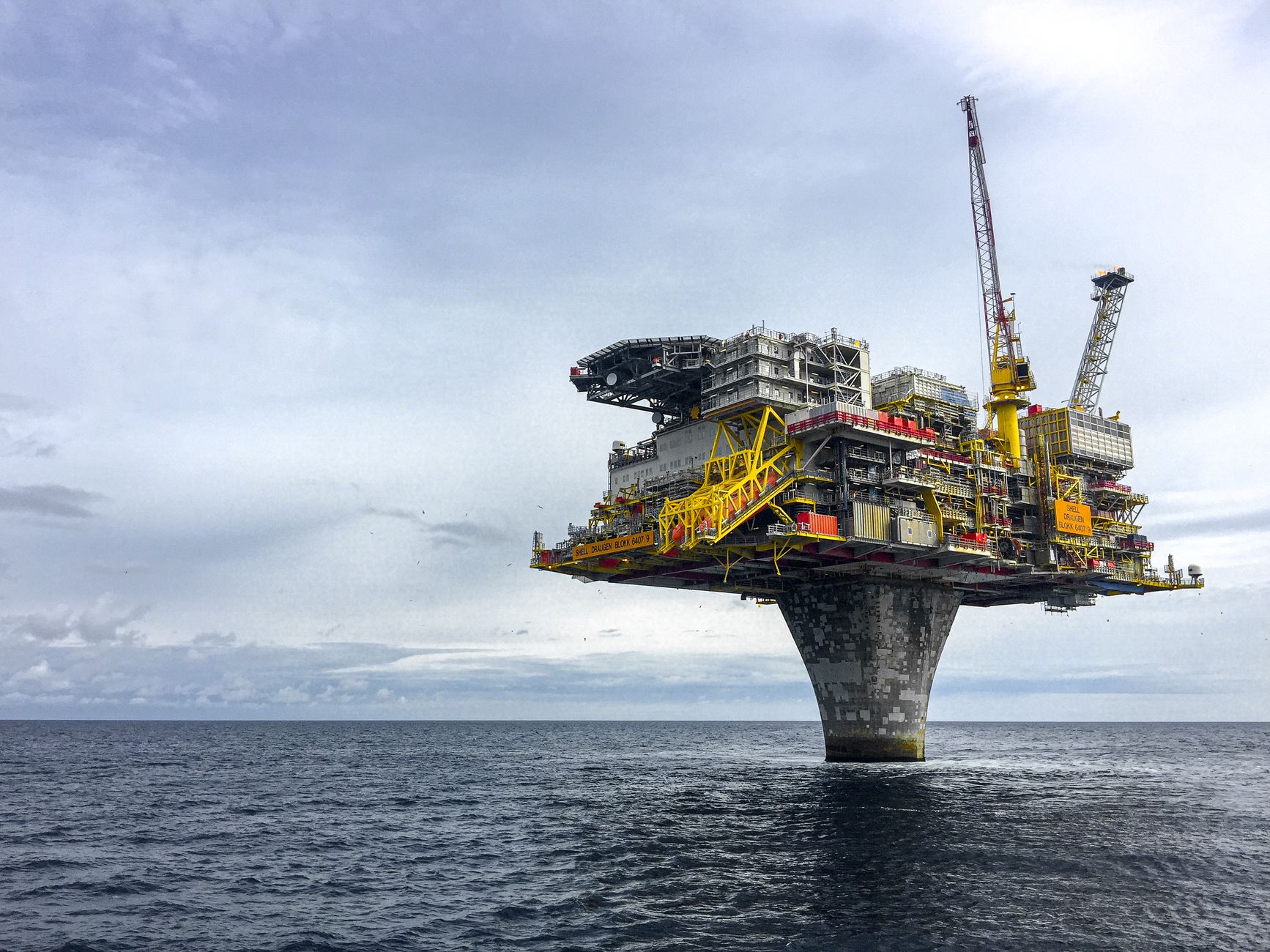
Yes, crude oil prices could push inflation higher again. As of May 2026, Brent crude oil is trading at approximately $104 per barrel, up nearly 60% from the same period last year. The U.S. Energy Information Administration and International Energy Agency have documented how oil price increases directly translated into headline inflation gains during the first quarter of 2026—specifically, a 1.7 percentage point increase in the annualized PCE inflation rate. With major supply disruptions in the Middle East still limiting global crude availability, the risk of further inflationary pressure remains real, even as some analysts expect relief by late 2026.
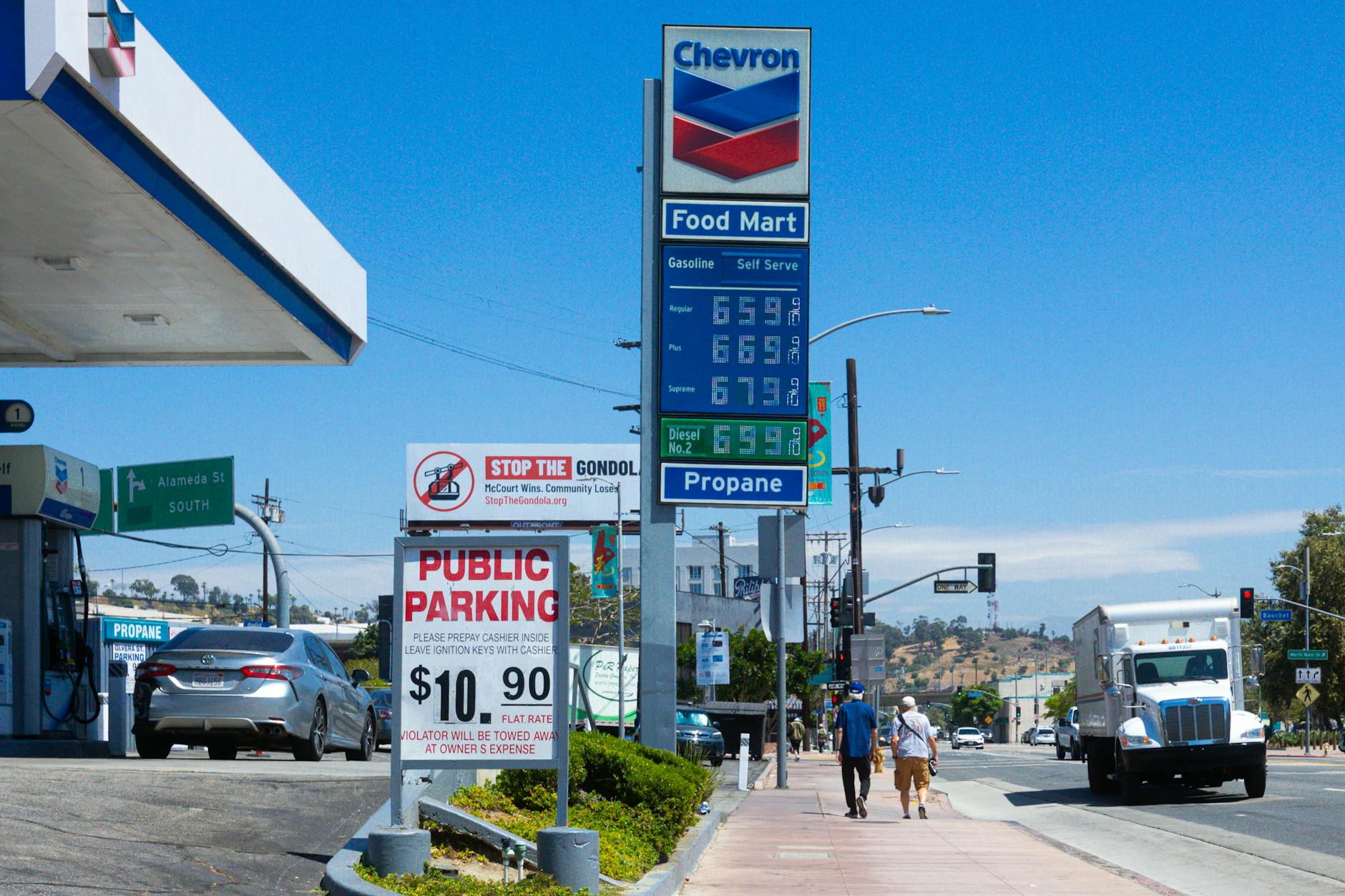
The connection between oil prices and inflation is not theoretical. When a barrel of crude costs $104 instead of $63, that translates to higher gasoline and diesel prices at the pump. On March 30, 2026, the average American paid $3.99 per gallon for gasoline—the highest price in over two years—while diesel reached $5.40 per gallon. These price increases ripple through the economy: higher transportation costs drive up the price of food, goods, and services. The question is not whether oil can push inflation higher, but whether the current supply constraints will persist long enough to sustain elevated prices.
Table of Contents
- How Much Have Oil Prices Risen, and What’s Driving the Increases?
- What Impact Have Rising Oil Prices Had on Inflation So Far?
- What Is the Forecast for Oil Prices Through the End of 2026?
- What Should Consumers and Businesses Know About Managing Higher Oil-Related Costs?
- Could Oil Prices Spike Higher From Current Levels?
- How Do Higher Oil Prices Affect Different Economic Sectors?
- What Comes Next—Will Inflation Risk Subside or Persist?
- Conclusion
How Much Have Oil Prices Risen, and What’s Driving the Increases?
Crude oil prices have experienced dramatic year-over-year growth. Brent crude, the global benchmark, is approximately 60% higher than May 2025, trading at $104 per barrel compared to roughly $64 a year earlier. WTI (West Texas Intermediate), the U.S. benchmark, hovers around $97 per barrel. This represents a $40-44 price increase per barrel compared to May 2025 levels. The primary driver is supply disruption in the Middle East. According to the International Energy Agency’s May 2026 Oil Market Report, 12.8 million barrels per day of supply have been lost since February 2026 due to regional instability and military actions affecting the Strait of Hormuz.
The scope of this supply loss is substantial. The IEA documents that 14.4 million barrels per day from Gulf countries remain below pre-war levels following the closure of the Strait of Hormuz on February 28, 2026. In April 2026 alone, Iraq, Saudi Arabia, Kuwait, the United Arab Emirates, Qatar, and Bahrain collectively shut in 10.5 million barrels per day of production. For context, this volume exceeds the total daily oil consumption of the European Union. When that much crude disappears from global markets, prices rise significantly because oil demand remains relatively inelastic—businesses and consumers cannot quickly reduce their consumption. The current price levels are not anomalies; they reflect genuine scarcity. Unlike temporary price spikes from minor disruptions, the current situation involves major producers offline indefinitely. energy traders and market analysts must account for the real possibility that these supply constraints could persist throughout 2026, keeping prices elevated well above historical averages.

What Impact Have Rising Oil Prices Had on Inflation So Far?
The data from the first half of 2026 demonstrates that oil prices have already contributed materially to inflation. The Center for Economic and Policy Research calculated that the impact of the Iran war and Middle East disruptions resulted in a headline PCE inflation increase of 1.7 percentage points on an annualized basis during Q1 2026. To put this in perspective, the entire inflation rate in some periods hovers around 3-4%, so a 1.7 percentage point contribution from oil is substantial. Additionally, core inflation (which excludes volatile food and energy) felt a 0.4 percentage point impact from energy prices in Q2 2026, indicating that higher energy costs are beginning to penetrate other parts of the economy. The retail level shows these impacts clearly. Gasoline prices reached $3.99 per gallon on March 30, 2026, marking the highest level in over two years. Diesel, which affects trucking and agricultural operations, climbed to $5.40 per gallon during the same period.
These prices have effects beyond the pump. A small trucking business paying 50% more for fuel than it did twelve months earlier must either accept lower profit margins or pass those costs to customers. Farmers purchasing diesel for equipment face the same squeeze. These cost increases move up the supply chain: food prices rise, delivery costs increase, and the inflation consumers experience at the grocery store becomes more severe. The limitation here is that not all inflation can be traced to oil. While energy contributes significantly, wages, housing, food production, and labor costs also drive price increases. However, the documented 1.7 percentage point contribution from oil means that without the Middle East disruptions, inflation would have been measurably lower in early 2026. This also means that if these disruptions continue, further inflation risks remain credible.
What Is the Forecast for Oil Prices Through the End of 2026?
Energy market forecasts indicate that current price levels may persist into the summer months before declining later in the year. The U.S. Energy Information Administration projects Brent crude to trade around $106 per barrel during May and June 2026, slightly above current levels. This suggests that markets expect the supply disruptions to remain in place for at least another month or two before any recovery begins. The forecast assumes that some portion of the lost Middle East production will return to markets as geopolitical tensions ease.
However, the second half of 2026 tells a different story. The EIA forecasts Brent crude to decline to $89 per barrel during the fourth quarter of 2026, and further to $79 per barrel in 2027. This dramatic decline reflects an expectation that Middle East production will gradually recover, increasing global supply and reducing the scarcity premium currently embedded in prices. If this forecast holds, consumers will see relief at the pump by autumn 2026, but only if the geopolitical situation stabilizes and no new disruptions emerge. A specific example of the risk: if tension in the Strait of Hormuz escalates again, the forecast becomes invalid and prices could remain above $100 for additional months.
What Should Consumers and Businesses Know About Managing Higher Oil-Related Costs?
For consumers, the immediate reality is that lower gas prices and diesel prices appear unlikely until at least September 2026. Those with discretion over transportation choices face a tradeoff: purchasing an electric vehicle or shifting to public transportation requires significant upfront investment but locks in lower long-term fuel costs. Carpooling, consolidating trips, and reducing unnecessary travel provide immediate relief without capital requirements. Small business owners cannot simply reduce oil consumption the way individuals can reduce driving, creating a genuine hardship for those in transportation, agriculture, and manufacturing. The comparison is stark: a contractor who budgeted for $2.50 per gallon diesel is now paying $5.40, effectively doubling a major input cost.
Businesses dependent on oil-derived products face additional complexity. Shipping companies, airlines, and manufacturers of plastic products all experience margin pressure when oil prices rise. Some companies can raise prices to offset higher costs; others cannot because their markets are competitive. Customers sensitive to price increases will shop elsewhere, and companies absorb the difference. This creates an incentive to reduce oil consumption through efficiency improvements, which takes time and capital investment. A manufacturer running older equipment may lack the funds or technical capability to upgrade to more efficient alternatives quickly, leaving them vulnerable to continued margin pressure if oil prices remain elevated.
📨 Get Free Accountability Coverage Alerts
Free · No spam · Unsubscribe anytime
Could Oil Prices Spike Higher From Current Levels?
The risk of further upside surprise in oil prices remains real, though perhaps less likely than continuation of current levels. The warning here is clear: prices will spike again if geopolitical events deteriorate further. The Strait of Hormuz closure occurred on February 28, 2026, eliminating already-substantial production. If additional military actions target other production regions, supply could contract further, pushing Brent crude above $110 or even $115 per barrel. Such a spike would exceed the headline PCE inflation impact of early 2026 and potentially force the Federal Reserve to maintain higher interest rates longer than currently anticipated.
The limitation of current forecasts is that they assume stability in geopolitical conditions. Middle East energy markets are inherently unstable, and markets have a poor track record predicting military actions or political decisions. Forecasters in early 2022 did not anticipate the Russia-Ukraine war or its energy market impacts. Similarly, the February 2026 escalation that closed the Strait of Hormuz was not unanimously predicted weeks in advance. Investors and policy makers should treat the $79 per barrel 2027 forecast as optimistic rather than assured. If disruptions persist or expand, that forecast will be revised upward, potentially keeping oil elevated and inflation concerns alive throughout 2026 and into 2027.

How Do Higher Oil Prices Affect Different Economic Sectors?
Transportation and logistics companies face the most immediate pressure from higher oil costs. Airlines operating fleets of aircraft burning thousands of gallons of fuel per flight are particularly exposed. A 60% increase in jet fuel costs either requires higher ticket prices—which reduces demand—or reduced profits. The trade-off is visible in real markets: some airlines have added fuel surcharges to ticket prices, passing costs to consumers. Others have delayed fleet expansion or retired older, less-efficient aircraft to manage fuel cost impacts. A specific example is regional carriers serving smaller airports, which typically operate on tighter margins and lack the pricing power of major legacy carriers. These airlines face the most acute challenges in a high oil price environment.
Agriculture represents another vulnerable sector. Diesel powers tractors, irrigation pumps, grain dryers, and farming vehicles. A farmer operating 10,000 acres of corn might purchase 5,000 gallons of diesel annually. At $2.50 per gallon, that totals $12,500. At $5.40 per gallon, it costs $27,000—more than double. Crop insurance and commodity prices may not move proportionally, leaving farmers absorbing significant cost increases. This translates to higher food prices for consumers and potentially lower profitability for agricultural producers.
What Comes Next—Will Inflation Risk Subside or Persist?
The trajectory depends heavily on Middle East stability and whether production returns to normal. Current forecasts assume gradual recovery beginning in late summer 2026, with meaningful supply additions arriving by Q4. If that occurs, oil prices will decline toward the $80-90 range, providing inflation relief.
Consumer gasoline prices would likely fall from current $3.99 levels toward the $2.50-3.00 range, reducing pressure on household budgets and giving the Federal Reserve more flexibility to lower interest rates. The forward-looking insight is that oil price risks remain elevated for the remainder of 2026, but the probability of sustained high prices beyond late 2026 is lower if no new geopolitical escalations occur. Businesses should prepare for continued elevated energy costs through autumn 2026 but may find relief developing by year-end. Consumers should budget accordingly and monitor both oil price movements and geopolitical developments in the Middle East, as events in that region will likely determine whether inflation relief arrives on the optimistic forecast schedule or faces further delays.
Conclusion
Oil prices today are materially higher than a year ago, and they have already contributed meaningfully to inflation in early 2026. The 60% year-over-year increase in crude oil prices, driven by Middle East supply disruptions, resulted in a 1.7 percentage point addition to headline inflation in Q1 2026. Gasoline and diesel prices have climbed to their highest levels in over two years, creating real hardship for consumers and businesses dependent on transportation. The question in the title is answered affirmatively: oil prices could and have already begun to push inflation higher again.
The path forward depends on Middle East stability and production recovery. Current forecasts suggest oil prices will remain elevated through June 2026, begin declining in the third quarter, and fall substantially by year-end as supply constraints ease. However, energy markets carry genuine geopolitical risk—if circumstances deteriorate rather than stabilize, prices could spike further, intensifying inflation concerns. Consumers and businesses should prepare for continued high energy costs through at least September 2026 while monitoring developments that could either confirm the optimistic forecast or extend the period of elevated prices into 2027.
You Might Also Like
- Oil Prices Today: Could Oil Reach Triple Digits Again This Summer?
- Oil Prices Today: Energy Traders Watch the Strait of Hormuz
- Oil Prices Today: Why Investors Are Watching Crude Closely