
Several Caribbean nations offer paid maternity leave that significantly exceeds what most American workers receive. Countries like Jamaica provide 8 weeks of fully paid leave, Barbados offers 12 weeks at full pay, and Trinidad and Tobago guarantees 8 weeks paid plus additional unpaid leave—benefits that dwarf the United States’ singular offering: zero weeks of federally mandated paid maternity leave. The U.S.
stands alone among developed nations in failing to guarantee any paid time off for new mothers, relying instead on the Family and Medical Leave Act (FMLA), which provides only unpaid, job-protected leave for eligible workers—a distinction that leaves millions of American women facing financial hardship or forced early returns to work while recovery from childbirth is still underway. The policy gap reflects fundamentally different approaches to supporting working families. While American policymakers have long resisted paid leave as an entitlement, treating it as a private benefit left to individual employers, Caribbean governments recognize maternity leave as a public health and labor matter requiring legal protection. This isn’t ideology—it’s pragmatism born from understanding that unpaid leave is no leave at all for families living paycheck to paycheck, and that paid leave correlates with better health outcomes for both mothers and infants.
Table of Contents
- How Do Caribbean Maternity Leave Policies Compare to American Standards?
- Why Has the U.S. Failed to Adopt Paid Maternity Leave Despite Decades of Evidence?
- What Are the Health and Economic Consequences of Unpaid Leave in America?
- What Would American Paid Maternity Leave Look Like if Modeled After Caribbean Systems?
- What Limitations Exist in Caribbean Maternity Leave Systems?
- How Do International Standards Shape Expectations Around Maternity Leave?
- What’s Preventing U.S. Policy Change, and What Would It Take?
- Conclusion
- Frequently Asked Questions
How Do Caribbean Maternity Leave Policies Compare to American Standards?
The contrast becomes stark when examining the actual numbers. Barbados mandates twelve weeks at full salary, with an additional four weeks at half-pay available. Jamaica requires eight weeks paid leave, with the option for additional unpaid time. Trinidad and Tobago provides eight weeks fully paid, plus nine weeks unpaid. Meanwhile, FMLA-eligible american workers get twelve weeks unpaid—and that’s only if their employer has 50+ employees, they’ve worked there a year, and they work full-time.
Nearly 40% of American workers don’t qualify because their employers are too small. For those who do qualify but can’t afford to go unpaid, the benefit is meaningless. The financial reality matters: a woman earning $50,000 annually loses approximately $10,000 in gross income during three months of unpaid leave. In countries with paid maternity leave, her income continues. This isn’t a minor convenience—it’s the difference between keeping a home, affording childcare, and maintaining health insurance during a medically vulnerable period. Caribbean governments fund these benefits through social security systems and employer contributions, spreading the cost so no single family bears the full weight of having a child.
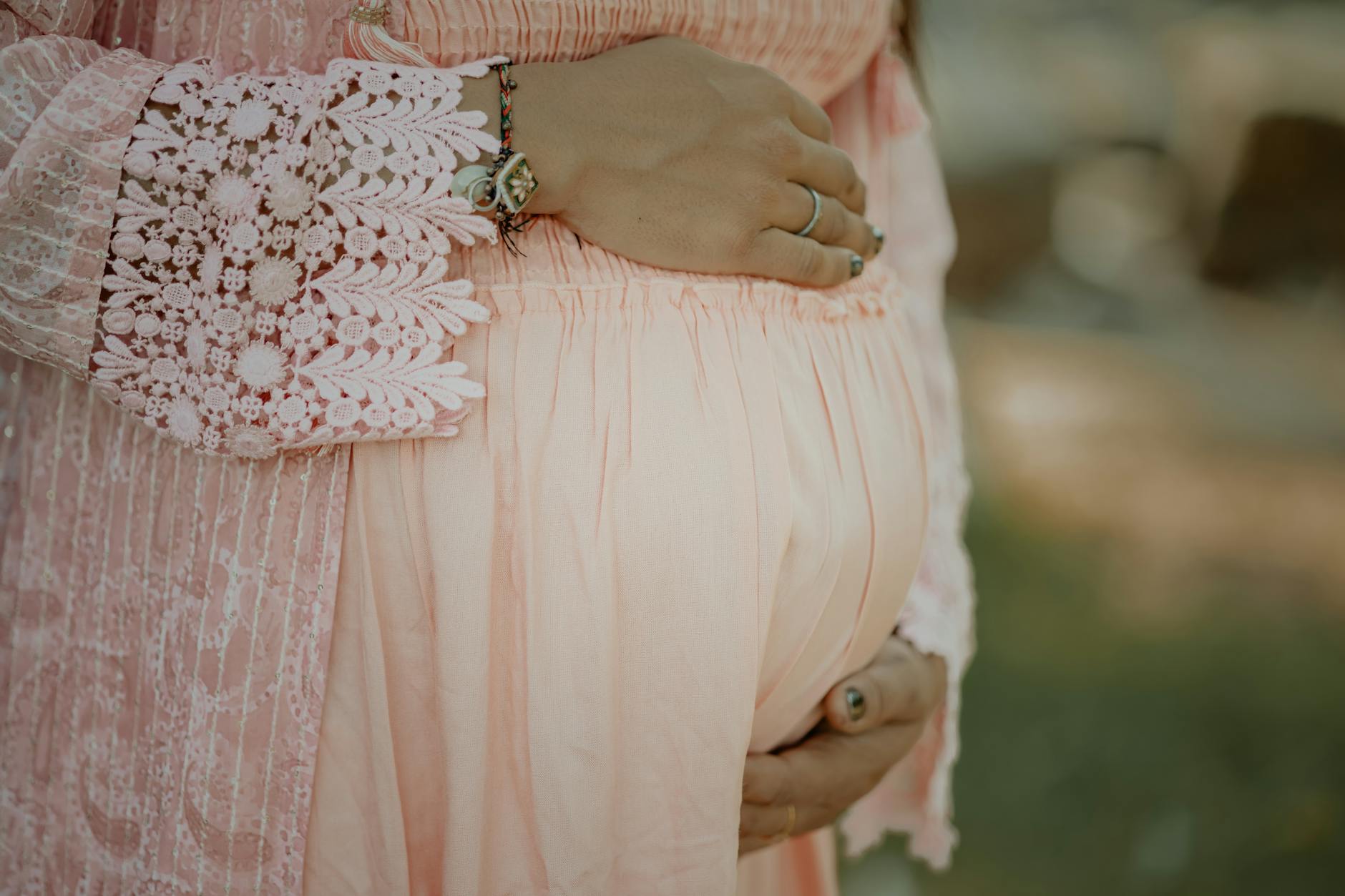
Why Has the U.S. Failed to Adopt Paid Maternity Leave Despite Decades of Evidence?
American opposition to federally mandated paid leave stems from a cluster of beliefs: that workplace benefits should remain voluntary rather than regulated, that mothers should be supported by their families or employers (not government), and that mandates increase employer costs and reduce hiring. These arguments carry weight in policy circles but haven’t survived real-world testing. Countries with paid leave mandates haven’t seen mass unemployment or business collapse—Germany, Canada, and Scandinavian nations all offer generous paid leave and maintain robust economies. The political barrier is significant.
Paid leave has been framed as a “women’s issue” rather than a family or economic issue, narrowing its coalition. Conservative opposition focuses on cost and government expansion, while business lobbies worry about administrative burden and liability. The result: proposals for paid family leave have repeatedly stalled in Congress, including during the Biden administration when Democrats held both chambers. Even modest proposals—like six weeks of paid leave—have failed to advance. Meanwhile, the absence of federal standards means American workers’ access to paid leave depends entirely on their employer’s generosity, creating a two-tier system where wealthy professionals at competitive companies get paid leave while lower-wage workers, hourly employees, and gig workers get nothing.
What Are the Health and Economic Consequences of Unpaid Leave in America?
The consequences are measurable. Research shows that mothers who return to work within twelve weeks of giving birth face elevated rates of postpartum depression and reduced breastfeeding rates—outcomes that improve significantly when paid leave extends 12-16 weeks. Infant mortality and childhood injury rates are also lower in countries with extended paid leave, likely because mothers have time to recover, bond, and establish feeding routines without the stress of impending income loss. Economically, unpaid leave creates cascading costs.
A mother forced back to work early may pay for inadequate childcare, leading to higher infection and injury rates among infants. Lost productivity from maternal stress and health complications costs employers more than paid leave would have. Long-term, the lack of paid leave disproportionately harms women’s careers: some mothers reduce hours or exit the workforce entirely because childcare costs exceed their potential income, particularly at lower wage levels. In the Caribbean, the guarantee of paid leave removes this calculation—mothers can return to work on schedule and maintain their earning trajectory.

What Would American Paid Maternity Leave Look Like if Modeled After Caribbean Systems?
A realistic U.S. policy could follow the Caribbean model: 8-12 weeks fully paid at 100% of salary, funded through a combination of employer contributions and a modest payroll tax similar to unemployment insurance. This would protect all workers regardless of employer size, eliminate the FMLA eligibility gap, and give mothers time to recover and establish a breastfeeding routine. The cost would be substantial—estimates suggest $30-40 billion annually for a national program—but far from prohibitive in a federal budget exceeding $6 trillion. The tradeoff is real, though not catastrophic.
Employers would see increased administrative overhead and would need to plan for temporary workforce gaps during peak leave periods. Small businesses—those with fewer than 50 employees that currently bear no FMLA obligations—would face new payroll costs. Some employers might reduce hiring of women of childbearing age, though countries with paid leave mandates have found this risk manageable through careful policy design (penalties for discrimination, clearly defined employer reimbursement rates). The question becomes: is the cost to business outweighed by improved public health, reduced poverty among new mothers, and more equitable labor participation? The Caribbean says yes. The U.S. hasn’t answered yet.
What Limitations Exist in Caribbean Maternity Leave Systems?
Caribbean policies, despite their superiority to American standards, have real limitations. Coverage gaps remain: self-employed workers, informal sector employees, and agricultural workers often fall outside paid leave protections, particularly in countries with less developed social security infrastructure. Jamaica’s program, for instance, requires workers to have contributed to social security for a minimum period, excluding some lower-wage women who move between jobs frequently. Barbados’ system is more comprehensive but still excludes the self-employed.
Enforcement is another challenge. Mandating paid leave on paper differs from guaranteeing it in practice. Countries with weaker labor enforcement see violations, delayed payments, and discriminatory non-hiring of women. Some Caribbean employers have reportedly found ways to pressure mothers to return early or to deny promotions to women approaching childbearing years. The existence of a policy is no guarantee women will access it without strong labor department oversight and real penalties for violations—something many Caribbean nations are still working to strengthen.

How Do International Standards Shape Expectations Around Maternity Leave?
The International Labour Organization recommends a minimum of fourteen weeks paid maternity leave, a standard met by most developed nations and many developing countries. The U.S. meets none of it. This gap affects American women’s ability to compete globally: if a talented American researcher or manager wants to work abroad, they suddenly gain access to paid leave in most countries—a benefit many take as a given once they experience it.
📨 Get Free Accountability Coverage Alerts
Free · No spam · Unsubscribe anytime
Conversely, companies operating internationally often provide paid leave to overseas employees while denying it to American workers, creating internal inequity. The standard also influences immigration patterns. Skilled women from developed nations sometimes hesitate to move to the U.S. for work precisely because of childcare and leave issues. This represents a small but real loss of talent and diversity in American workforces, particularly in competitive fields like technology and healthcare.
What’s Preventing U.S. Policy Change, and What Would It Take?
Paid maternity leave remains politically fractious in America despite bipartisan support among voters—polls consistently show 60-70% of Americans support paid family leave regardless of party affiliation. Yet the gap between public opinion and policy persists, driven by specific veto points: Republicans have opposed federal programs, Democrats have failed to achieve 60 Senate votes needed to overcome filibuster, and business lobbies have shaped the debate toward “voluntary” employer programs rather than mandates. The result is legislative stalemate while the U.S. remains an outlier among peer nations.
Breaking this logjam requires either a significant political shift (a Democratic Senate majority willing to eliminate the filibuster) or a recalibration of the debate toward conservative-friendly mechanisms like private accounts or tax credits rather than new government programs. Some states—California, New York, New Jersey—have implemented their own programs, providing a proof-of-concept. Whether these successes generate momentum for federal action remains unclear, but the Caribbean example demonstrates that paid maternity leave is neither radical nor economically impossible—it’s simply a priority the U.S. has chosen not to embrace.
Conclusion
Caribbean maternity leave policies offer a practical counterexample to American policy. Barbados, Jamaica, Trinidad and Tobago, and other Caribbean nations have implemented paid maternity leave ranging from 8 to 12 weeks at full salary, protecting mothers’ health, supporting infant welfare, and ensuring women don’t face financial catastrophe upon childbirth. These programs operate within functioning economies and don’t require dramatic social reorganization—they simply treat maternity leave as a labor and public health standard, not a luxury benefit left to employer discretion.
The question for American policymakers isn’t whether paid maternity leave is feasible; the Caribbean demonstrates it works. The question is whether the U.S. will accept the cost and adjust its labor policy framework to match standards set by peer nations and confirmed by public health evidence. Until it does, American mothers will continue to be the exception among developed nations: working while recovering from childbirth, managing income loss and childcare chaos, and watching other countries demonstrate what American policy stubbornly refuses to provide.
Frequently Asked Questions
Does paid maternity leave require a complete overhaul of American labor law?
No. The U.S. could implement paid leave by adding a modest payroll tax (similar to unemployment insurance) or requiring employer contributions to a dedicated fund. Several proposals have outlined this model, but none have advanced beyond committee stage in Congress.
Would paid maternity leave cost American jobs?
Evidence from countries with paid leave mandates shows no significant job loss. Some employers report temporary workflow challenges during peak leave periods, but these are manageable with proper planning. Small businesses report more difficulty than large ones, suggesting targeted support for compliance could mitigate concern.
Why do Republican-led states oppose paid maternity leave?
Opposition centers on cost, government expansion, and concerns about mandates on business rather than opposition to the goal of supporting mothers. Some Republicans support paid leave through private programs or state-level initiatives, suggesting the disagreement is primarily structural rather than ideological.
Can American women access Caribbean-style maternity leave by moving?
Yes, skilled workers can relocate, though this is practical only for those with in-demand skills and financial resources. For most Americans, emigration isn’t a realistic response to policy gaps. The solution requires domestic policy change.
What would happen to women who still couldn’t afford to take unpaid leave in America?
Nothing without paid leave policy. Under current FMLA, women can take unpaid leave and keep their jobs—but if they can’t afford to lose income, the right to unpaid leave provides no real benefit. Paid leave removes this bind.
Are there pilot programs testing paid leave in the U.S. right now?
Yes. California, New York, New Jersey, Rhode Island, Connecticut, and Massachusetts have state-level paid family leave programs funded through payroll taxes. These programs demonstrate the model works at scale and have bipartisan support in their states.
You Might Also Like
- How Out-of-Network Trap Pushed Me Out of America and Into Panama
- How America Changed Since the 1980s — and Why I Now Live in Dominican Republic
- After a Year in Netherlands, Here’s What America Got Wrong