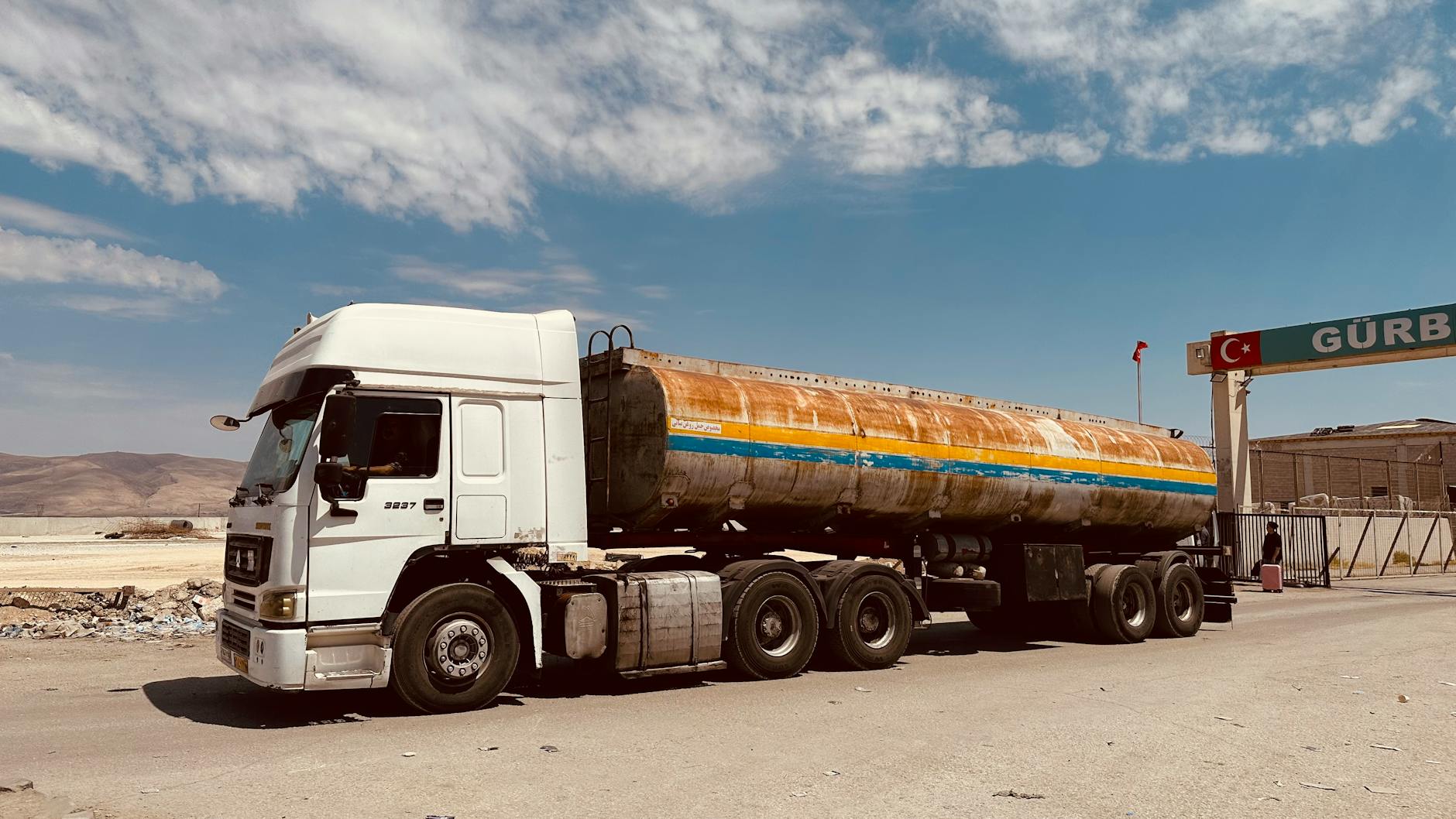
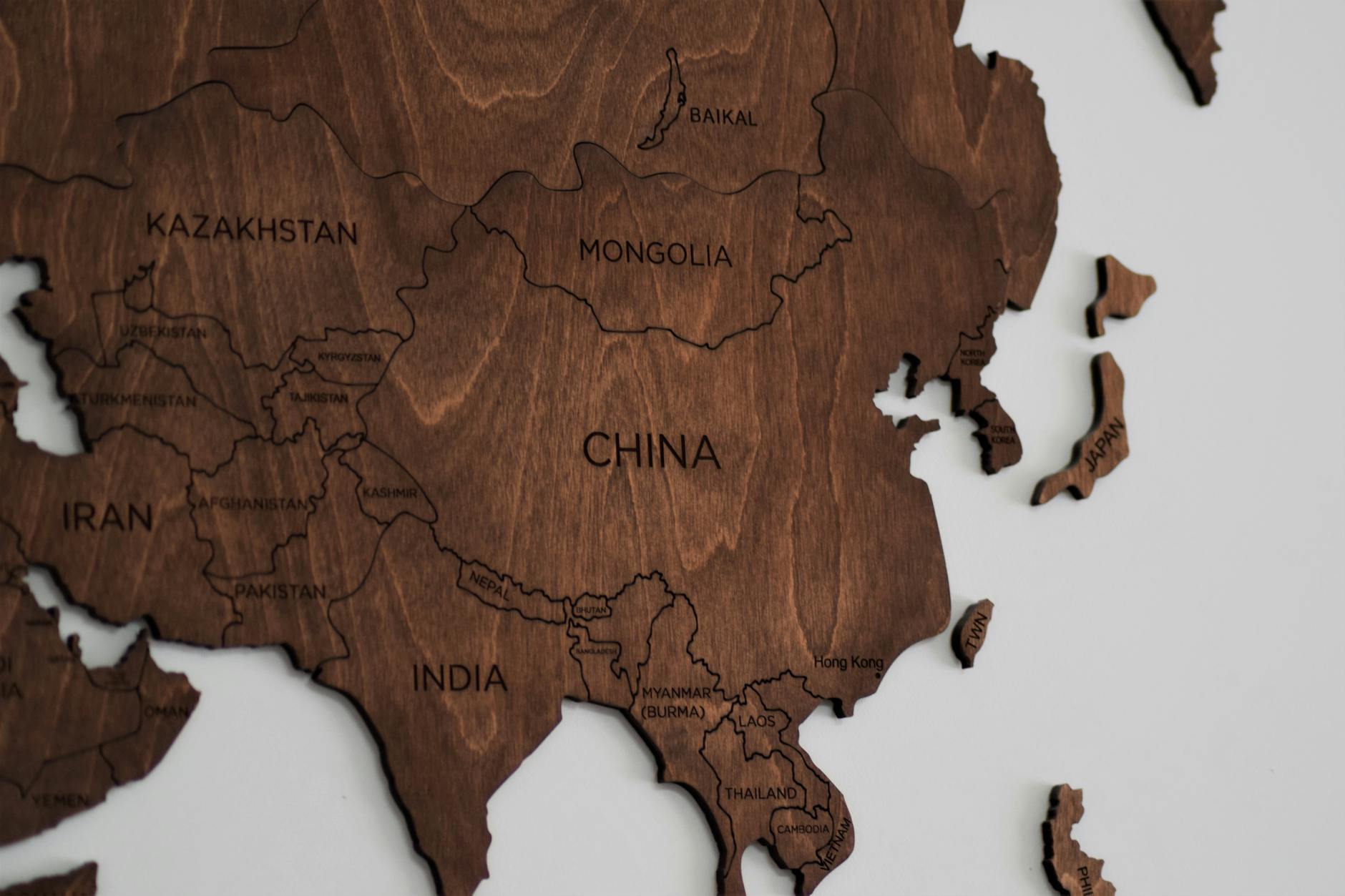
The border between Iran and Pakistan stretches approximately 959 kilometers (596 miles) through some of the most desolate and lawless terrain in South Asia and the Middle East, cutting directly through the Balochistan region — a vast, arid landscape that neither government fully controls. This ungoverned corridor has become a persistent flashpoint for cross-border militancy, drug trafficking, and sectarian violence, with armed groups operating on both sides exploiting the near-total absence of state authority. In January 2024, the two nations launched tit-for-tat military strikes across this border, with Iran firing missiles into Pakistani territory and Pakistan retaliating with strikes inside Iran, briefly pushing the countries toward open conflict. The security vacuum along this frontier is not a new development. For decades, Baloch separatist groups, Sunni militant organizations, and narcotics networks have treated the border as functionally nonexistent.
The Sistan-Baluchestan province on the Iranian side and Pakistan’s Balochistan province on the other are among the poorest, most neglected regions in their respective countries. This article examines why this border remains ungoverned, the armed groups that operate across it, the drug trade that funds much of the violence, and the geopolitical implications for regional stability, U.S. counterterrorism policy, and the Trump administration’s Iran strategy. The situation along this border also has direct relevance to American foreign policy debates about Iran sanctions enforcement, counternarcotics operations, and whether Pakistan can be considered a reliable partner in regional security. The Trump administration’s maximum pressure campaign on Iran intersects with these border dynamics in ways that deserve closer scrutiny.
Table of Contents
- Why Does the Iran-Pakistan Border Run Through Ungoverned Territory?
- Which Armed Groups Operate Along the Iran-Pakistan Frontier?
- How Drug Trafficking Fuels the Border’s Lawlessness
- What Are the Geopolitical Stakes of the Iran-Pakistan Border Conflict?
- How U.S. Iran Policy Intersects With the Border Problem
- The Humanitarian Cost of an Ungoverned Border
- Can the Iran-Pakistan Border Be Governed?
- Conclusion
- Frequently Asked Questions
Why Does the Iran-Pakistan Border Run Through Ungoverned Territory?
The fundamental reason this border remains ungoverned is geography combined with deliberate neglect. The terrain is largely barren desert and mountains, with the Mirjaveh-Taftan crossing serving as the only official border point along nearly 600 miles. Outside that single checkpoint, the landscape offers virtually no infrastructure — no paved roads, no military installations, no police stations for stretches of hundreds of miles. The Baloch people who inhabit both sides of the border have historically moved freely across it, long predating either modern nation-state’s claim to the region. Neither Tehran nor Islamabad has invested the resources necessary to establish genuine sovereignty over their respective Balochistan provinces. Iran’s Sistan-Baluchestan province is the country’s poorest, with unemployment rates estimated at double the national average.
The population is predominantly Sunni Baloch in a Shia-majority country, creating a religious and ethnic divide that the Islamic Republic has managed through a combination of repression and neglect rather than development. Pakistan’s Balochistan province tells a similar story — it is the country’s largest province by area but smallest by population, with literacy rates hovering around 40 percent and chronic underinvestment in basic services. A low-grade Baloch insurgency has simmered in Pakistan since the mid-2000s, with the Pakistani military conducting operations that human rights organizations have documented as involving forced disappearances and extrajudicial killings. By comparison, Iran’s borders with Turkey and Iraq — while also presenting security challenges — have far greater state presence, more crossing points, and higher population density in adjacent areas. The Iran-Pakistan border is arguably the most undergoverned international boundary involving a major U.S. adversary, rivaled perhaps only by portions of the Syria-Iraq frontier during the peak of ISIS territorial control.
Which Armed Groups Operate Along the Iran-Pakistan Frontier?
Multiple armed organizations exploit the security vacuum, but the most significant is Jaish al-Adl (Army of Justice), a Sunni militant group that operates primarily in Iran’s Sistan-Baluchestan province and uses Pakistani territory as a rear base. Jaish al-Adl has claimed responsibility for numerous attacks on Iranian Revolutionary Guard Corps (irgc) personnel, including a February 2019 suicide bombing that killed 27 IRGC members — one of the deadliest attacks on Iran’s military in decades. The group is a successor to Jundallah, which was designated a terrorist organization by the United States in 2010. Iran has repeatedly accused Pakistan of harboring Jaish al-Adl operatives, a charge Islamabad denies but has done little to visibly disprove. On the Pakistani side, the Balochistan Liberation Army (BLA) and Balochistan Liberation Front (BLF) conduct attacks against Pakistani security forces and Chinese interests in the region, particularly targeting infrastructure related to the China-Pakistan Economic Corridor (CPEC).
The BLA was designated a terrorist organization by Pakistan in 2006 and by the United States in 2019. However, it is important to note that the Baloch separatist movement also includes political actors with legitimate grievances about resource extraction, forced displacement, and human rights abuses — distinctions that get lost when all Baloch resistance is labeled terrorism. The situation is further complicated by the presence of narcotics trafficking organizations that sometimes collaborate with militant groups and sometimes operate independently. These networks are not ideologically motivated but are equally invested in keeping the border ungoverned. Any effort to extend state authority to the region threatens their operations, creating a coalition of interests — insurgents, traffickers, and smugglers — that actively resists governance.
How Drug Trafficking Fuels the Border’s Lawlessness
The Iran-Pakistan border sits along the primary route for Afghan opium and heroin flowing toward European and Middle Eastern markets, making it one of the most consequential narcotics corridors in the world. According to the United Nations Office on Drugs and Crime (UNODC), Iran seizes more opiates than any other country — a statistic that reflects both enforcement effort and the sheer volume of drugs transiting the country. iranian border guards and anti-narcotics officers have suffered thousands of casualties over the past three decades fighting drug traffickers in this region, a fact that rarely receives Western media attention. The economics are staggering. Afghan opium production, despite the Taliban’s 2022 ban that temporarily reduced cultivation, generated billions of dollars in revenue annually at its peak. A significant portion of that product moved through Balochistan on both sides of the border, providing funding for armed groups, corrupting local officials, and creating a parallel economy that dwarfs legitimate economic activity in the region.
Pakistani Balochistan’s Chagai and Nushki districts have been identified as major transit points, with drugs moving through Iran’s Sistan-Baluchestan toward Turkey and onward to Europe. For U.S. policymakers, this creates an uncomfortable contradiction. Washington maintains maximum pressure sanctions on Iran while Iran simultaneously fights a drug war that serves American and European interests. Iran has repeatedly sought international recognition and assistance for its counternarcotics efforts along this border, largely without success. The Trump administration’s approach to Iran — focused almost exclusively on nuclear and regional influence issues — has not engaged meaningfully with the narcotics dimension of the border problem, even as synthetic opioids and trafficking networks increasingly concern American domestic policy.

What Are the Geopolitical Stakes of the Iran-Pakistan Border Conflict?
The January 2024 exchange of military strikes between Iran and Pakistan briefly revealed how the ungoverned border could escalate into a genuine interstate conflict. Iran launched “Operation Truthful Promise” strikes into Pakistan’s Balochistan province, claiming to target Jaish al-Adl bases. Pakistan responded within 48 hours with its own strikes into Iran’s Sistan-Baluchestan province, targeting what it described as separatist hideouts. Both countries then rapidly de-escalated through diplomatic channels, recalling ambassadors temporarily before restoring relations within weeks. The speed of de-escalation suggests neither country wanted a wider conflict, but the episode demonstrated how easily the border vacuum can produce dangerous miscalculation. The tradeoff for both nations is straightforward but painful: genuinely securing the border would require massive investment in infrastructure, military deployment, and — most critically — economic development in Balochistan regions that both governments have historically treated as expendable peripheries. Iran would need to address the systemic discrimination against Sunni Baloch citizens that fuels recruitment for groups like Jaish al-Adl.
Pakistan would need to confront the military establishment’s use of Balochistan as a zone of impunity where enforced disappearances and collective punishment substitute for governance. Neither government has shown willingness to pay these political costs. China adds another dimension to the calculation. Beijing’s CPEC investments, including the strategically vital Gwadar port in Pakistani Balochistan, give China a direct interest in border stability. Chinese workers and projects have been repeatedly targeted by Baloch militants who view CPEC as extractive neocolonialism. China has pressured Pakistan to improve security in the region but has also been careful not to alienate Iran, which is a key partner in China’s Belt and Road Initiative. This triangular dynamic means the border’s future is not solely a bilateral Iran-Pakistan issue.
How U.S. Iran Policy Intersects With the Border Problem
The Trump administration’s maximum pressure campaign against Iran has indirect but significant effects on the border situation. Sanctions that restrict Iran’s economy reduce the resources Tehran can devote to border security and counternarcotics operations, potentially worsening the ungoverned conditions that produce the very instability Washington opposes. This is not a hypothetical concern — Iranian officials have explicitly argued that sanctions undermine their ability to fight drug trafficking and border militancy, a claim that independent analysts have found at least partially credible. There is also the question of whether any U.S. administration has seriously grappled with the Balochistan dimension of its Iran strategy. During the George W. Bush and Obama administrations, credible reports emerged — most notably through investigative journalist Seymour Hersh and former CIA officer Robert Baer — suggesting that U.S.
intelligence had at various points maintained contacts with Baloch militant groups operating against Iran. Whether or not such contacts rose to the level of operational support, the perception in Tehran that Washington has exploited the border’s instability to pressure Iran has made cooperation on border security politically impossible. A limitation that deserves acknowledgment: the U.S. has very little direct leverage over conditions along this border. It is not a theater where American military or intelligence assets are significantly deployed, and neither Iran nor Pakistan is inclined to accept American involvement in what both consider sovereign territory. The most realistic U.S. policy contribution would be supporting multilateral frameworks — through the UN or regional organizations — that address narcotics trafficking and border governance without requiring direct U.S.-Iran cooperation that current political conditions make impossible.
📨 Get Free Accountability Coverage Alerts
Free · No spam · Unsubscribe anytime
The Humanitarian Cost of an Ungoverned Border
The people who suffer most from the border’s lawlessness are the Baloch communities living on both sides. Caught between militant groups, drug traffickers, and heavy-handed security forces, ordinary civilians face a grim reality. Médecins Sans Frontières (Doctors Without Borders) has documented severely limited healthcare access in both Iranian and Pakistani Balochistan, with maternal mortality rates far exceeding national averages.
In Pakistan’s Balochistan province, the Commission of Inquiry on Enforced Disappearances has logged thousands of cases, with families of the missing left in permanent legal and emotional limbo. Refugees and migrants add another layer to the humanitarian picture. The border region is a transit route for Afghan refugees moving toward Iran and, increasingly, for migrants from South Asia and East Africa attempting to reach Turkey and Europe. These populations are acutely vulnerable to exploitation by smuggling networks and face harsh conditions in an environment where temperatures regularly exceed 120 degrees Fahrenheit in summer, with minimal access to water or shelter.
Can the Iran-Pakistan Border Be Governed?
The short answer is not under current political conditions in either country. Both Iran and Pakistan would need to fundamentally rethink their relationship with their Baloch populations, moving from security-first approaches toward genuine inclusion and development. Historical precedent offers some cautious optimism — Pakistan’s Federally Administered Tribal Areas (FATA) along the Afghan border were formally merged into Khyber Pakhtunkhwa province in 2018, theoretically bringing previously ungoverned territory under civilian administration.
However, the FATA merger has been slow to produce tangible governance improvements, and Balochistan presents even greater challenges due to its size and the depth of local grievances. Looking forward, the border’s trajectory will likely be shaped by three factors: the future of Afghan narcotics production under Taliban governance, the progress or stagnation of Chinese infrastructure investment in Pakistani Balochistan, and whether the Iran-Pakistan diplomatic relationship can withstand future cross-border incidents without escalation. None of these variables points toward rapid improvement. The more probable scenario is continued low-level instability punctuated by periodic crises — a situation that both governments have tacitly accepted as the cost of avoiding the harder work of genuine border governance.
Conclusion
The Iran-Pakistan border’s passage through ungoverned territory is not an accident of geography but a consequence of deliberate neglect by two states that have treated their Baloch peripheries as security problems rather than populations deserving governance. The resulting vacuum has been filled by militant groups, drug traffickers, and smuggling networks whose interests align in keeping the border porous and state authority distant. The January 2024 military exchange between Iran and Pakistan demonstrated how quickly this chronic instability can produce acute danger, even between two nuclear-armed neighbors who generally prefer to avoid direct confrontation.
For American policymakers, the Iran-Pakistan border problem resists easy solutions. It intersects with Iran sanctions policy, counternarcotics strategy, Pakistan relations, and Chinese regional influence in ways that no single policy lever can address. The Trump administration’s maximum pressure approach to Iran does not engage with the border dimension in any meaningful way, and there is little indication that Balochistan governance will become a priority for any American administration in the near term. What is clear is that ignoring the problem carries its own costs — in human suffering, in narcotics flows that ultimately reach Western markets, and in the ever-present risk that the next cross-border incident escalates beyond what diplomacy can contain.
Frequently Asked Questions
How long is the Iran-Pakistan border?
The border stretches approximately 959 kilometers (596 miles) from the tripoint with Afghanistan in the north to the coastal area near the Gulf of Oman in the south. Despite its length, there is only one official border crossing at Mirjaveh-Taftan.
Why did Iran and Pakistan strike each other’s territory in January 2024?
Iran launched missile strikes into Pakistani Balochistan claiming to target Jaish al-Adl militant bases. Pakistan retaliated with strikes into Iranian Sistan-Baluchestan province targeting what it called separatist hideouts. Both countries de-escalated within days through diplomatic channels, but the incident highlighted how easily the ungoverned border can produce interstate conflict.
What is Jaish al-Adl?
Jaish al-Adl (Army of Justice) is a Sunni militant group that primarily targets Iranian security forces in Sistan-Baluchestan province. It is a successor to Jundallah, which was designated a terrorist organization by the United States in 2010. Iran accuses Pakistan of harboring the group’s leadership.
How does drug trafficking relate to the border problem?
The Iran-Pakistan border sits on the primary route for Afghan opiates heading to European and Middle Eastern markets. The narcotics trade generates billions in revenue, funds armed groups, corrupts officials, and creates economic incentives for keeping the border ungoverned. Iran seizes more opiates annually than any other country.
Does the China-Pakistan Economic Corridor affect border security?
Yes. CPEC investments, including the Gwadar port in Pakistani Balochistan, give China a direct stake in regional stability. Chinese workers and infrastructure have been targeted by Baloch separatist groups, prompting Beijing to pressure Pakistan for improved security while maintaining its own diplomatic relationship with Iran.
You Might Also Like
- Iran’s Border With Iraq Is Over 900 Miles Long — Impossible to Fully Seal
- Iran’s Border With Afghanistan Is Another 572 Miles of Difficult Mountainous Terrain
- The Weapons Depots Across Iran Would Take Years to Fully Secure Even With Ground Forces